The Modern **

The Modern
@MOMA
9 W 53rd St.
New York, NY 10019
(212) 333-1220
Official Site

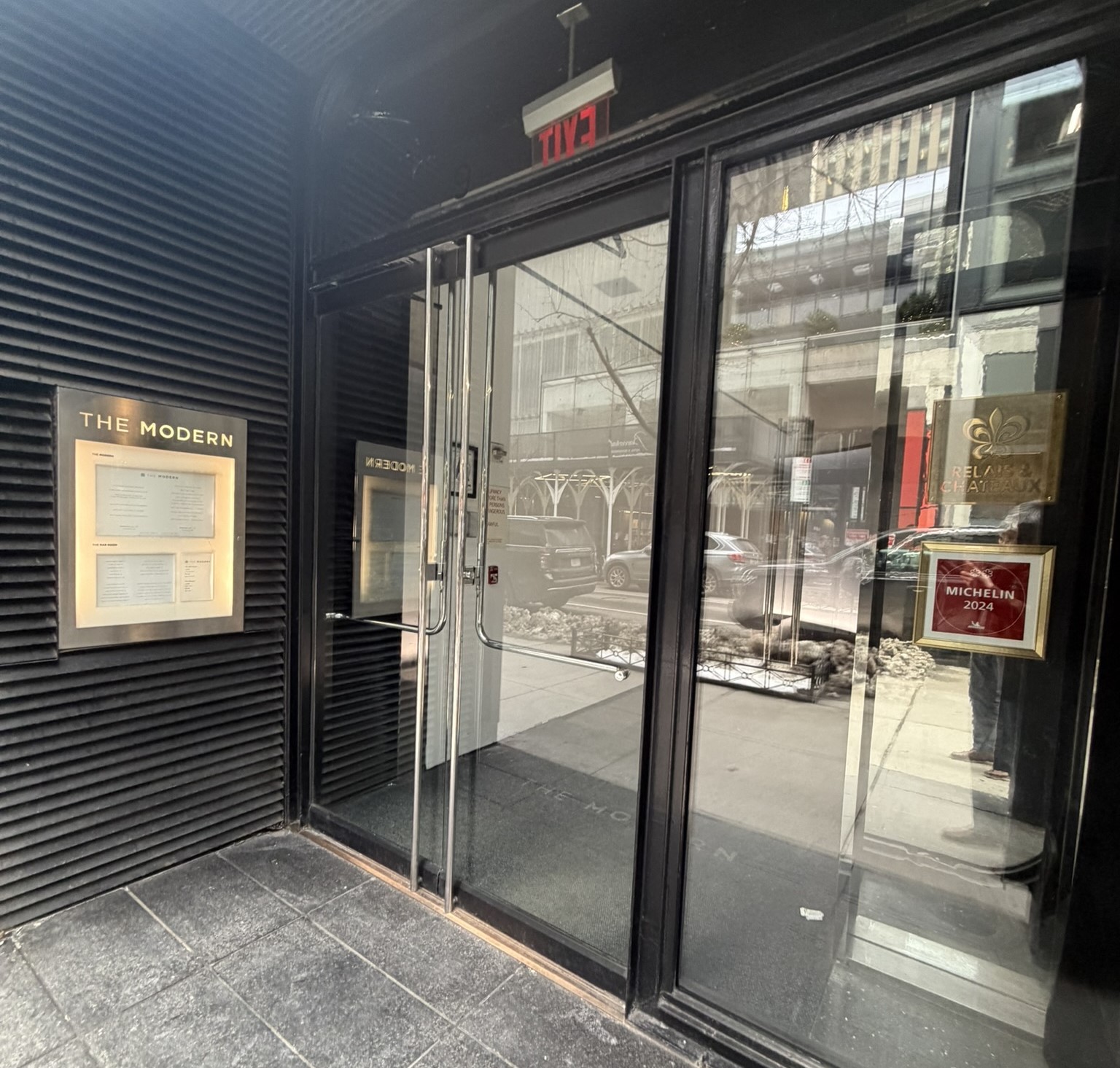
Museum dining and fine dining are pairings far less common than luxury hotels, however there are still a handful of Michelin-starred restaurants located inside museums, including several that have earned the coveted three-star distinction. In New York City, the most famous example is undoubtedly The Modern, housed inside the world-renowned Museum of Modern Art, more commonly known by its recognizable acronym, MoMA.

The Modern is the crown jewel of restaurateur extraordinaire Danny Meyer’s Union Square Hospitality Group, the hospitality empire behind some of New York’s most iconic restaurants including Eleven Madison Park (now owned by Daniel Humm), Gramercy Tavern, Union Square Cafe, and the global burger phenomenon Shake Shack. The restaurant earned its first Michelin star in 2005 during the guide’s inaugural New York City edition under chef Gabriel Kreuther, before receiving its second star in 2015 under chef Abram Bissell. Today, executive chef Thomas Allan has successfully maintained the restaurant’s two-star status since taking over the kitchen in 2020.

Prior to becoming executive chef at The Modern, chef Allan worked at several high-profile New York City restaurants including Eleven Madison Park under Daniel Humm and Per Se before moving to Paris to train under Yannick Alléno at the then three Michelin-starred Le Meurice.

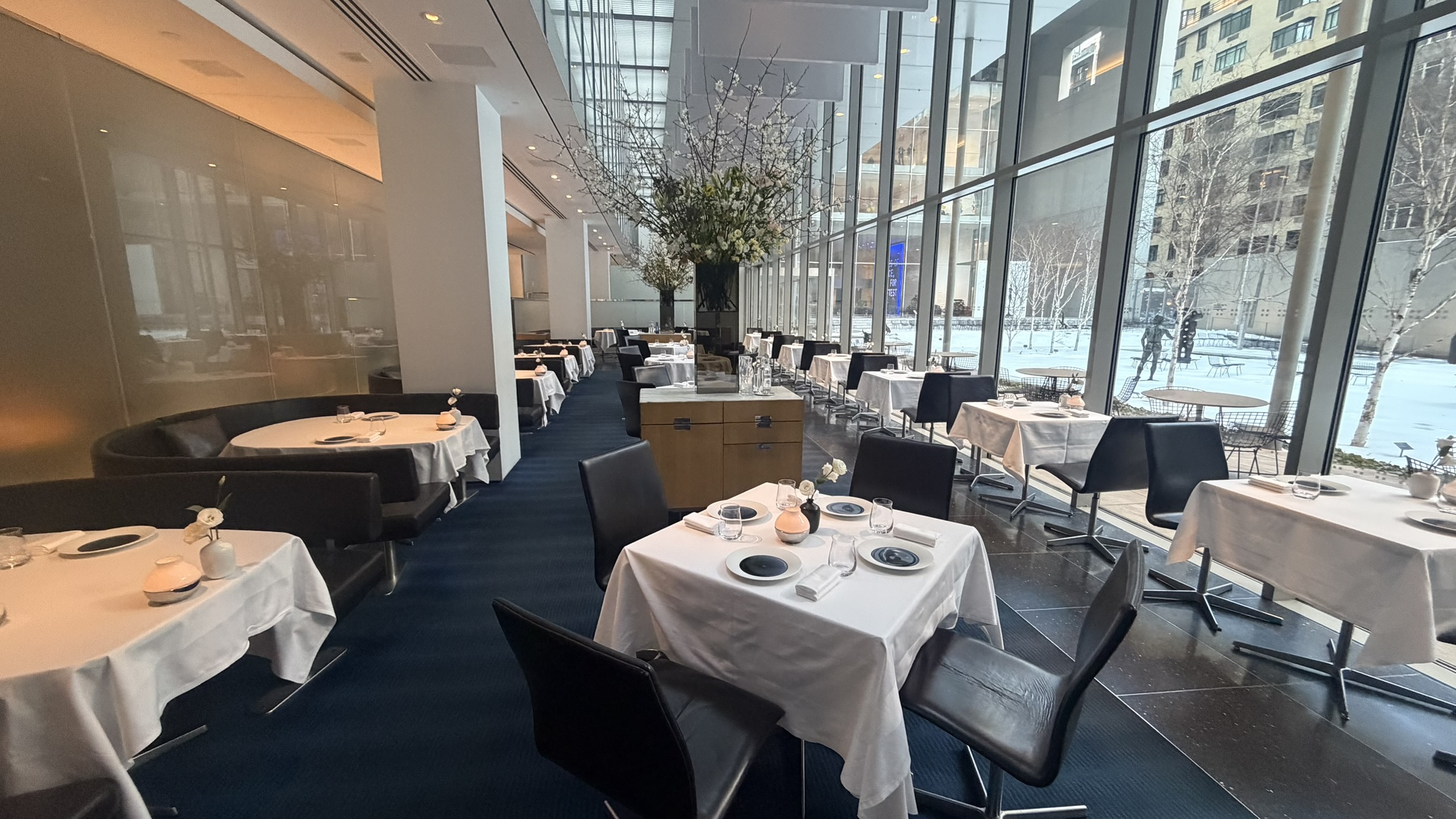
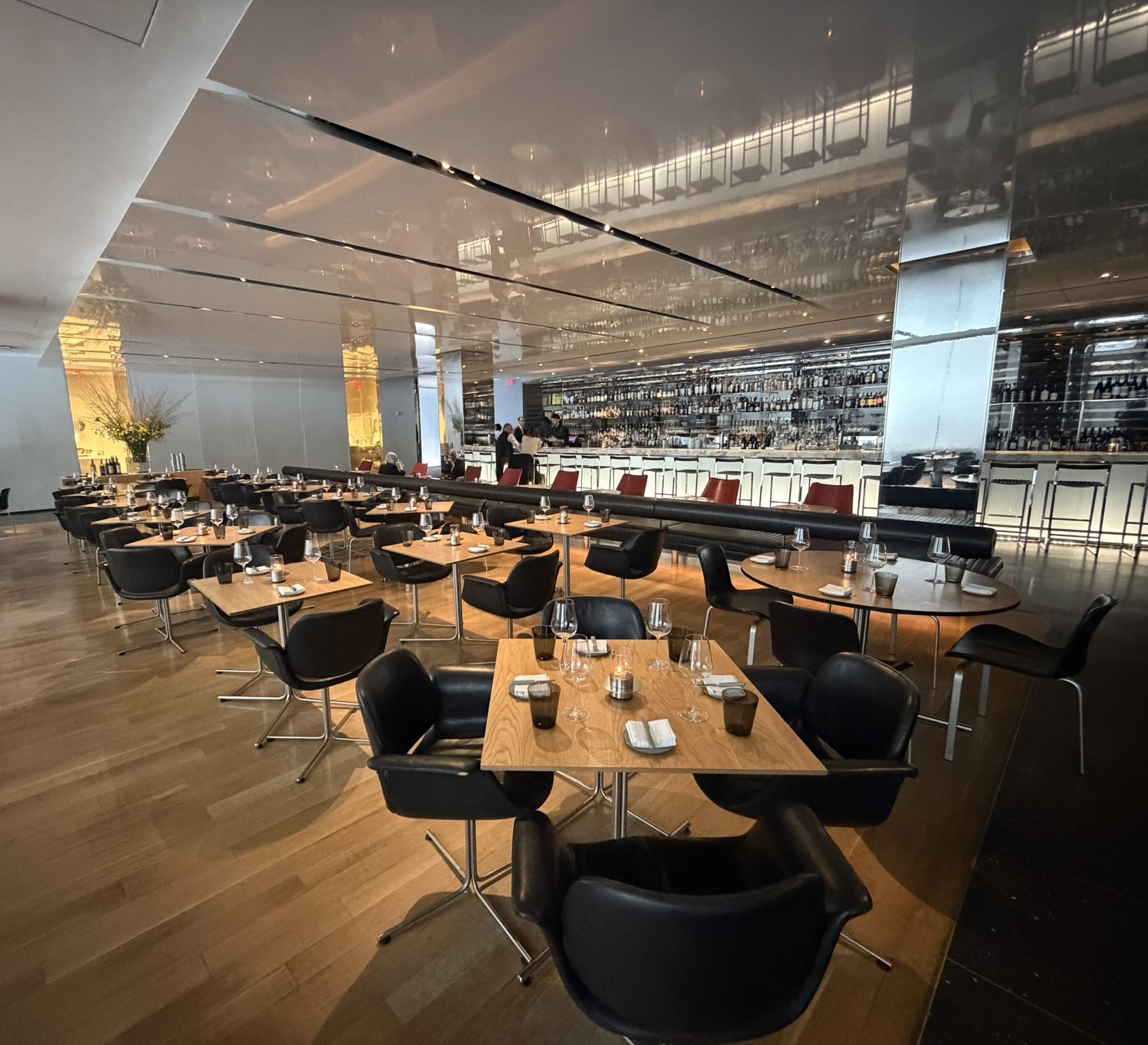
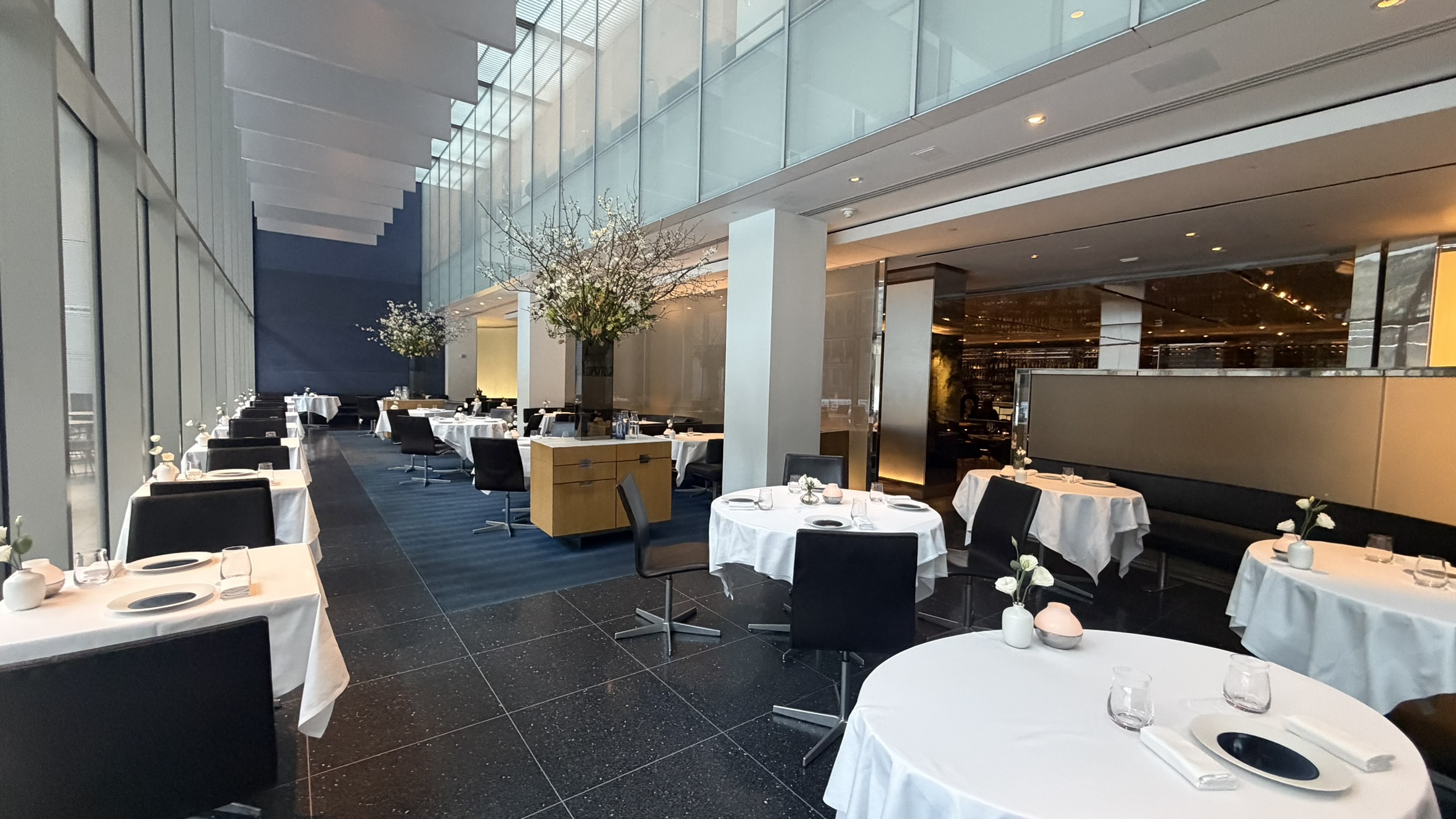
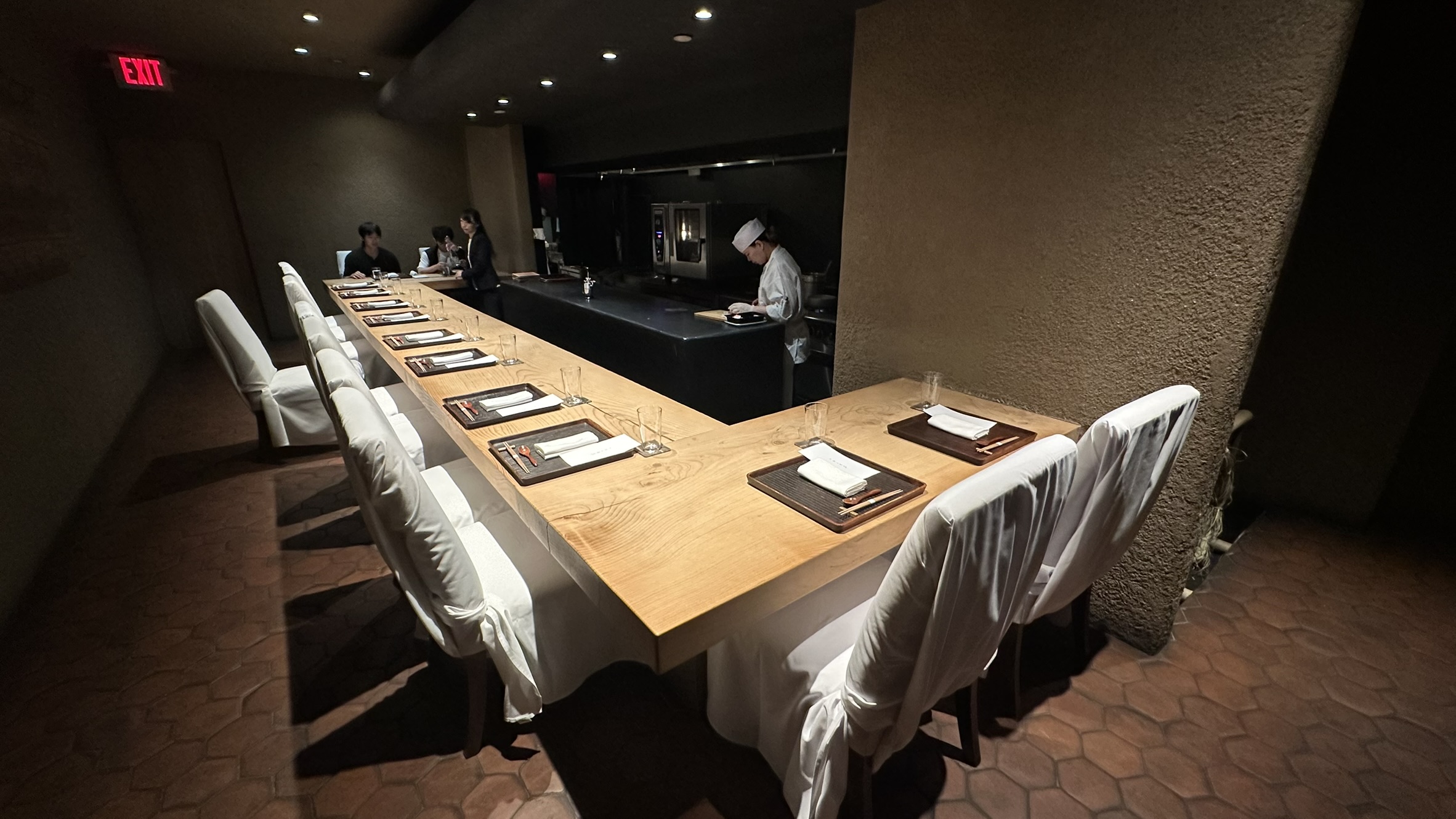
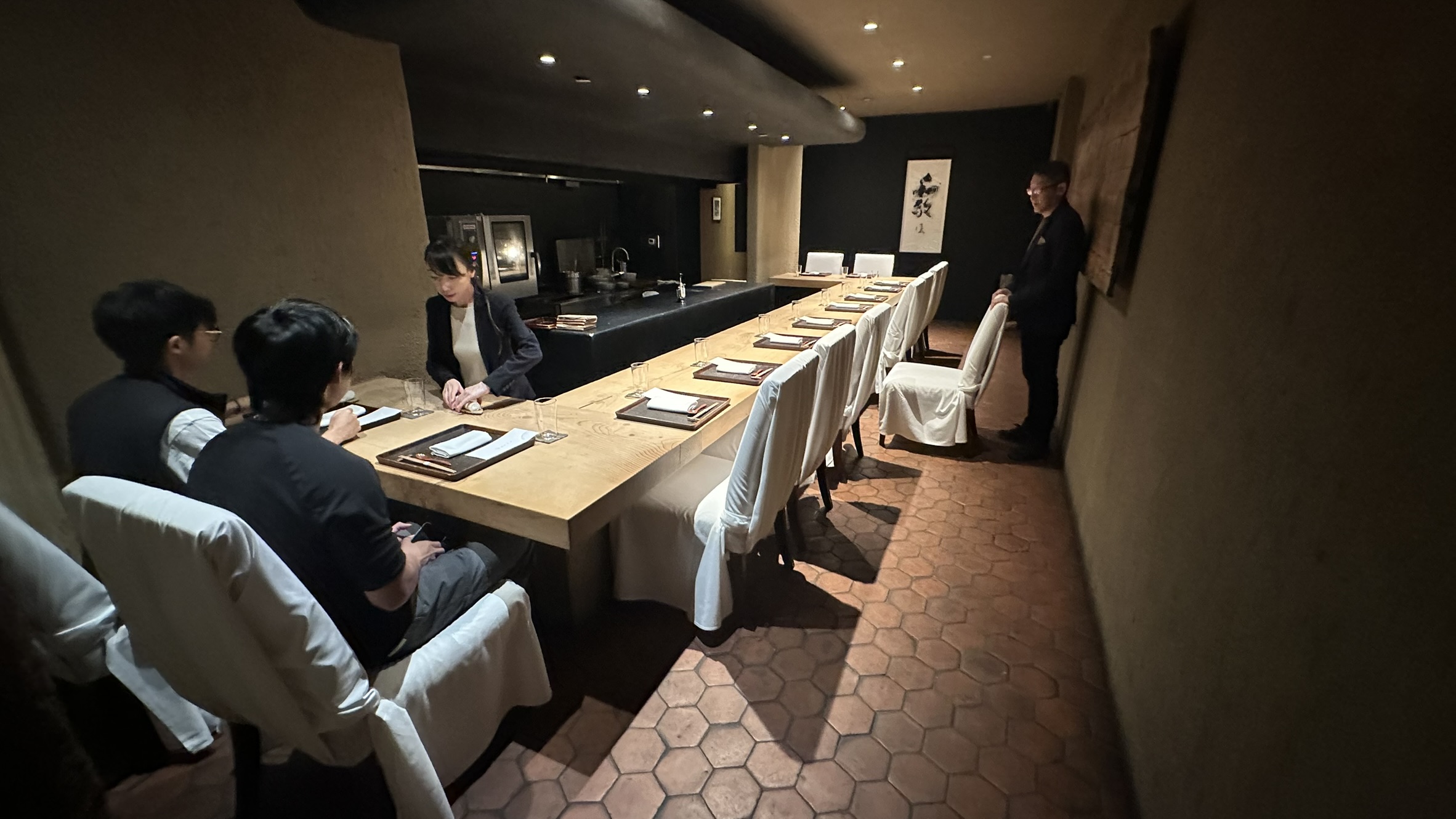
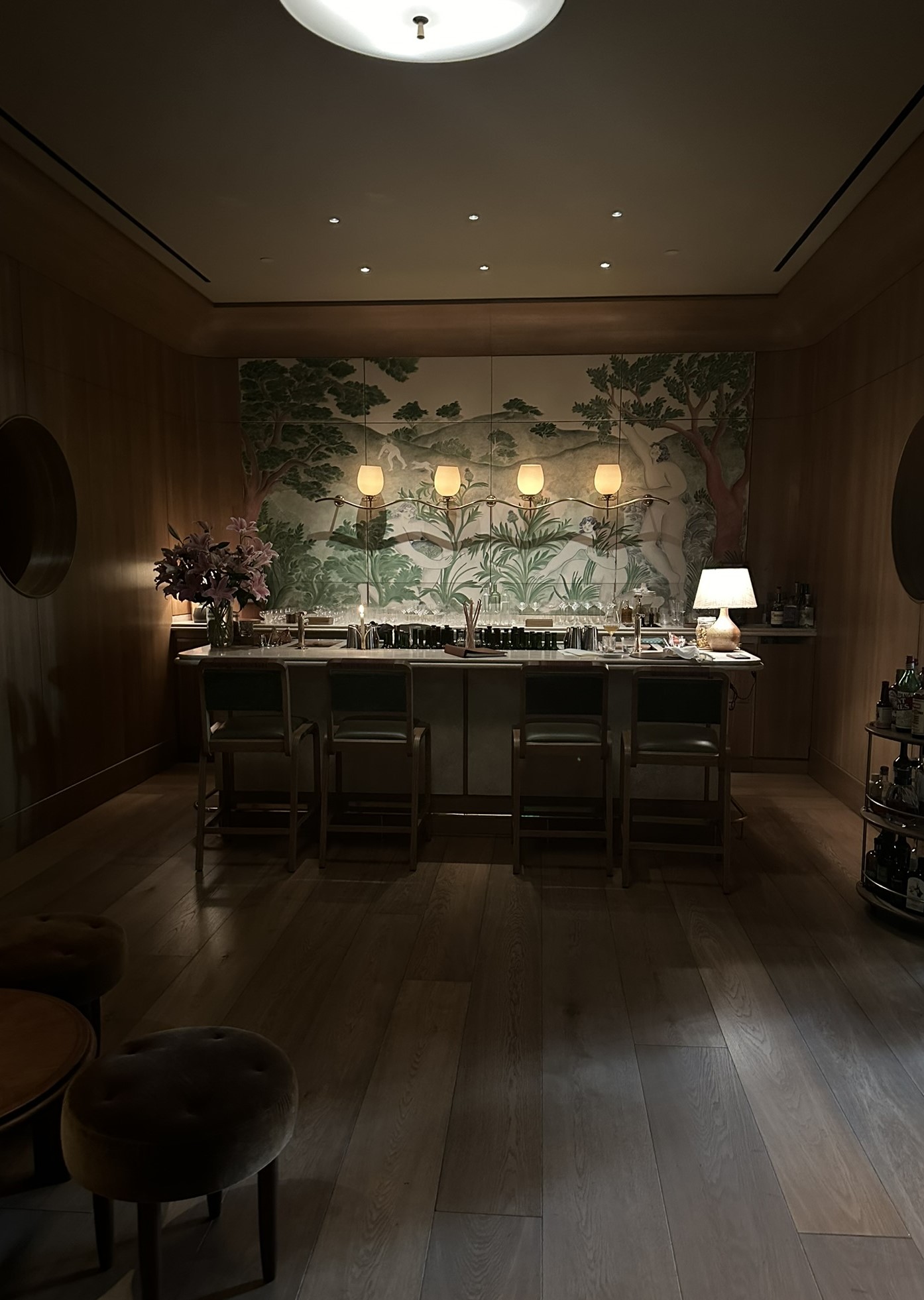
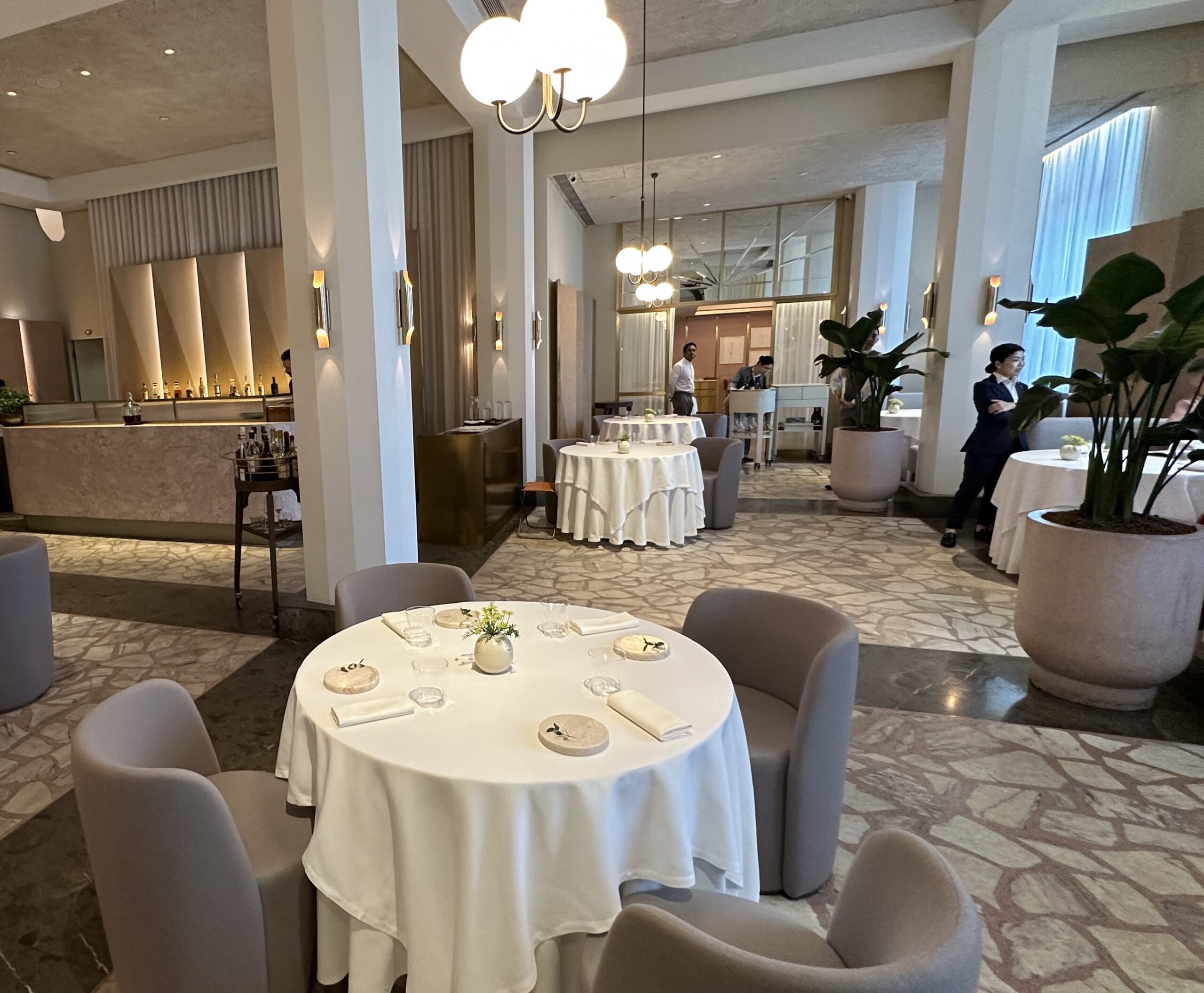
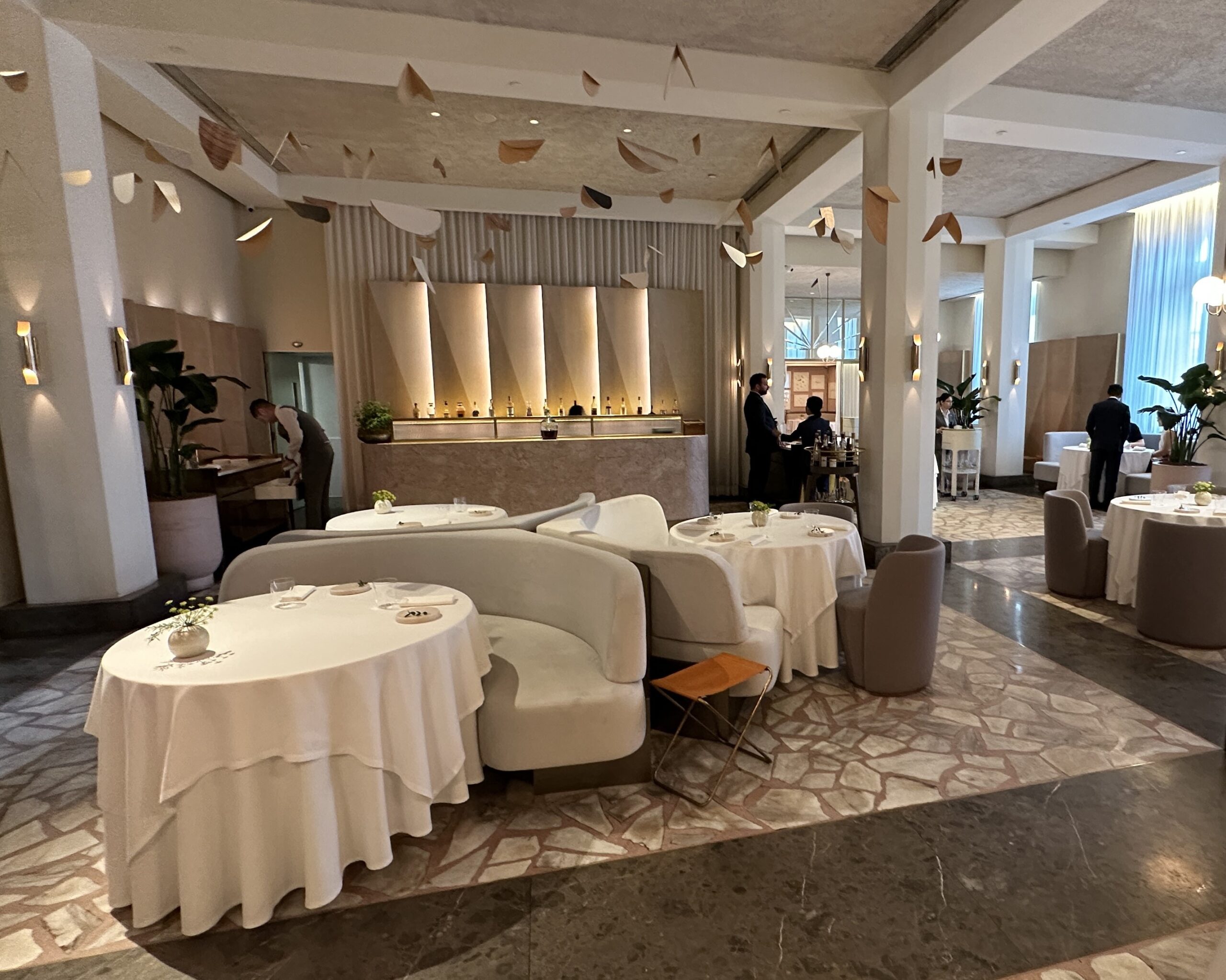
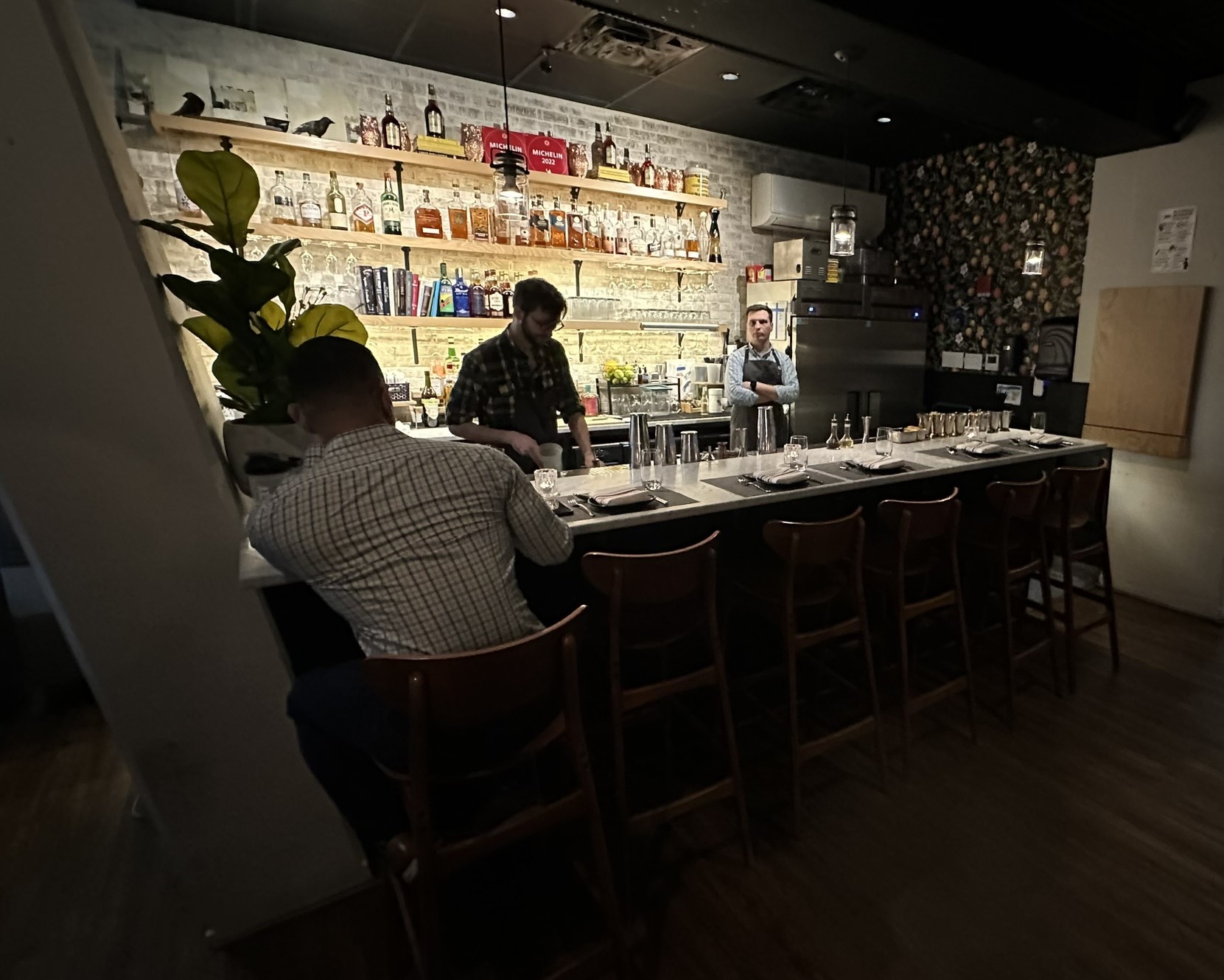
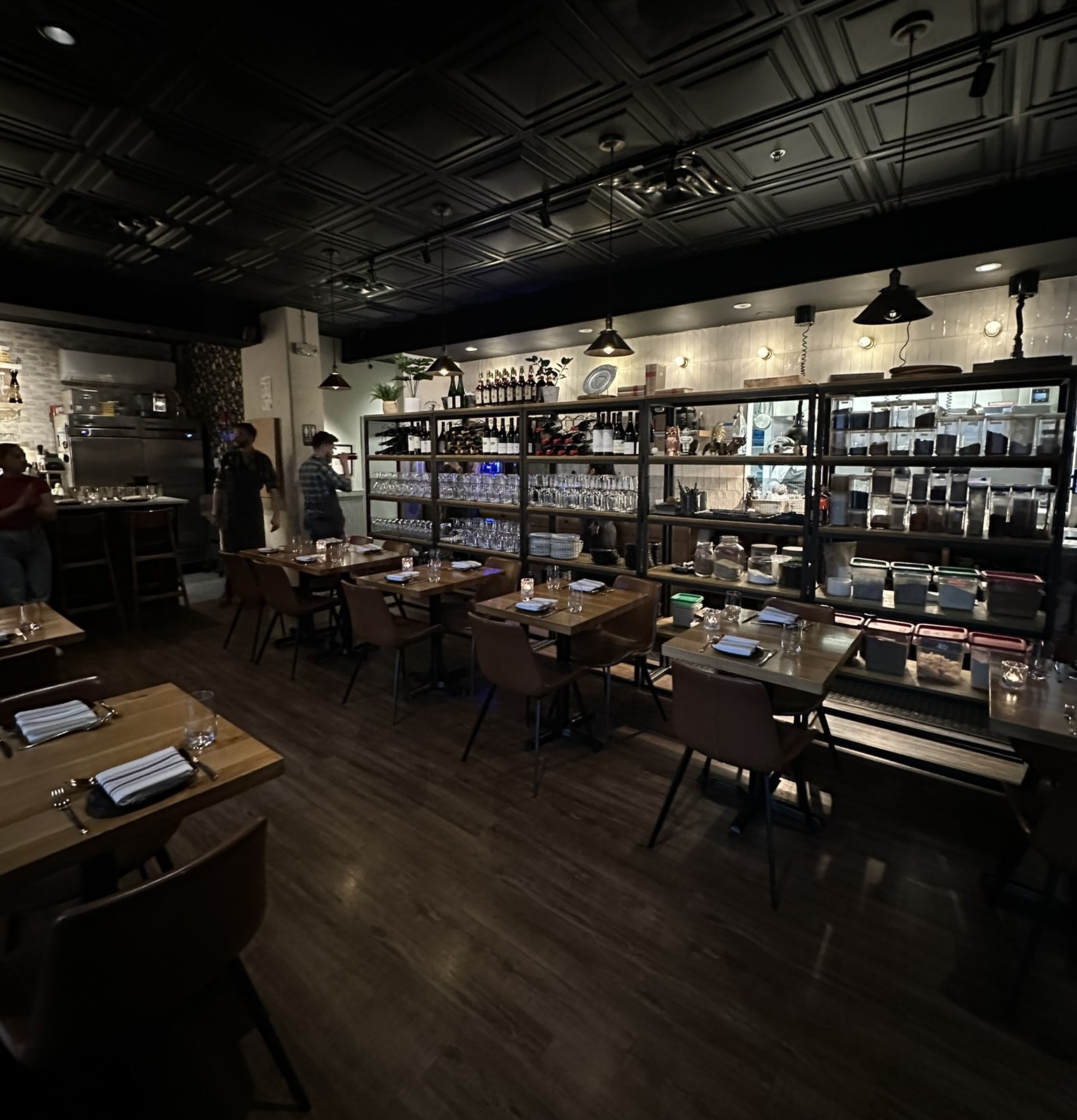
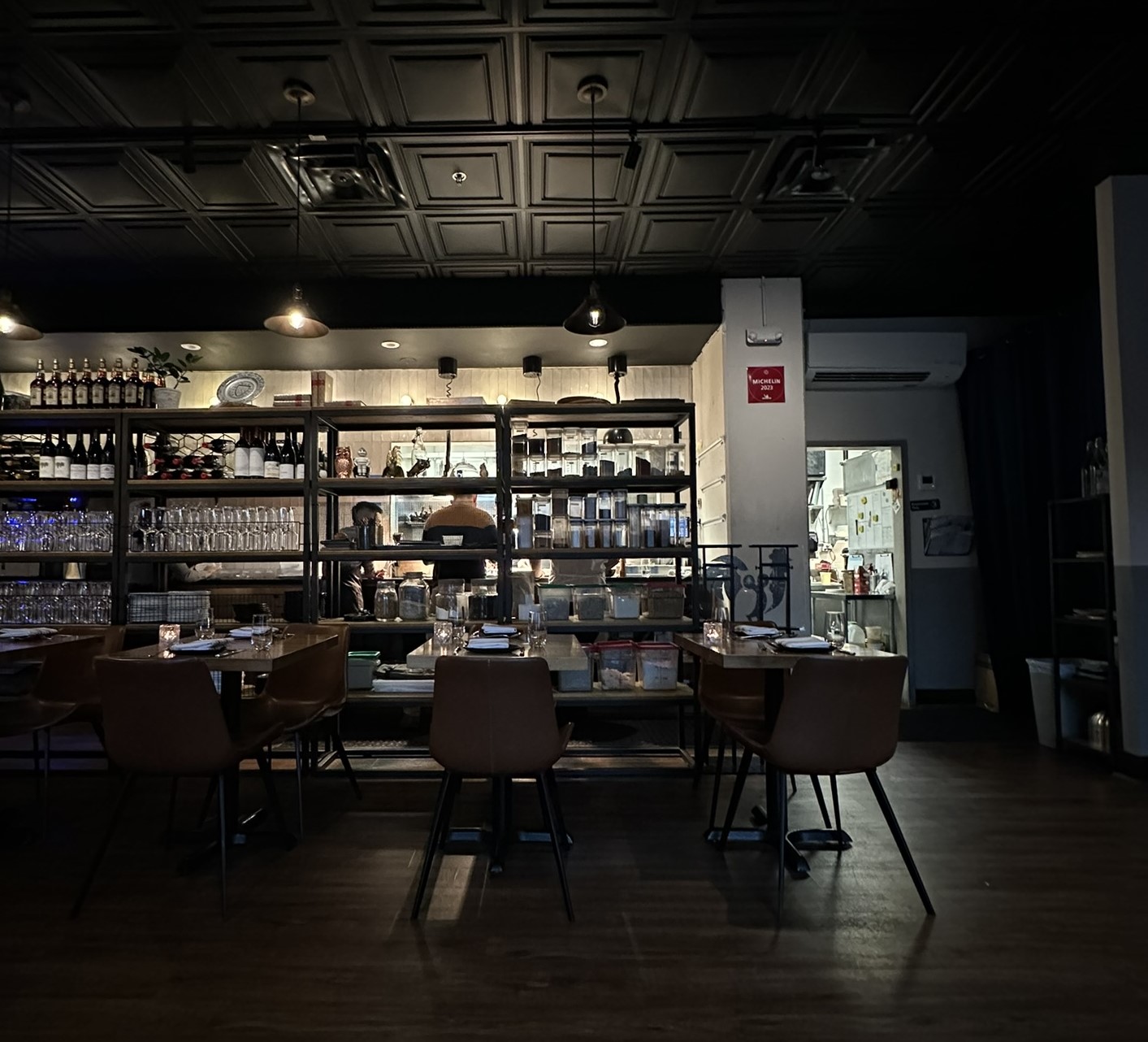
The restaurant has its own dedicated entrance separate from the museum. Upon entering, guests are first greeted by The Bar Room, which operates almost as a separate entity with a more relaxed and casual atmosphere. Beyond that lies the main dining room, which overlooks MoMA’s Abby Aldrich Rockefeller Sculpture Garden. Floor-to-ceiling windows flood the room with natural light, brightening the otherwise understated interior. White tablecloths, black leather chairs, and horseshoe-shaped booths give the room a refined elegance, although the space is beginning to show its age and could benefit from a refresh.

The Modern offers several dining options. Lunch features a three-course prix fixe at $115, while dinner offers a five-course menu for $175. Both lunch and dinner also feature the restaurant’s full tasting menu priced at $275, which I opted for during this late lunch visit.
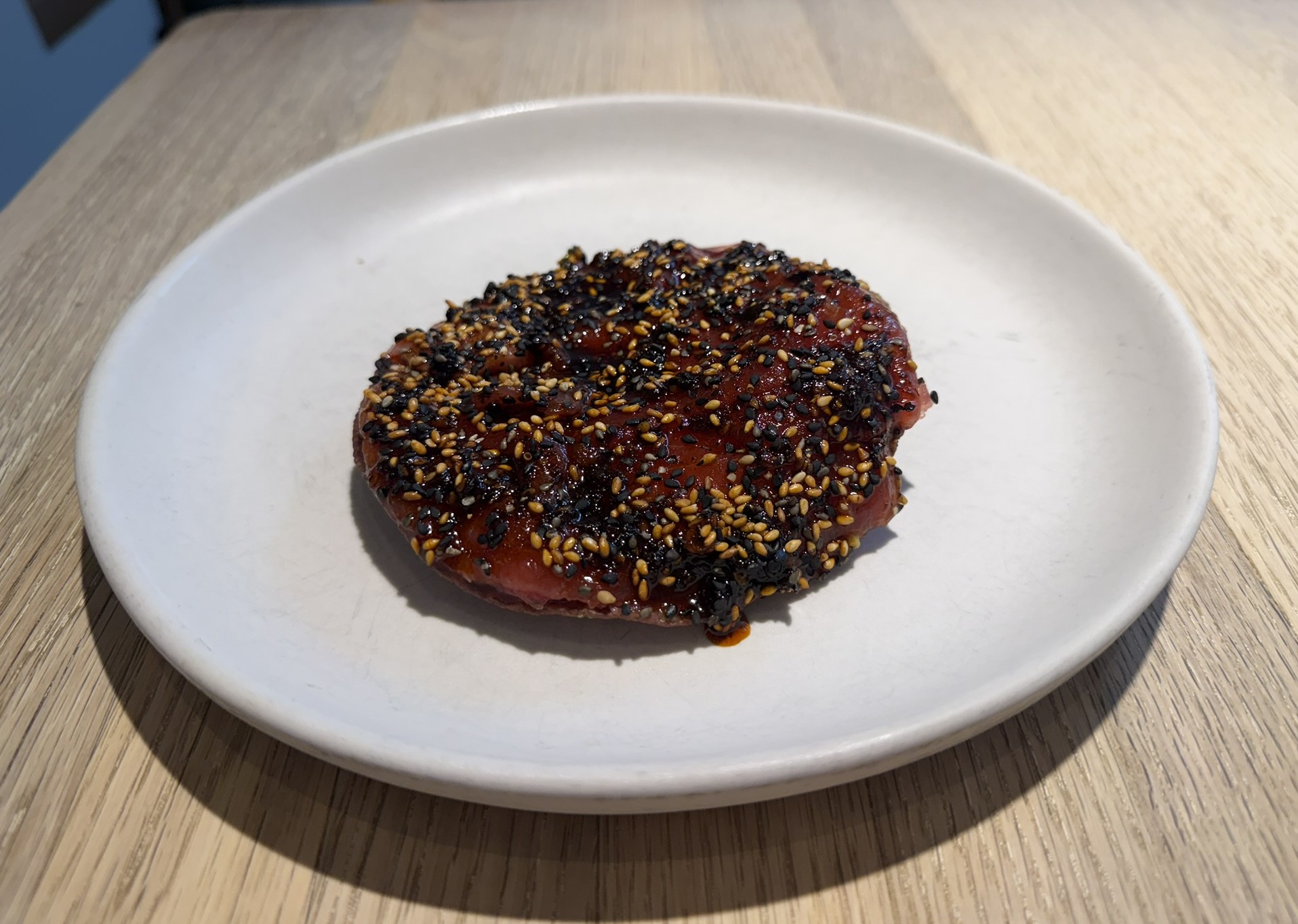
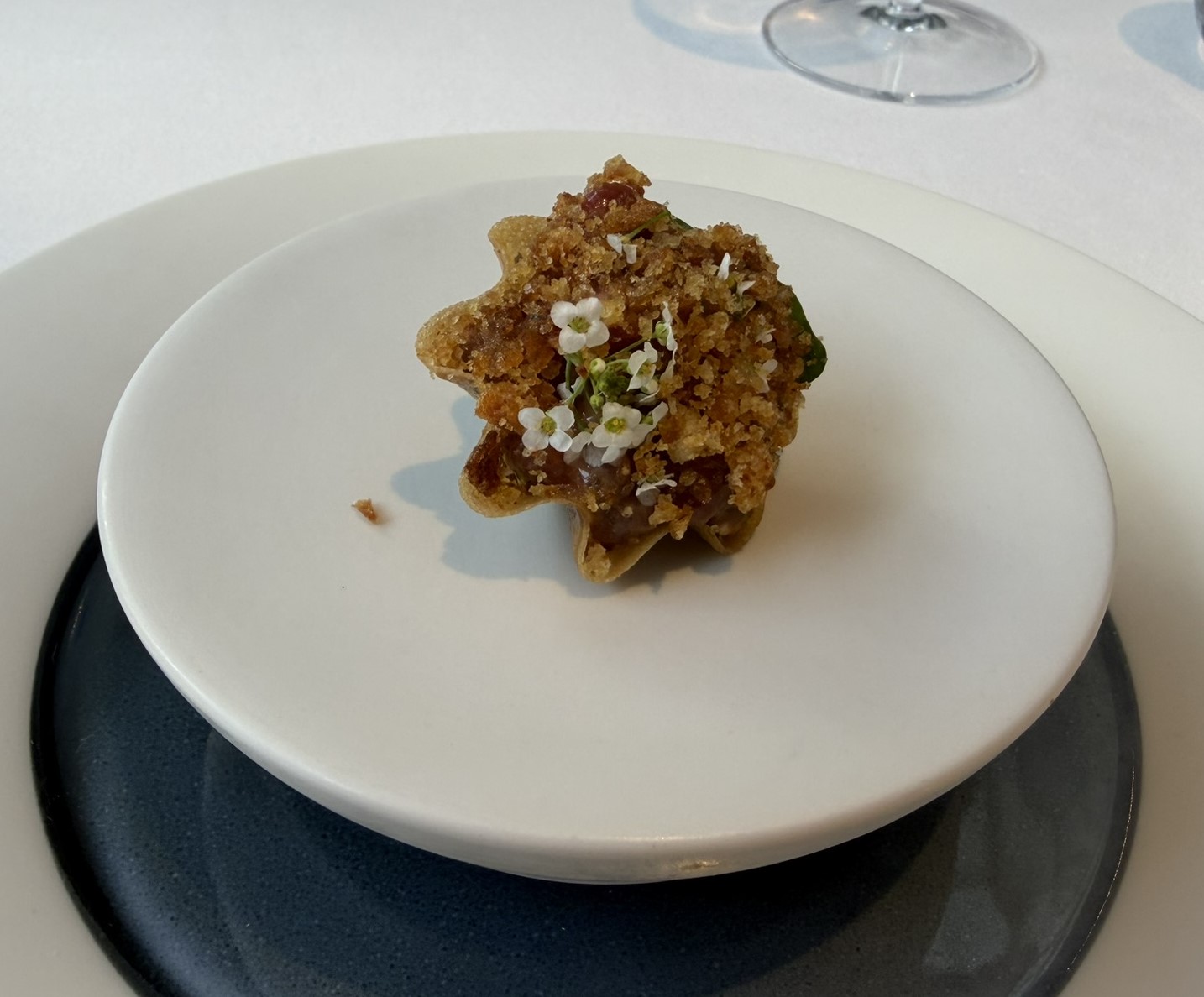
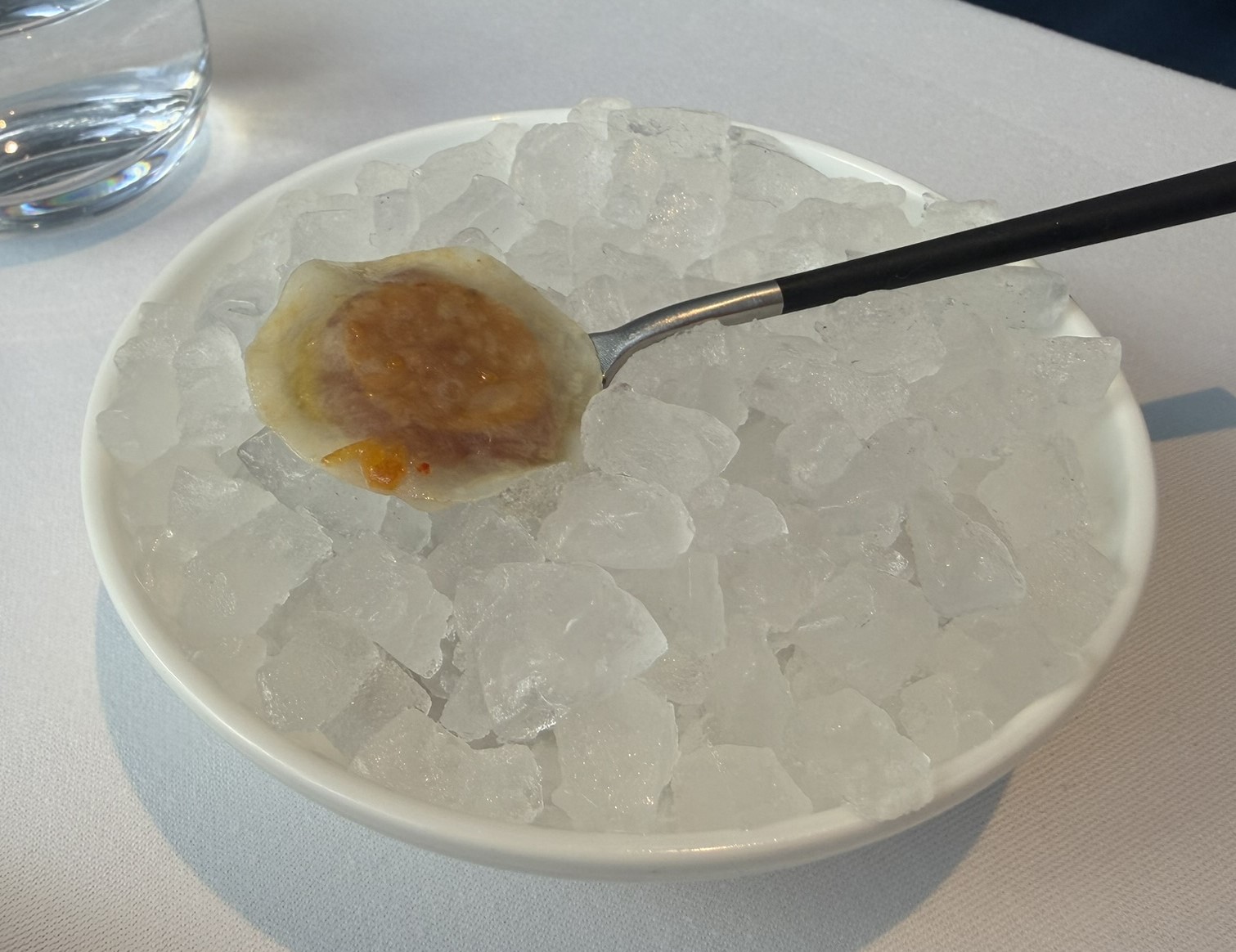
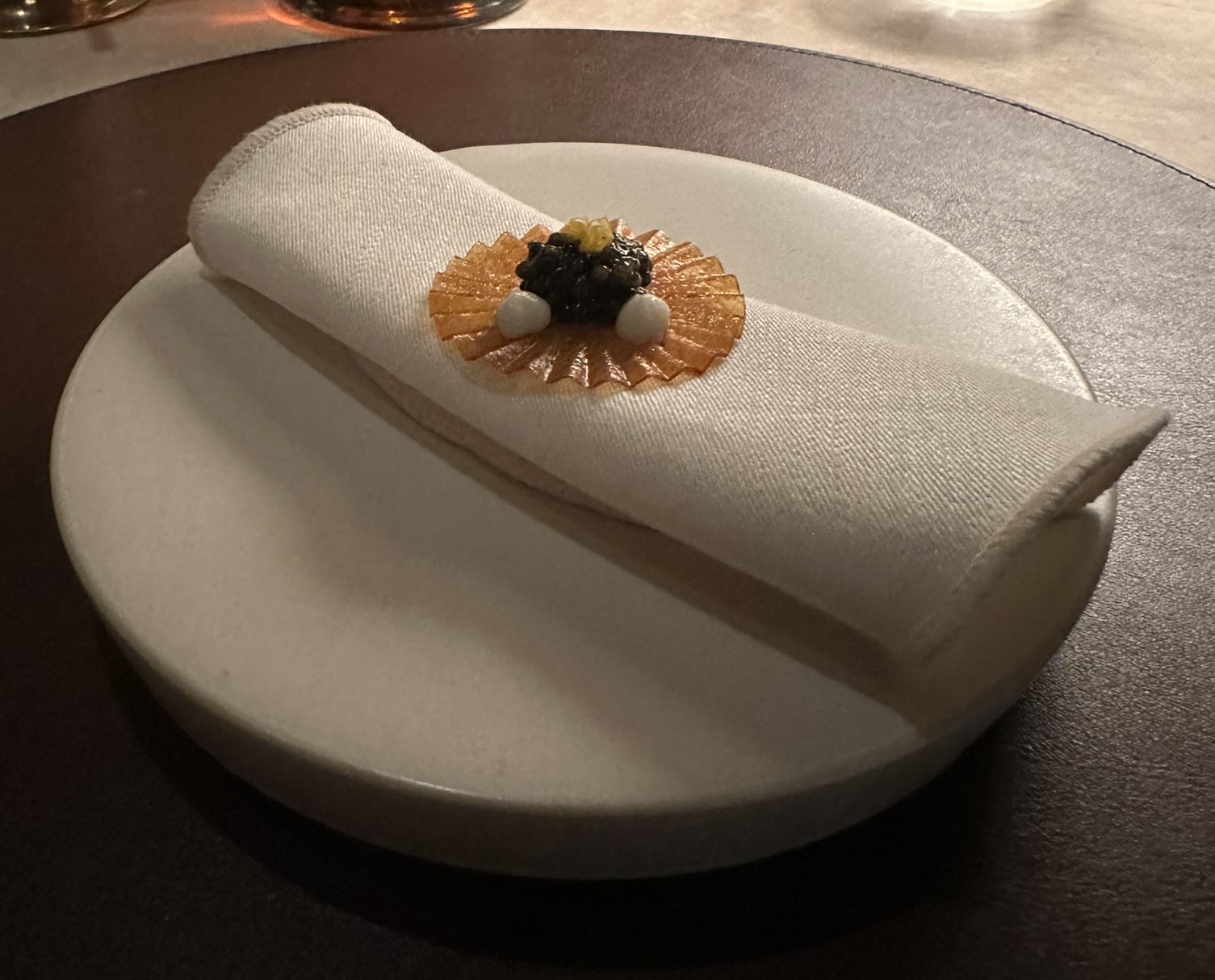
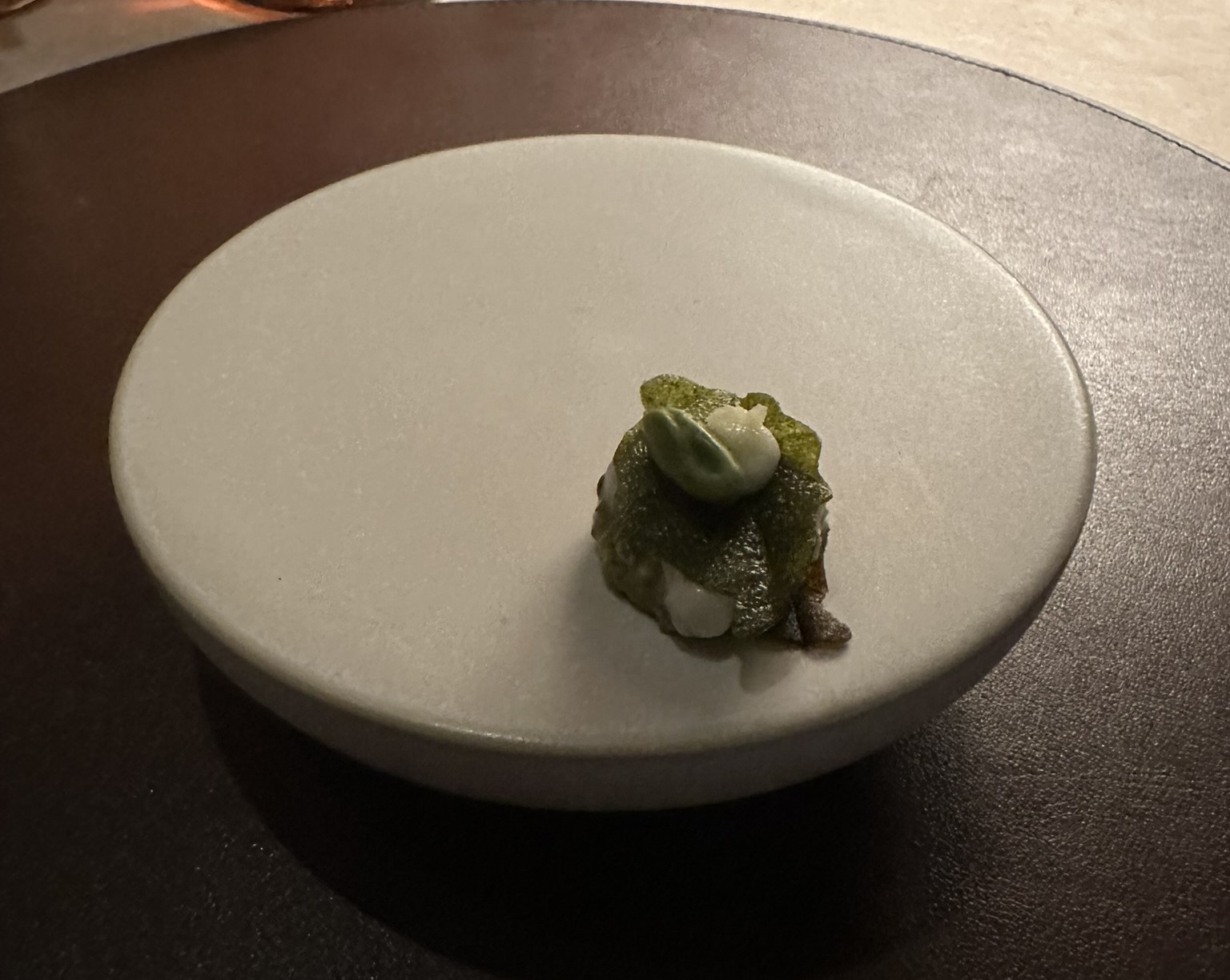
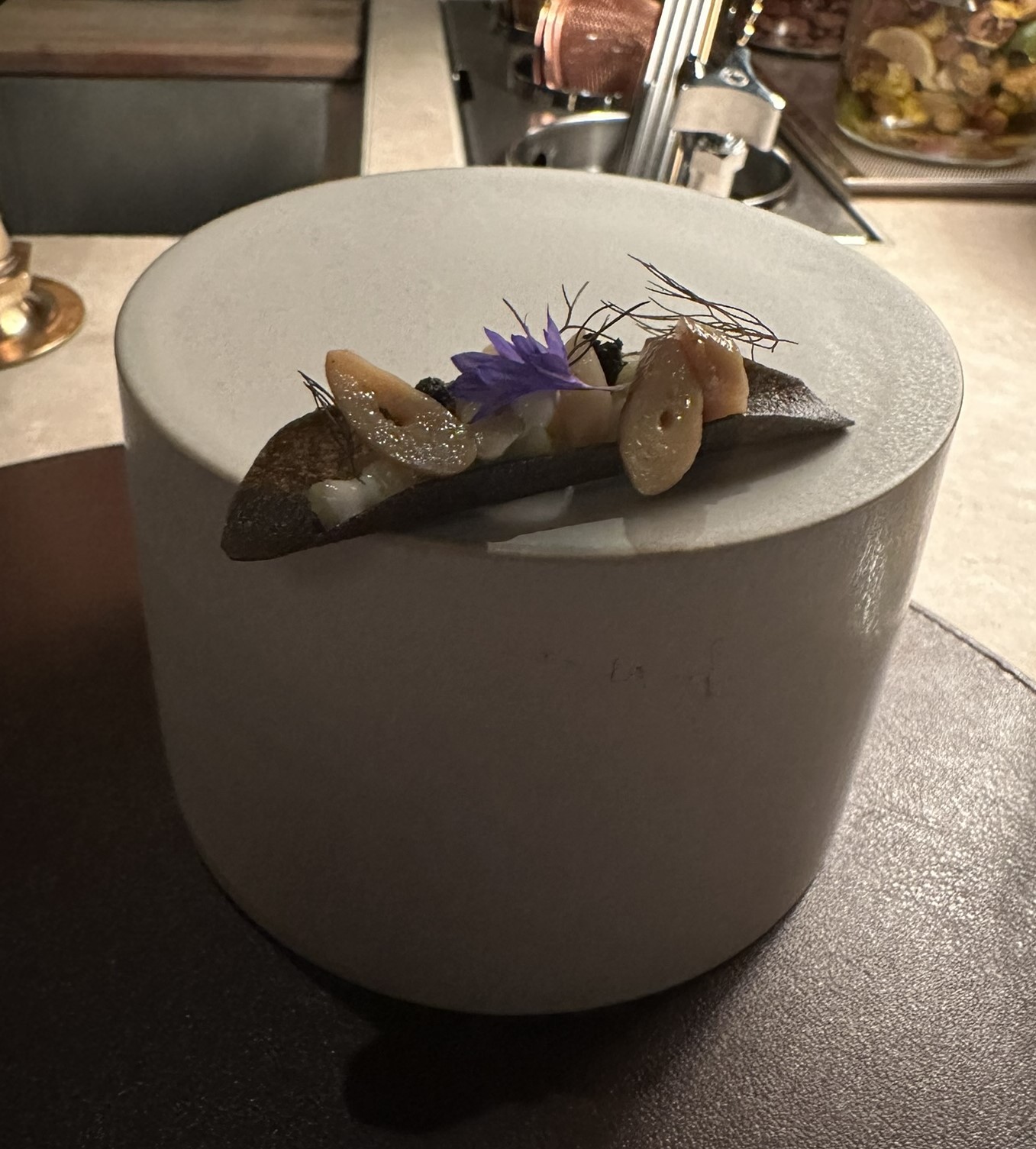
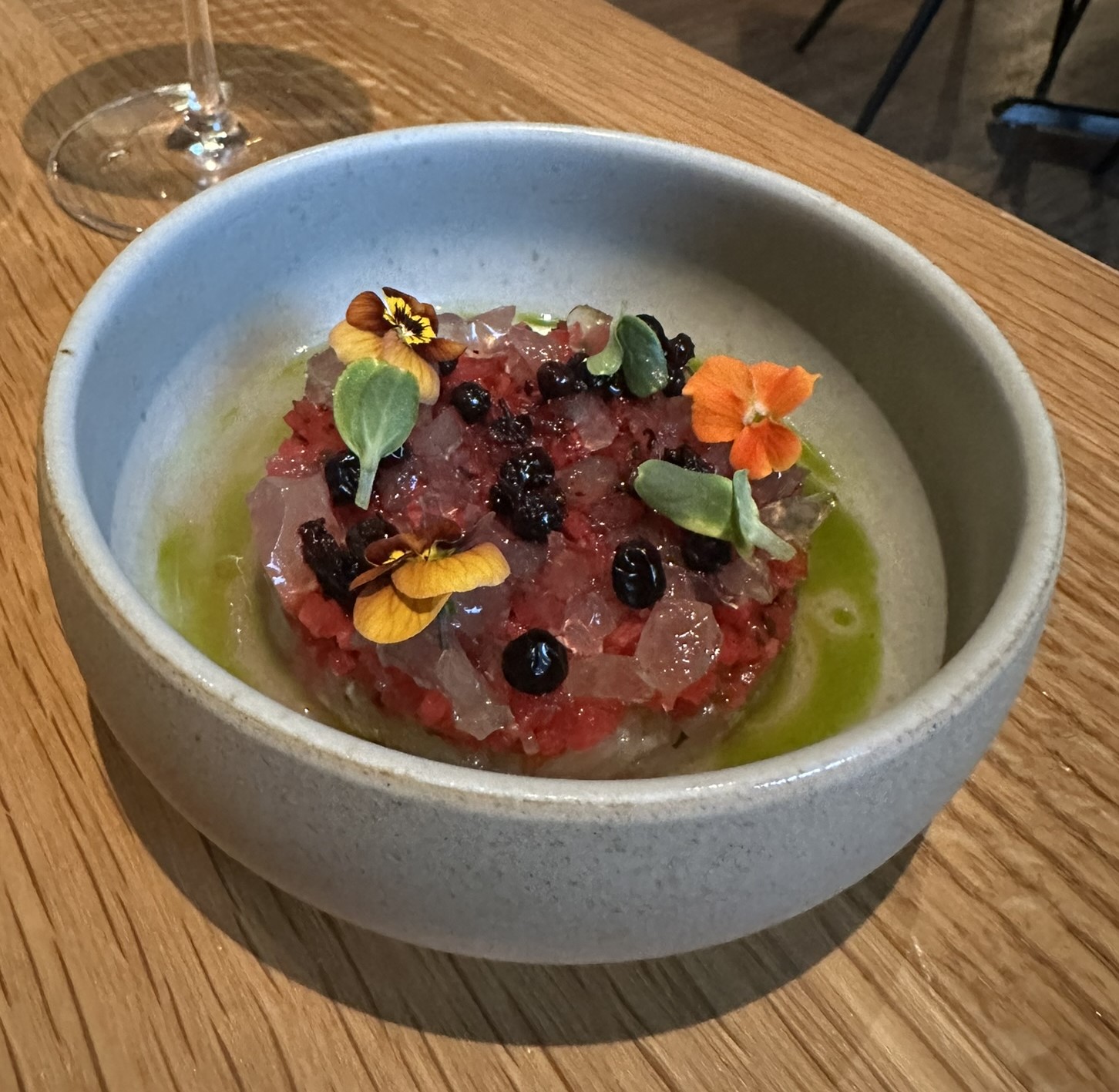
The meal began with two small snacks. The venison tartare horseradish cream was excellent — bright, citrusy, and balanced with just enough horseradish to provide bitterness and spice without overpowering the tartare itself. The potato crumble added a welcome crunch. Meanwhile, the tuna and celery was refreshing and clean with vibrant acidity.

Tasting Menu:

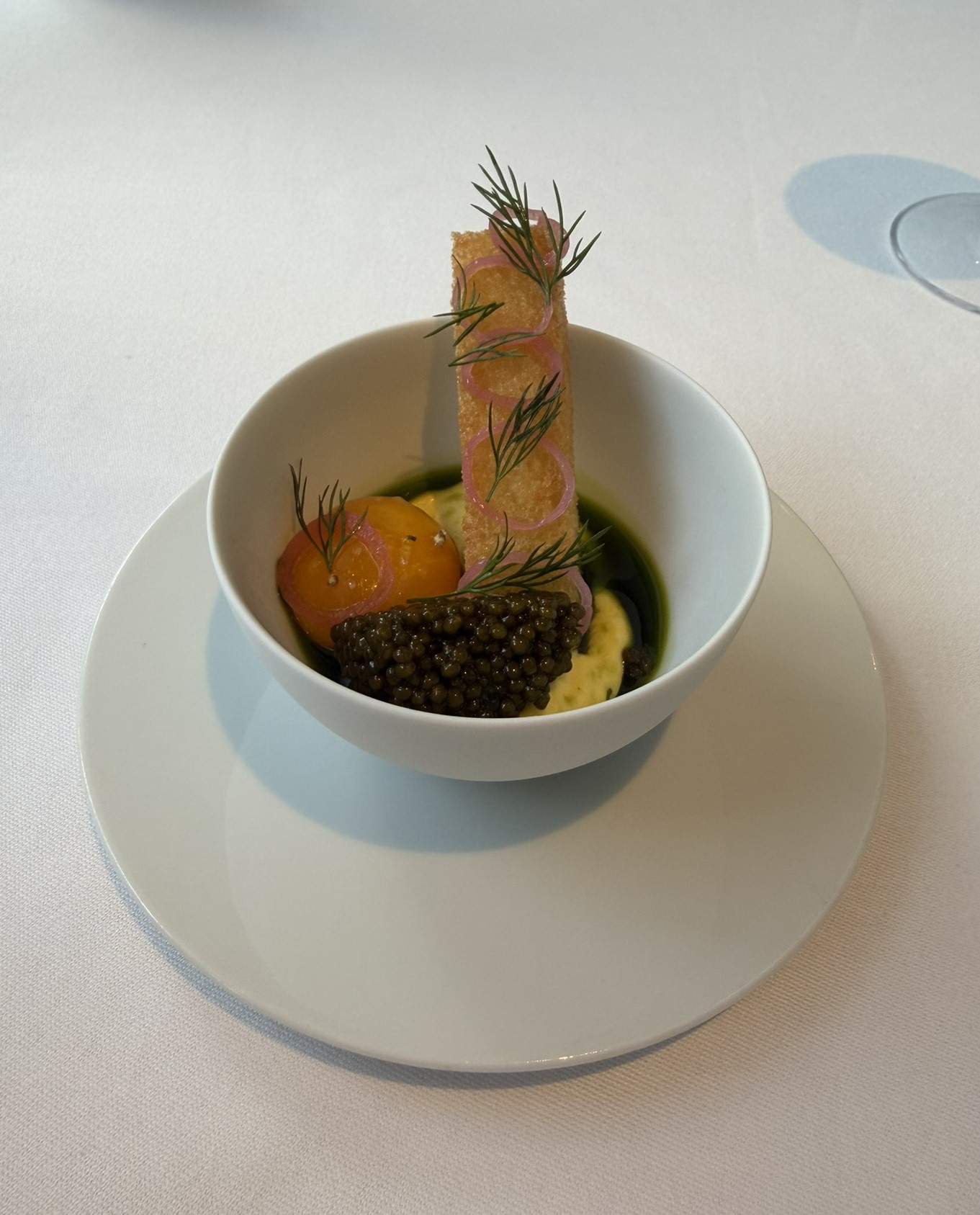
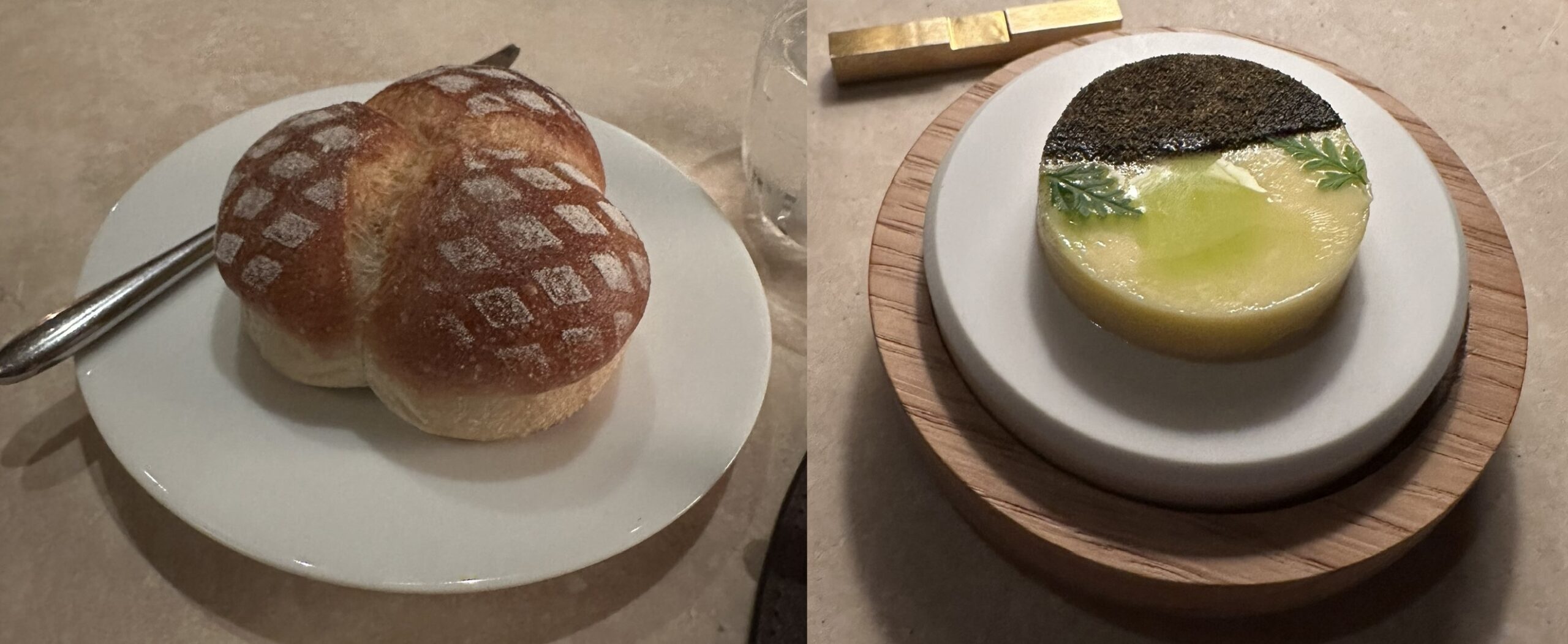
Next came The Modern’s signature dish and undoubtedly its most famous creation: Eggs on Eggs on Eggs. This course, normally a $75 supplement on the prix fixe menu, is included in the tasting menu. The dish combines egg yolk, egg custard, and generous amounts of caviar into one deeply indulgent bite. When mixed together, it becomes extraordinarily decadent and luxurious. It is one of those dishes that fully lives up to its reputation. Served alongside warm brioche toast, which acted as the perfect vessel for scooping every last bit, the restaurant thoughtfully provided an extra piece of toast that was equally delicious on its own.

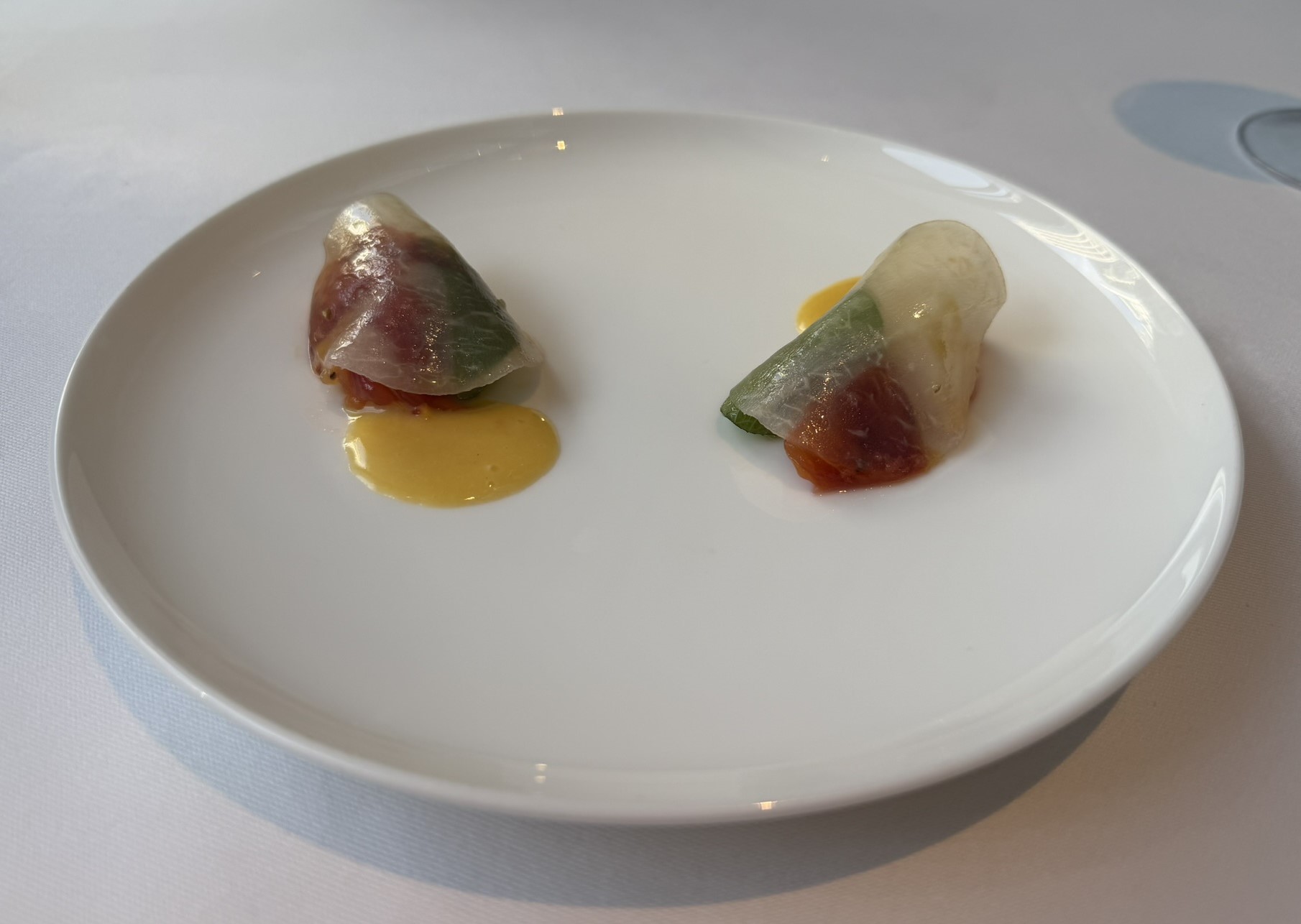
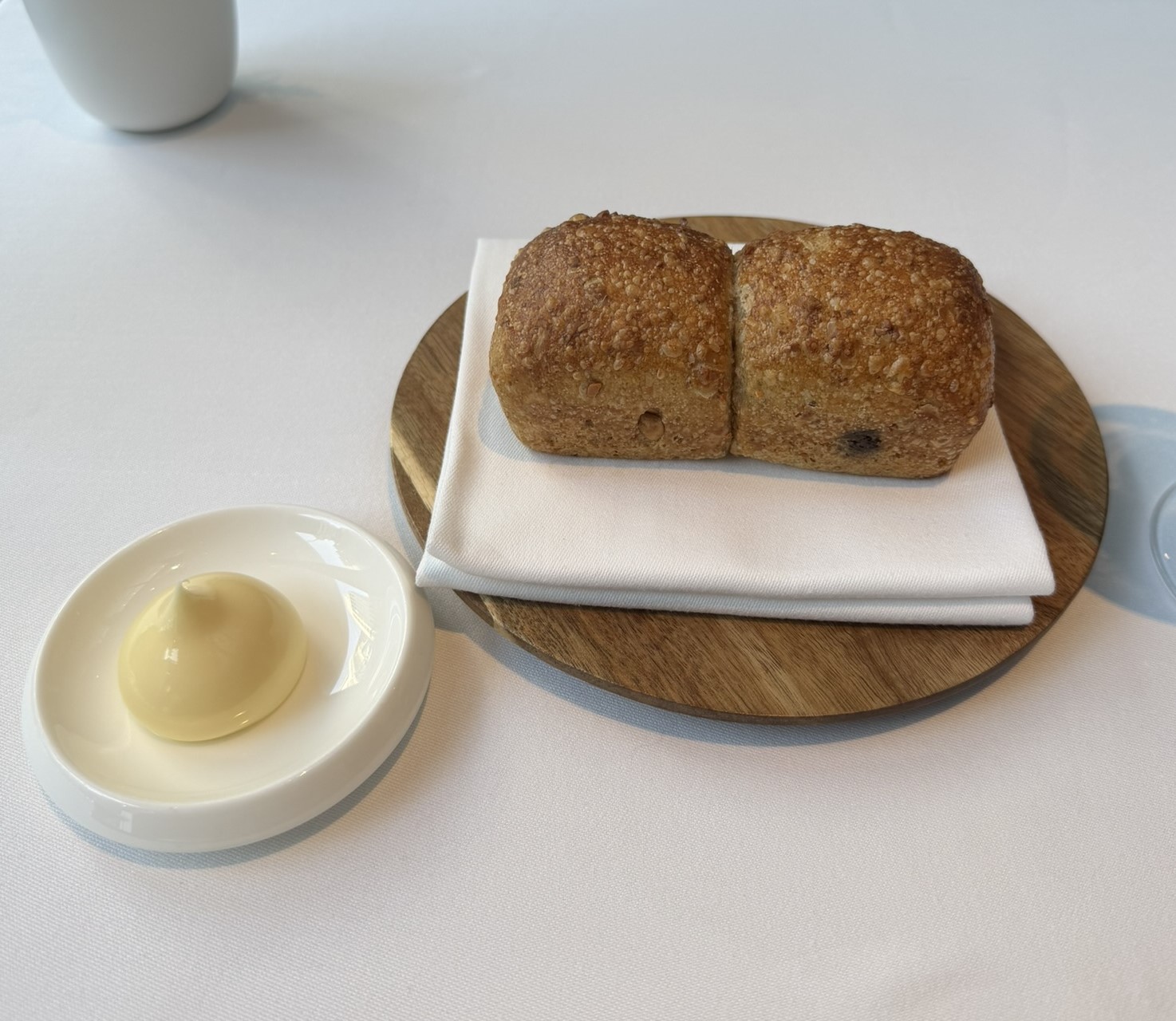
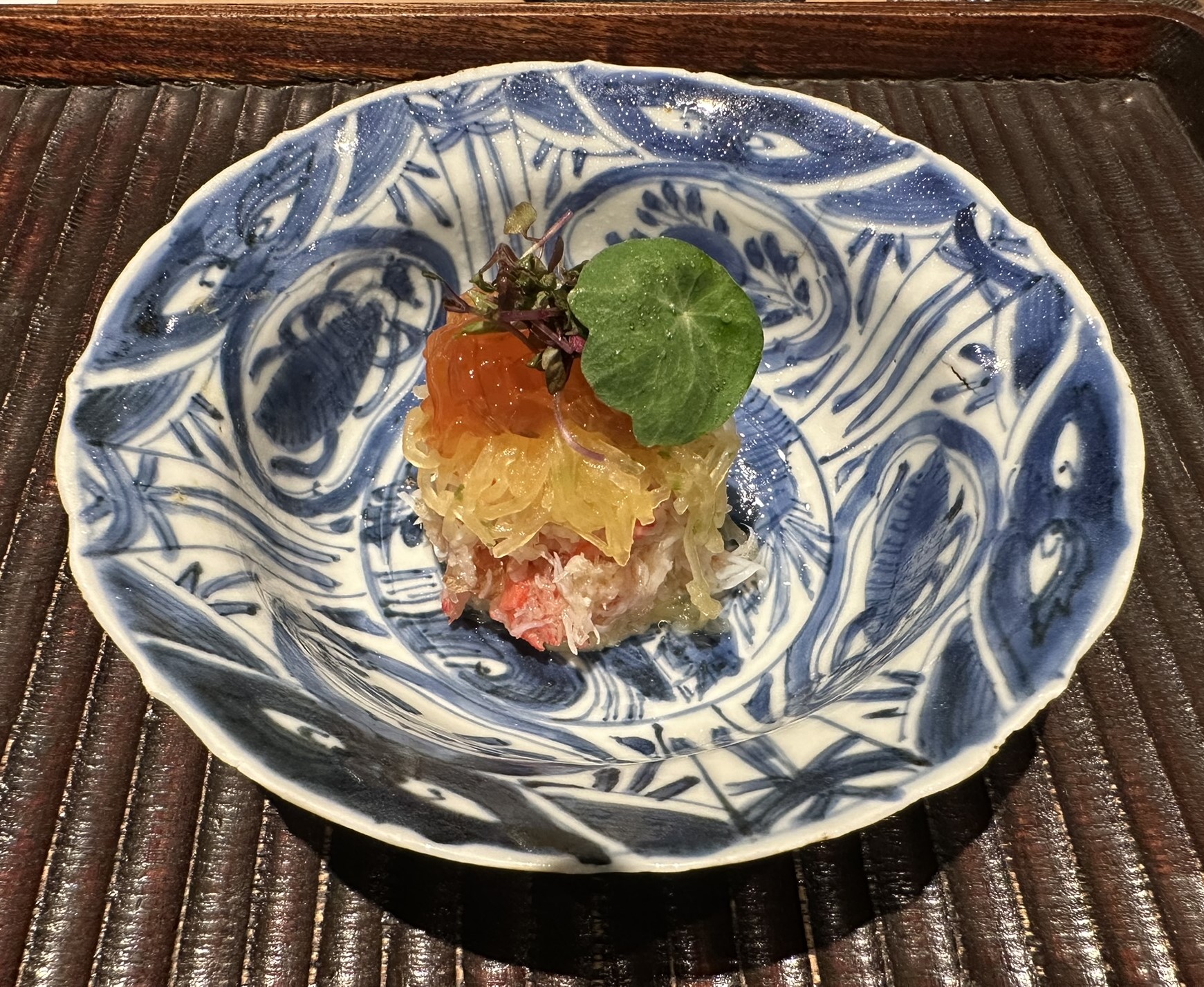
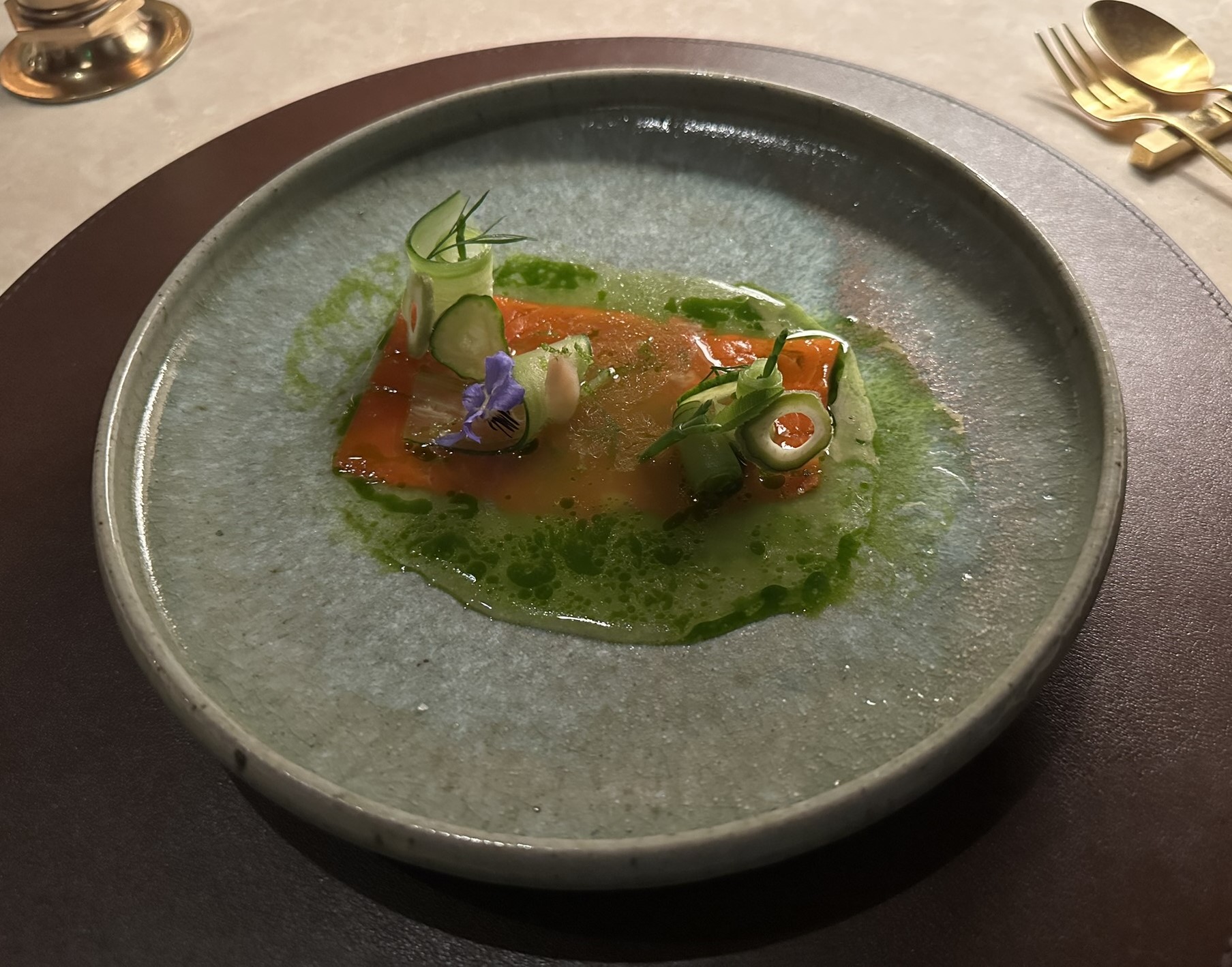
The Chilled lobster, shiso and green radish followed. The lobster itself was cooked beautifully — firm yet tender — while the paper-thin radish slices added a subtle peppery spice. The shiso vinaigrette brought brightness and citrusy freshness that tied the dish together elegantly. The bread course consisted of Pumpkin seed sourdough and cultured butter. Freshly baked, the bread had a perfectly crackling crust while maintaining a warm and airy interior.

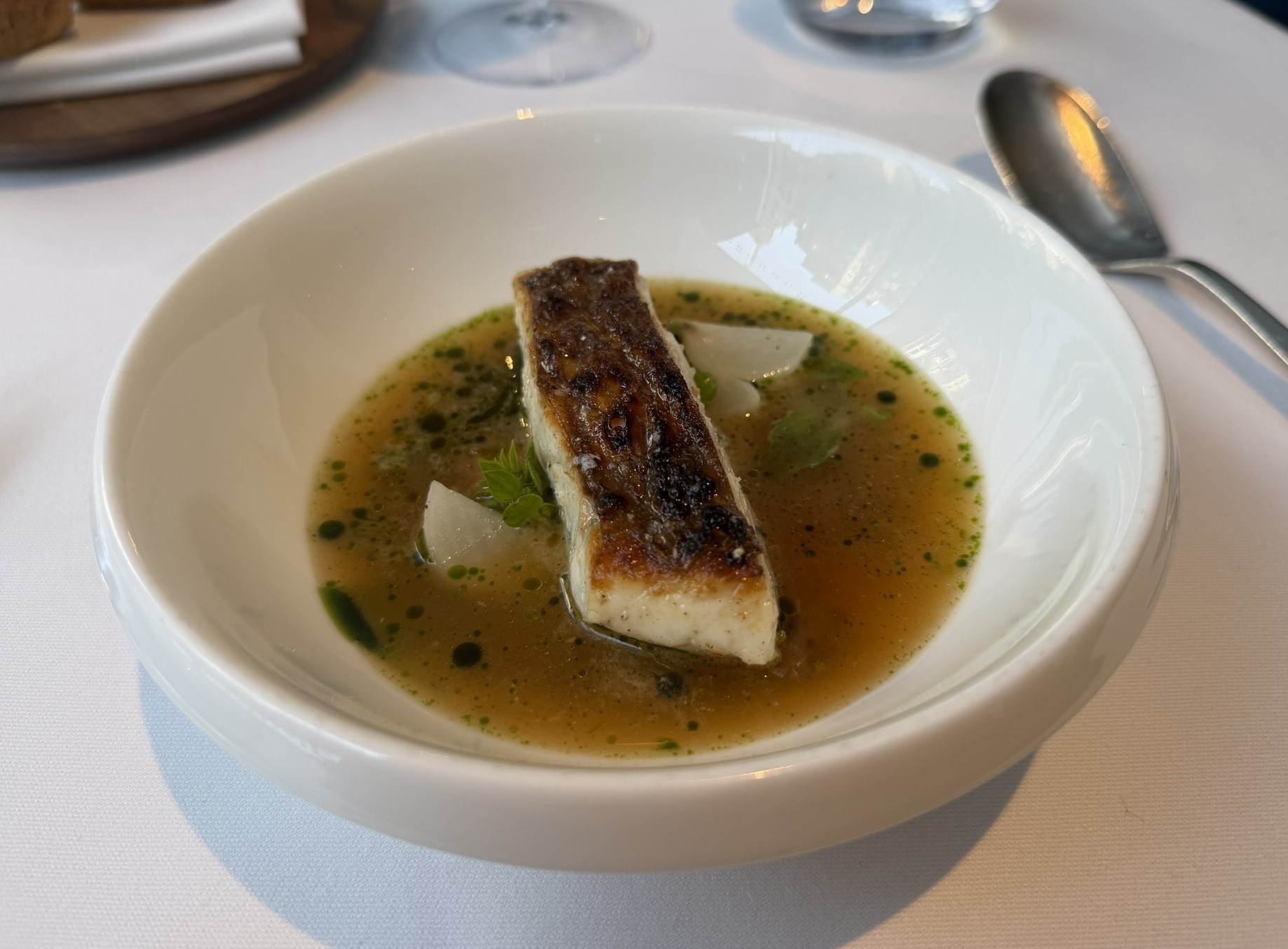
The Grilled madai with crosnes and shishito peppers showcased precise execution. The fish featured beautifully crisp skin with light charred notes while remaining moist and delicate underneath. The accompanying sauce carried a pleasant acidity that complemented the fish. Peas added freshness while the potato and garlic elements grounded the dish.

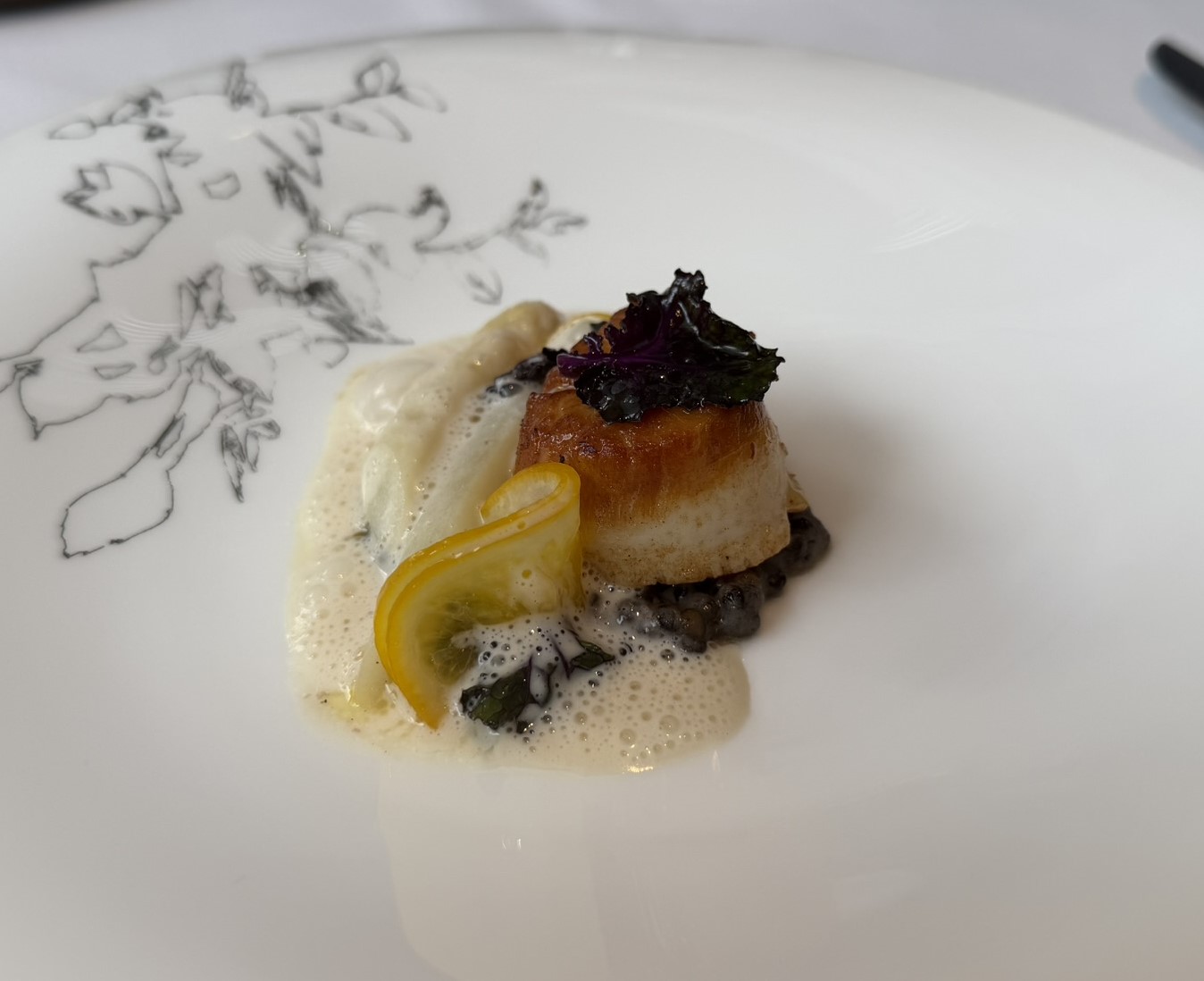
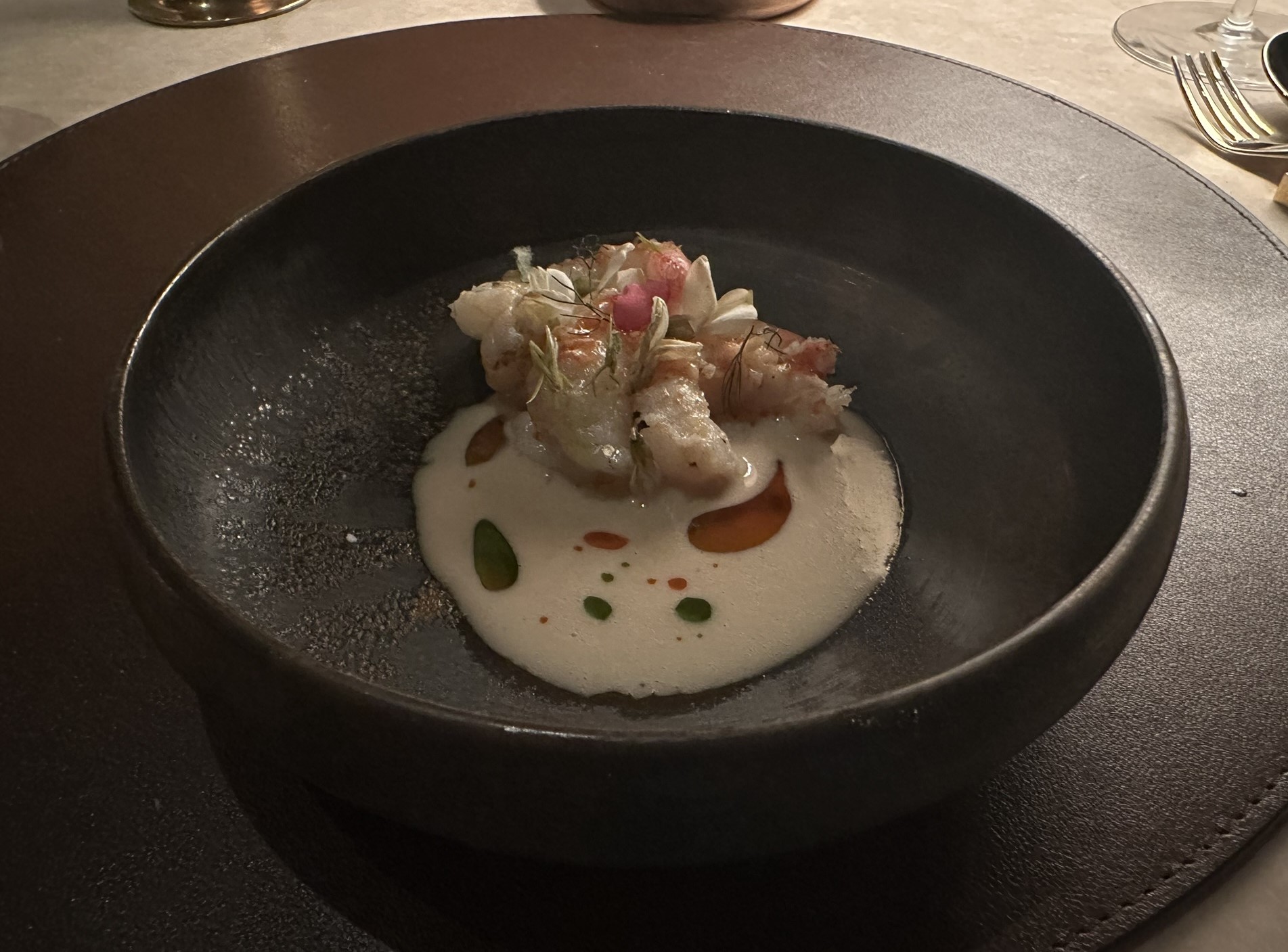
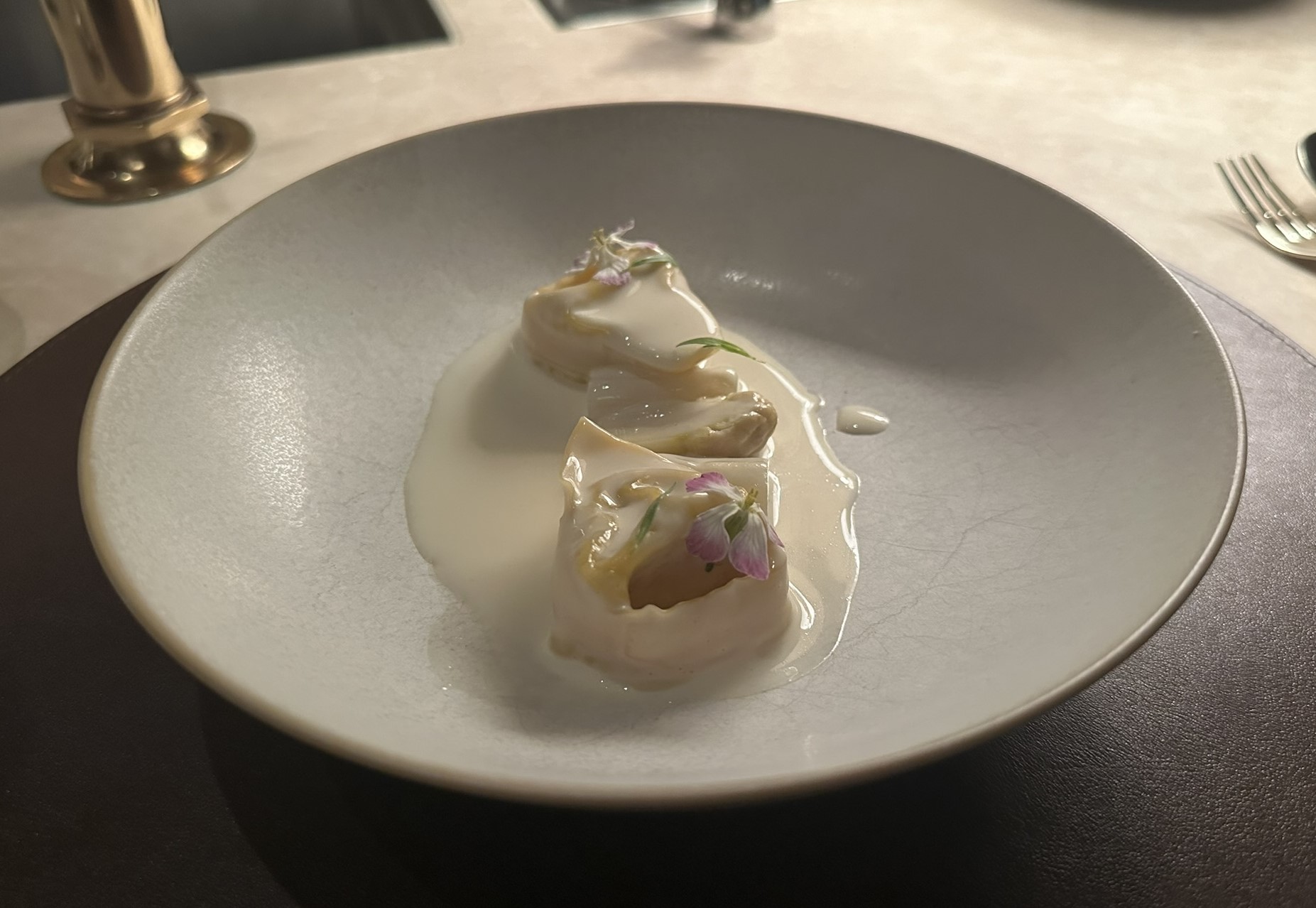
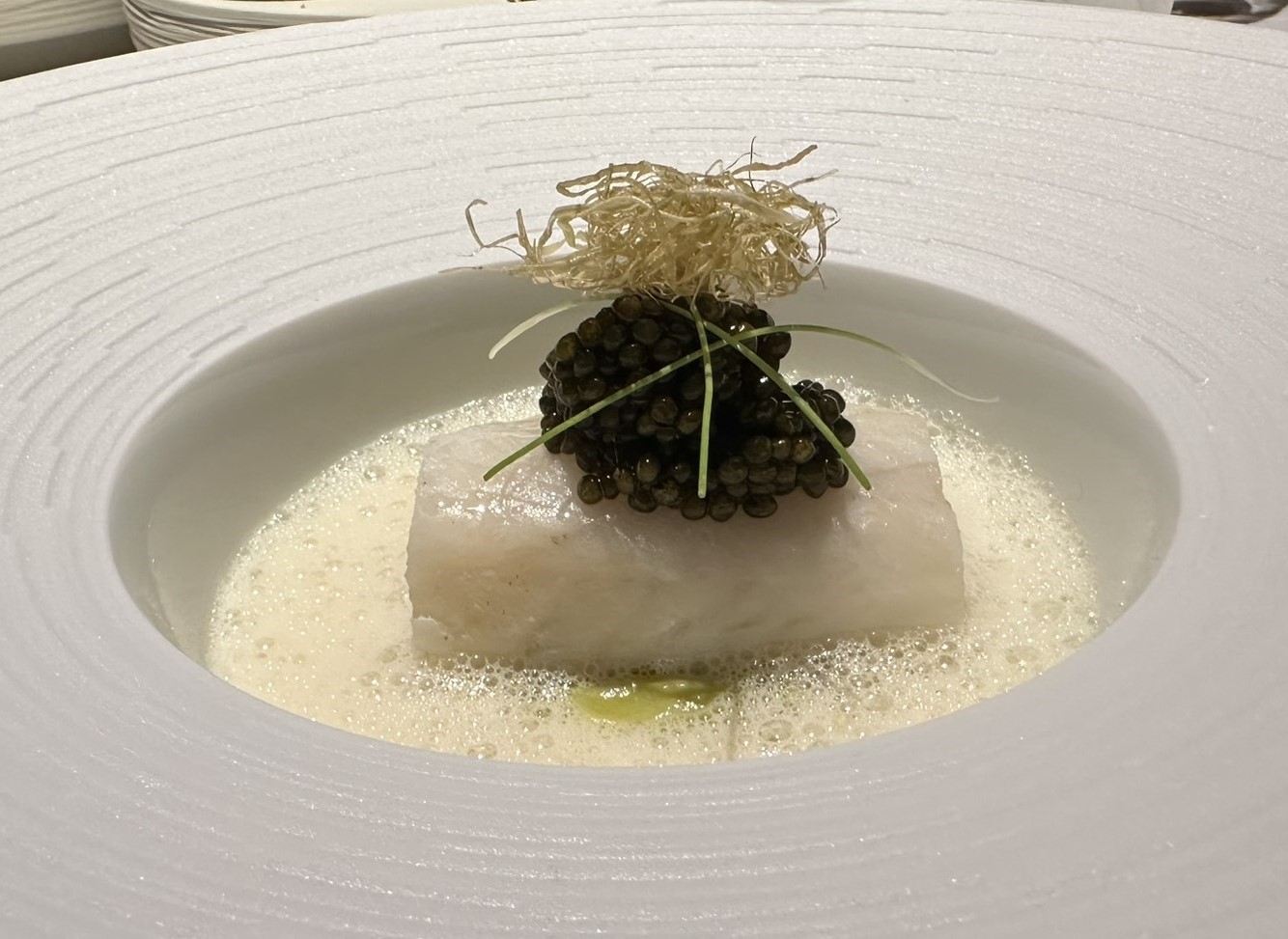
Another standout was the Seared scallops, white asparagus and beluga lentils. The scallops were prepared wonderfully with a delicate sweetness and mild oceanic brininess. The roasted lentils added earthiness while the parmesan foam and clam brown butter sauce contributed another layer of richness and complexity.

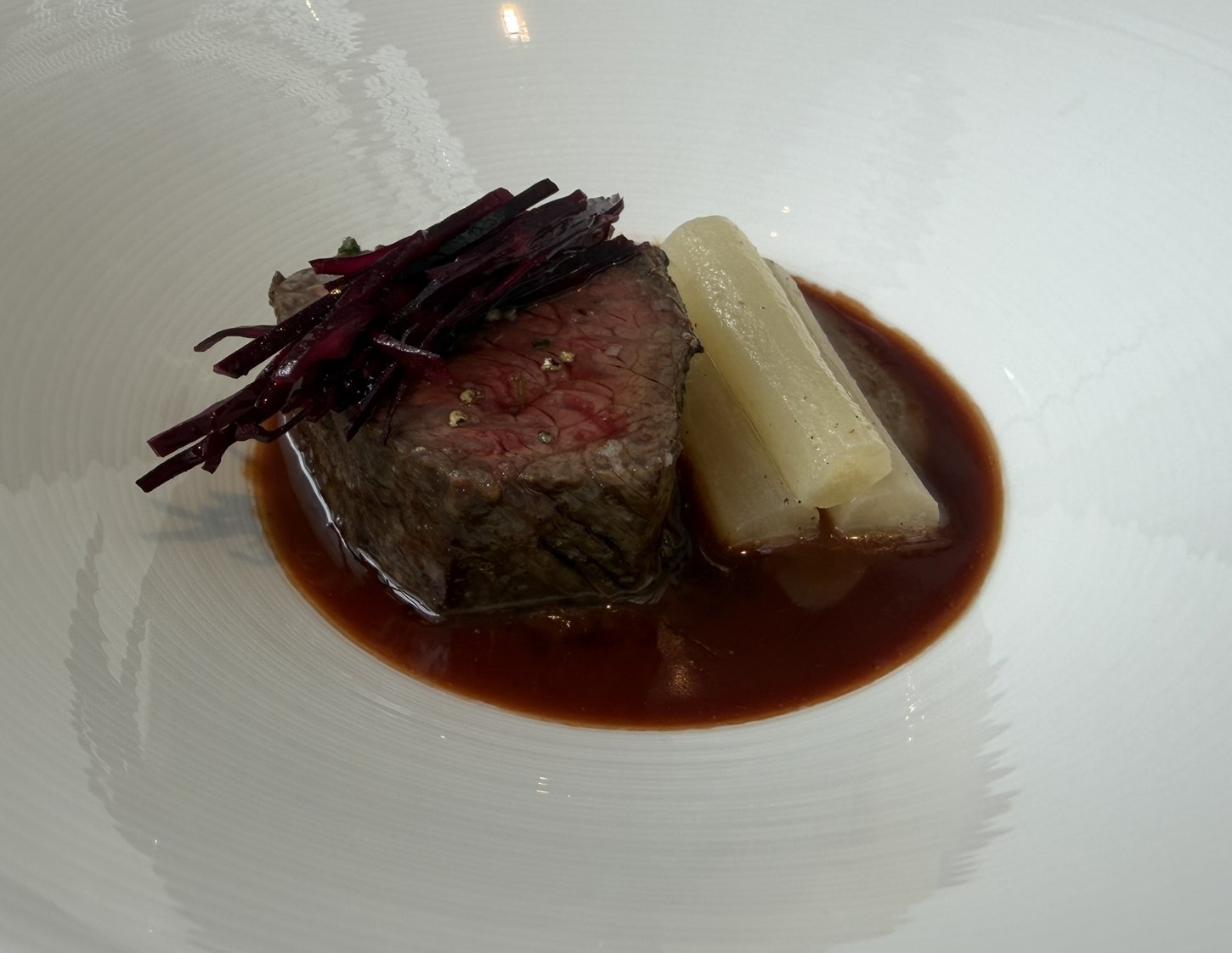
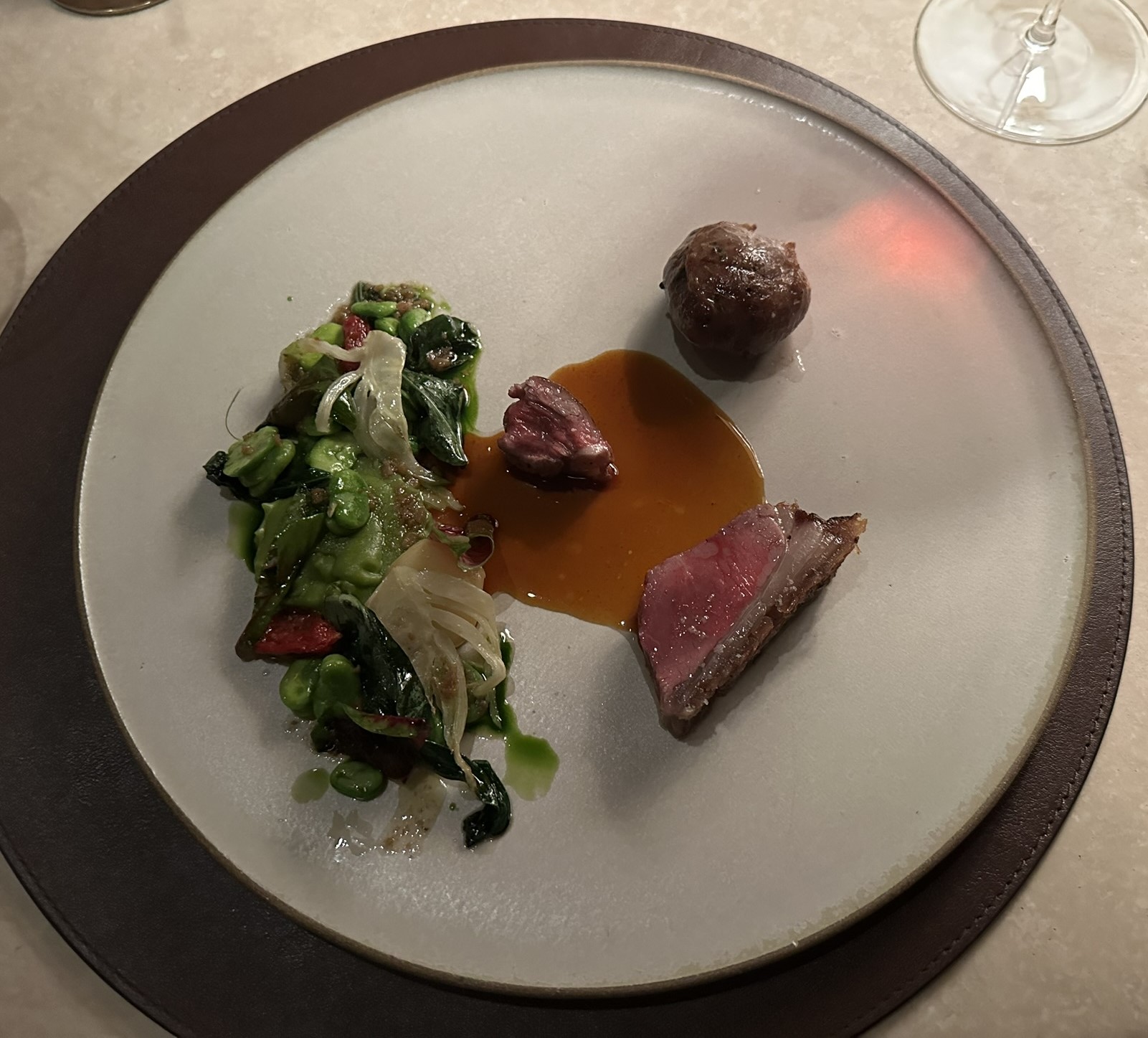
For the main course, I was served Australian wagyu beef,salsify, pickled red cabbage. The wagyu arrived perfectly medium rare with a beautiful rosy center. It was intensely flavorful and exceptionally juicy. The juniper and bacon sauce brought deep savory richness while the pickled cabbage provided enough acidity to balance the fat of the beef. The salsify, with its subtle earthiness, was an excellent accompaniment.

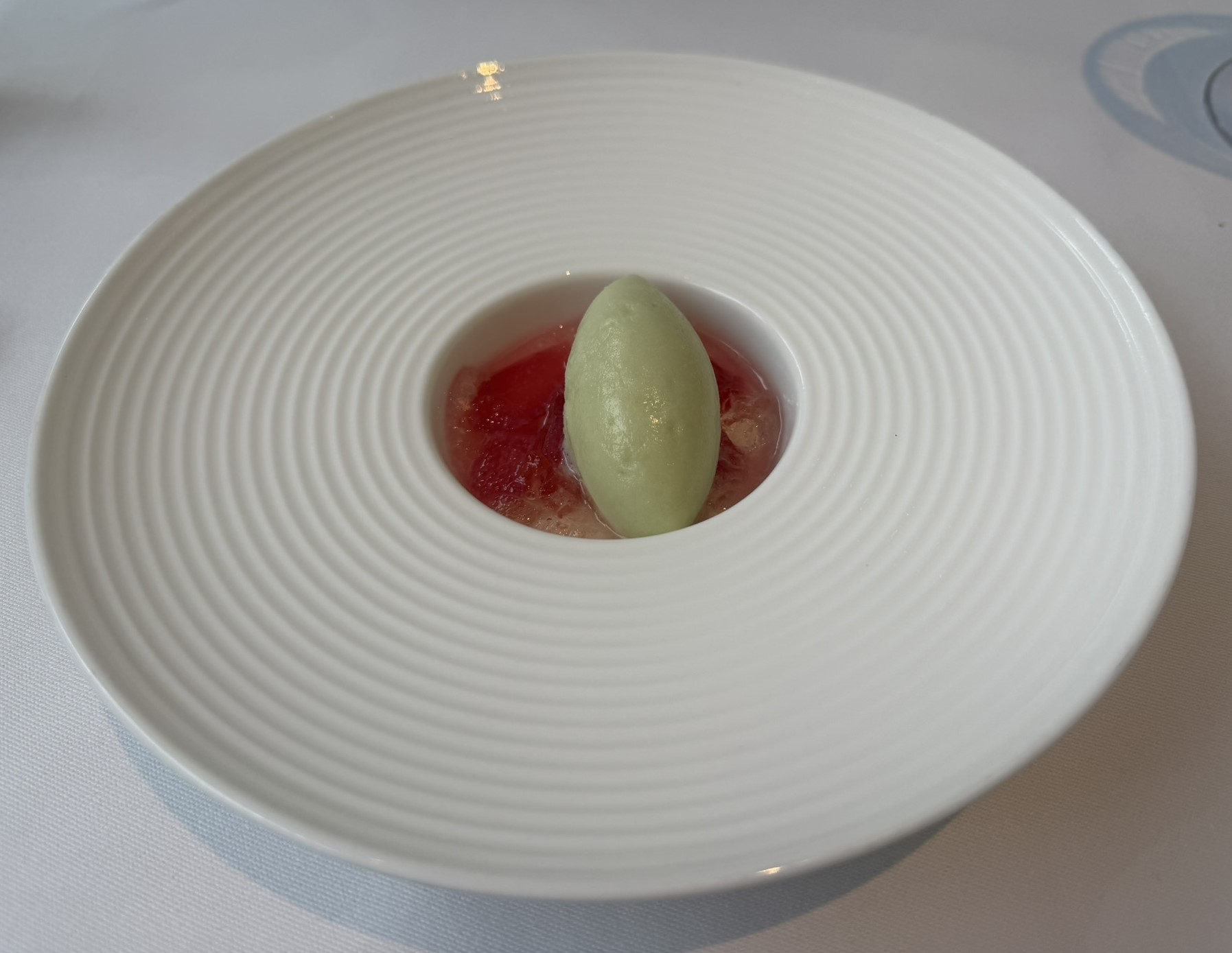
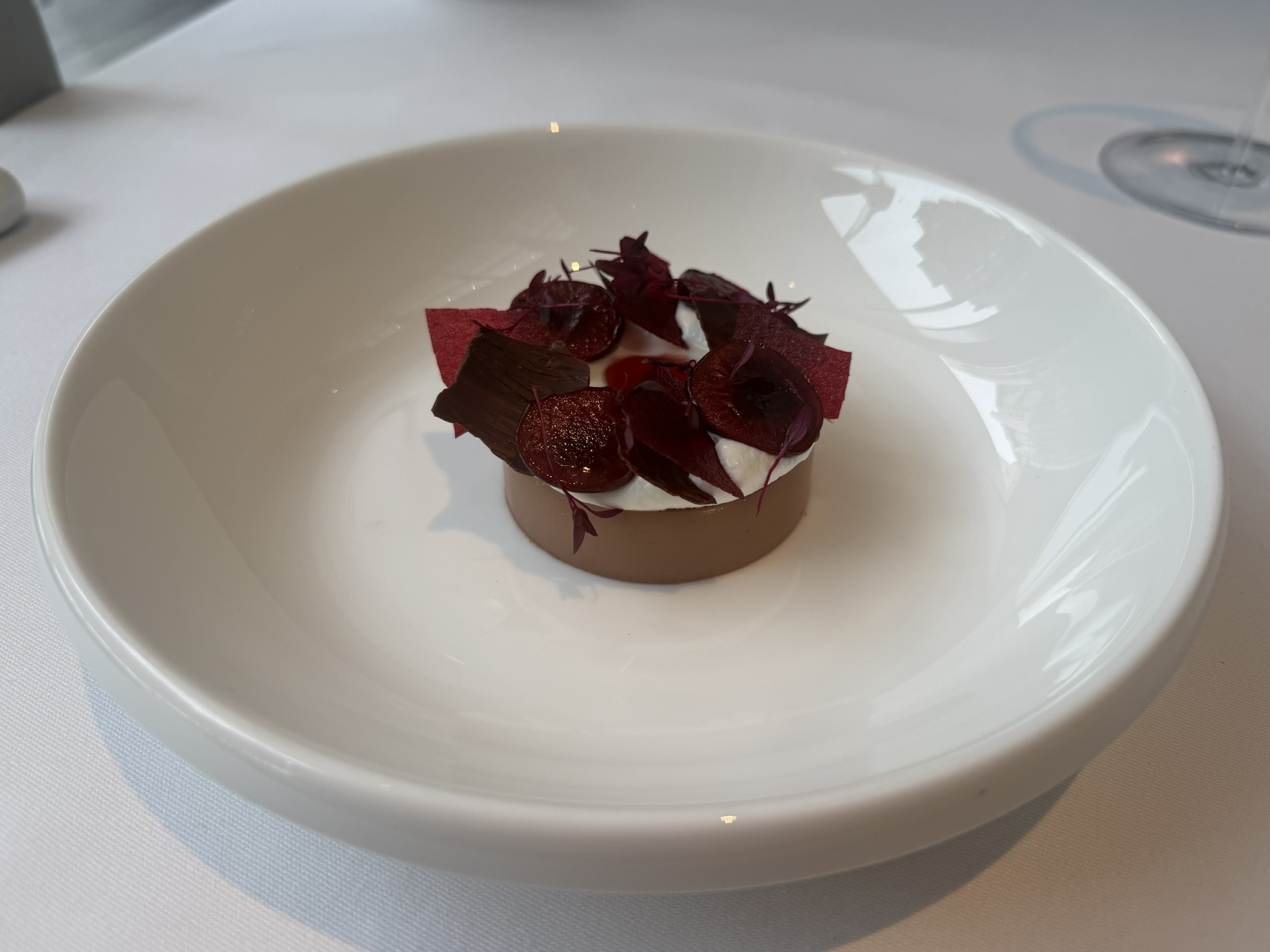
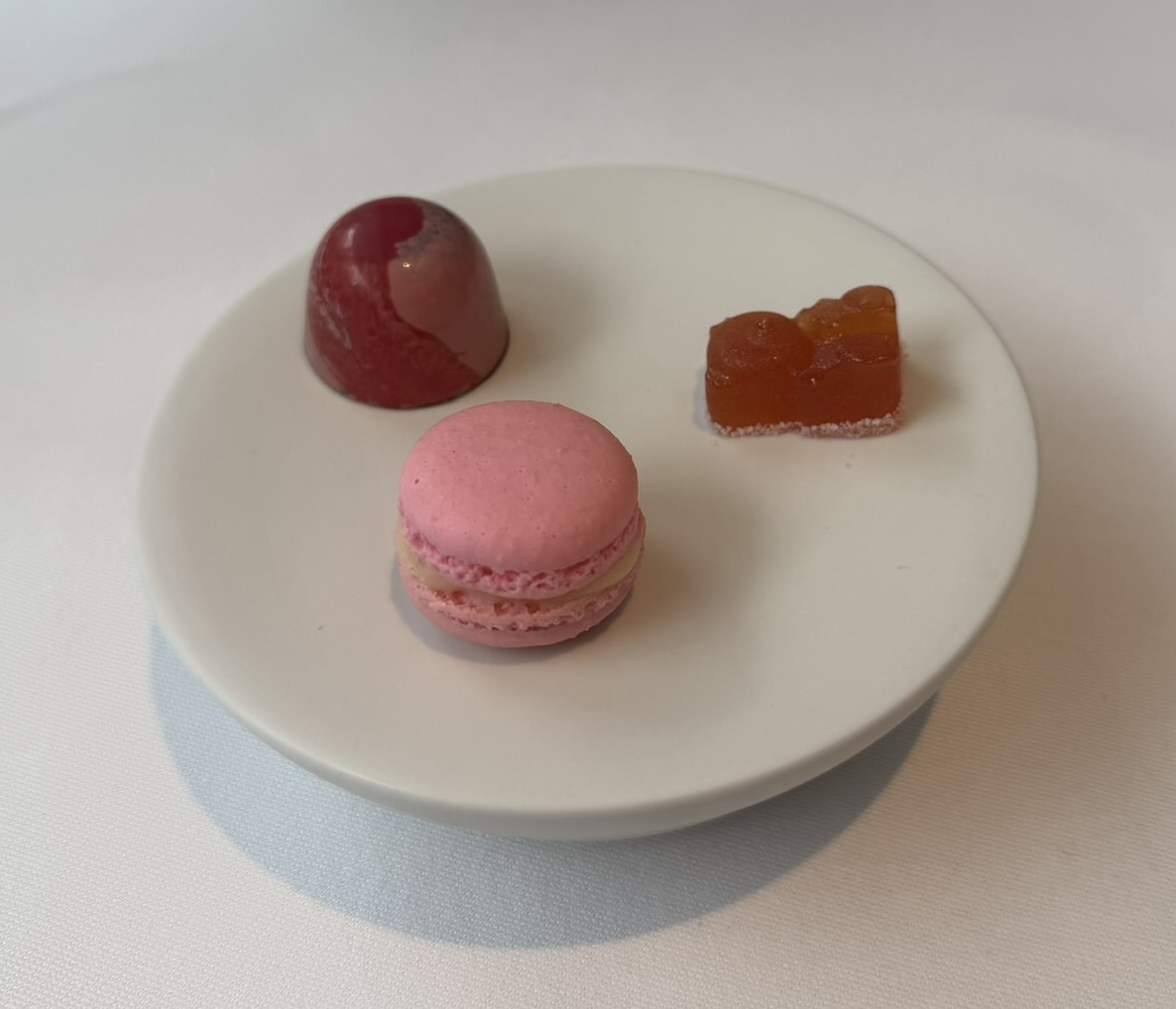
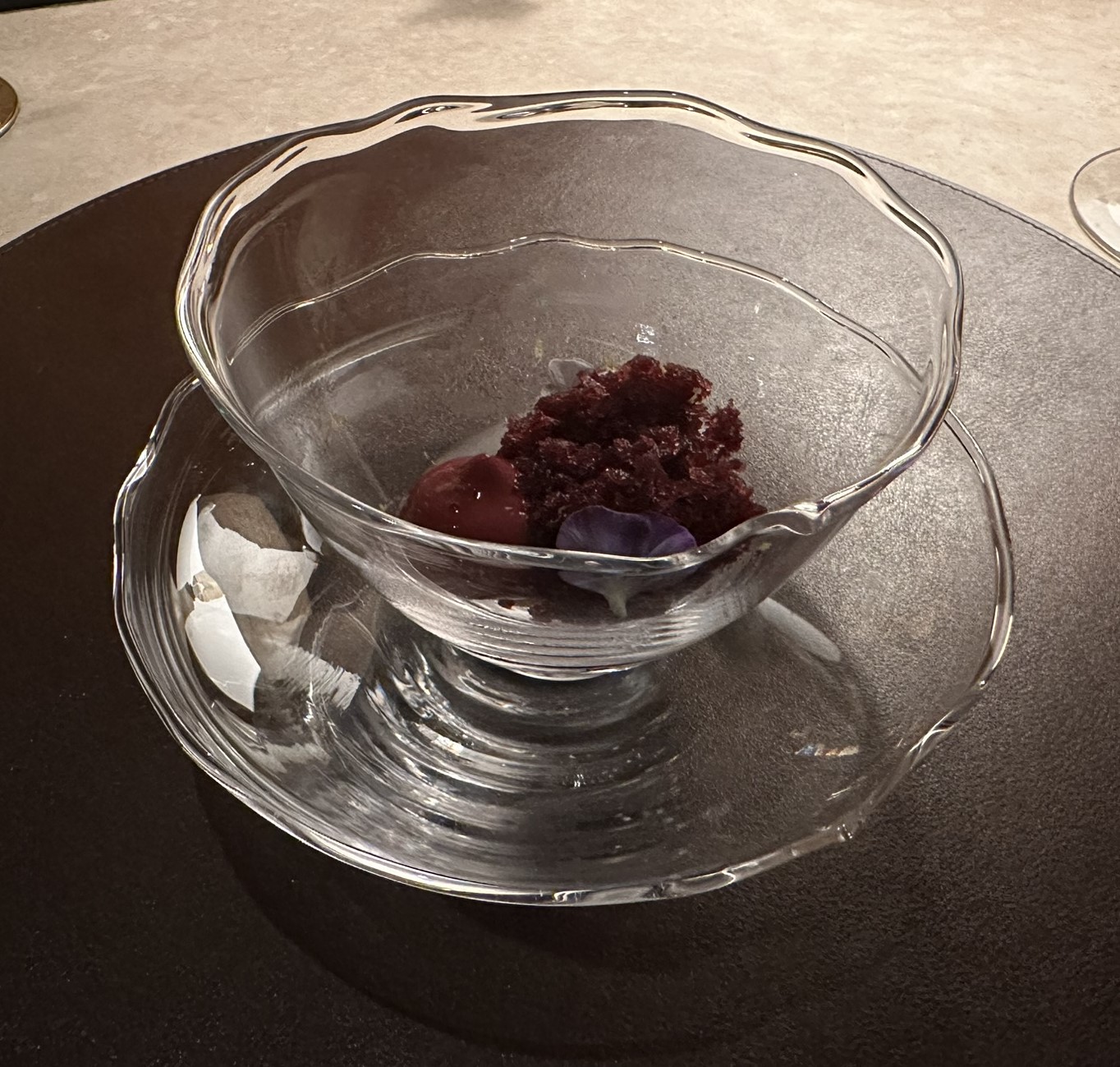
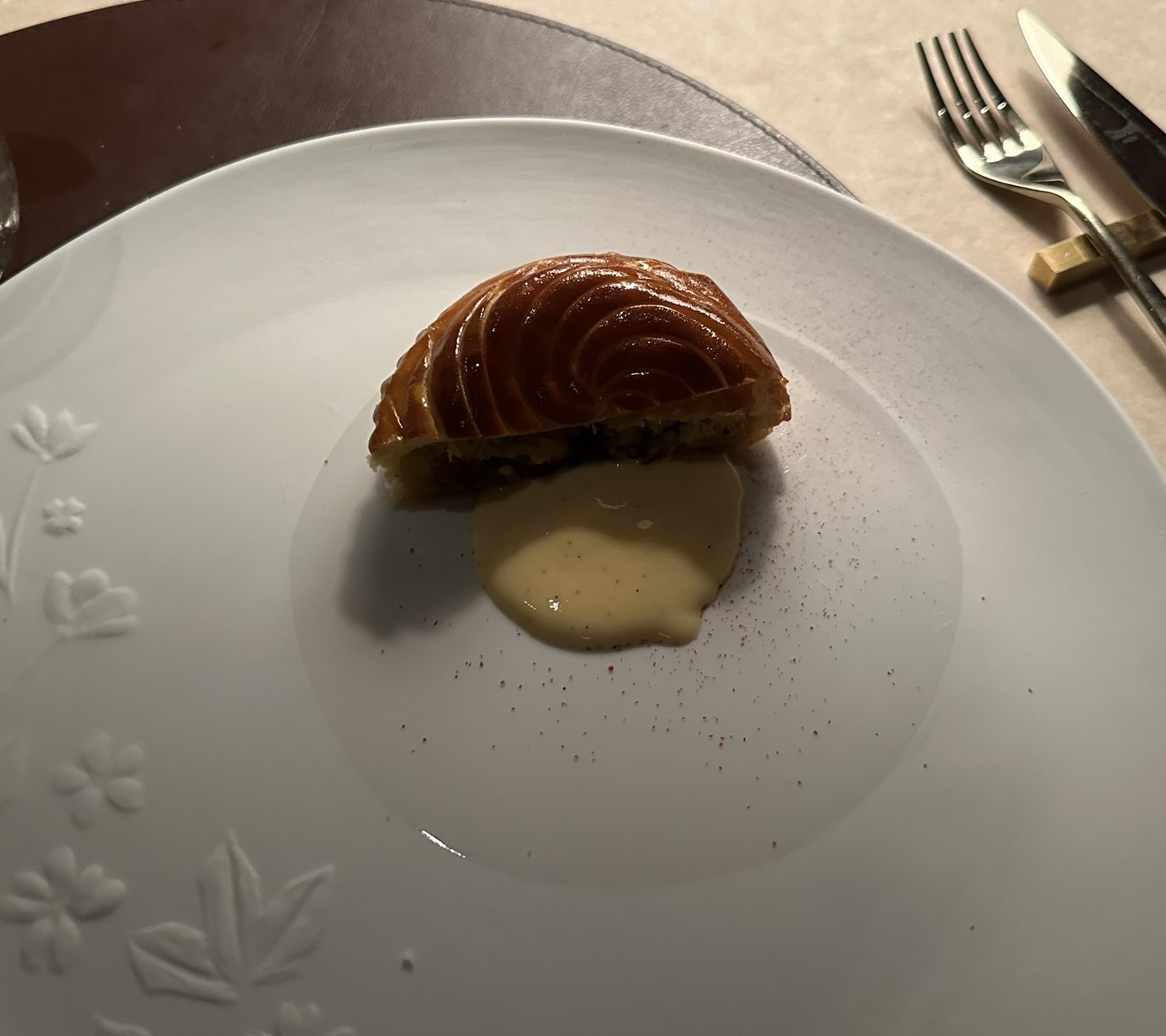
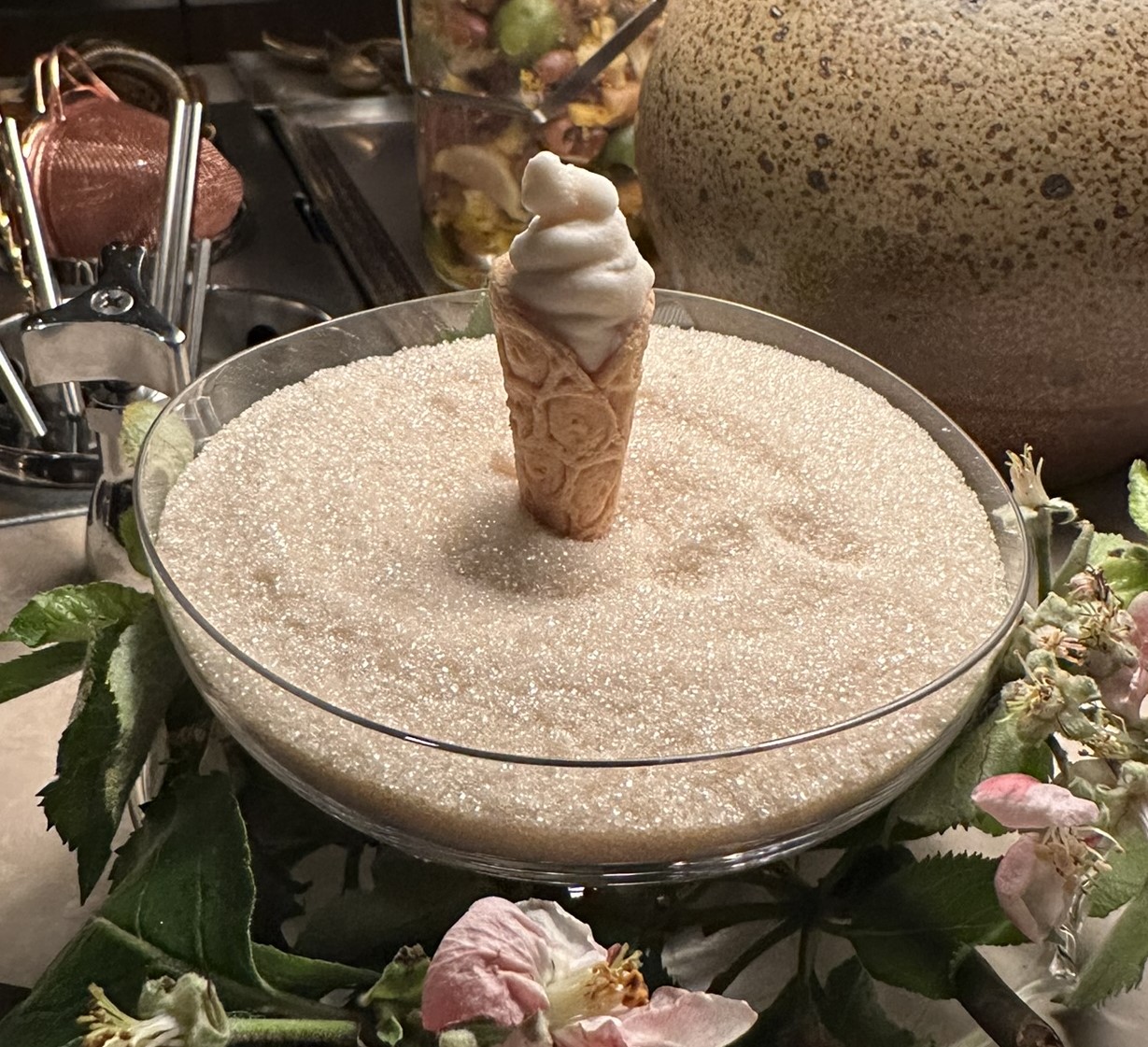
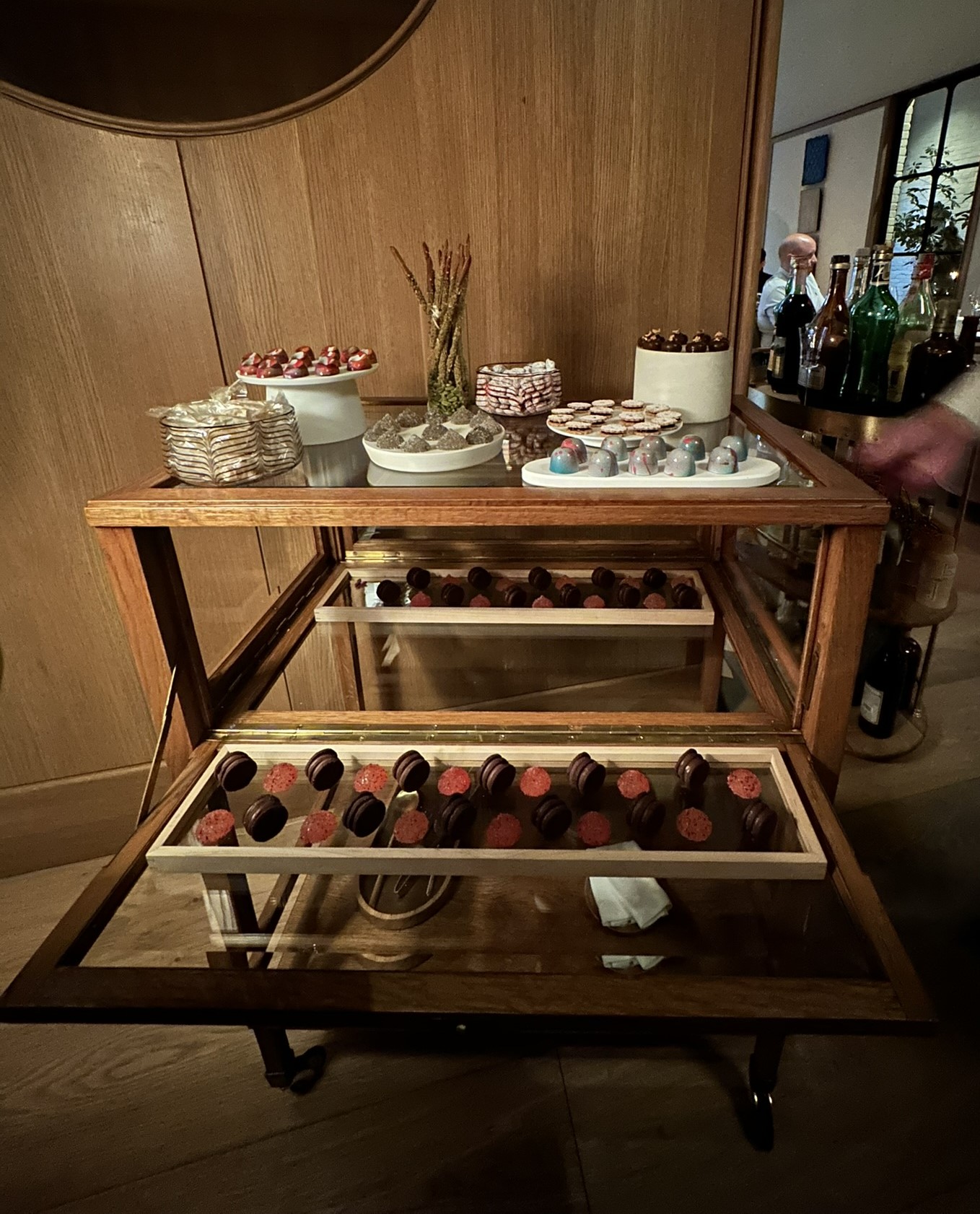
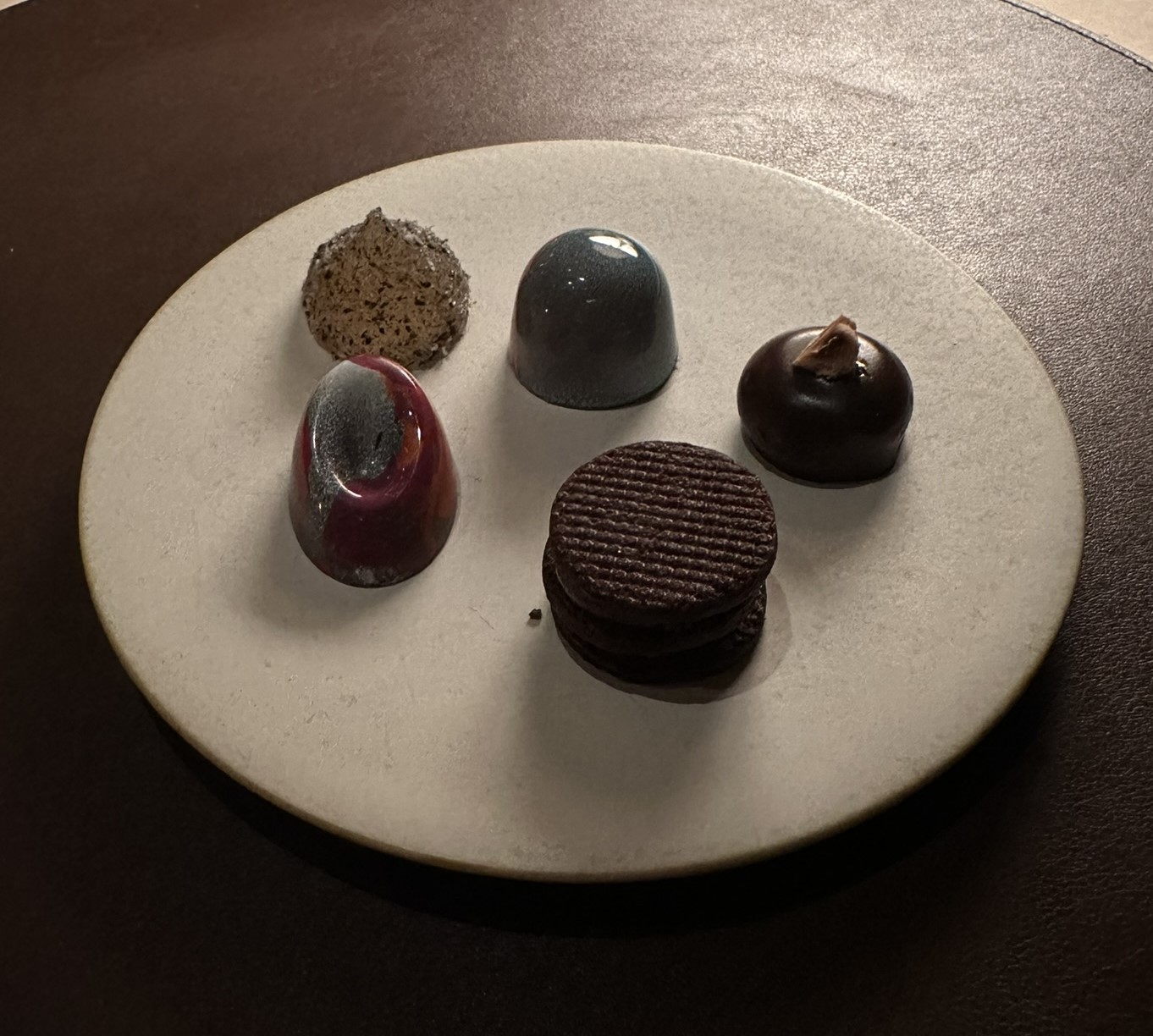
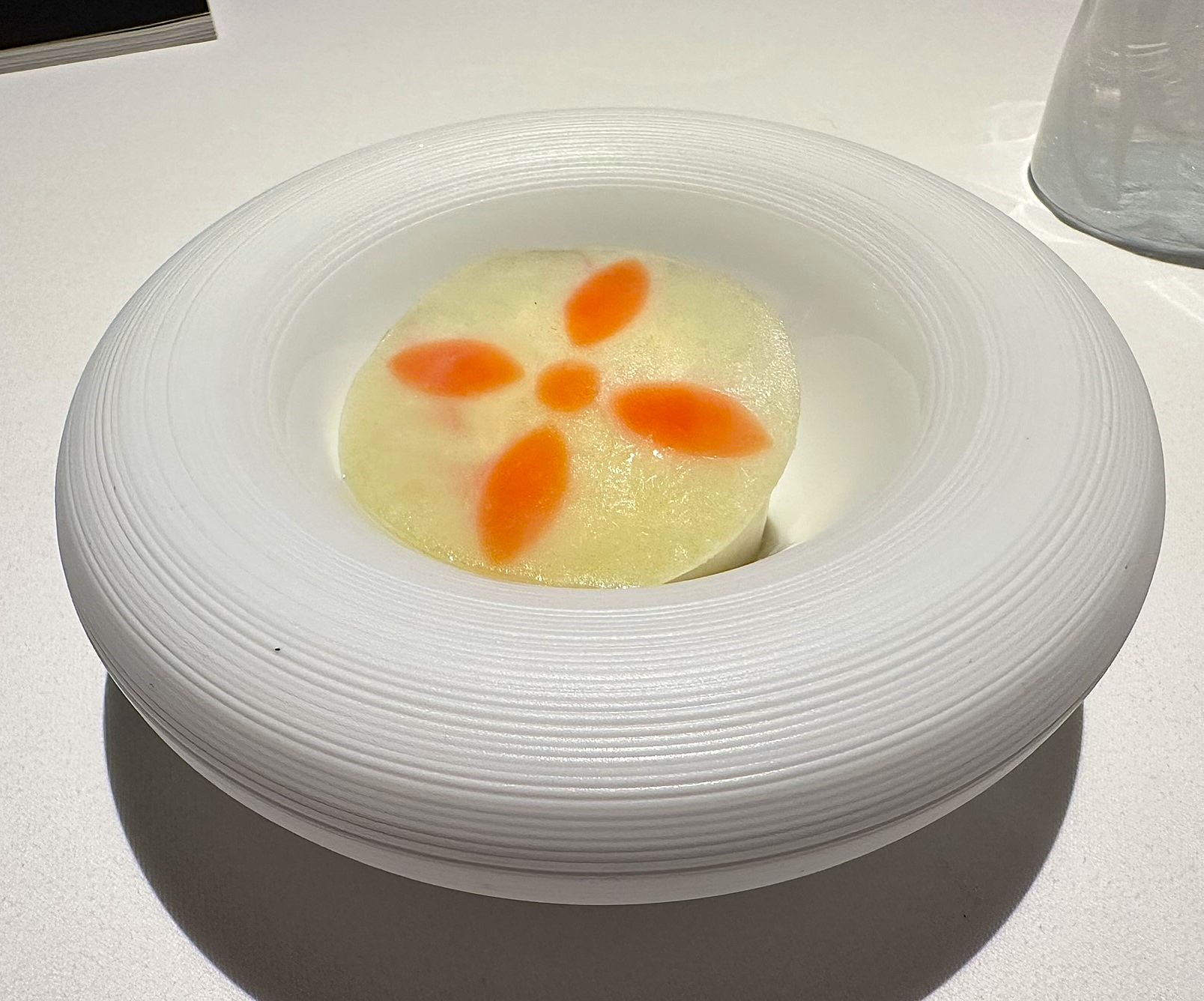
The Hibiscus, coconut, and tarragon palate cleanser was simple yet refreshing. Its chilled temperature and floral brightness acted as a soothing transition into dessert. Dessert was Dark chocolate cremeux, black cherries and almond. The silky chocolate custard paired beautifully with the tartness of the cherries and the crunch of chocolate crumble. Almond ice cream added nuttiness and balance. Afterwards, several petits fours including apricot with orange blossom, guava mandarin, and strawberry bites ended the meal on a high note.

This tasting menu was superb from beginning to end. The cooking was meticulous, technically sound, and consistently polished throughout the entire meal. Some diners may argue that the cuisine plays things safe, however I viewed it instead as disciplined and refined. Each course was thoughtfully composed with flavors that remained approachable without sacrificing sophistication. Ingredient quality was evident throughout the progression.

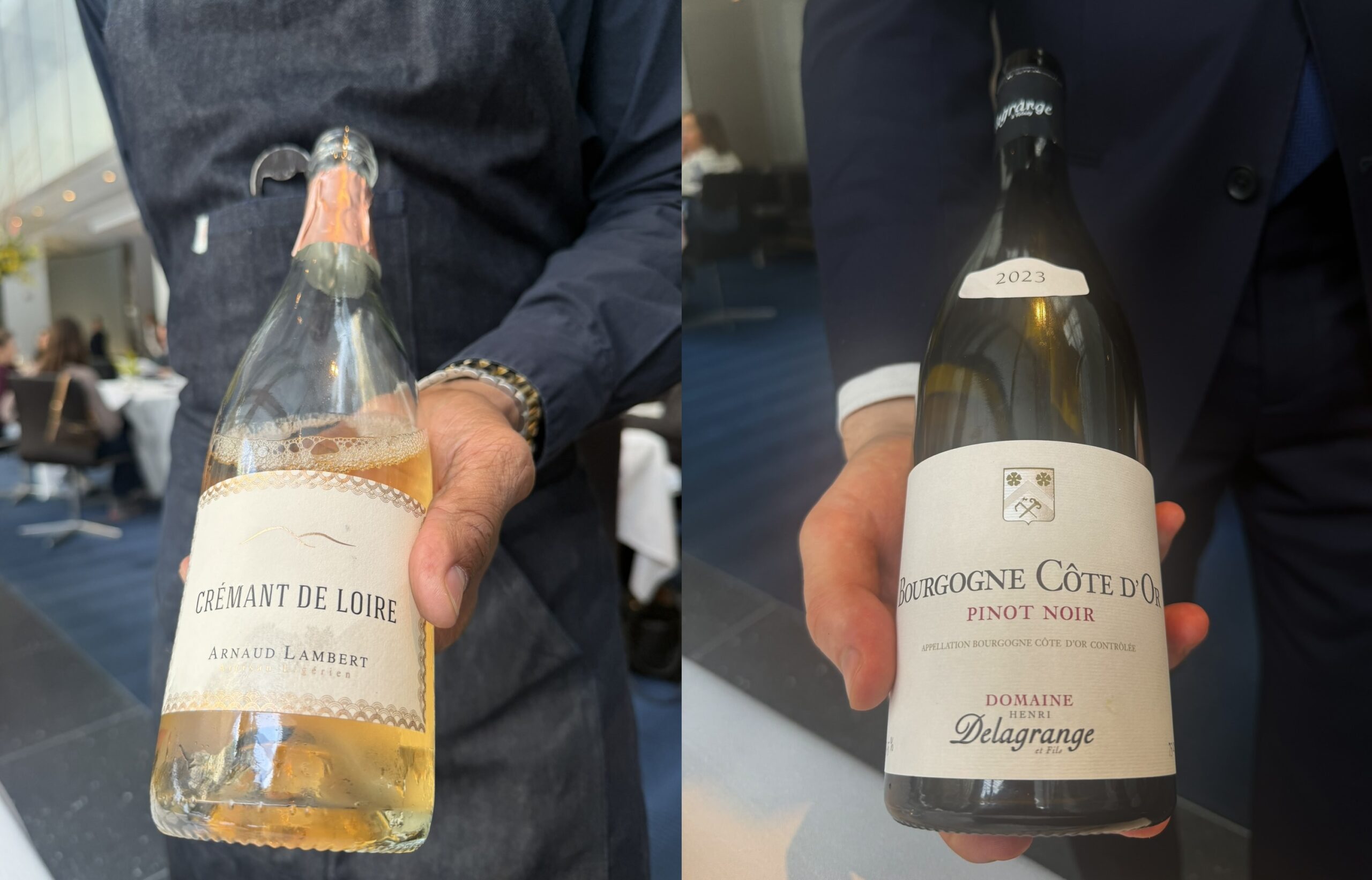
The sommelier recommended a rosé to begin the meal before transitioning into a Pinot Noir for the latter half of the tasting. Both French wines paired seamlessly with the dishes they accompanied.

Hospitality has always been one of the defining strengths of any Danny Meyer restaurant, and The Modern fully embodies that reputation. From the moment I walked in, the staff were warm, welcoming, and genuinely personable. The servers were polished, knowledgeable, and confidently explained each course while answering questions thoroughly. Despite arriving for a late lunch, there was never any sense of being rushed. The service remained attentive while still feeling relaxed and natural.

Two Michelin-starred restaurants in New York City are never inexpensive, yet The Modern remains relatively wallet-friendly compared to many of its peers. The prix fixe menus, particularly during lunch, are still accessible by fine dining standards. Including several glasses of wine, tax, and tip, my tasting menu came to just under $500 for one person. While certainly expensive, it remains more reasonable than many other two-star establishments in the city where dinner alone can easily surpass $300 before beverages.

Ever since opening, The Modern has consistently remained among New York City’s elite restaurants for more than two decades — a remarkable achievement in one of the most fiercely competitive dining scenes in the world. Over the years, many chefs who passed through its kitchen have gone on to successful careers of their own, further cementing the restaurant’s legacy and influence.

The Modern continues to thrive, and after this visit, I do not see that momentum slowing anytime soon. Its future remains incredibly bright, and the restaurant appears poised to remain a New York dining institution for many more decades to come.

Estela *

Estela
47 E Houston St 1st floor
New York, NY 10012
(212) 219-7693
Official Site

Bistronomy is a term coined in the early 2000s by French food critic Sébastien Demorand—a fusion of “bistro” and “gastronomy,” describing high-quality, creative cooking served in a more relaxed, casual setting. In essence, it delivers fine dining caliber food without the formalities traditionally attached to it. In New York City, one of the most notable examples of this movement is the one-Michelin-starred Estela in NoHo.
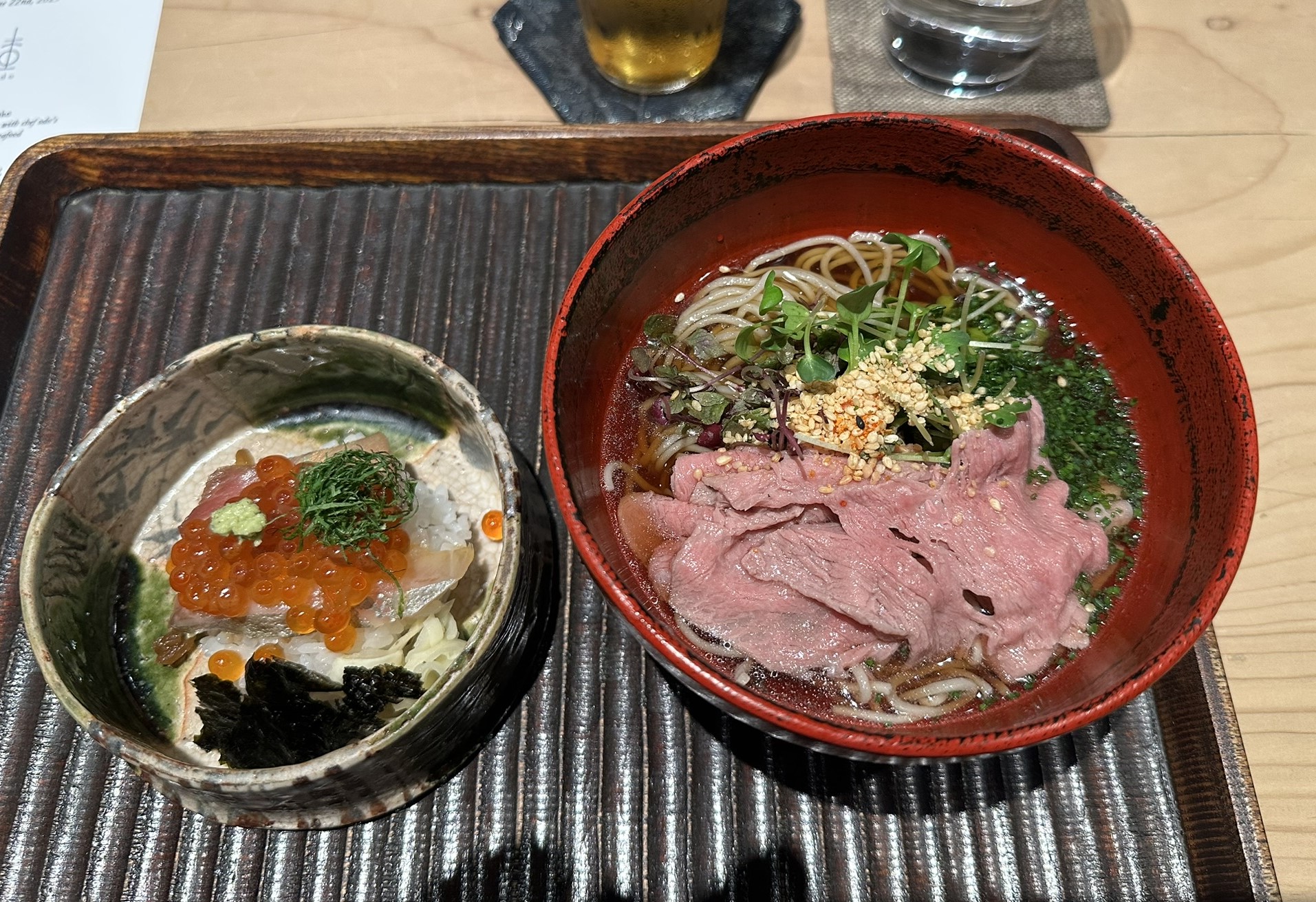
Opened in 2013 by Uruguayan-born chef Ignacio Mattos, Estela quickly became a critical darling, earning a two-star review from The New York Times and securing its Michelin star in 2019, which it has maintained ever since. Before striking out on his own, Chef Mattos trained at Chez Panisse under Alice Waters and worked with Argentine celebrity chef Francis Mallmann. He later moved to New York, spending time at Il Buco before opening the acclaimed Isa in Williamsburg. With Estela’s success, Mattos went on to launch Mattos Hospitality, which also operates Altro Paradiso.

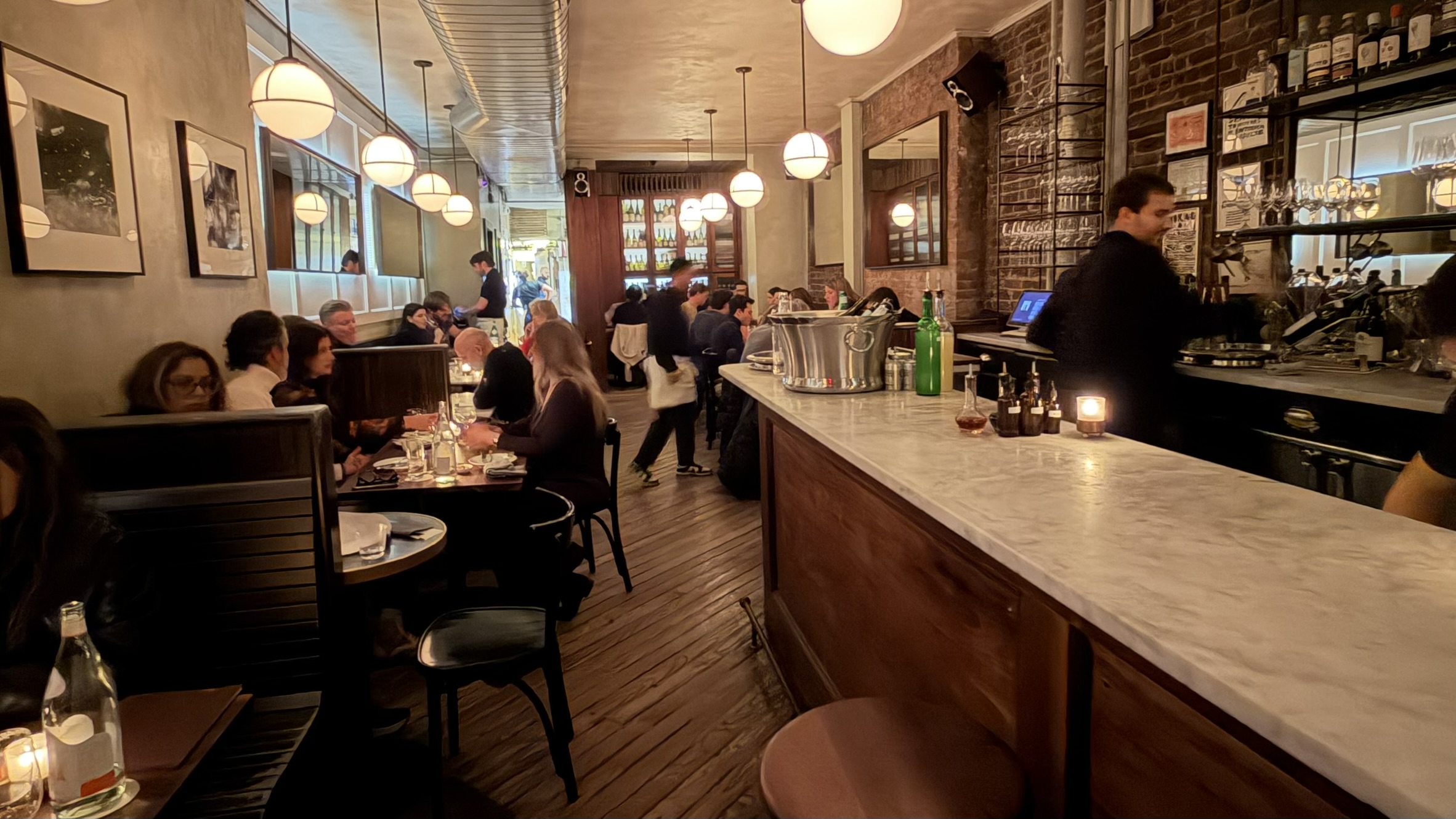
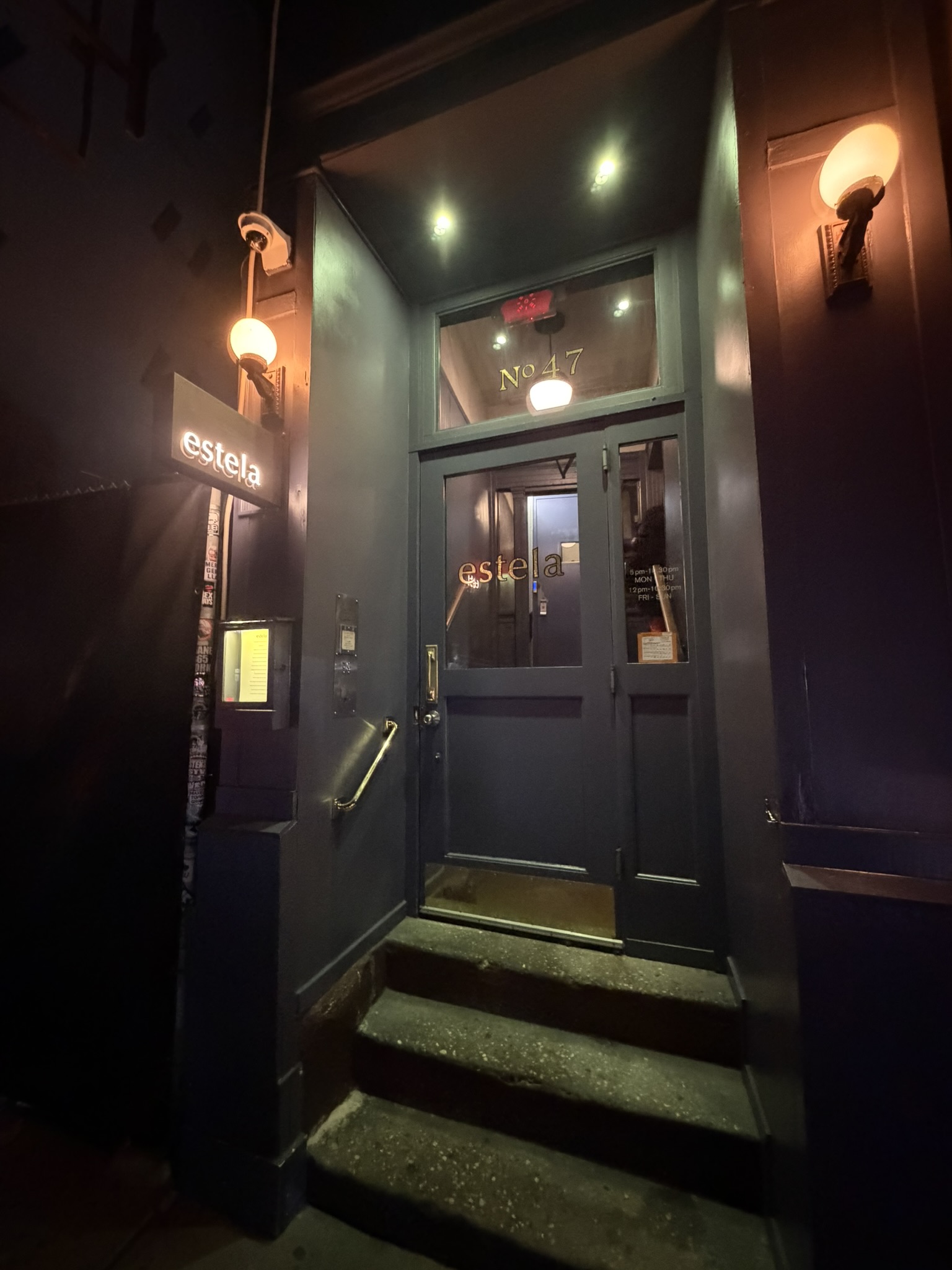
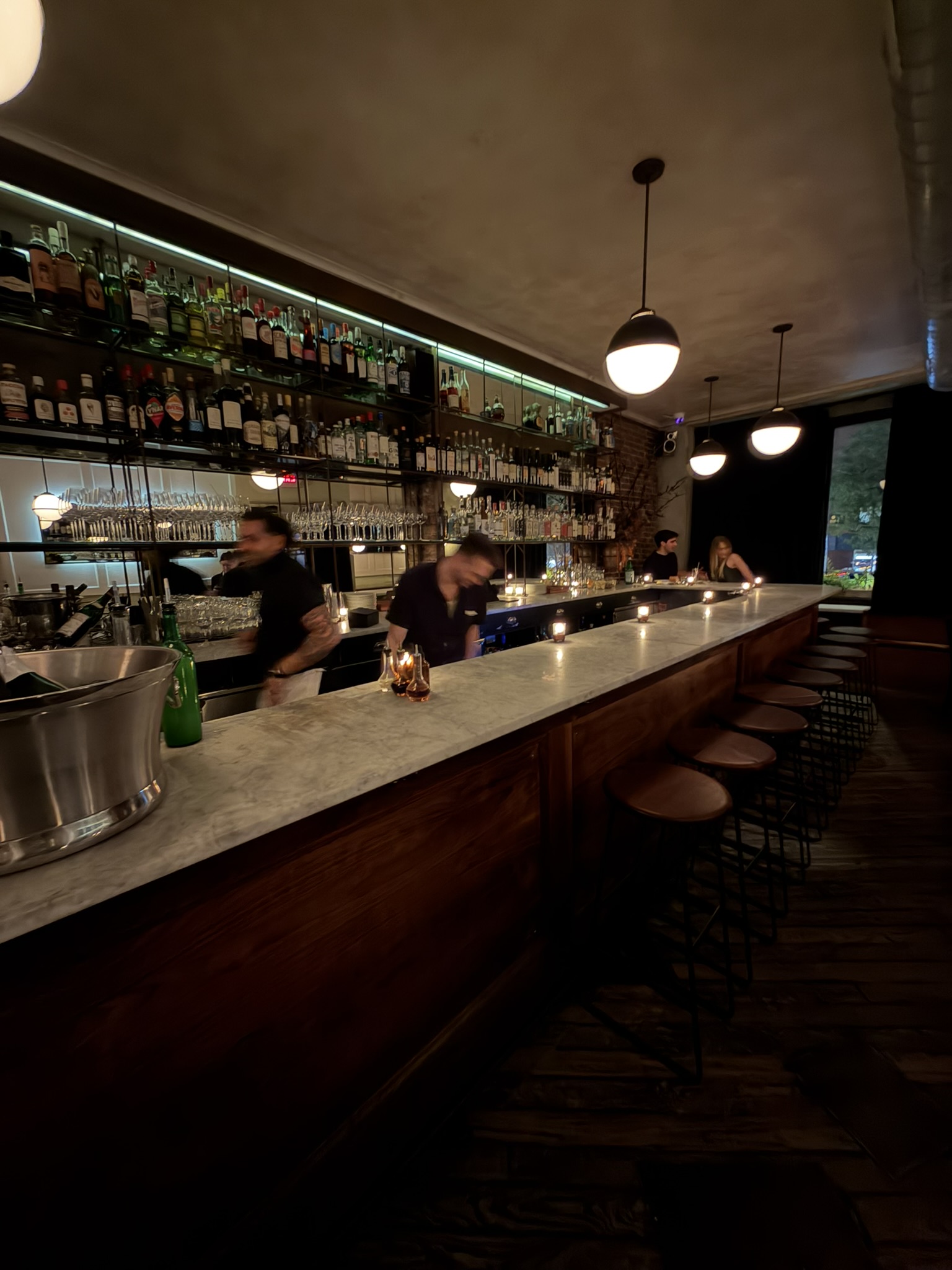
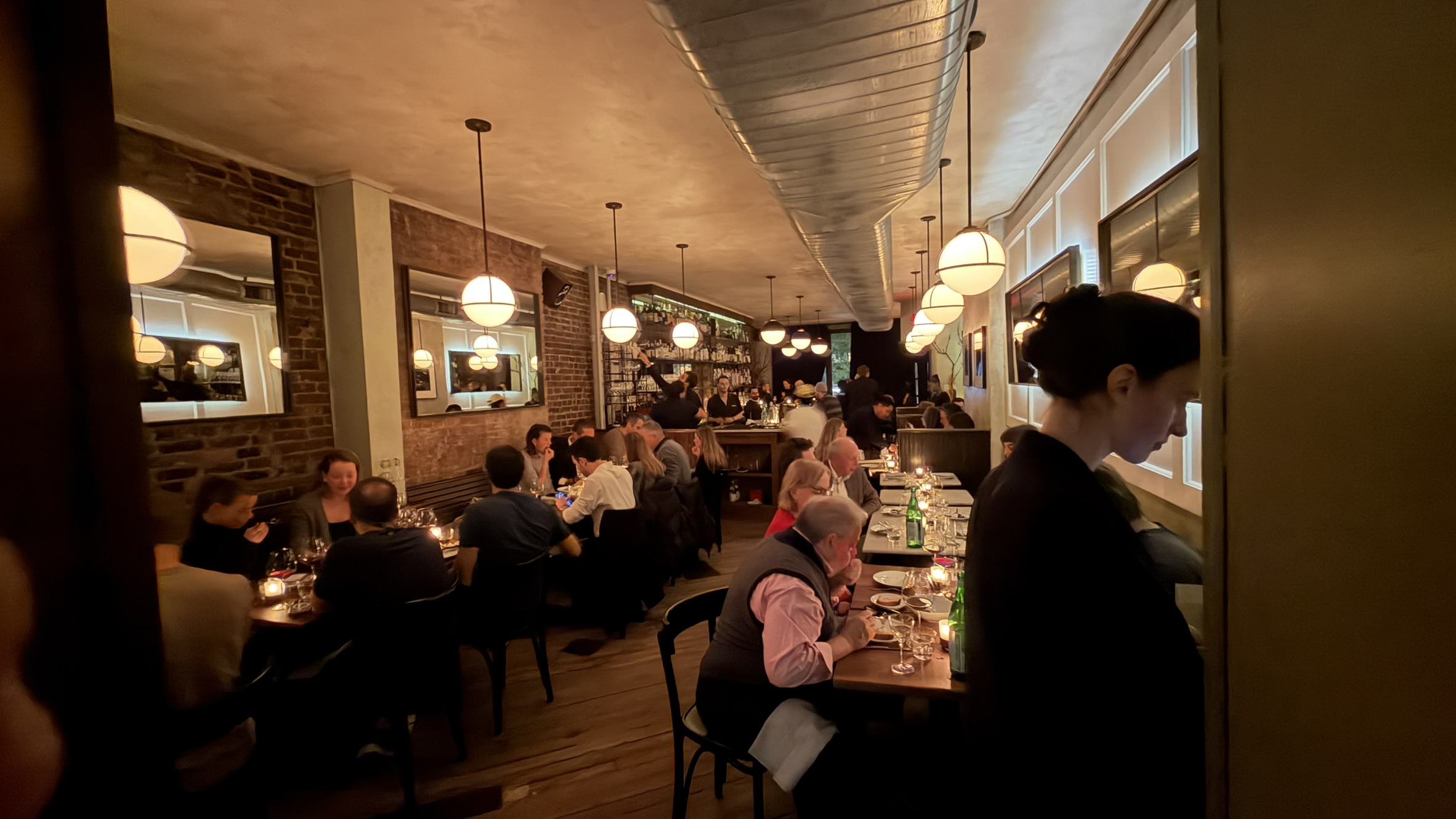
Estela sits along Houston Street, tucked above a bar known for its inexpensive happy hour specials. Upon entering, a marble bar immediately comes into view, setting the tone before the space opens into a compact, lively dining room that can get quite loud. Tables are tightly packed in a mix of formats, paired with hard wooden chairs, while the worn wooden floors creak with nearly every step—adding to the restaurant’s unpolished, downtown charm.

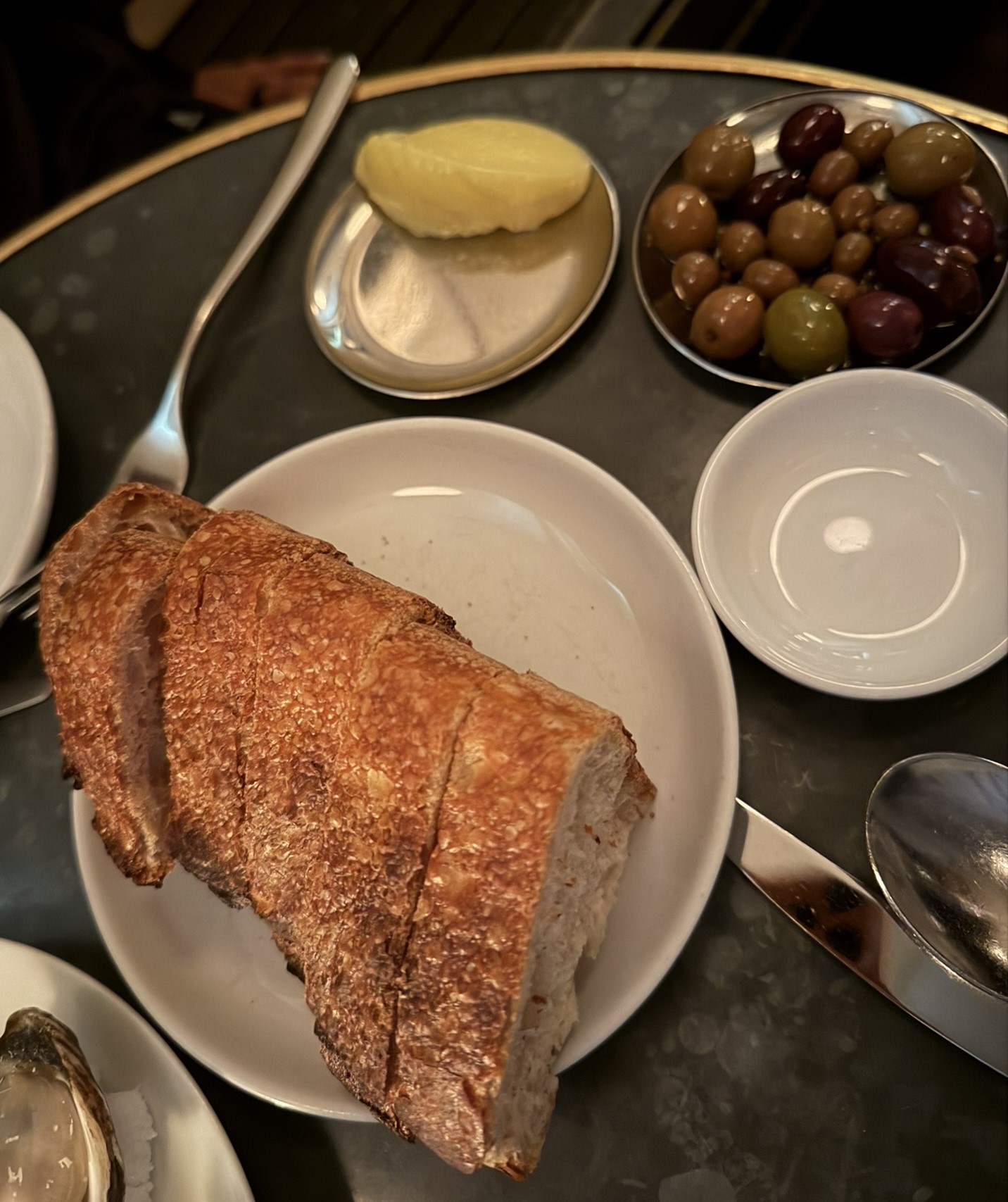
Open for dinner seven days a week and lunch on weekends, the restaurant offers an à la carte menu with a solid range of options. For two diners, our server recommended ordering five to six dishes—a suggestion we gladly followed. We began with a Sourdough miche with butter and olives served warm. Priced at $7 and not complimentary, it delivered a deeply crusty exterior with a satisfying chew, while the olives provided a simple, briny counterpoint.
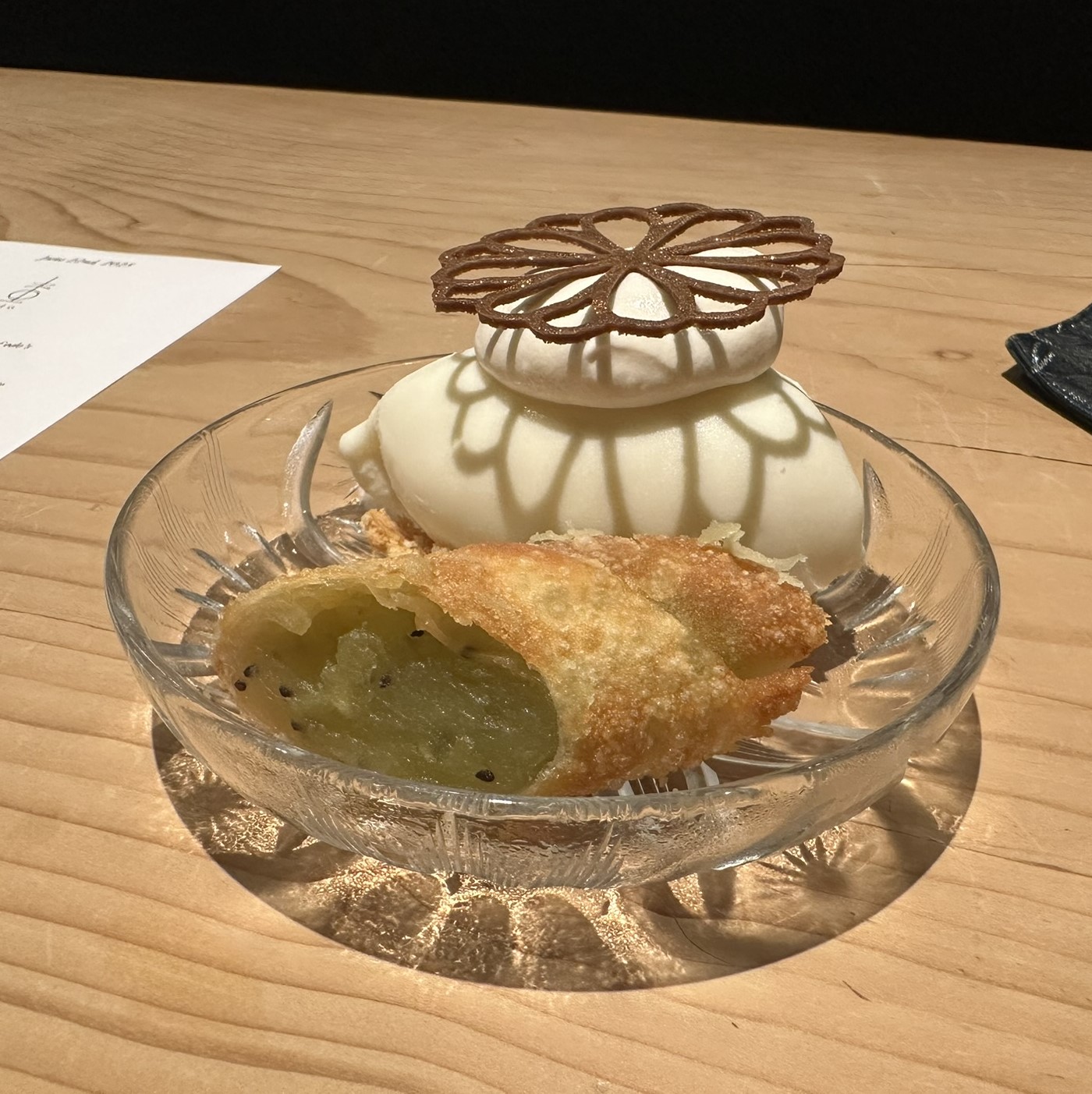
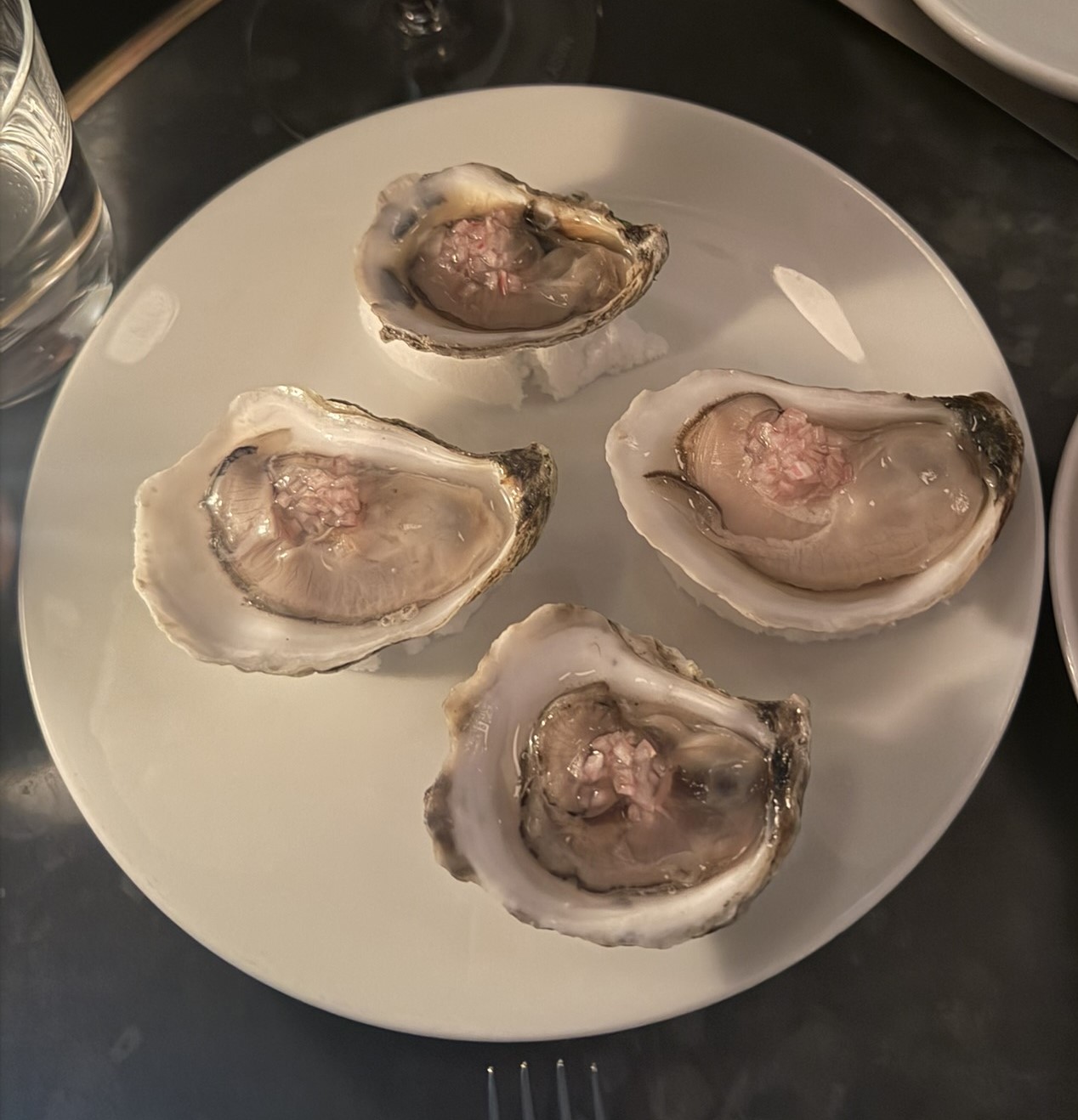
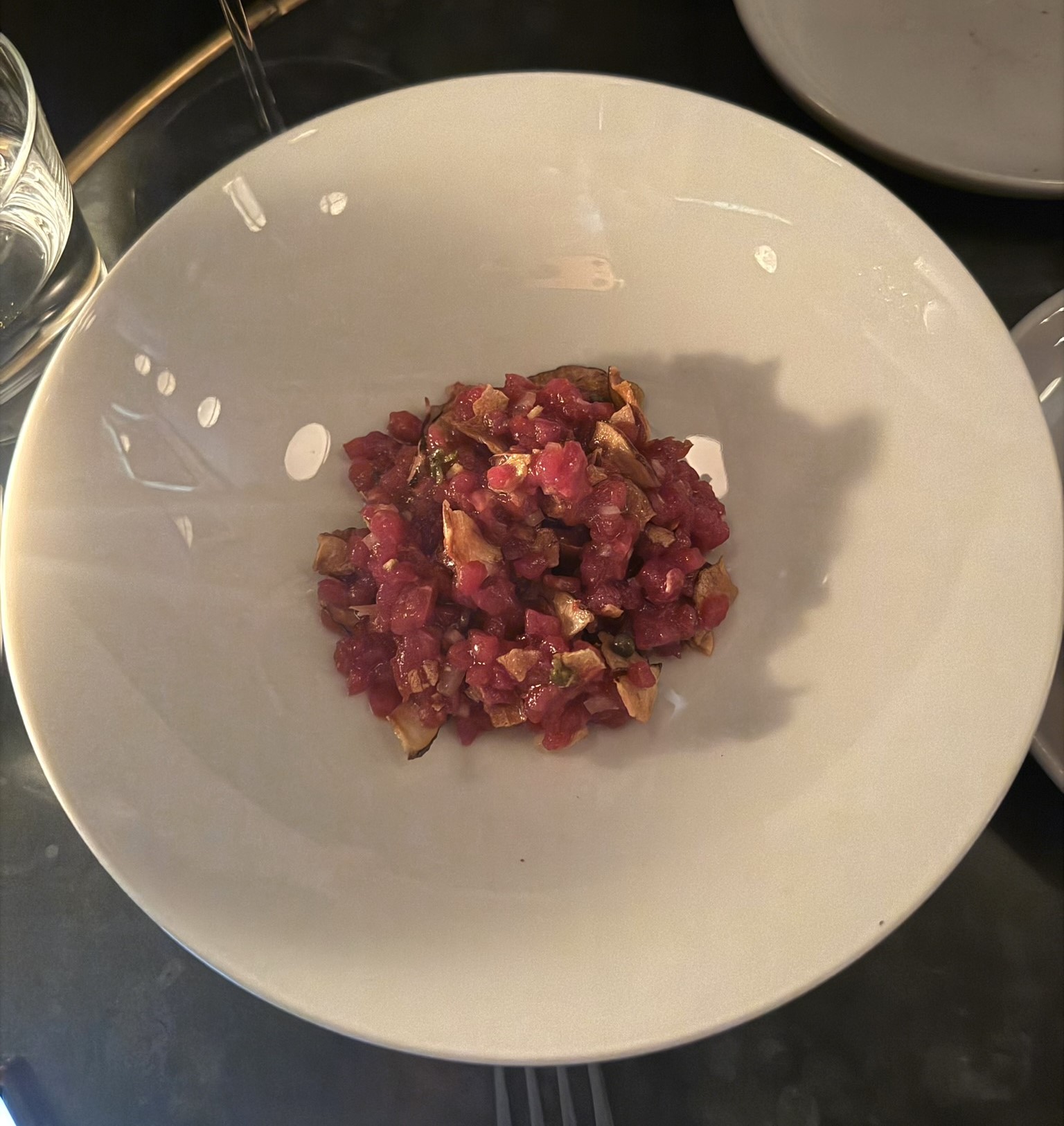
The Oysters with yuzu kosho mignonette, at $5 each, were exceptionally fresh. They carried a clean marine brininess, lifted by bright citrus notes and a gentle heat that lingered pleasantly. The Beef tartare with elderberries and sunchoke followed, offering a balance of freshness and depth. The elderberries introduced subtle sweetness and acidity, while the sunchokes added a mild earthiness that grounded the richness of the beef.
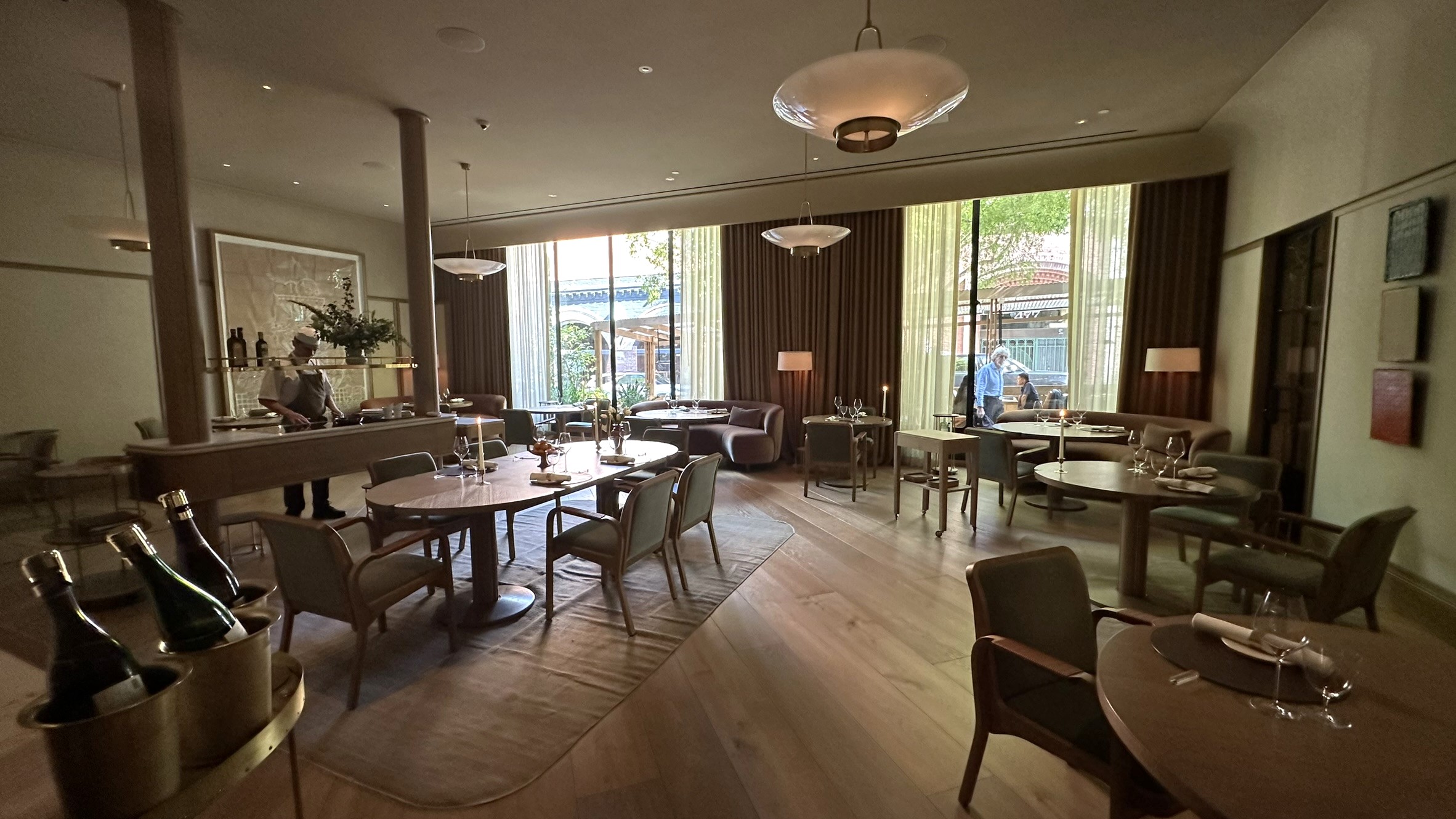
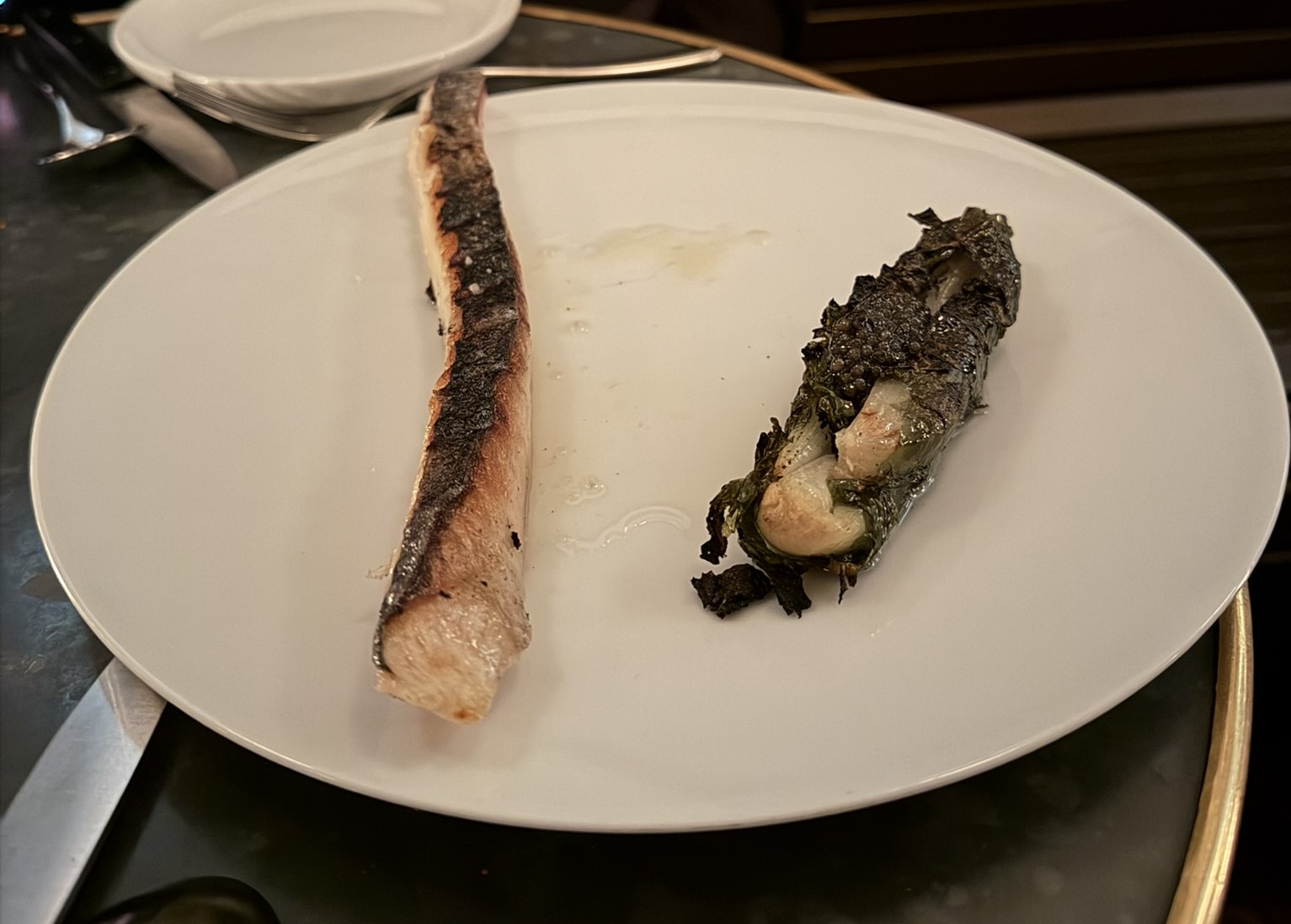
A standout was the Mackerel with smoked torpedo onion and caviar. The fish itself was firm yet tender, with a luscious oiliness. The smoked onion contributed a soft sweetness and gentle smokiness, and when combined with the caviar, the dish became an intense, satisfying burst of flavor.

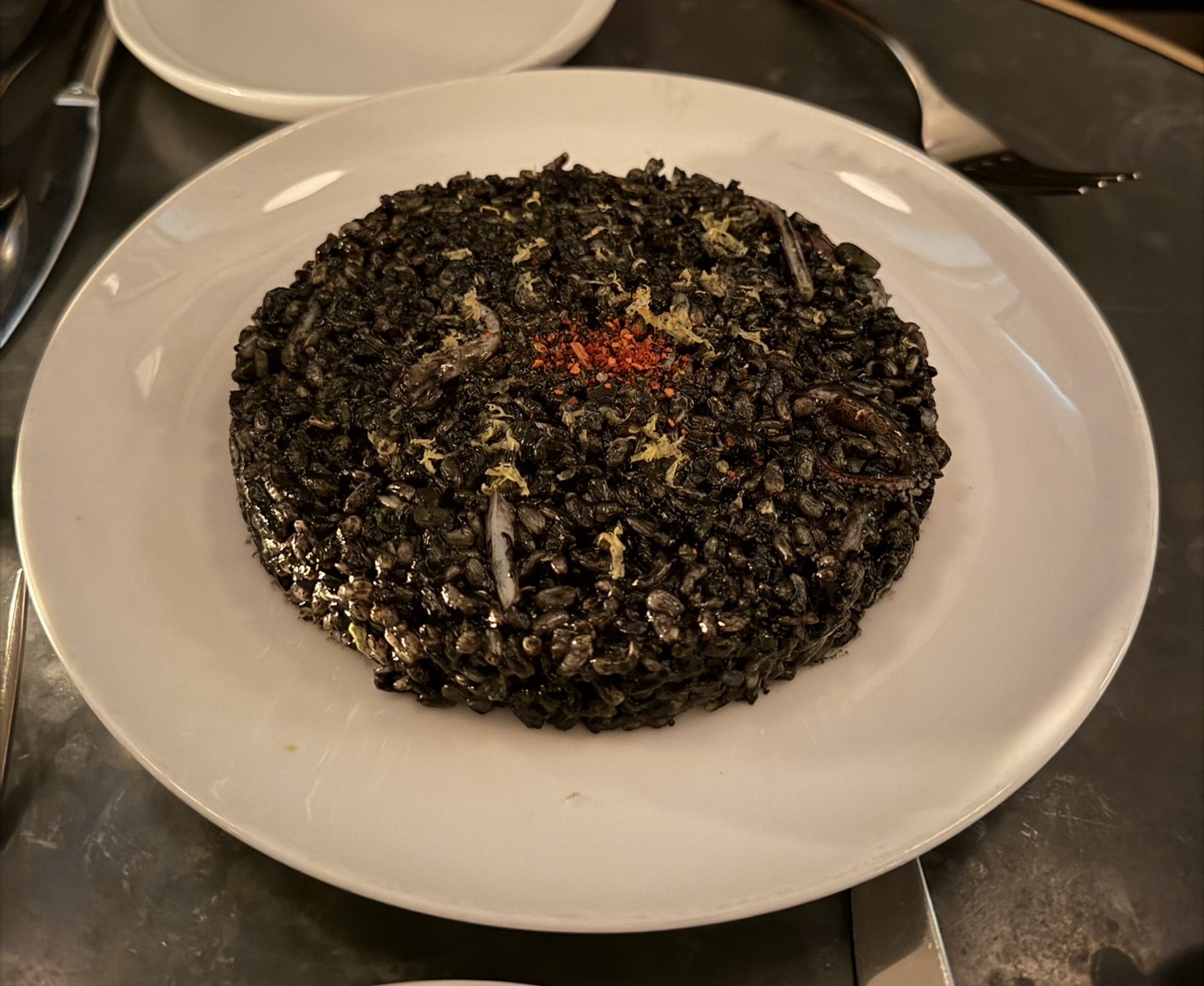
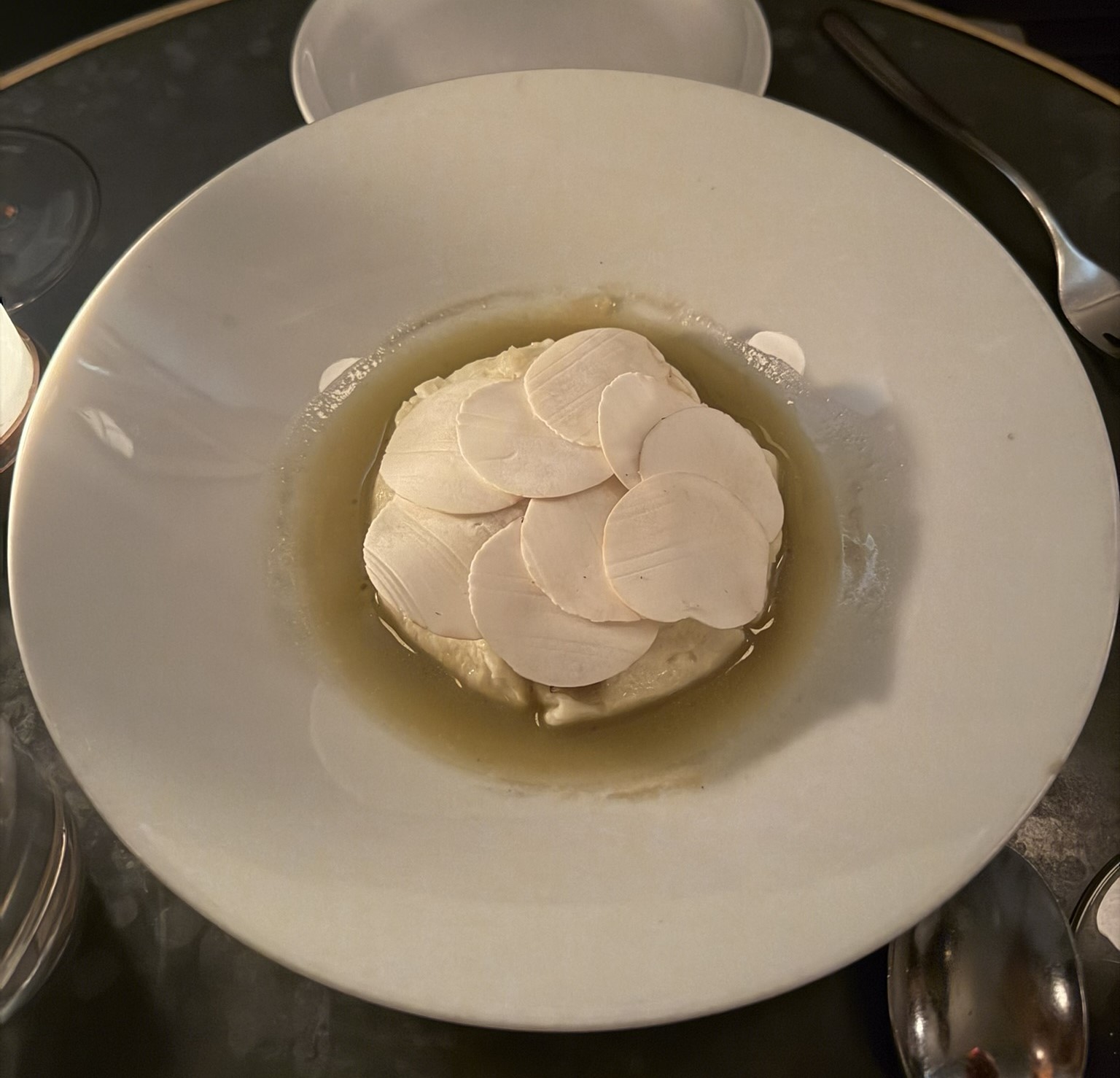
The Fried arroz negro, squid, and romesco—one of the restaurant’s signature dishes—was Estela’s take on the Valencian classic. The rice had a crisp texture while remaining approachable, delivering a deep, oceanic intensity that made it one of the most memorable plates of the evening. The Ricotta dumplings with mushrooms and pecorino sardo offered a softer, more comforting contrast: pillowy, cheese-laden dumplings bathed in a delicate leek broth, layered with thinly sliced mushrooms and sharp pecorino.

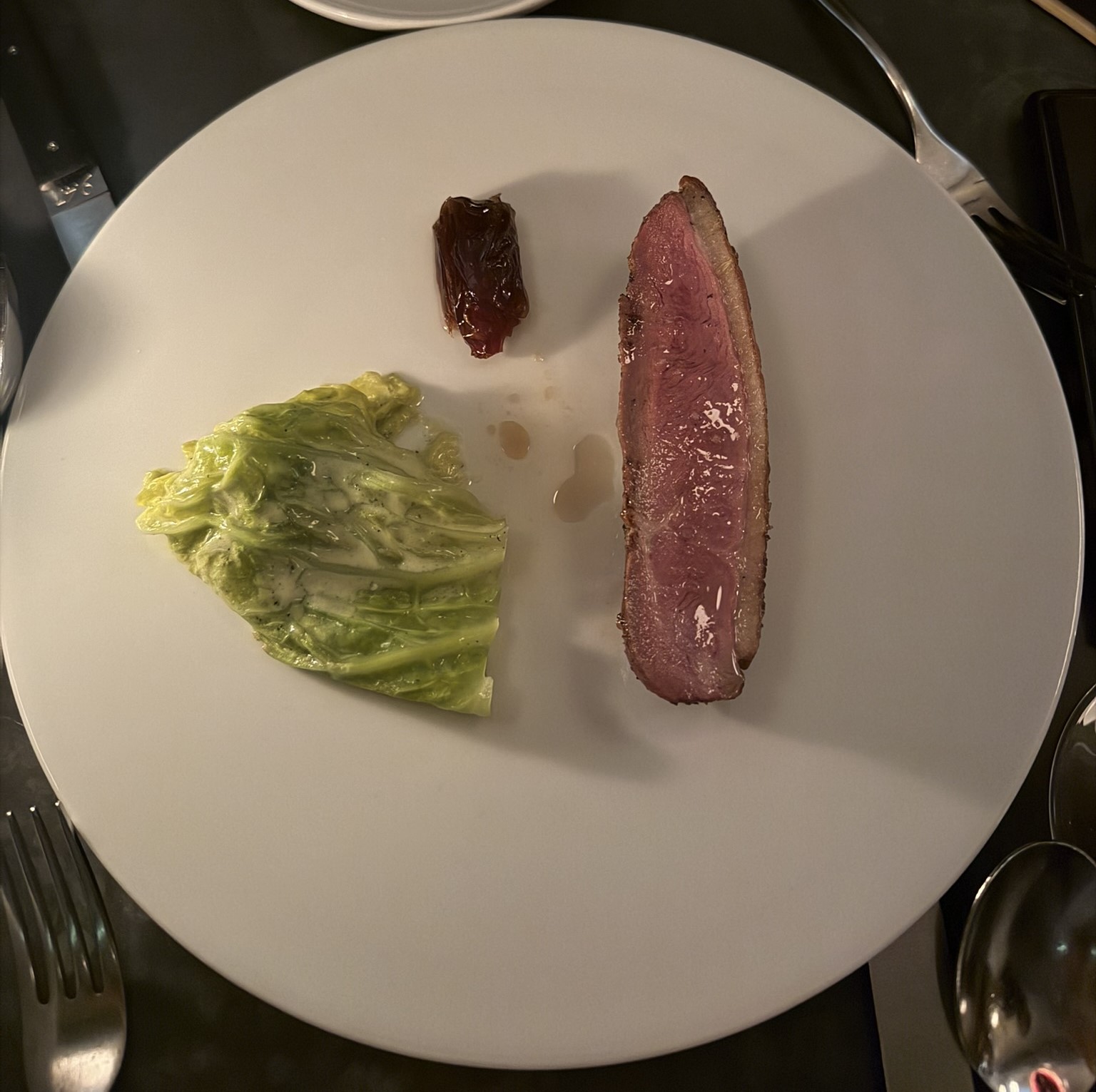
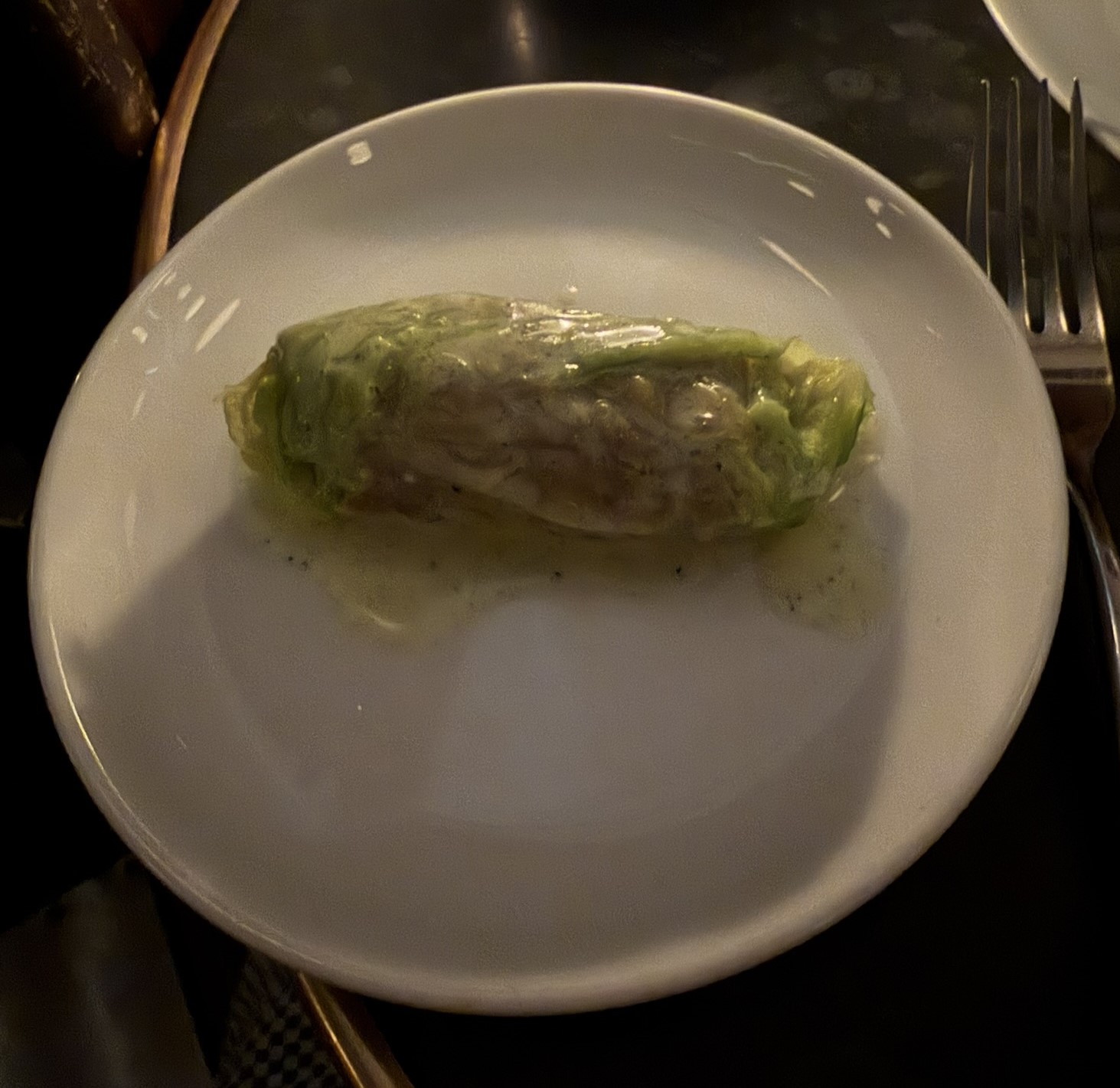
The Crescent duck with stuffed cabbage and date was beautifully executed. The duck was cooked to a perfect rosy pink, tender and succulent, with concentrated flavor. The accompanying stuffed cabbage, filled with duck, reinforced the richness, while the dates added a welcome touch of sweetness to round out the dish.

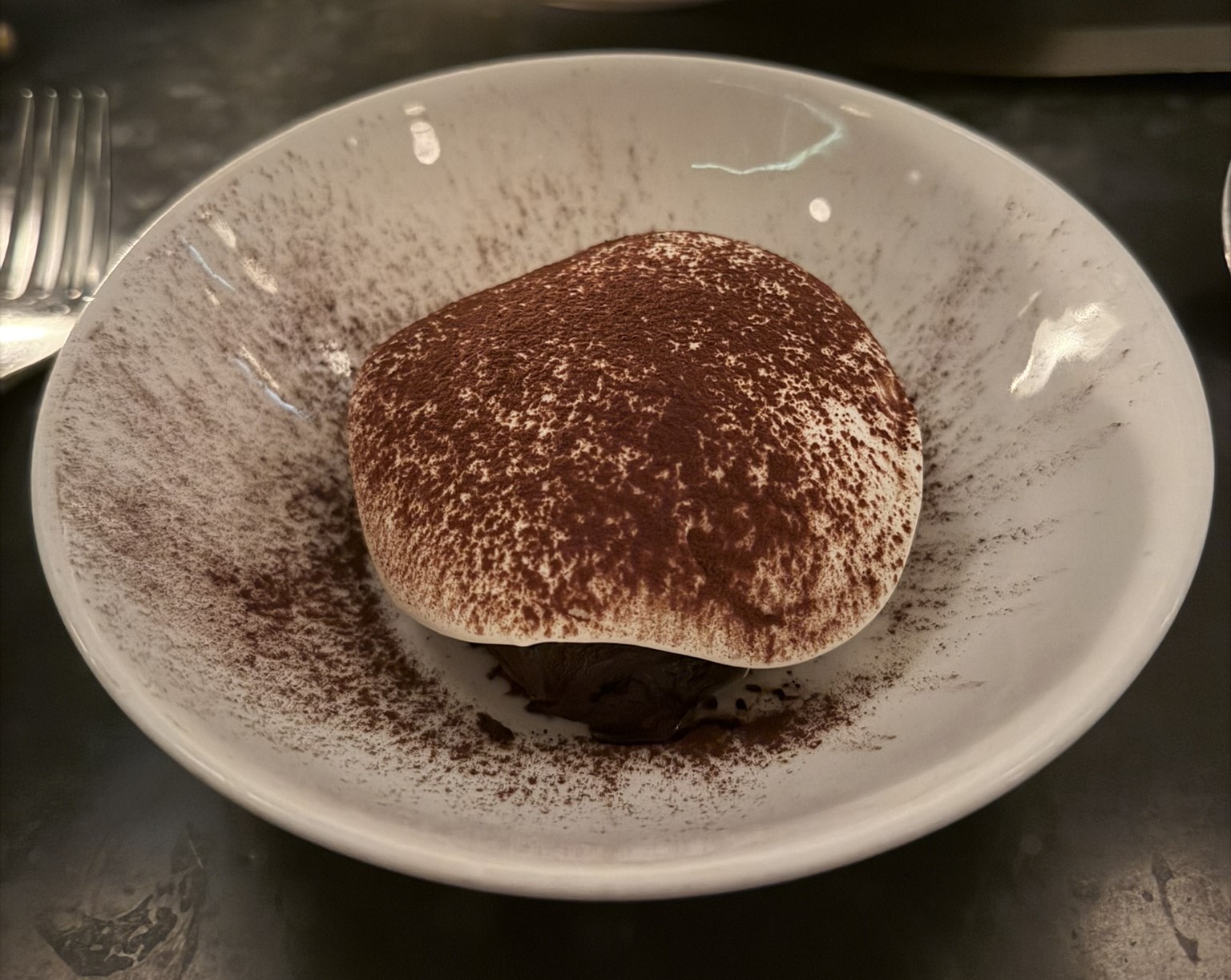
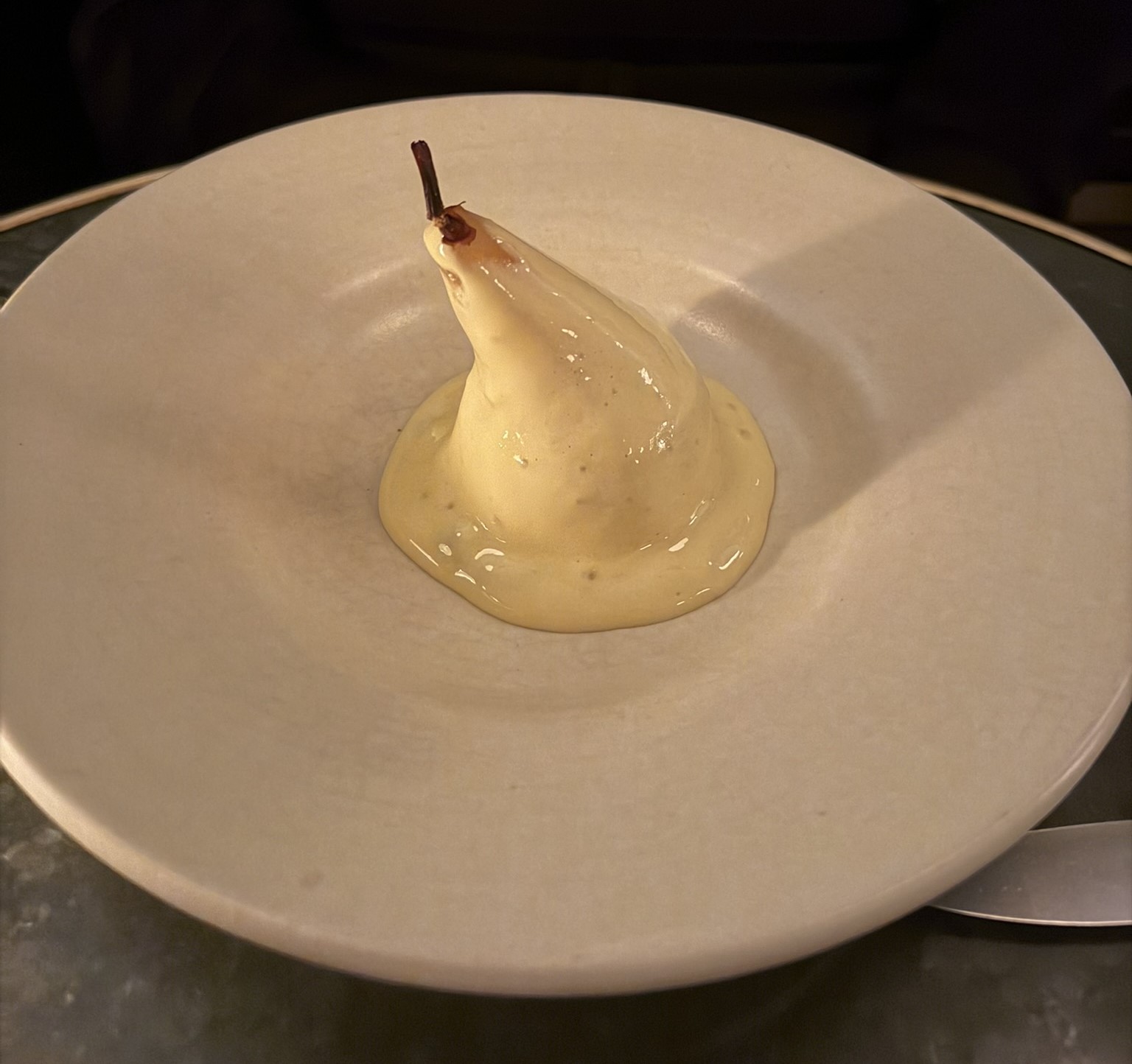
For dessert, we sampled two offerings. The Chocolate cake with sesame ganache and cream was deeply decadent—rich, dense, and thoroughly indulgent.In contrast, the Poached pear with pistachio and sobayon leaned lighter, with natural fruit sweetness complemented by a silky custard-like sabayon and a nutty pistachio finish.

Dining as a pair allowed us to experience a broad cross-section of the menu. The cooking at Estela is deceptively simple in appearance but layered in technique and thought. Each dish feels restrained yet complex, with a clear focus on flavor. Overall, the meal was cohesive, creative, and thoroughly enjoyable.

Service matched the tone of the restaurant—casual yet polished. Our server was warm, personable, and attentive, offering clear explanations of each dish with genuine enthusiasm.

For dinner for two, including two glasses of wine each, the total came to just over $400 with tax and gratuity. While certainly on the pricier side, the quantity and quality of the eight dishes we shared left us fully satisfied.

Bistronomy, at its best, offers the luxury of exceptional cooking without the weight of occasion. There are nights when one craves food of fine dining caliber without the ceremony, and Estela delivers precisely that. It’s a reminder of why New York City remains one of the best places in the world to dine.

Amador ***

Amador
at Weingut Hajszan Neumann
Grinzinger Str. 86,
1190 Vienna, Austria
+43 660 9070500
Official Site

It had been nearly eight years since my last visit to Vienna. Back then, Austria’s capital did not have a three-Michelin-starred restaurant—something I always found surprising for a city of this caliber, widely regarded as the epicenter of a country with a deep and proud culinary culture. That all changed with the arrival of German three-Michelin-starred chef Juan Amador, who, after years of success in Germany, chose Vienna as the home for his namesake restaurant, Amador.

Restaurant Amador opened in 2015 and was immediately awarded two Michelin stars. Just two years later, the third star followed, making it the first restaurant in Austria to receive such an honor. This marked the third incarnation of Amador. The original restaurant opened in Langen, Germany, where it earned three stars, before relocating to Mannheim and once again achieving the same accolades—prior to finally settling in Vienna.

German-born chef and owner Juan Amador is no stranger to Michelin recognition. He earned his first star as head chef at Restaurant Petersilie in Lüdenscheid, followed by two stars at Schlosshof in Aschaffenburg, before opening his own eponymous restaurant. Chef Amador is widely regarded as one of Germany’s most accomplished and influential chefs.

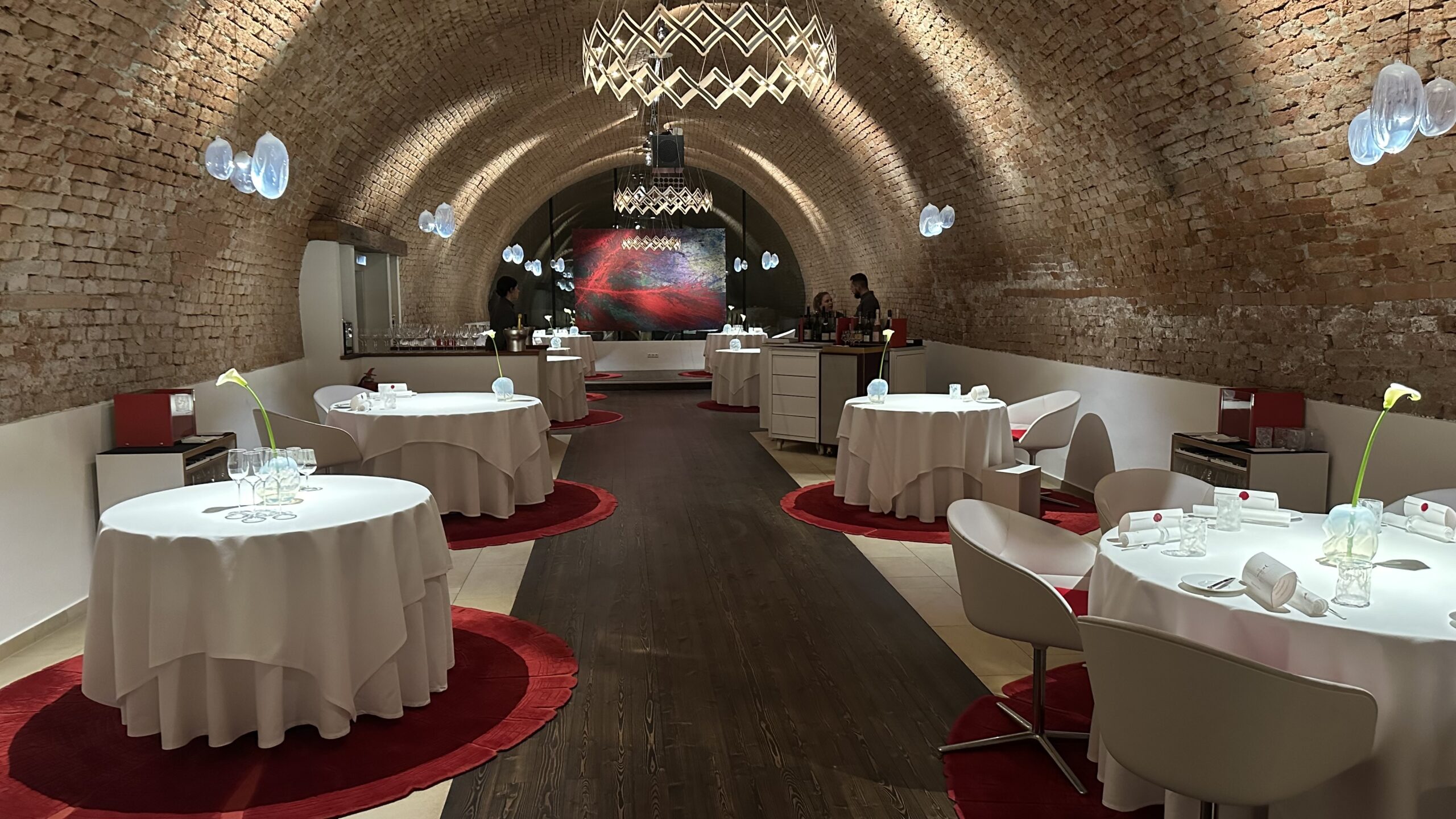
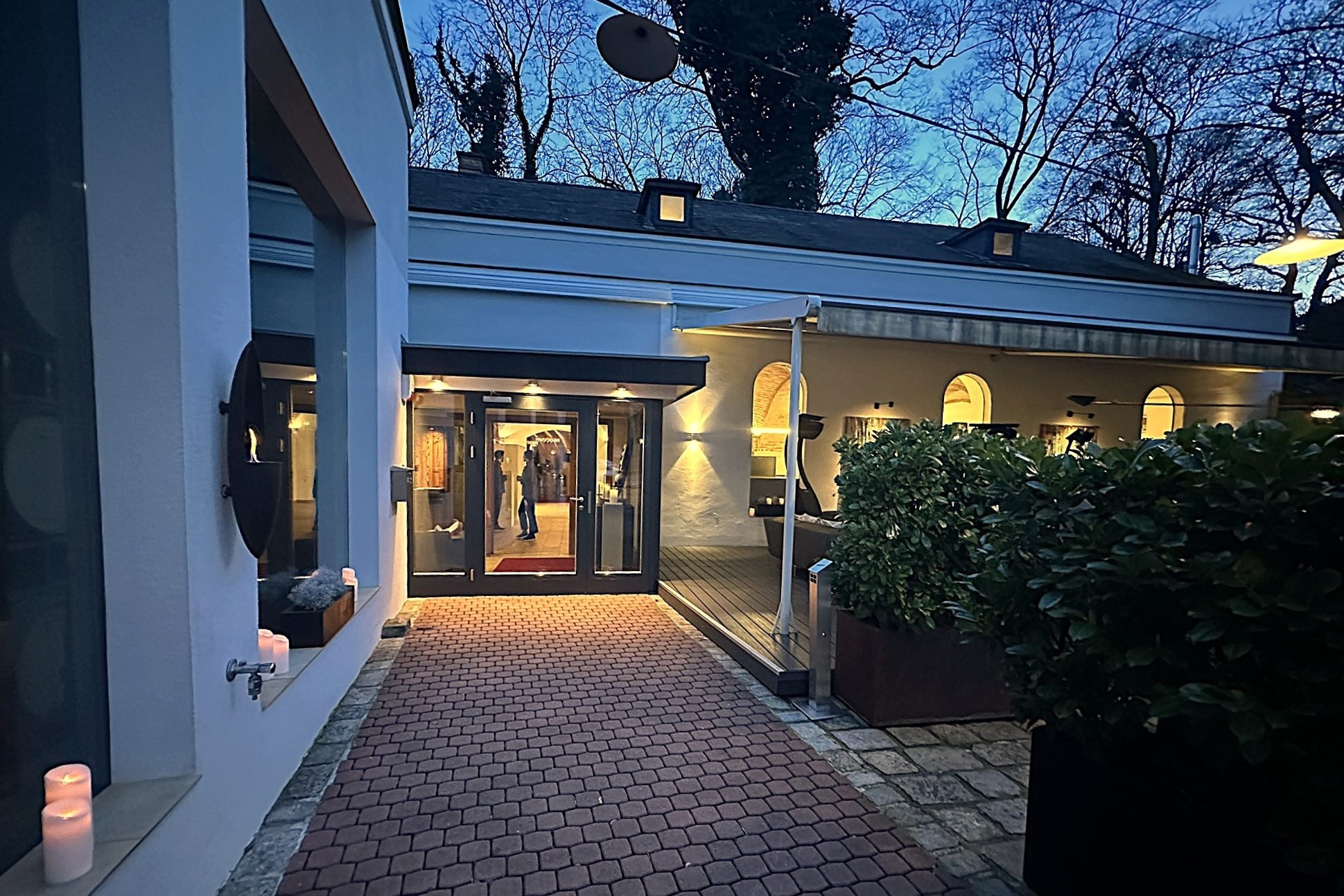
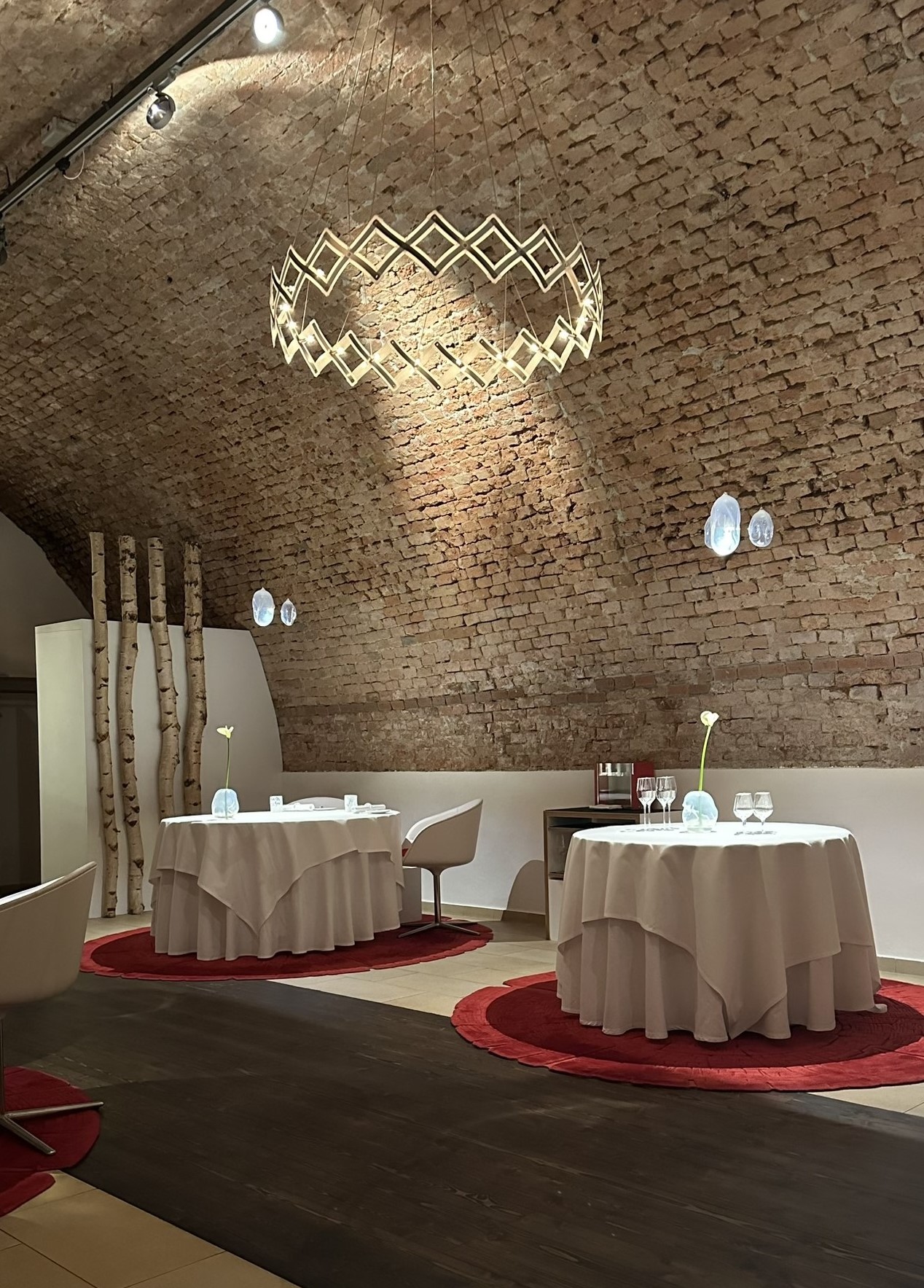
Amador is located on the outskirts of Vienna, reachable by tram or taxi, tucked into a quiet residential neighborhood. The restaurant is housed in a working winery, with the dining room set inside a former wine cellar. Vaulted brick ceilings create a dramatic yet restrained atmosphere. Uniform round tables are dressed in thick white tablecloths, while the interior leans modern and minimalist, dominated by white and red tones. Lighting is soft, and music is kept so low it’s nearly imperceptible—allowing full focus on what’s happening on the plate.

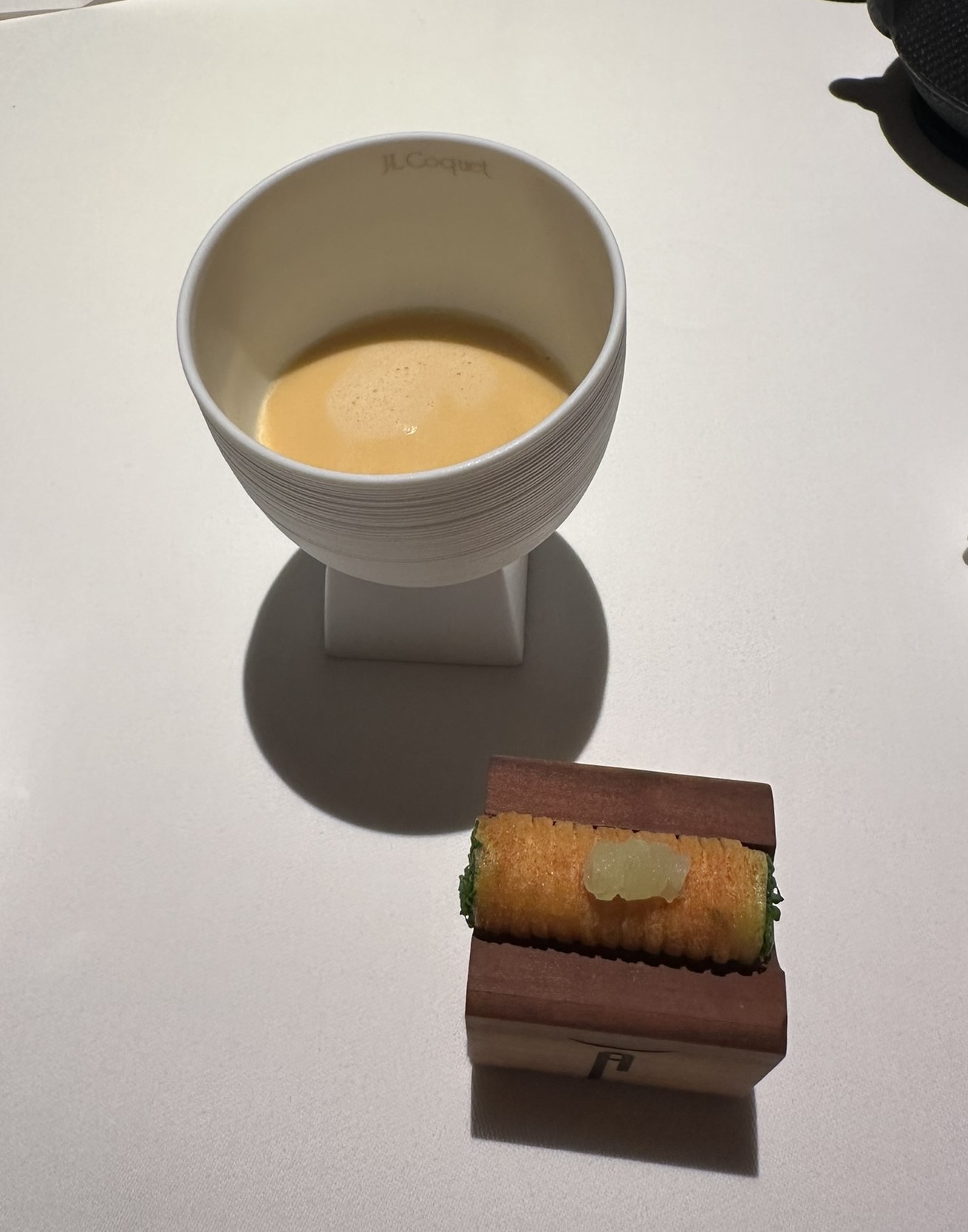
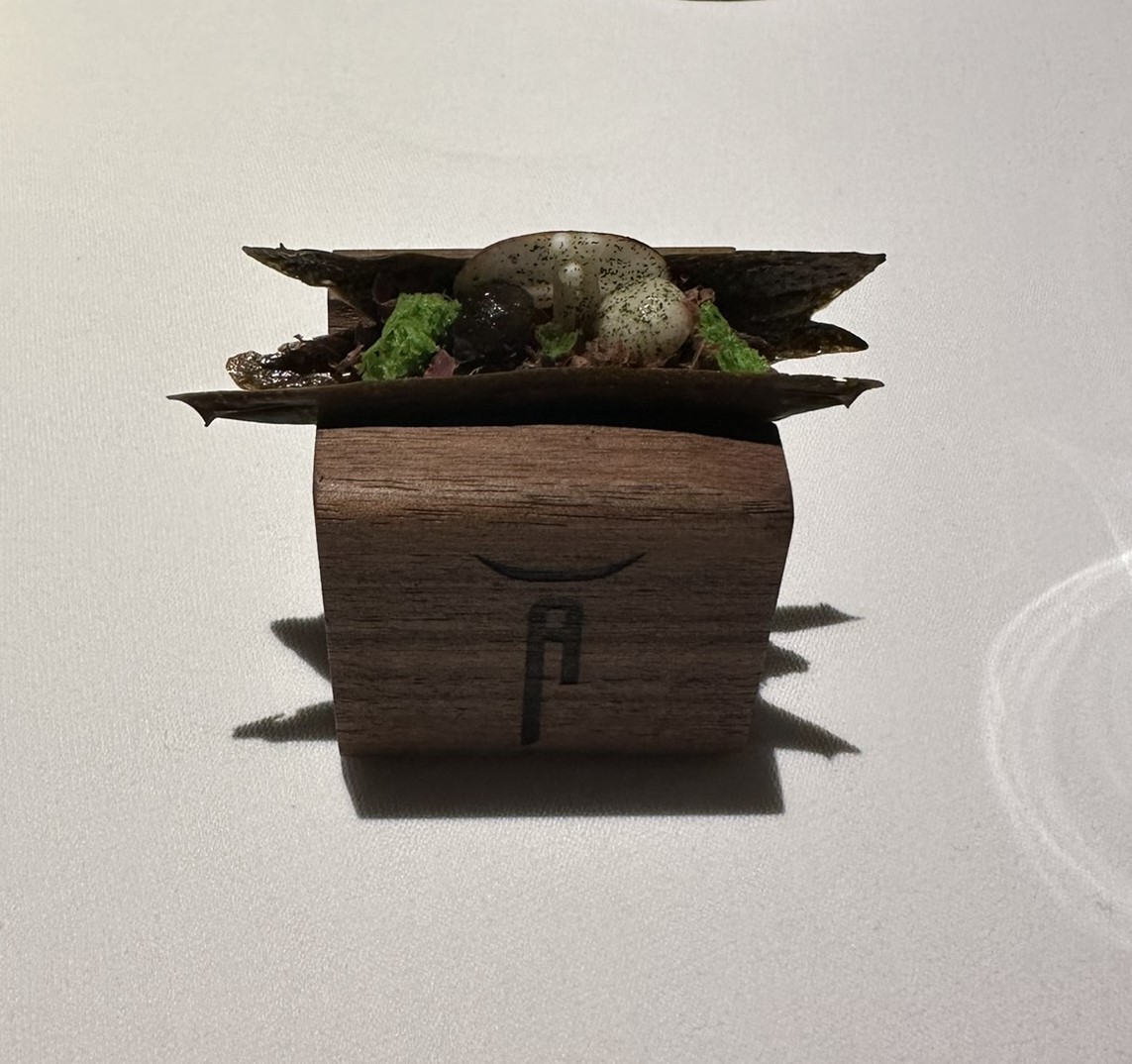
Amador is open exclusively for dinner and offers a single nine-course tasting menu priced at €395. Dinner began with “Tapas & Snacks,” a rapid-fire barrage of small bites. The King Crab, Jalapeño, Bisque delivered deep crustacean flavor, served alongside a potato roll generously filled with sweet crab meat. One of the restaurant’s signatures, Walk in a Forest, followed—an earthy composition of mushrooms, parsley, and smoked dried eel, layered with smoke and umami.

TAPAS & SNACKS:

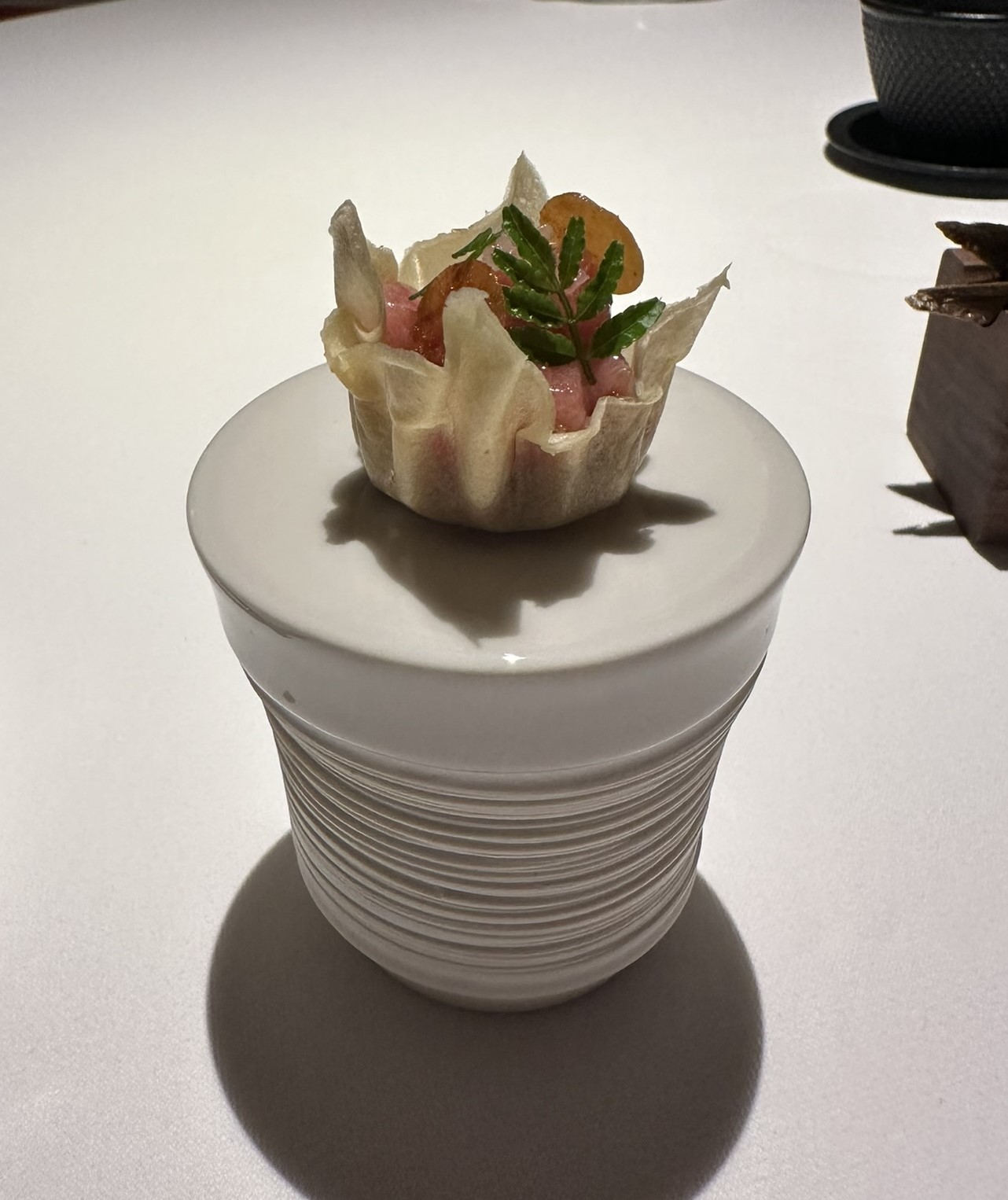
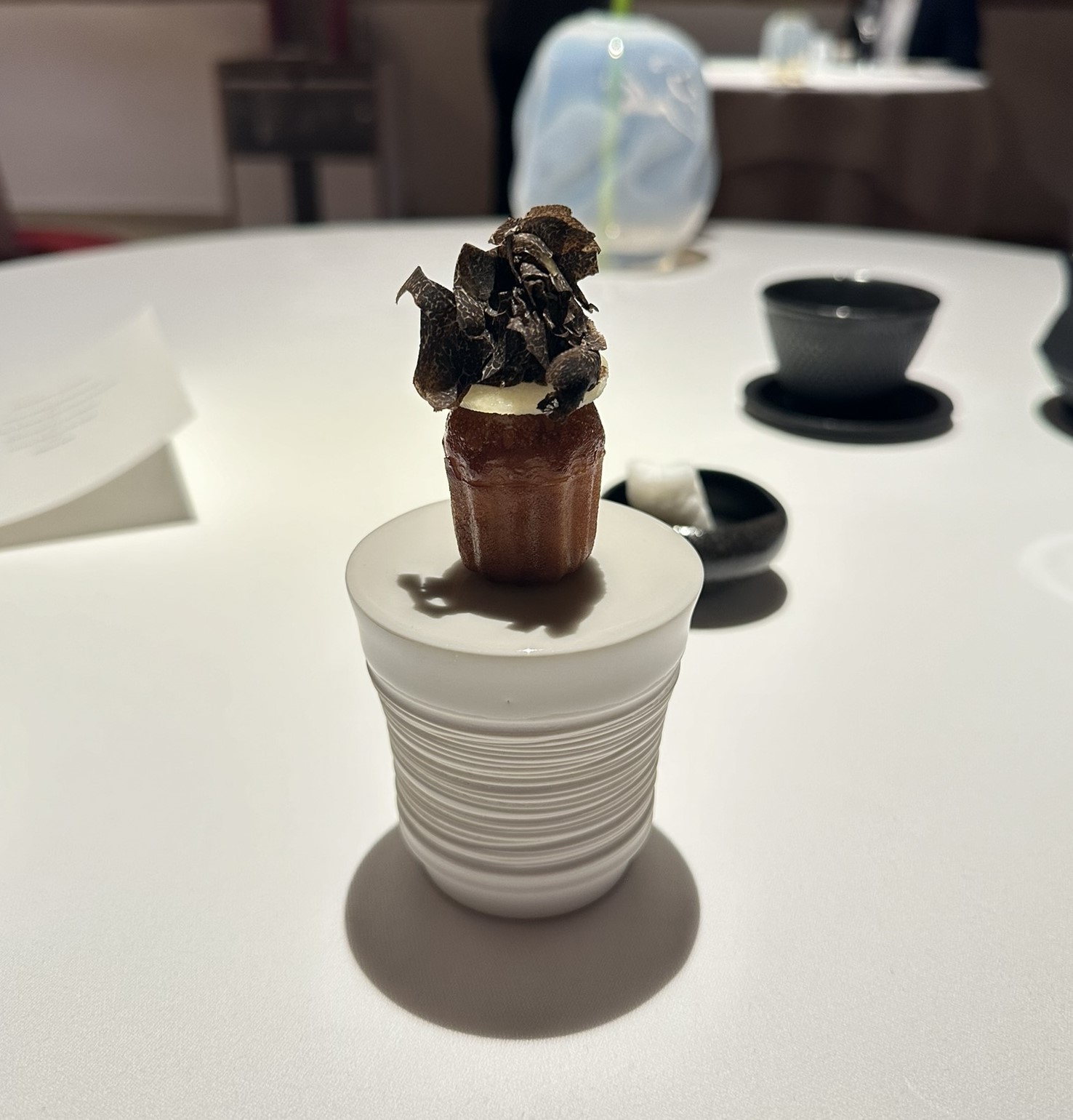
The Balfego Tuna, Roscoff-Onion, Chicken Skin arrived as a tartlet filled with rich, fatty tuna. The Canale l Norway Lobster l Perigod Truffles was particularly memorable: the traditionally sweet pastry cleverly transformed into a savory vehicle, topped with generous black truffle shavings and subtly filled with lobster meat, retaining just a hint of sweetness.

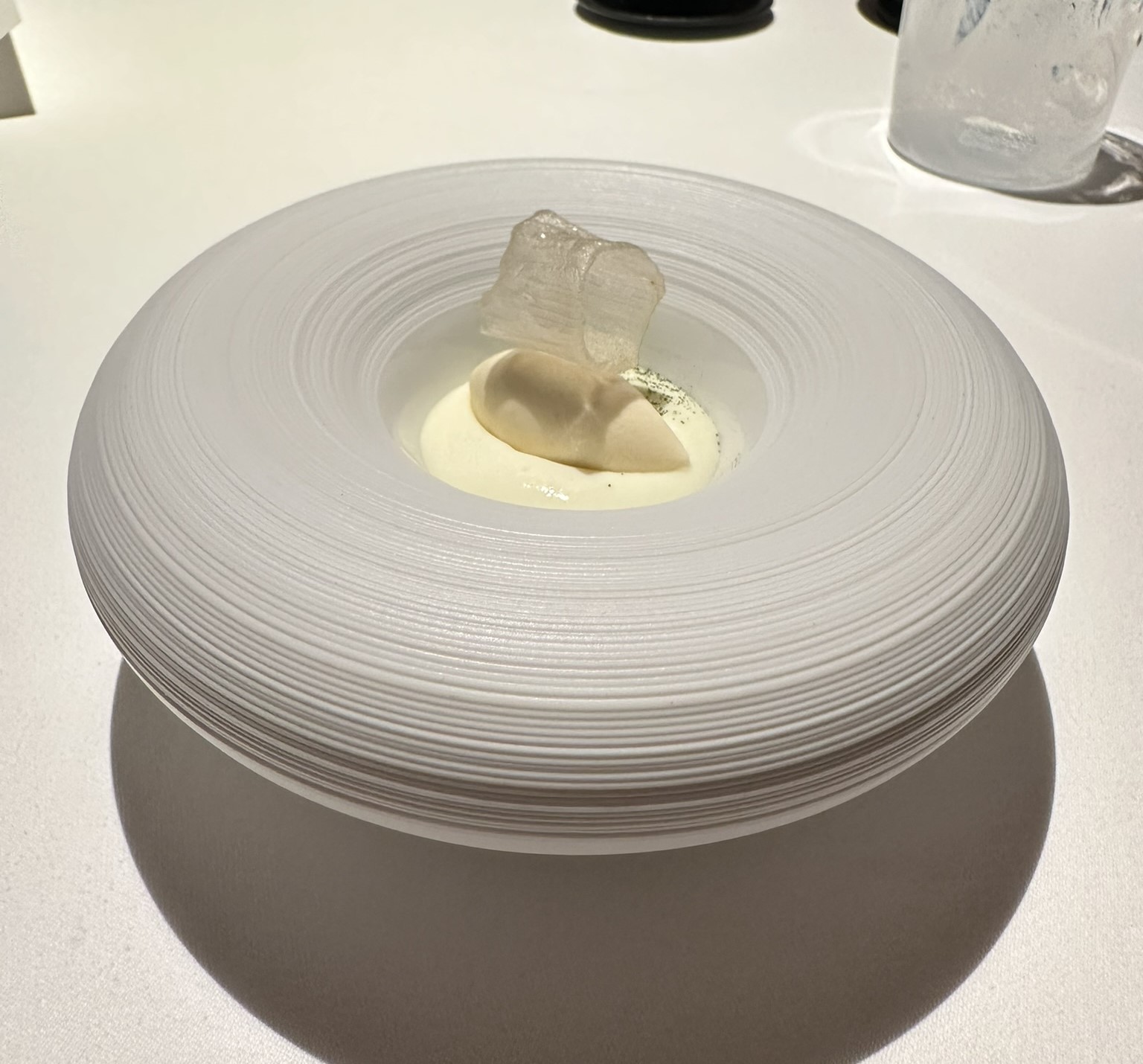
An amuse-bouche of Vichyssoise, Sea Cucumber, and Buttermilk followed. Traditionally a cold potato and leek soup with roots traced to New York City, Amador’s version arrived as an ice cream set atop airy buttermilk foam, with chunks of sea cucumber hidden beneath. Dehydrated leek added texture, while a bright citrus note tied the dish together. It was a bold, attention-grabbing introduction—shock value executed with precision.

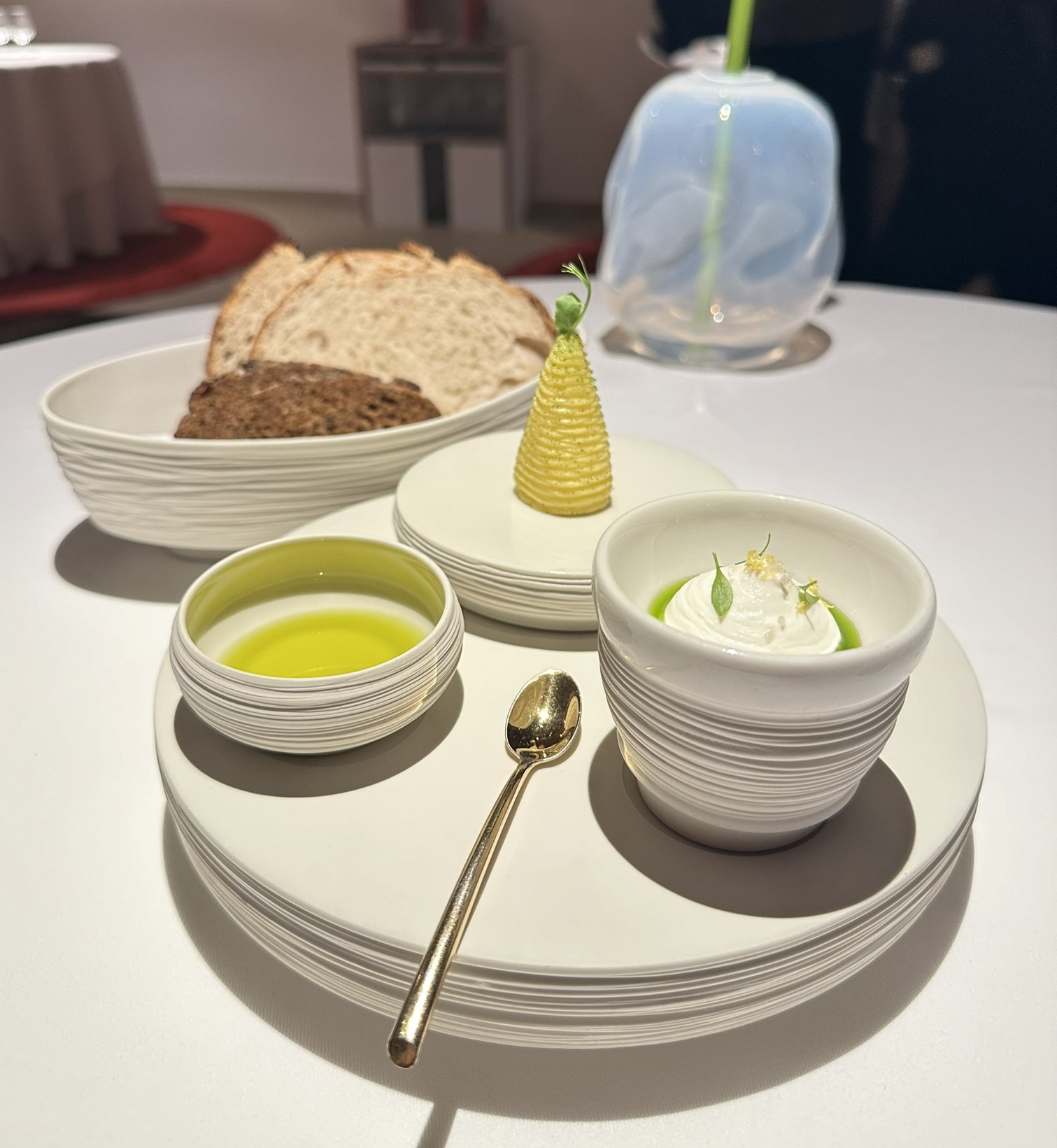
Bread & Butter was treated as a course of its own. Bread by Christian Klein & Julie Branter | Vienna/Munich, Butter made by Jean-Yves Bordier| Saint-Malo and Olive Oil “Cuvee Amador” made by Castillo de Canena | Jaen formed an exceptional trio. Two varieties of freshly baked sourdough were paired with butter that was silky, rich, and deeply flavorful—clearly a point of pride for the kitchen.

BREAD & BUTTER:

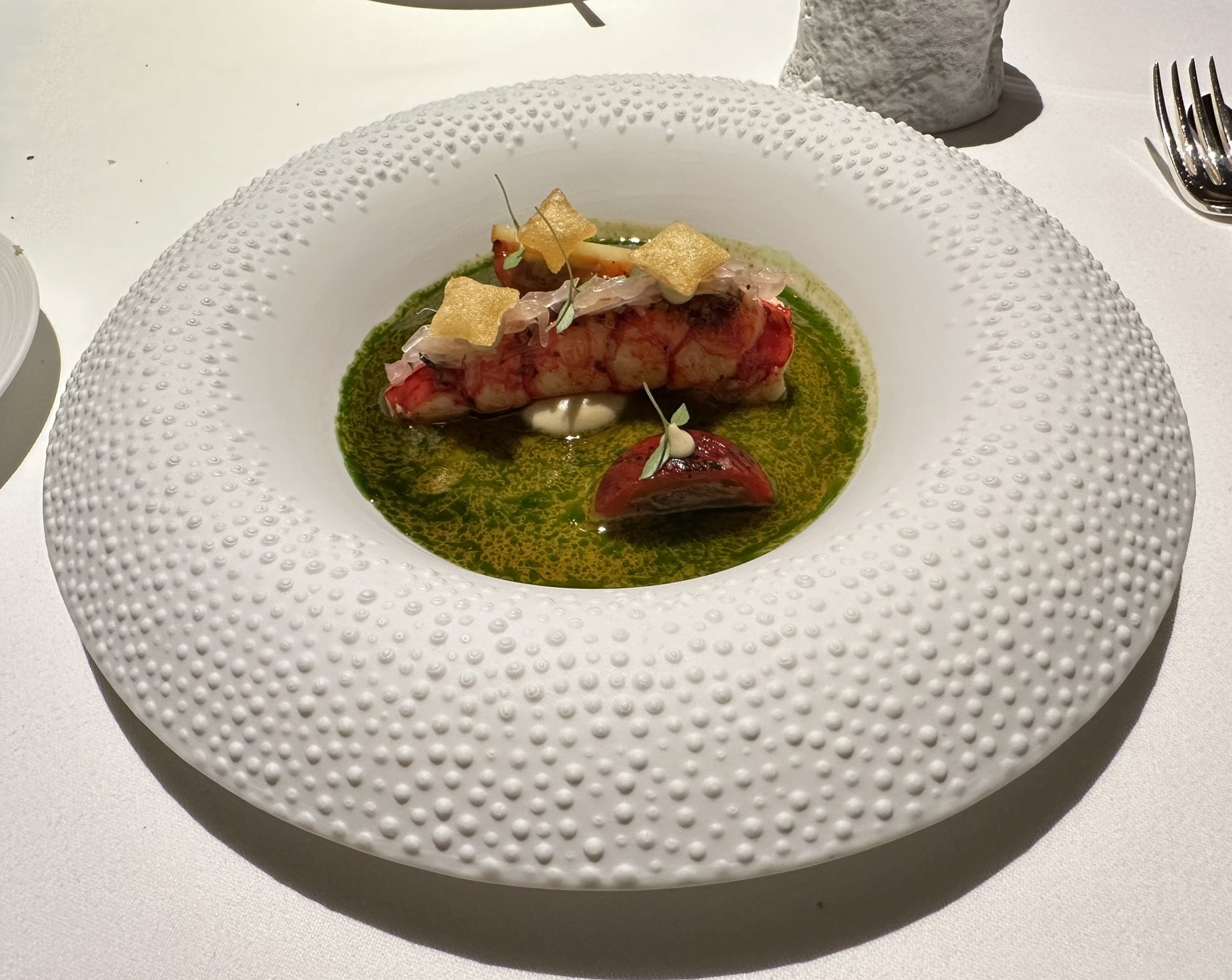
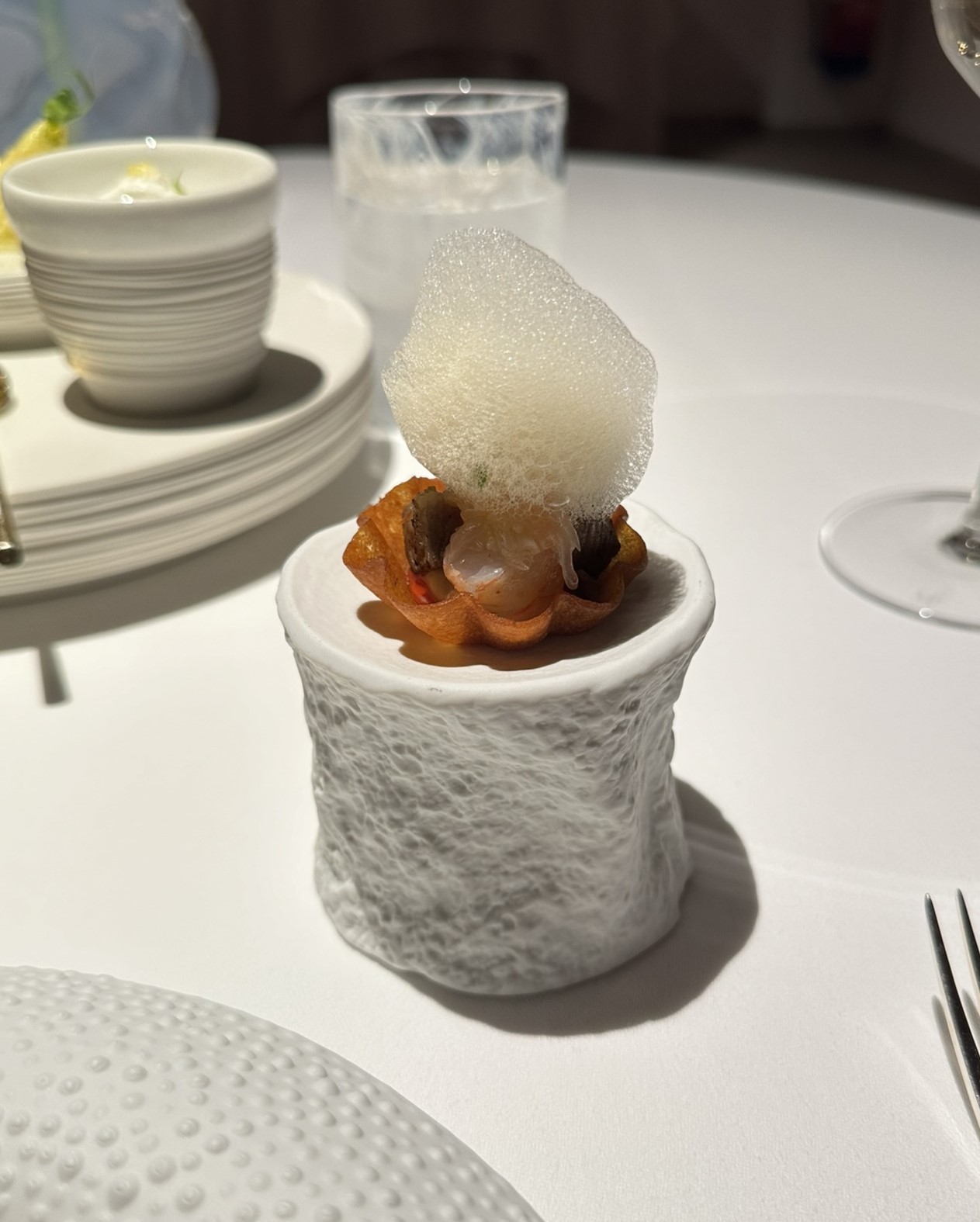
The Momentum portion of the tasting began with CARABINERO FROM HUELVA – Escalivada, Parsley, Smoke Olive Oil. The prawn was firm yet succulent, showcasing natural sweetness, paired with roasted vegetables and a sweet-and-sour marinade that complemented the shellfish beautifully. Alongside it was a standout tartlet made from crustacean essence, topped with Spanish red gamba and Iberico pork, finished with smoky aromatic foam.

MOMENTUM:

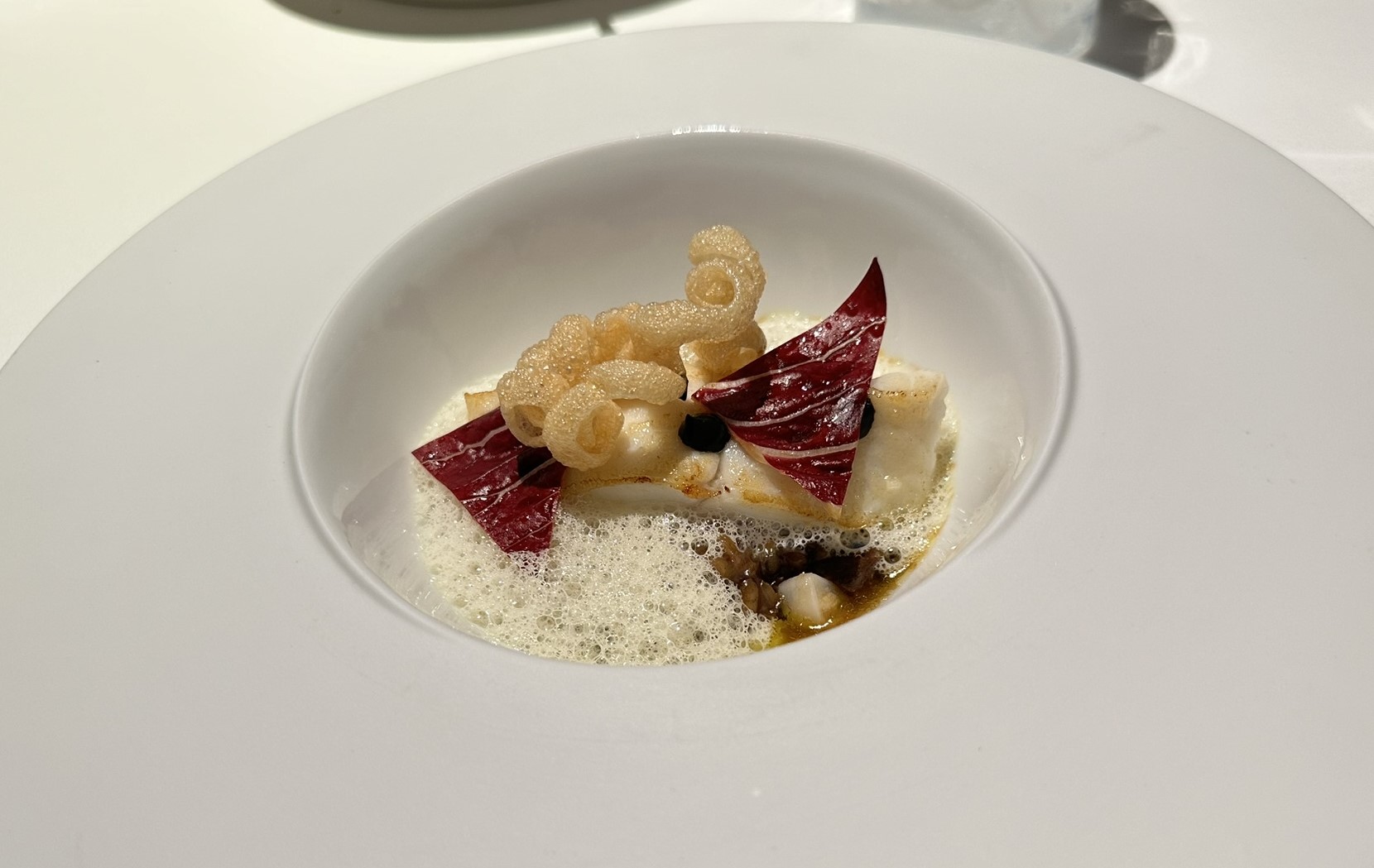
Next came PATAGONIAN TOOTHFISH – Leek | Viennese Sake | Oscietra N25. Delicate and buttery, the fish sat atop leek purée and a sake-based beurre blanc, adding depth and velvety richness. The caviar brought salinity, while fried kombu seaweed added crunch and contrast. This was followed by BRETON TURBOT – Morcilla | Razor Clam | Treviso. The turbot was tender and rested on bomba rice infused with turbot consommé. Razor clams added brininess, while Spanish morcilla brought savory depth. Treviso cabbage introduced bitterness that balanced the dish, and the fried turbot skin added a welcome crisp texture.

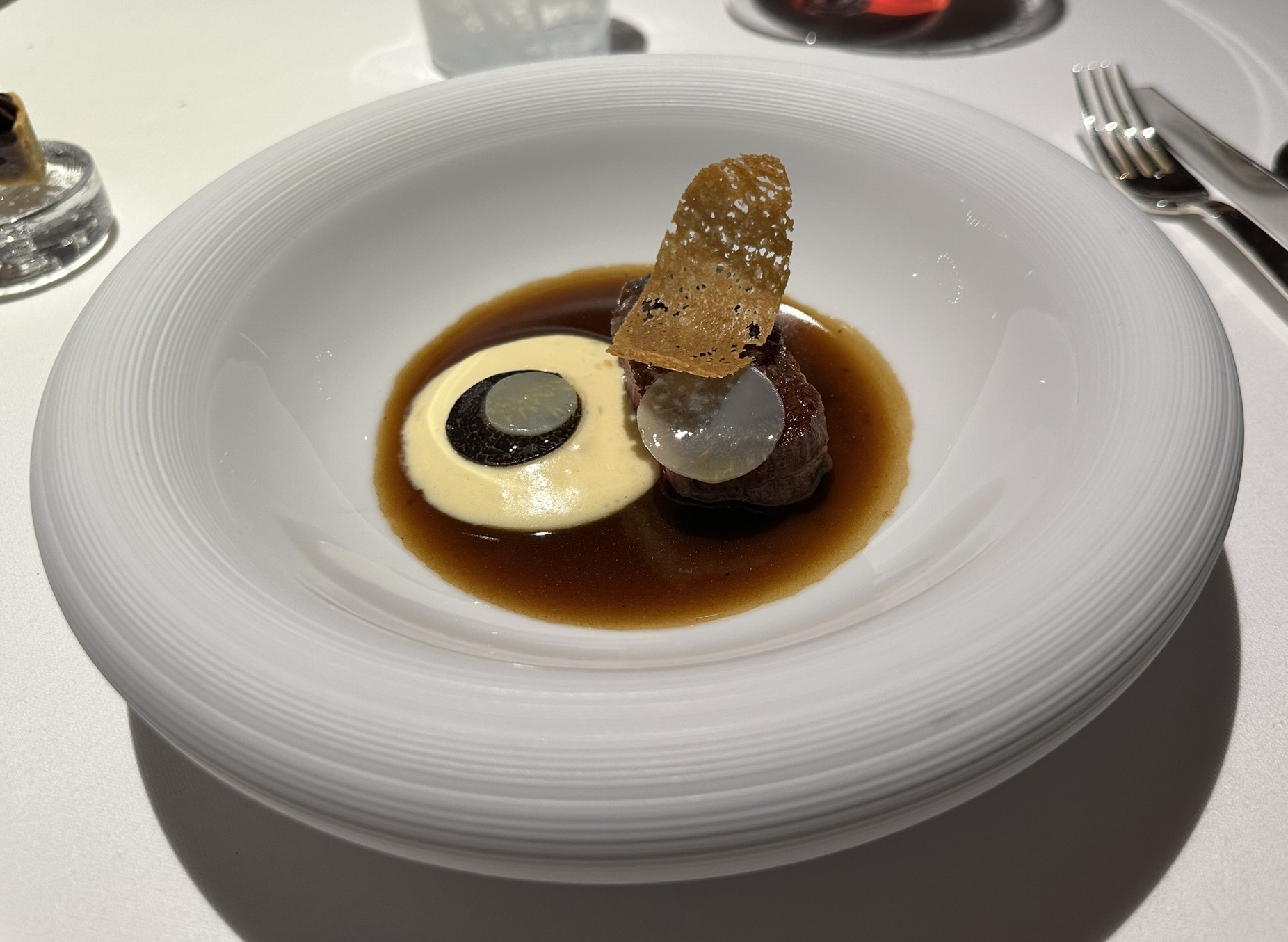
The main course was AKUNE GOLD BEEF – Vacherin Mont D’Or | Artichoke | Perigord Truffle. The award-winning beef was cooked perfectly—tender, richly flavored, and melting on the palate. Black truffle sauce provided earthiness, while the melted cheese added pungent complexity. A small side dish of pâté filled with veal, truffle, and hazelnut was an excellent accompaniment.

A pre-dessert of CLASE AZUL REPOSADO – Blood Orange , Mint , Whey was refreshing and vibrant. Bright citrus notes dominated, while minty foam added lift—an ideal palate cleanser and seamless transition into dessert.

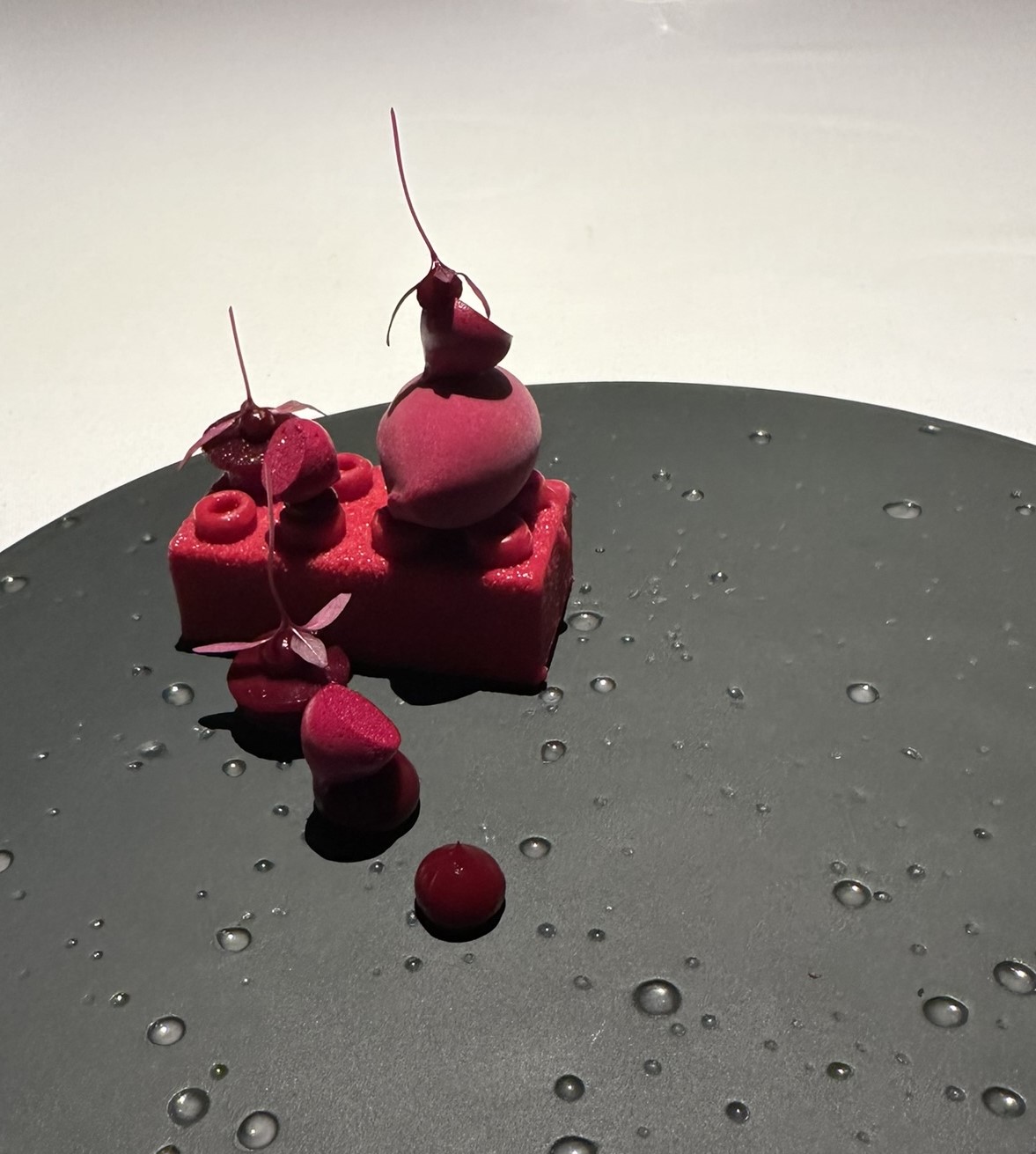
The main dessert, BRICK IN THE WALL – Spiced Milk , Beetroot ,Raspberry, is a signature inspired by Pink Floyd. Designed to resemble a Lego brick, it was made from spiced milk custard and tonka bean, encased in beetroot and raspberry. Additional textures—macaron, sorbet, and beetroot elements—completed the plate. On its own, the custard was subtly spiced, but when combined with the other components, the dessert became beautifully balanced and surprisingly complex.

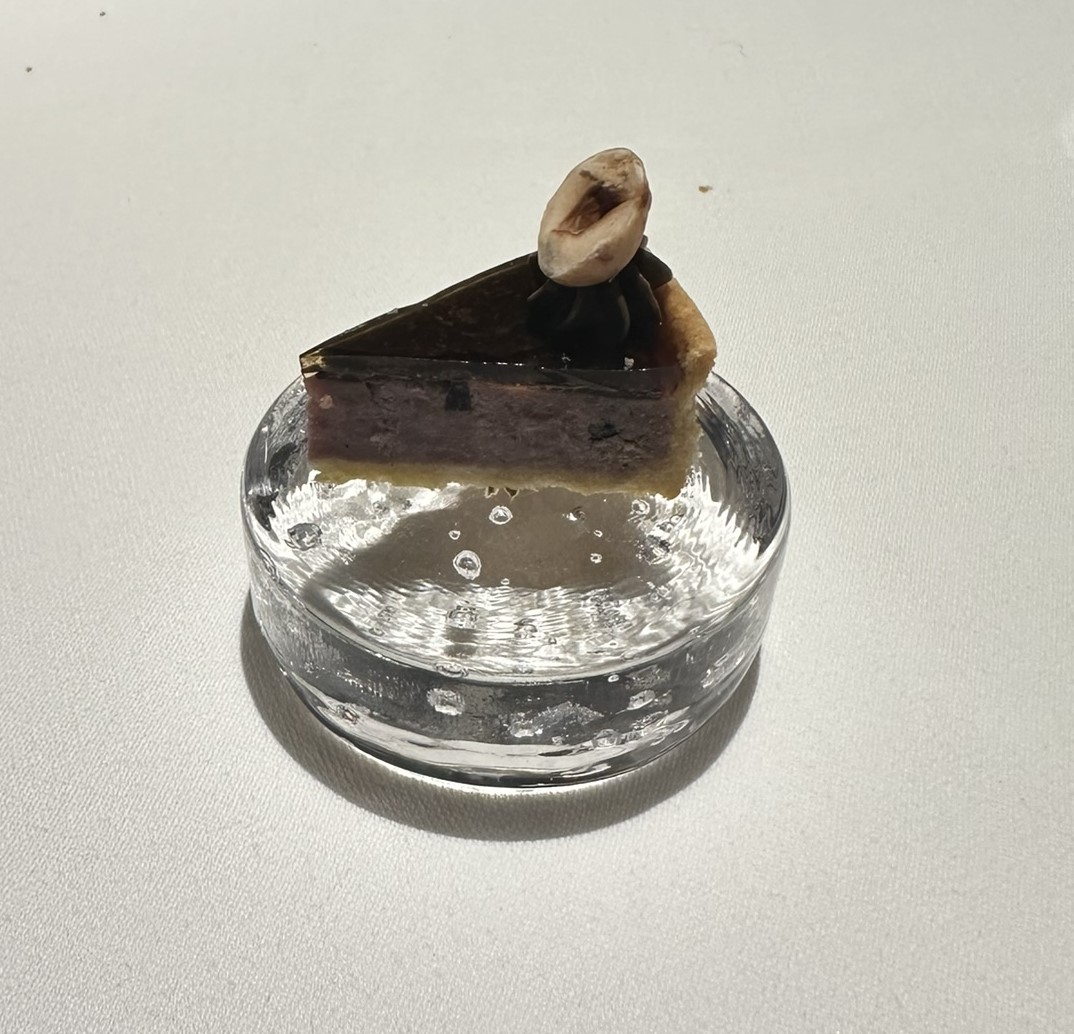
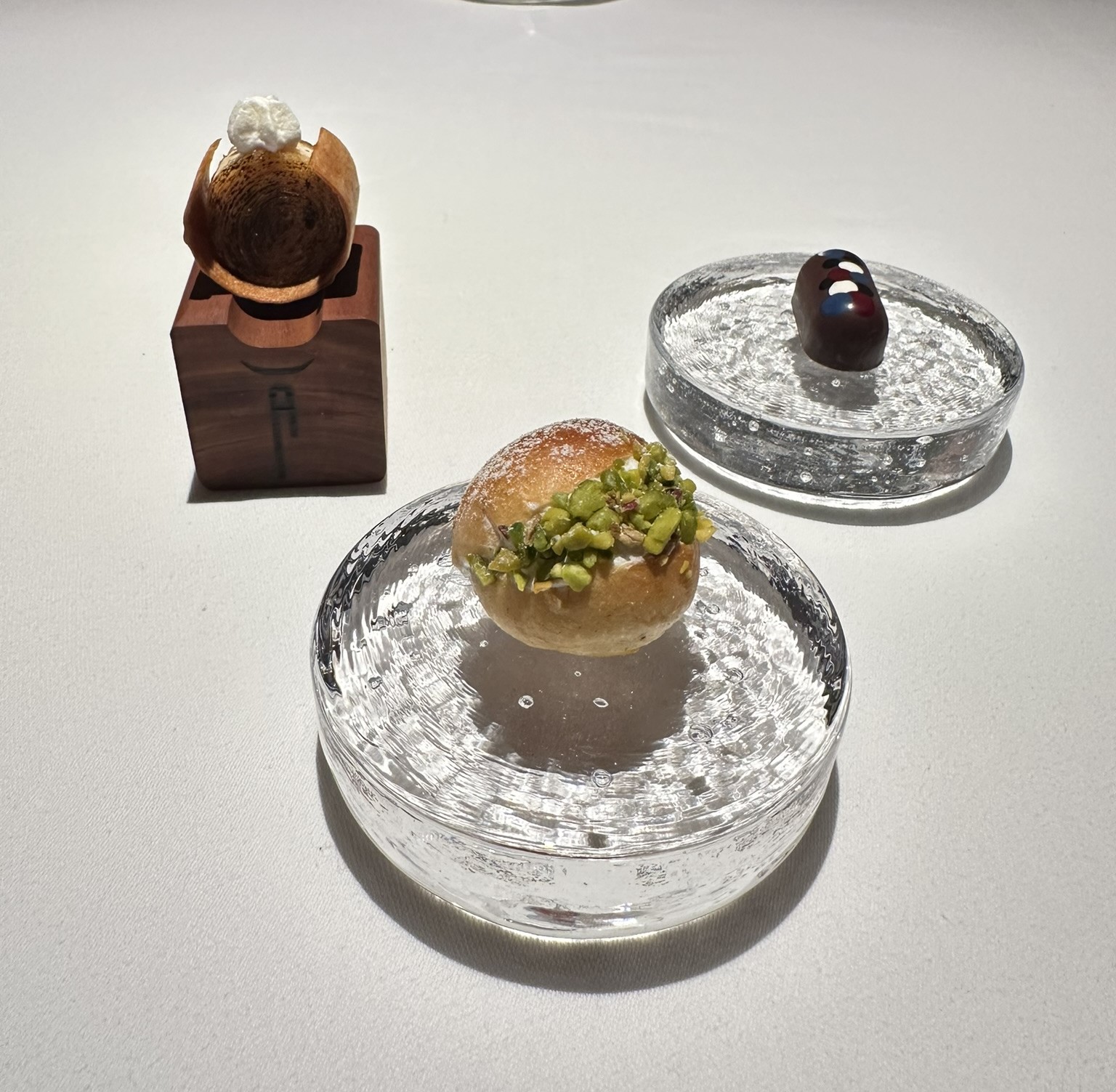
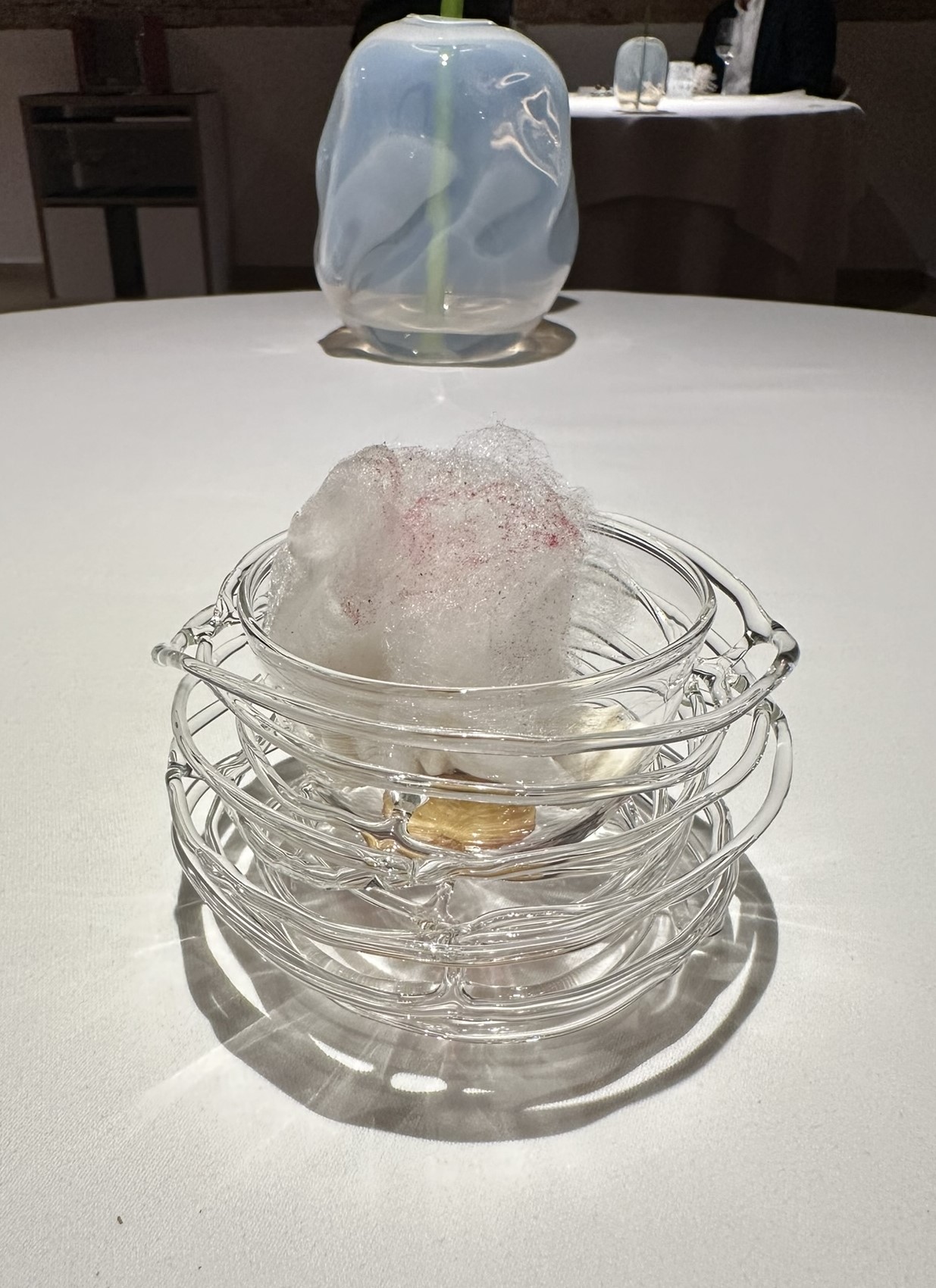
Petit fours, titled Pequeñas Locuras, included Turrón, Iyokan, Kayambe Lait, Maritozzi di Roma, Sour Cherry, Pistachio, Apfelstrudel 2.0 , no Raisins, and Lavazza Reserva de Cuba. The final “Happy End” was Amador’s refined take on Kaiserschmarrn—caramelized shredded pancake served with wild blueberry ragout, crème fraîche, and finished with cotton candy. It was a playful yet elegant conclusion to a long meal.

Dinner at Amador is lengthy and designed to be savored. The food is precise, thoughtful, and impeccably composed, with flavors and textures in perfect harmony. Only the finest ingredients—sourced both locally and internationally—are used. Chef Amador masterfully weaves his Spanish roots into dishes shaped by Austrian influences. It was, without question, a wonderful dinner.

PEQUEÑAS LOCURAS:

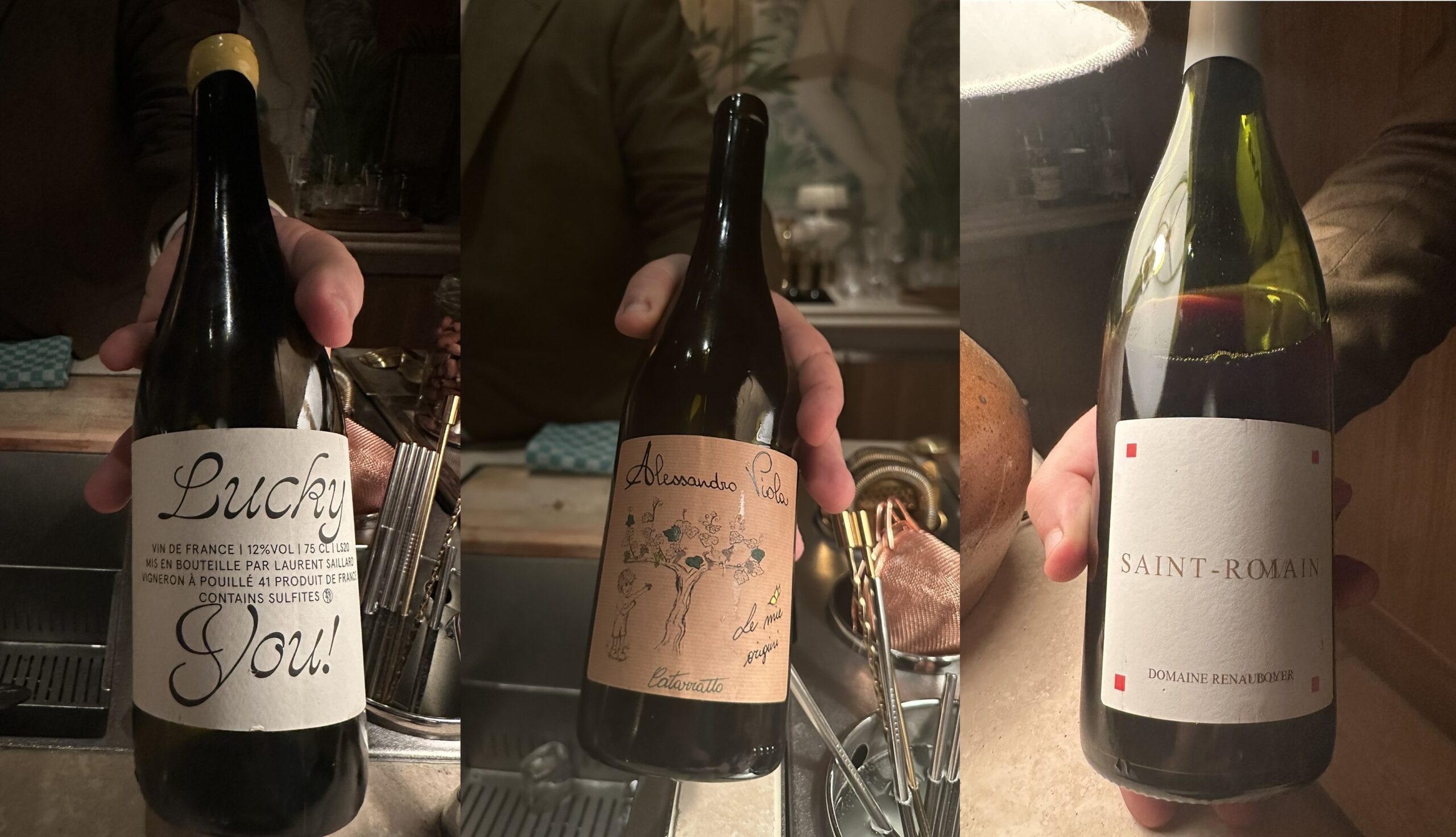
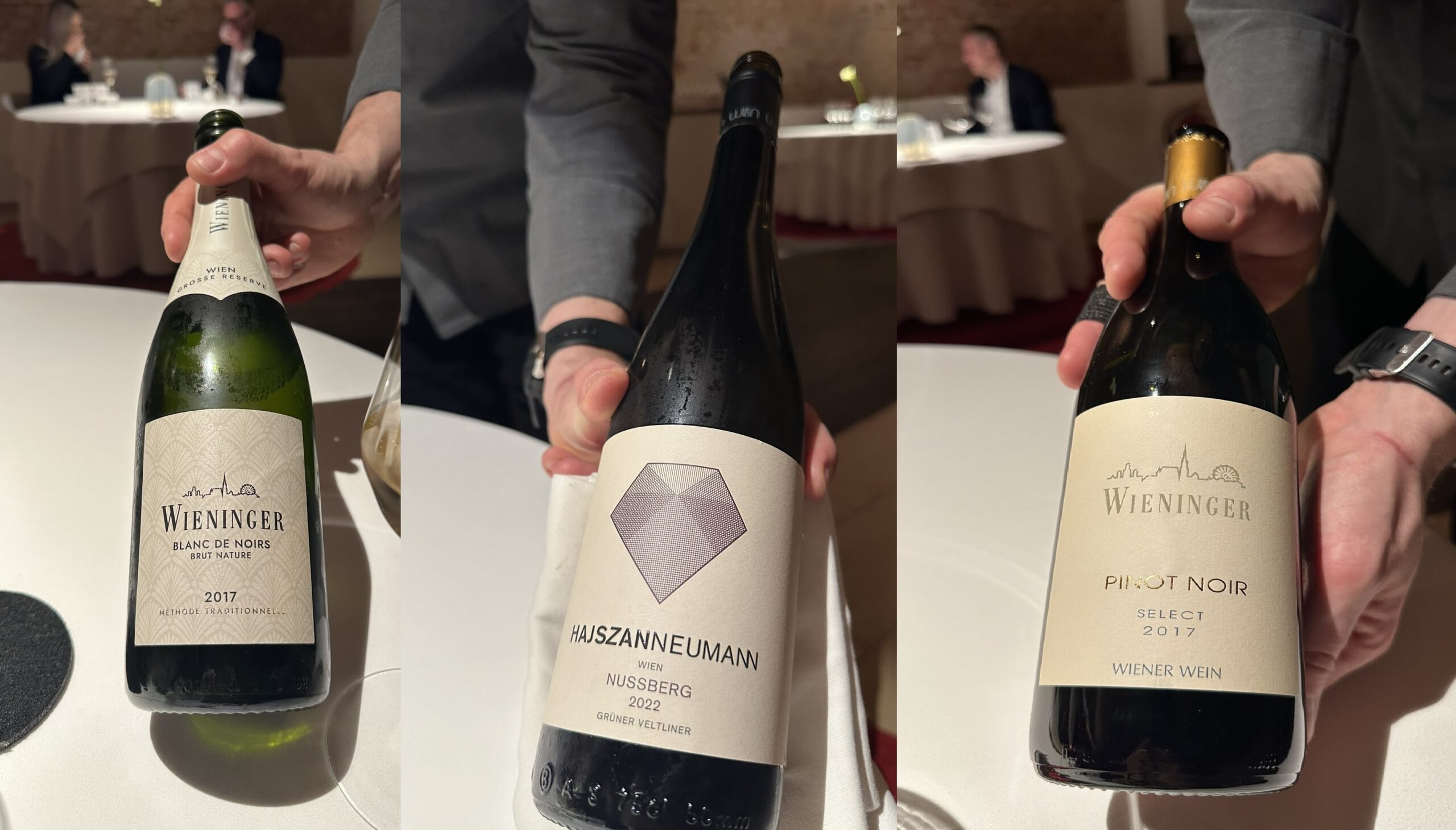
I asked the sommelier to focus on local Viennese wines, and he curated two whites for the early and middle courses, followed by a Wieninger Select Pinot Noir 2017. All pairings were spot-on, enhancing each dish. The Pinot Noir paired with the beef was particularly superb.

Service at Amador was ultra-formal, bordering on robotic. The staff appeared somewhat stiff but were exceptionally knowledgeable. They spoke when spoken to, remained unobtrusive throughout the meal, and somehow appeared instantly whenever a glass needed refilling or a plate clearing—allowing uninterrupted focus on the food.

Vienna is an expensive city, especially at the fine-dining level, and Amador is no exception. At €395 for food alone—well over $400—plus wine, the bill can easily exceed $500. It sits at the higher end of pricing among three-Michelin-starred restaurants I’ve visited.

As Austria’s first three-Michelin-starred restaurant, Amador carries immense pressure to perform consistently at the highest level. With a chef deeply experienced in Michelin stardom and kitchen intensity, Amador fully delivers. Vienna hardly needs validation as a great food city, but with Chef Amador planting his roots here and achieving this historic milestone, the city’s place among the world’s great dining destinations is firmly cemented.

Odette ***

Odette
At The National Gallery Singapore
 1 St Andrew’s Rd, #01-04
Singapore 178957
+65 6385 0498
Official Site

Singapore has long been a gastronomic haven. You can enjoy something delicious and freshly made at a hawker center for just a few dollars, or splurge at one of the city’s many high-end, internationally acclaimed restaurants. The country truly has it all. Michelin-starred spots are scattered throughout the city, along with several entries on both the World’s 50 Best and Asia’s 50 Best lists. Its dining scene easily holds its own against global culinary capitals like Paris, London, New York, and Tokyo. And at the center of it all, its most famous and arguably most decorated restaurant, is the three-Michelin-starred Odette.

Since opening in 2015, Odette has collected just about every major accolade out there. It claimed the No. 1 spot on Asia’s 50 Best Restaurants list in both 2019 and 2020, appears annually on the World’s 50 Best list, and is a proud member of Les Grandes Tables du Monde. In the inaugural 2016 Singapore Michelin Guide, it earned two stars, and by 2019 it had ascended to the coveted third star.

The restaurant is a collaboration between Chef Julien Royer and The Lo & Behold Group, known for operating some of Singapore’s top dining concepts locally and abroad. Chef Royer sharpened his skills in several Michelin-starred kitchens in France, including the highly regarded Michel Bras, and later cooked at The Greenhouse in London. Before opening Odette, he helmed Jaan in Singapore, which entered the World’s 50 Best under his leadership. Today he remains chef-founder of the one-star Louise in Hong Kong and chef-patron of Claudine in Singapore.

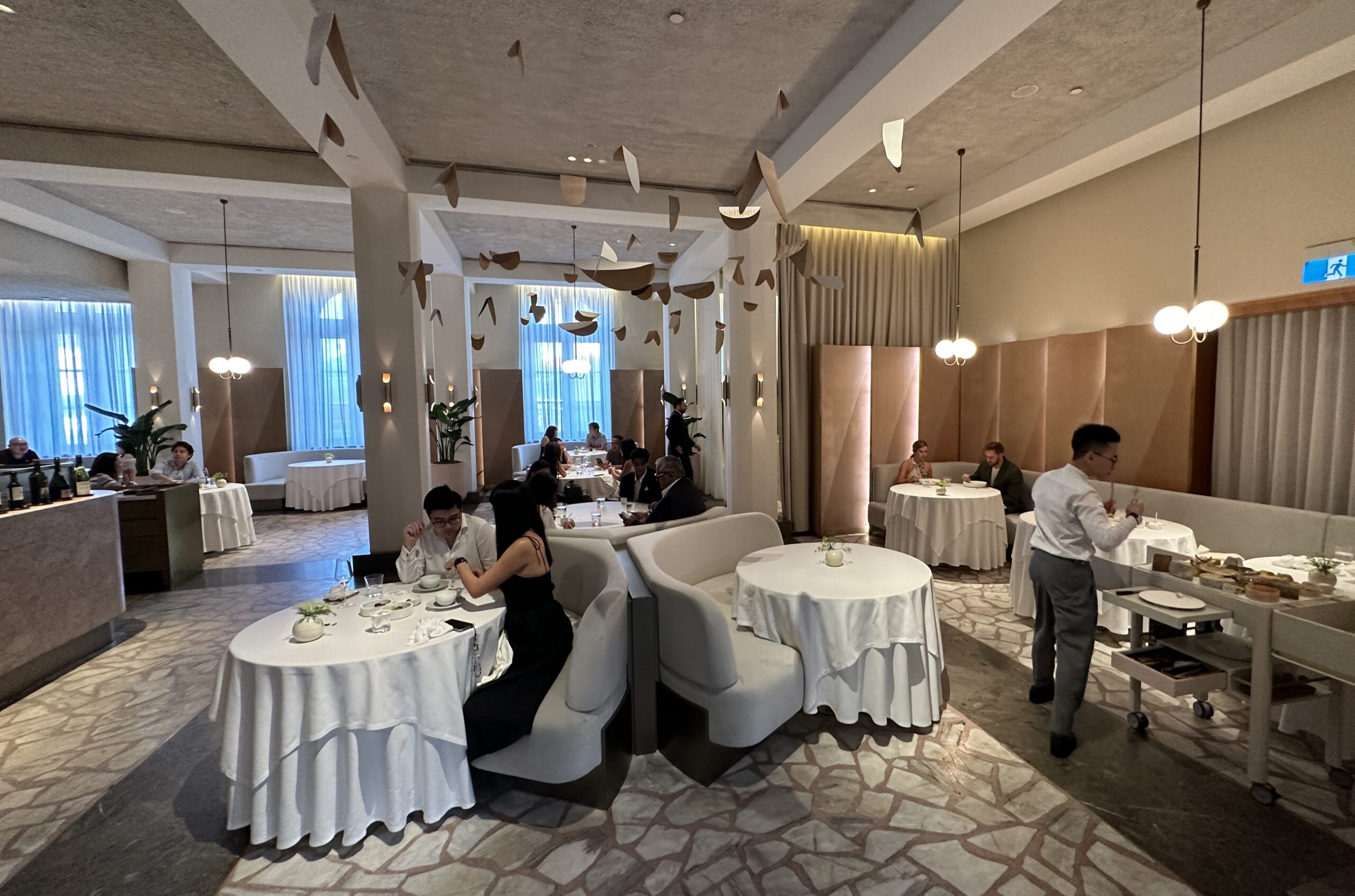
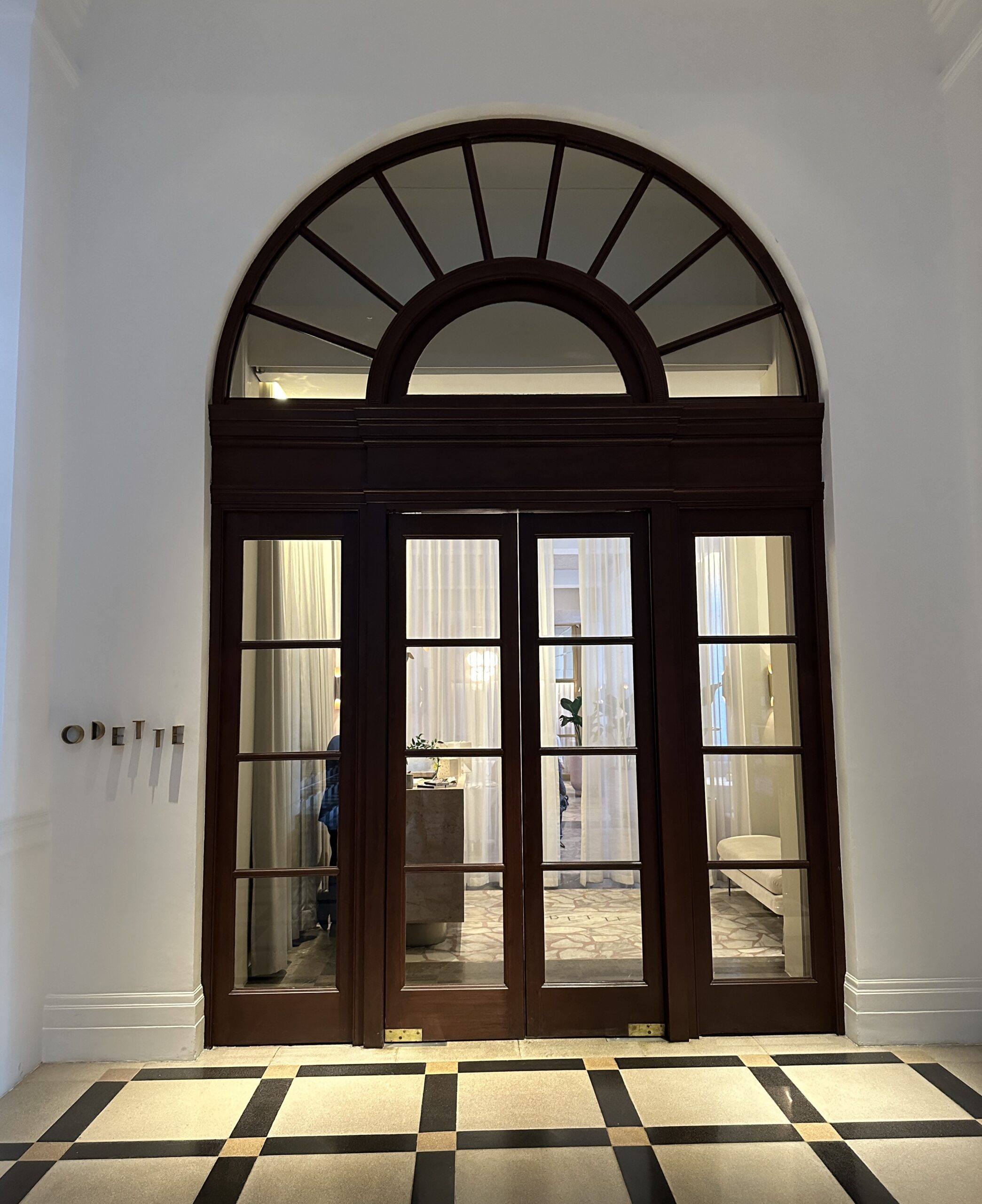
Housed inside the National Gallery Singapore, Odette’s dining room is bright, airy, and soft around the edges. Natural light floods in, bouncing off pale tones and a mosaic floor of broken marble pieces. Round white-clothed tables sit comfortably spaced apart, paired with plush booths and chairs. Through a sliding glass door, you catch glimpses of the kitchen at work. The décor leans toward understated elegance, highlighted by a hanging art installation by Singaporean artist Dawn Ng.

Epicure Menu:

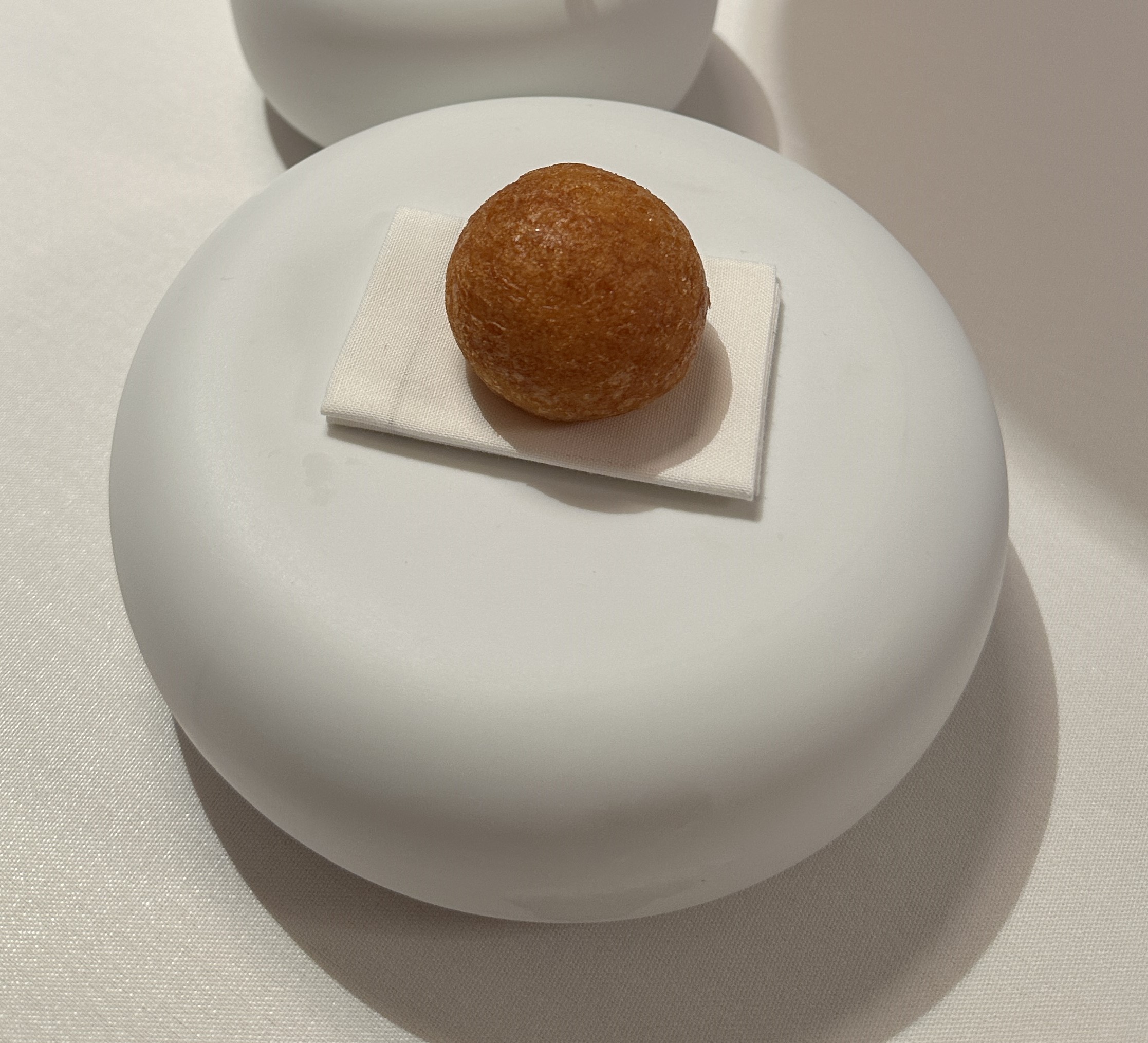
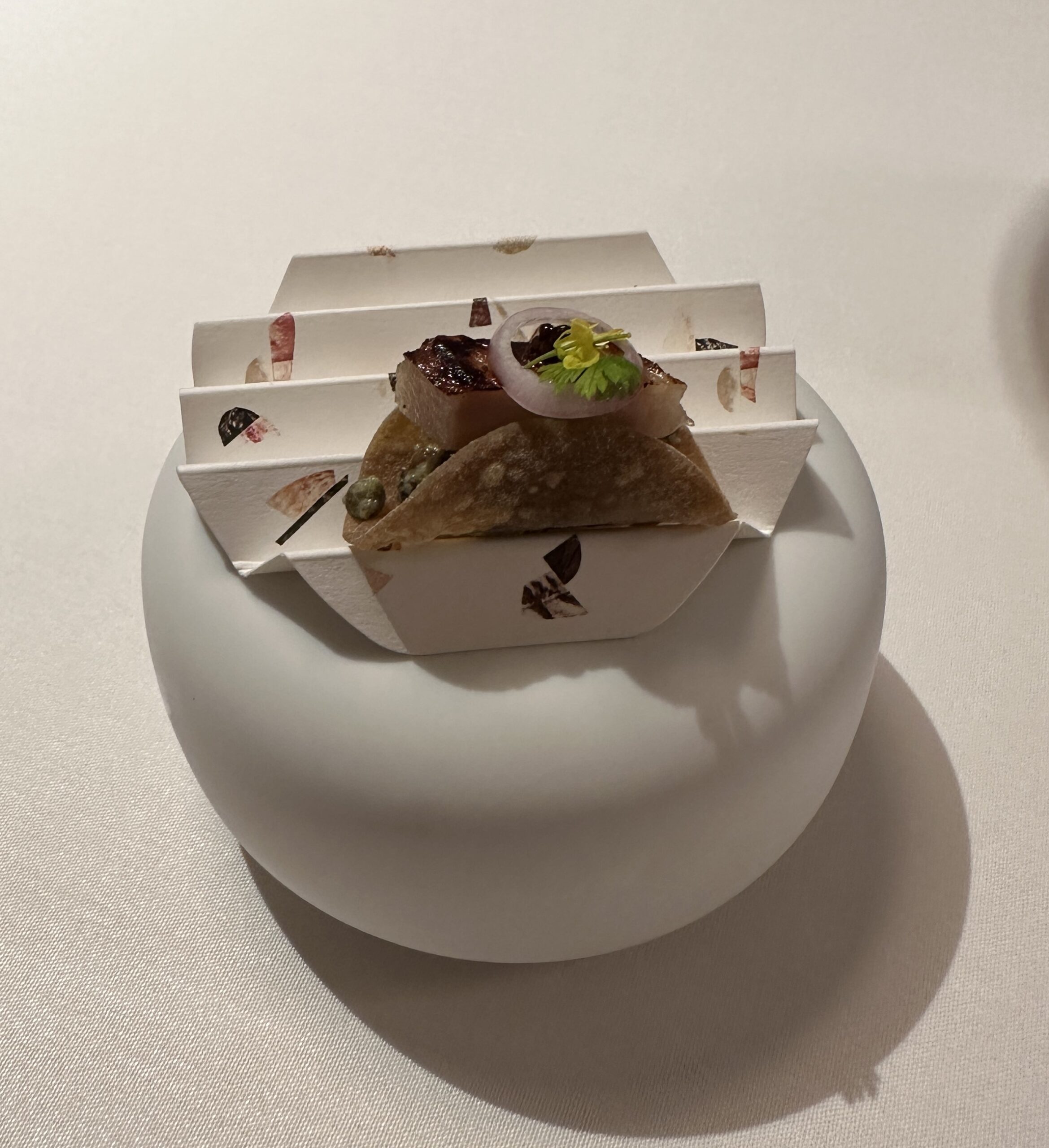
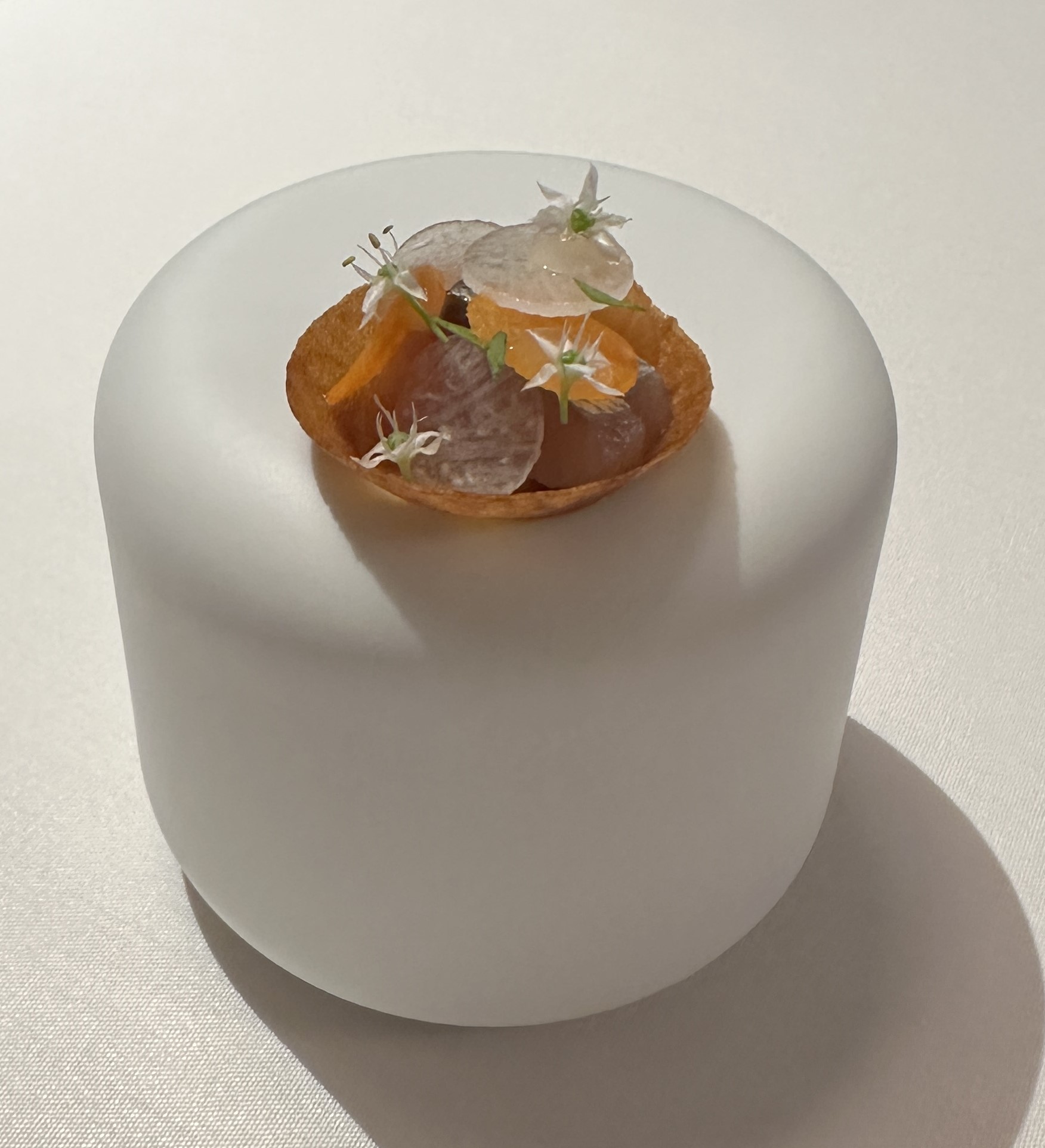
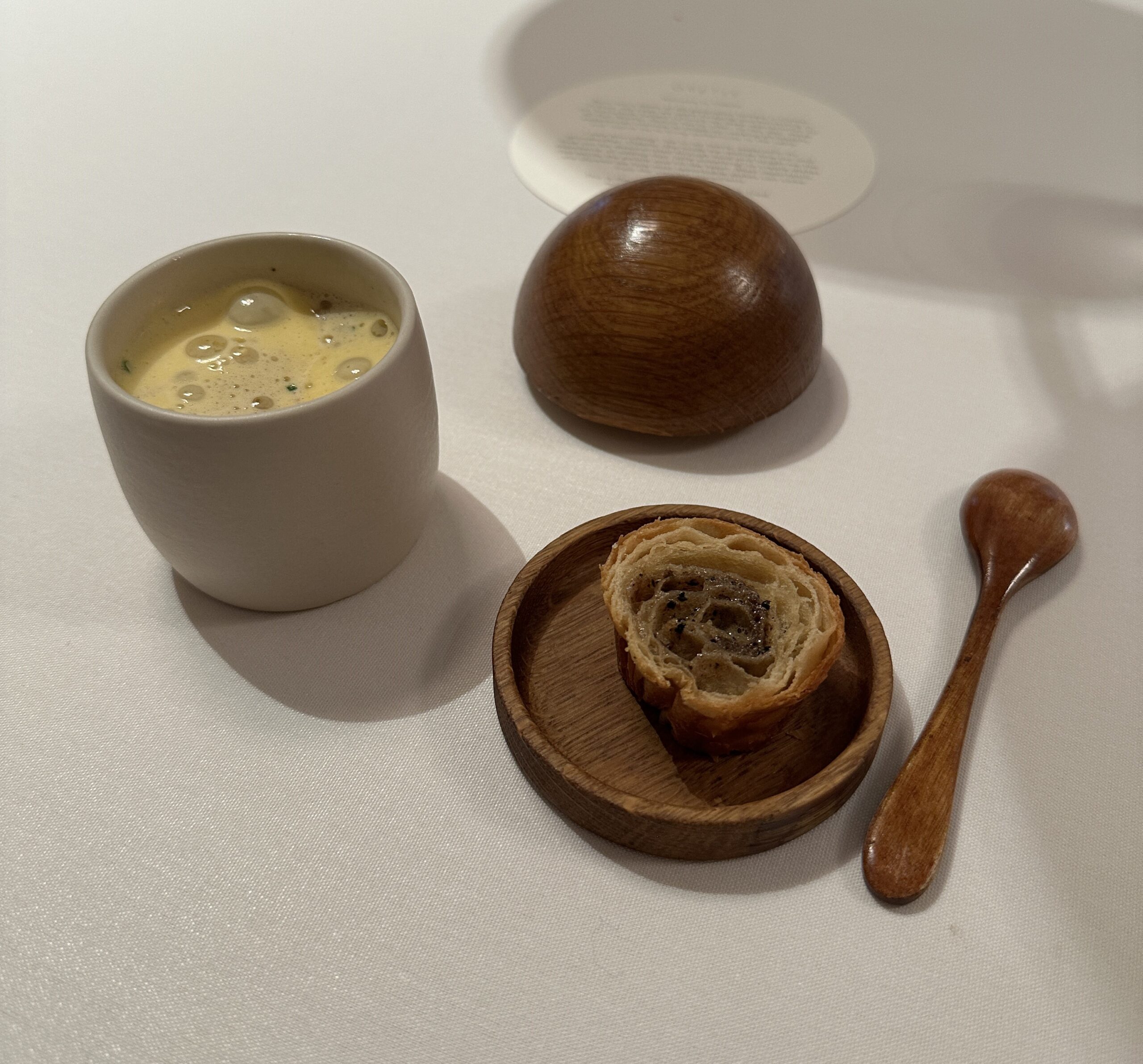
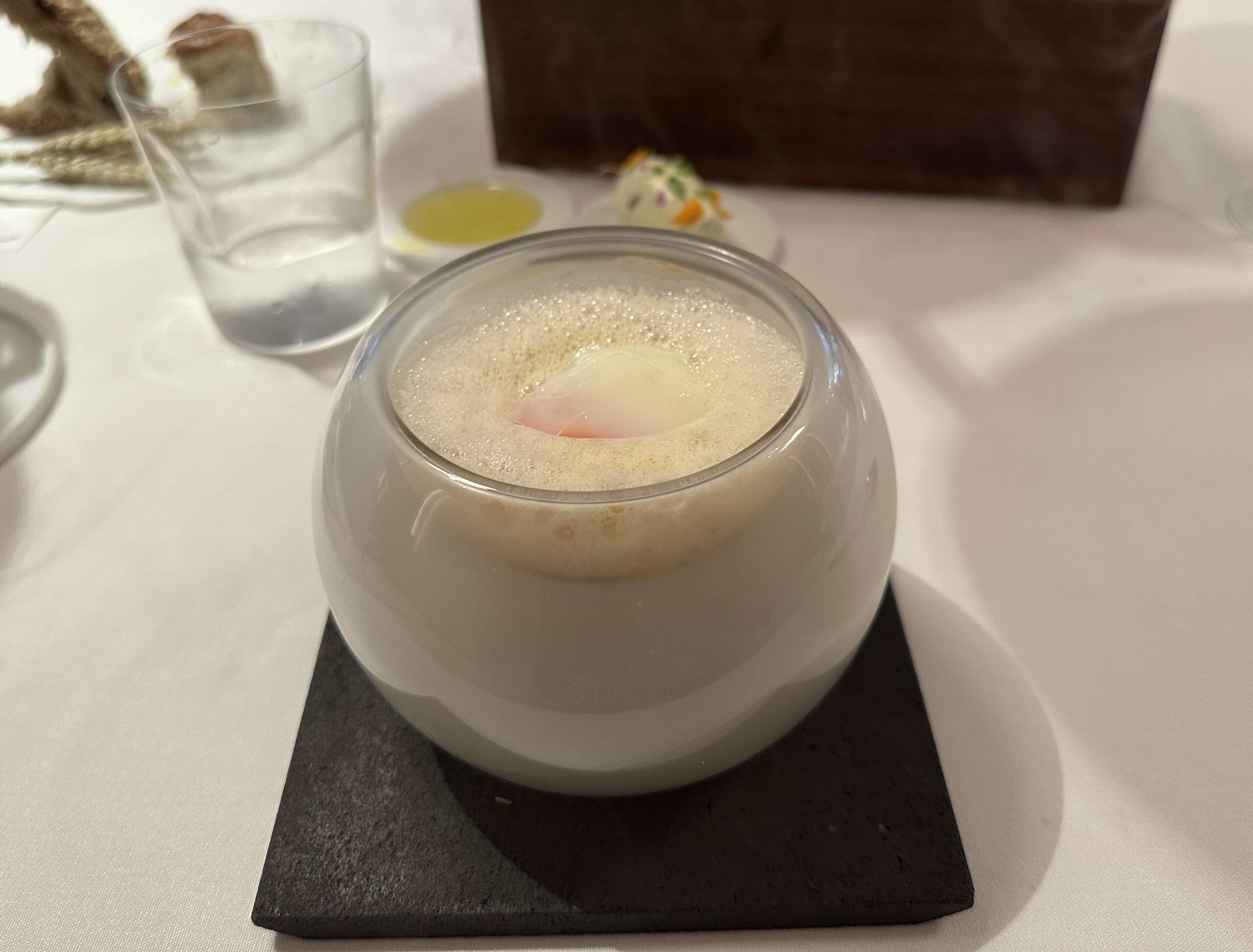
For lunch, I decided to go all in with the “Epicure” menu priced at $498 SGD. Things kicked off with Grignotages, three playful little bites: a cheese donut, a pork taco with wasabi, and an escabeche tartlet. Right after came a silky sabayon egg custard with black truffle and mushroom tea. The earthy aroma hit instantly, and pairing each sip with a bite of brioche slathered in mushroom butter made it even better. A great start.

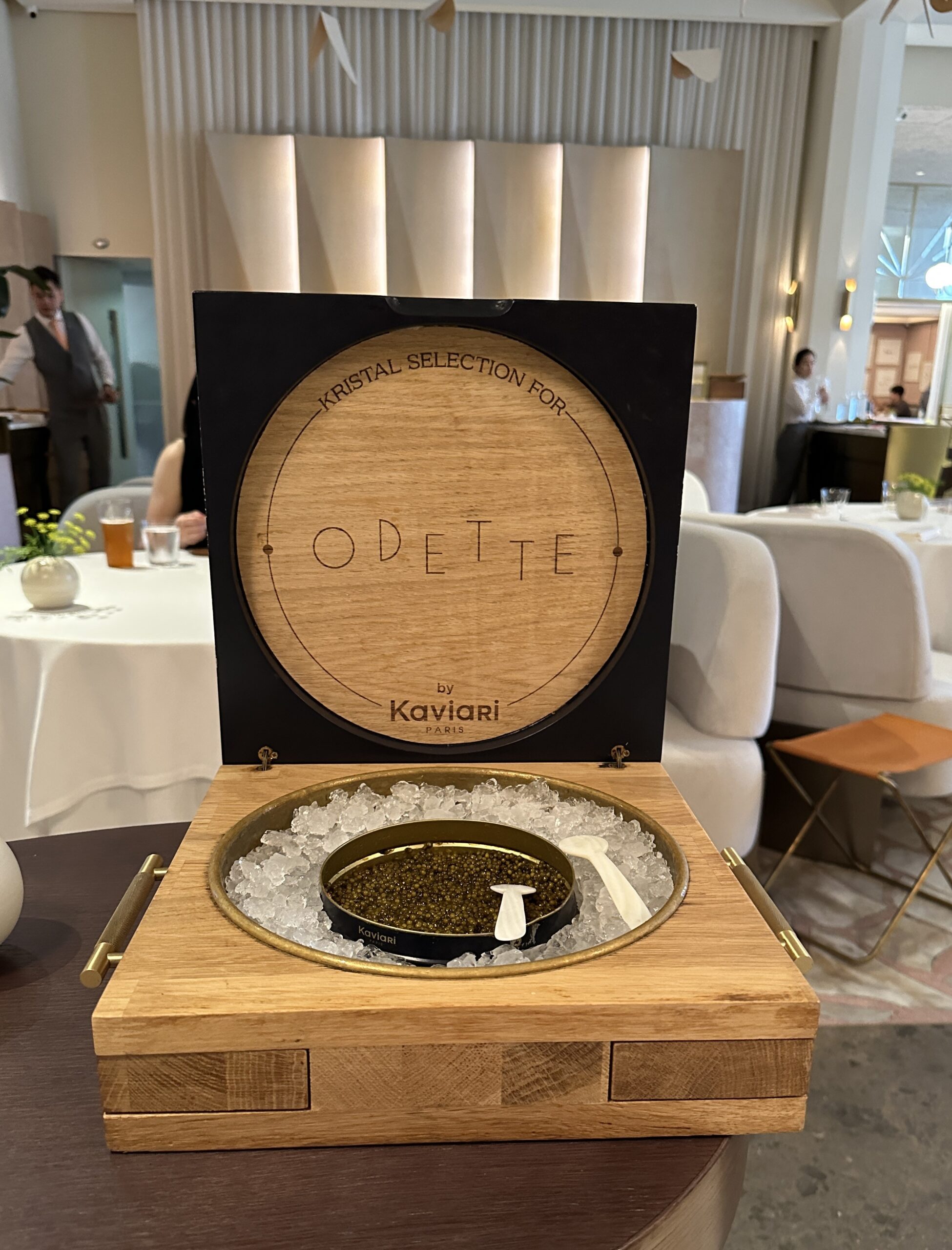
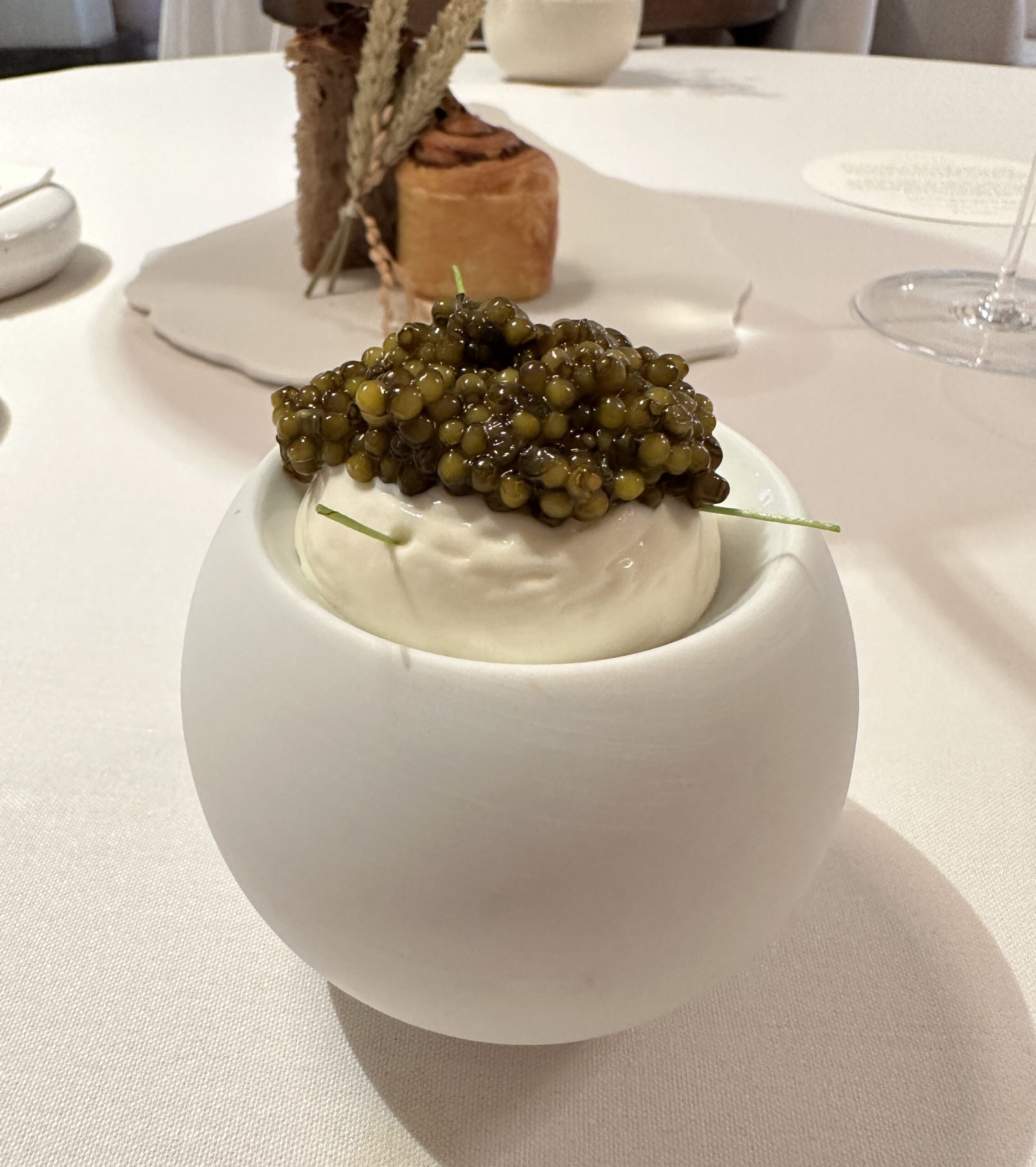
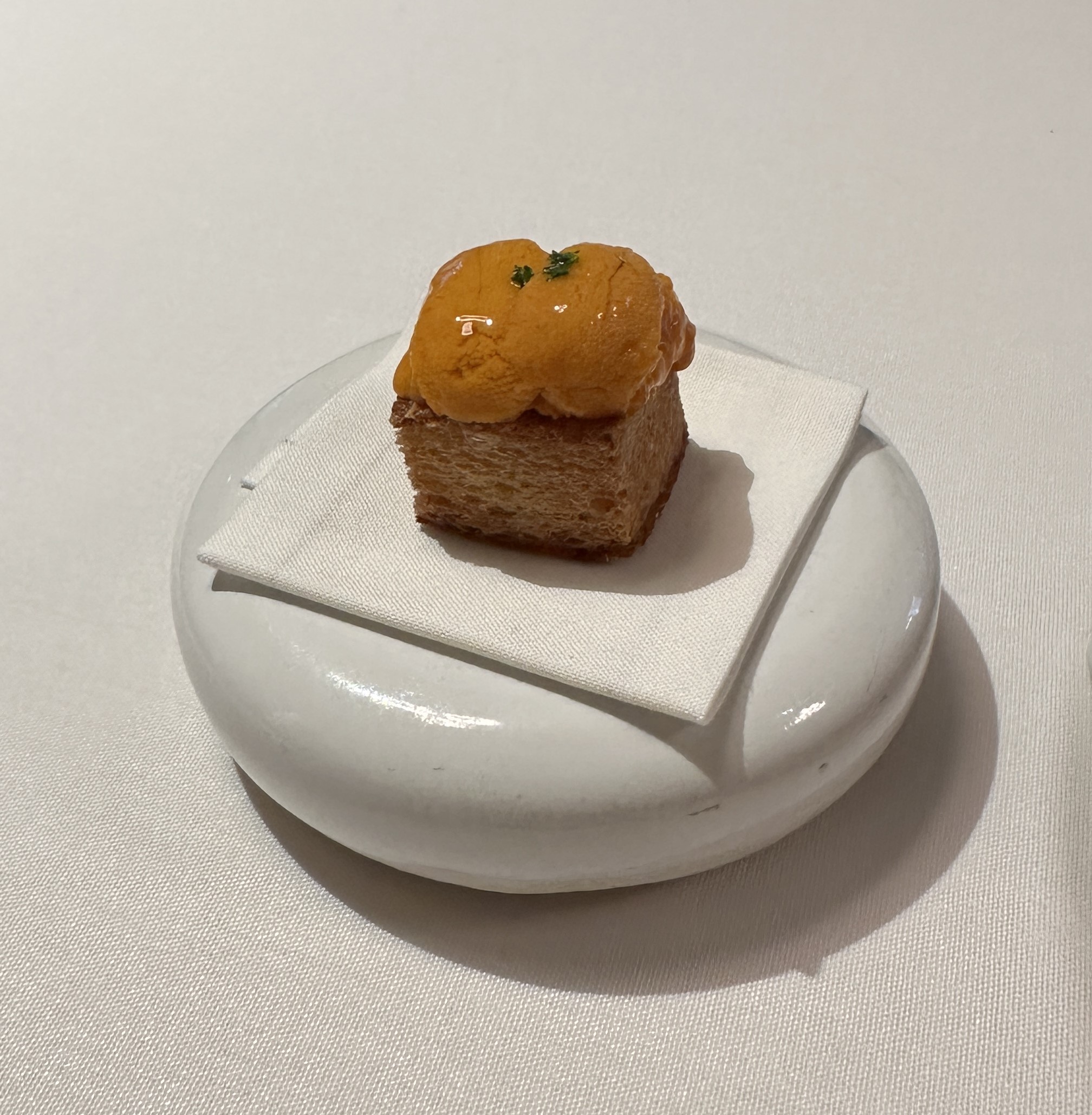
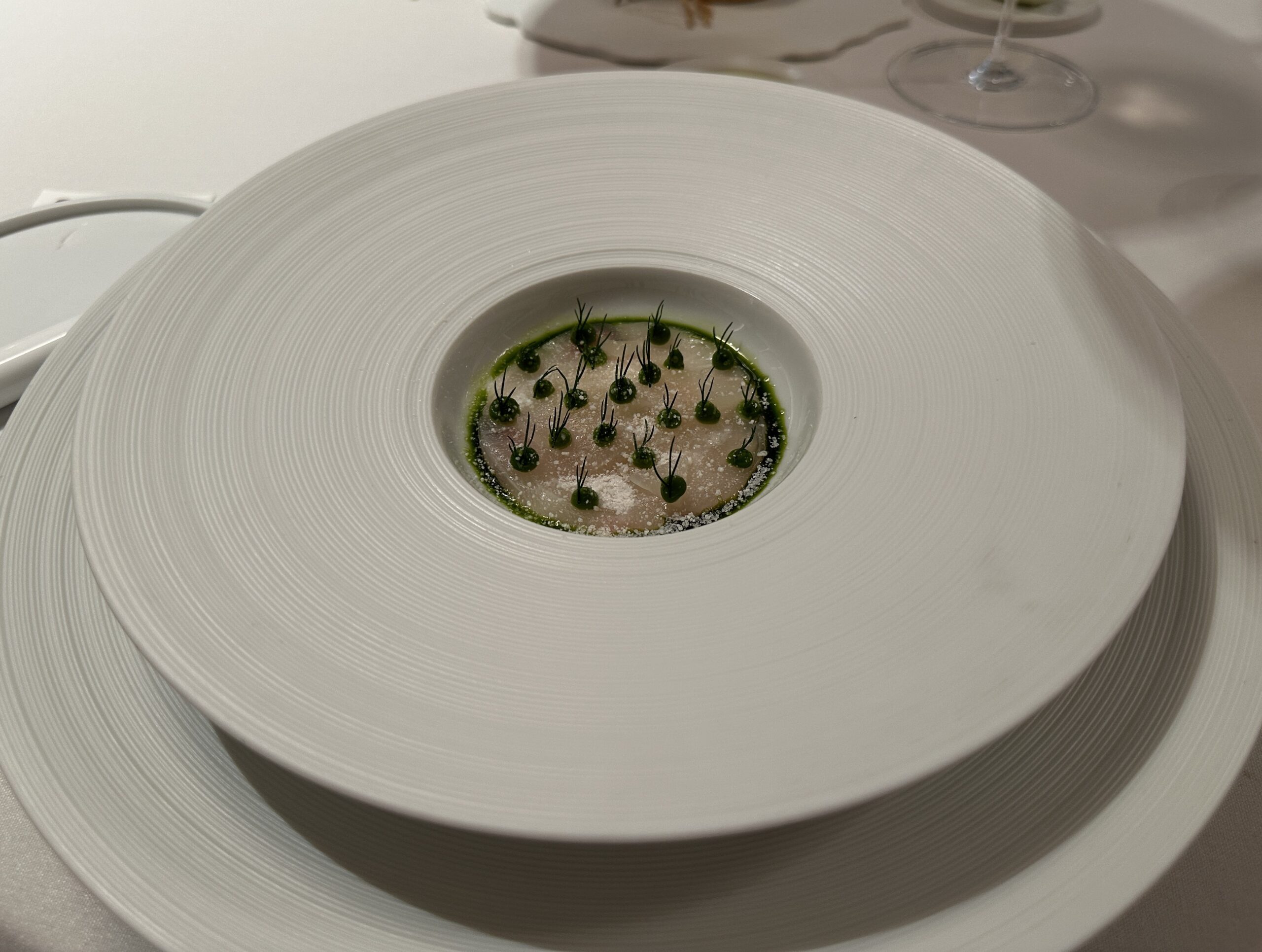
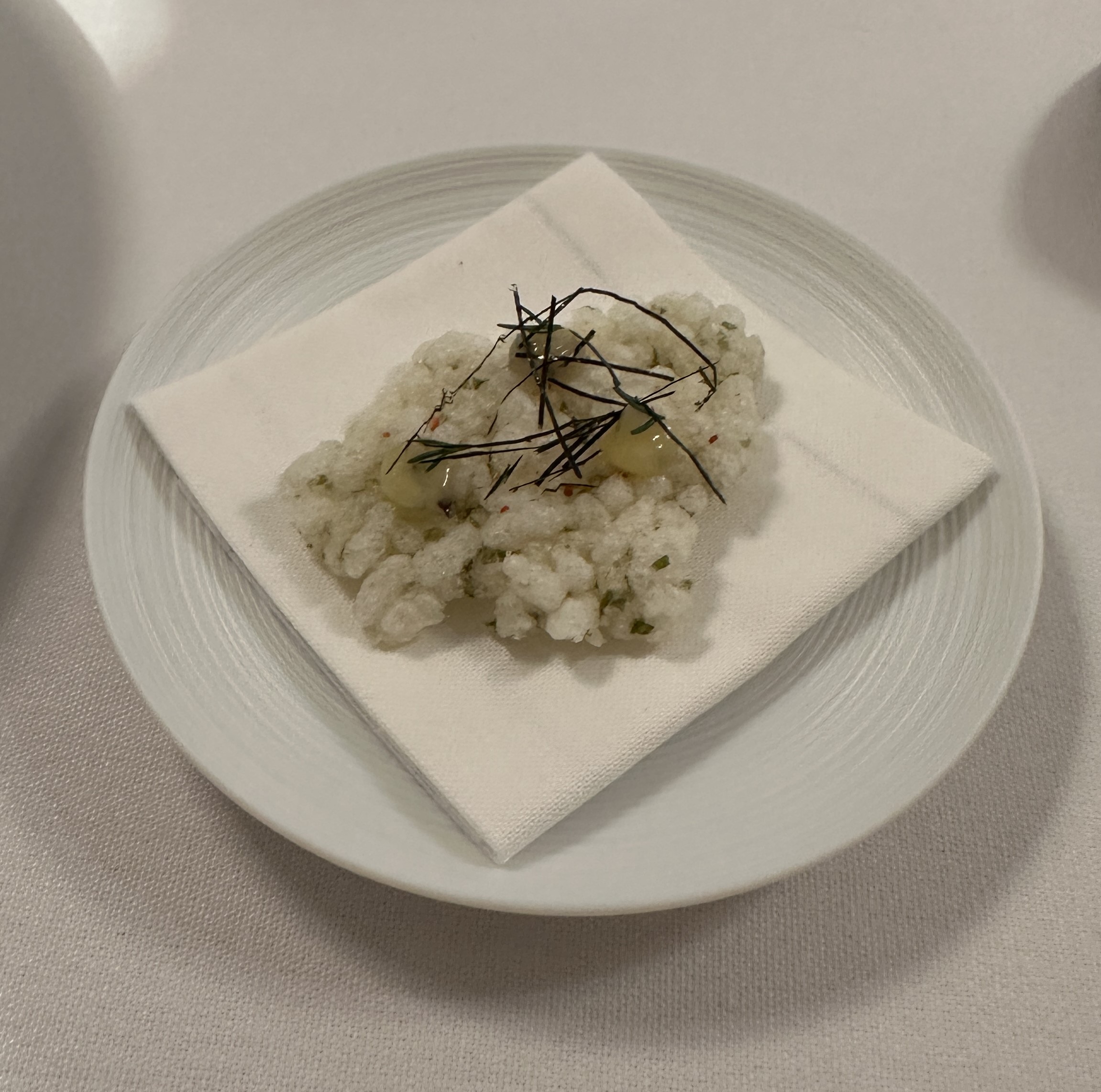
The first course, MARUKYO UNI – Red Sicilian prawn, Mussel cloud Kristal caviar, felt luxurious. The mussel mousse was rich and creamy with that unmistakable mussel flavor, while the prawns brought sweetness and the caviar added a clean salinity. On the side was a small, delicious uni toast. Next came the SHIMA AJI “CRUDO” – horseradish, rice & seaweed cracker, dill. The fish was laid over a tangy horseradish crème fraîche, while dill showed up in three forms, oil, purée, and fresh sprigs. It was finished with a dusting of buttermilk and horseradish snow for a subtle kick, and paired with crispy rice and seaweed crackers that added a fun, crunchy contrast.

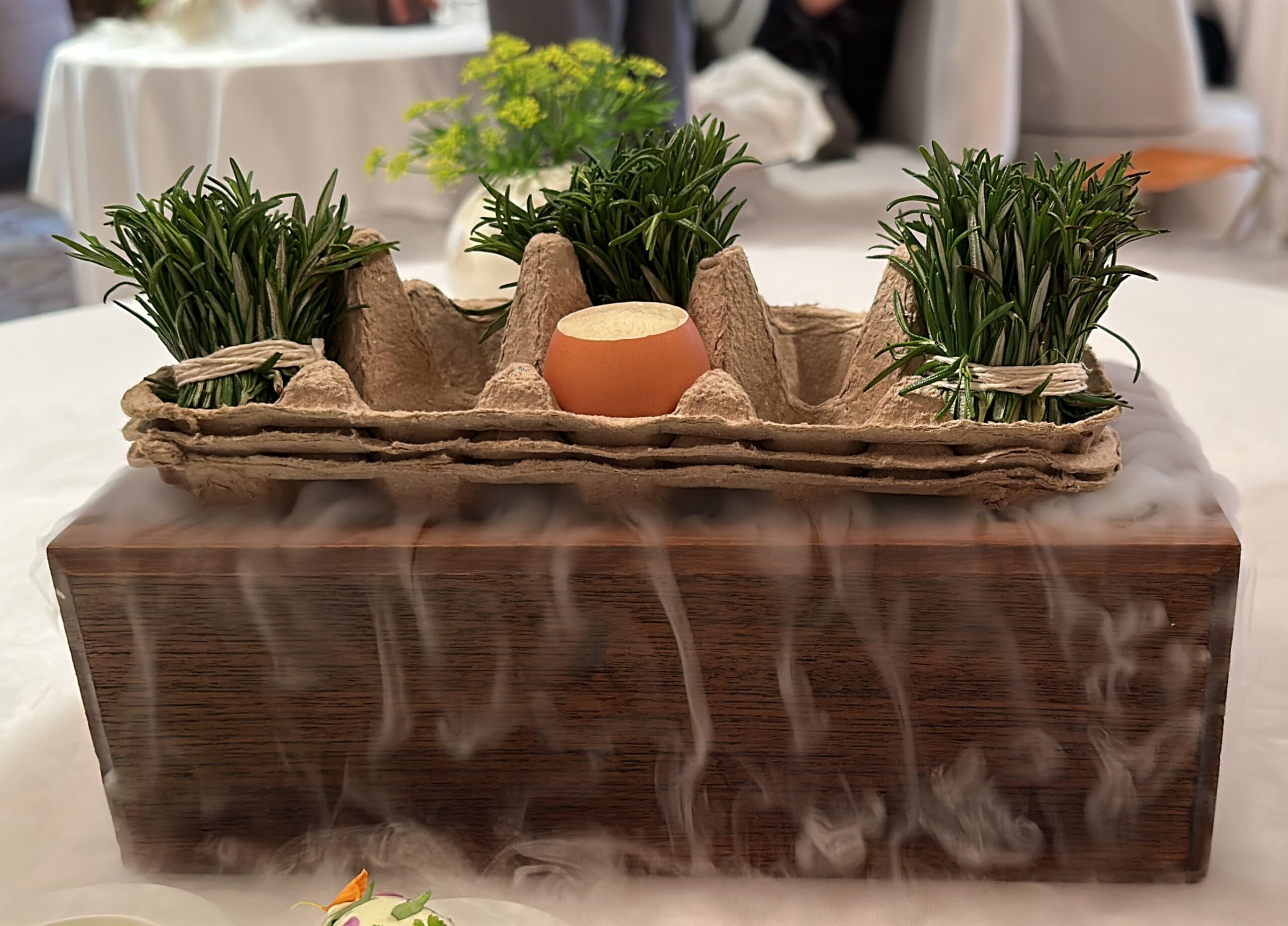
Then came one of Odette’s signatures: the ROSEMARY SMOKED ORGANIC EGG – smoked potato syphon, chorizo Iberco,meuniere. The dish arrived surrounded by a cloud of dry ice smoke, full theatrics. The smoked egg yolk and light potato foam created a comforting savory combination, while bits of chorizo added richness and a slight nuttiness. A terrific dish.

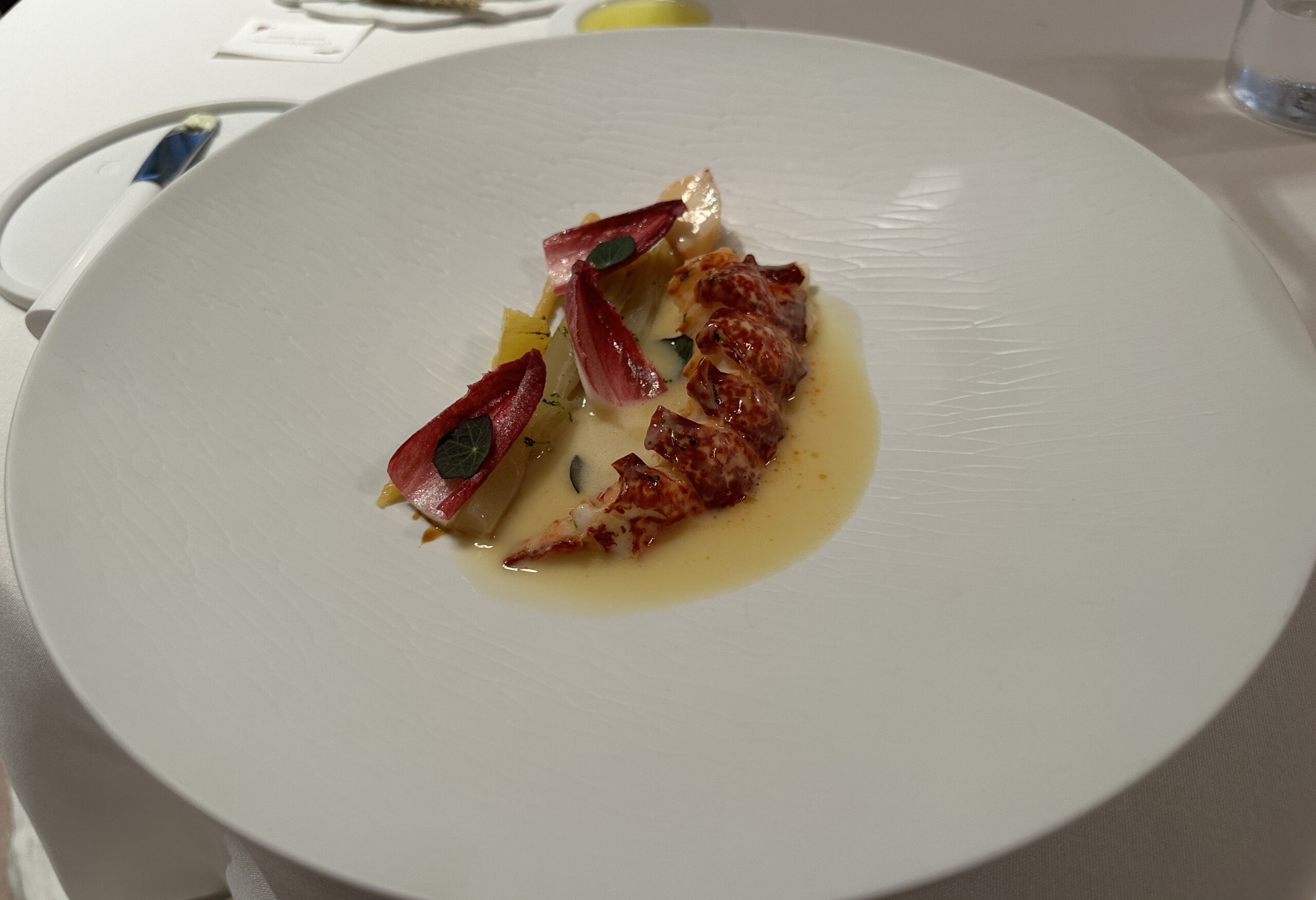
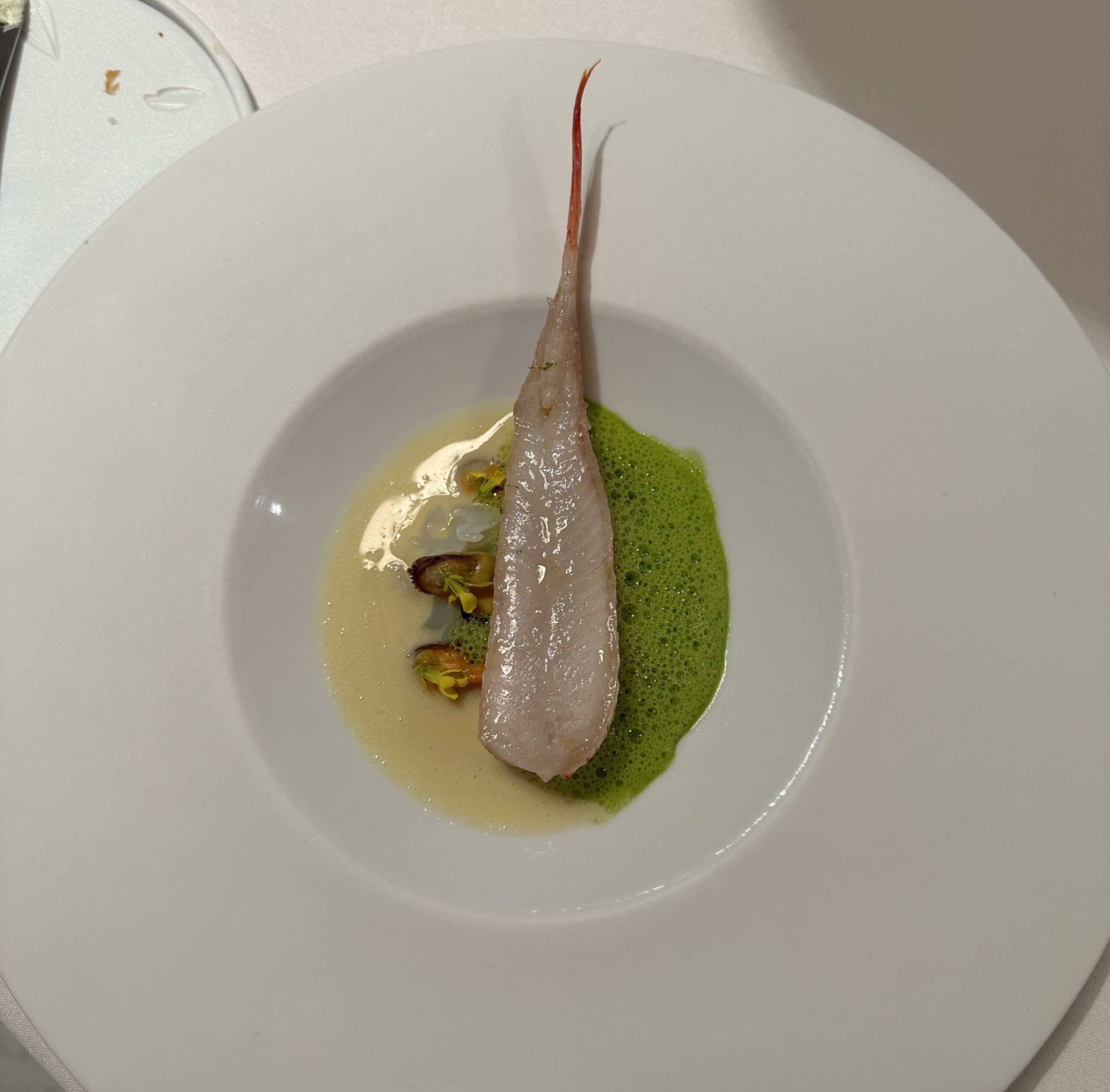
The SCOTISH BLUE LOBSTER – Kyoto miso, endive, sake beurre blanc followed, tender and luscious, dressed in a beurre blanc that was sweet, zesty, rich, and just slightly tangy. After that came the HOKKAIDO STEAMED KINKI – water cress, Morrisseau mussel, pink garlic veloute. The fish was soft, silky, and incredibly delicate. The mussels brought a deep ocean flavor, and the yin-yang sauce, half garlic velouté, half watercress, balanced sweet, smooth garlic with leafy bitterness.

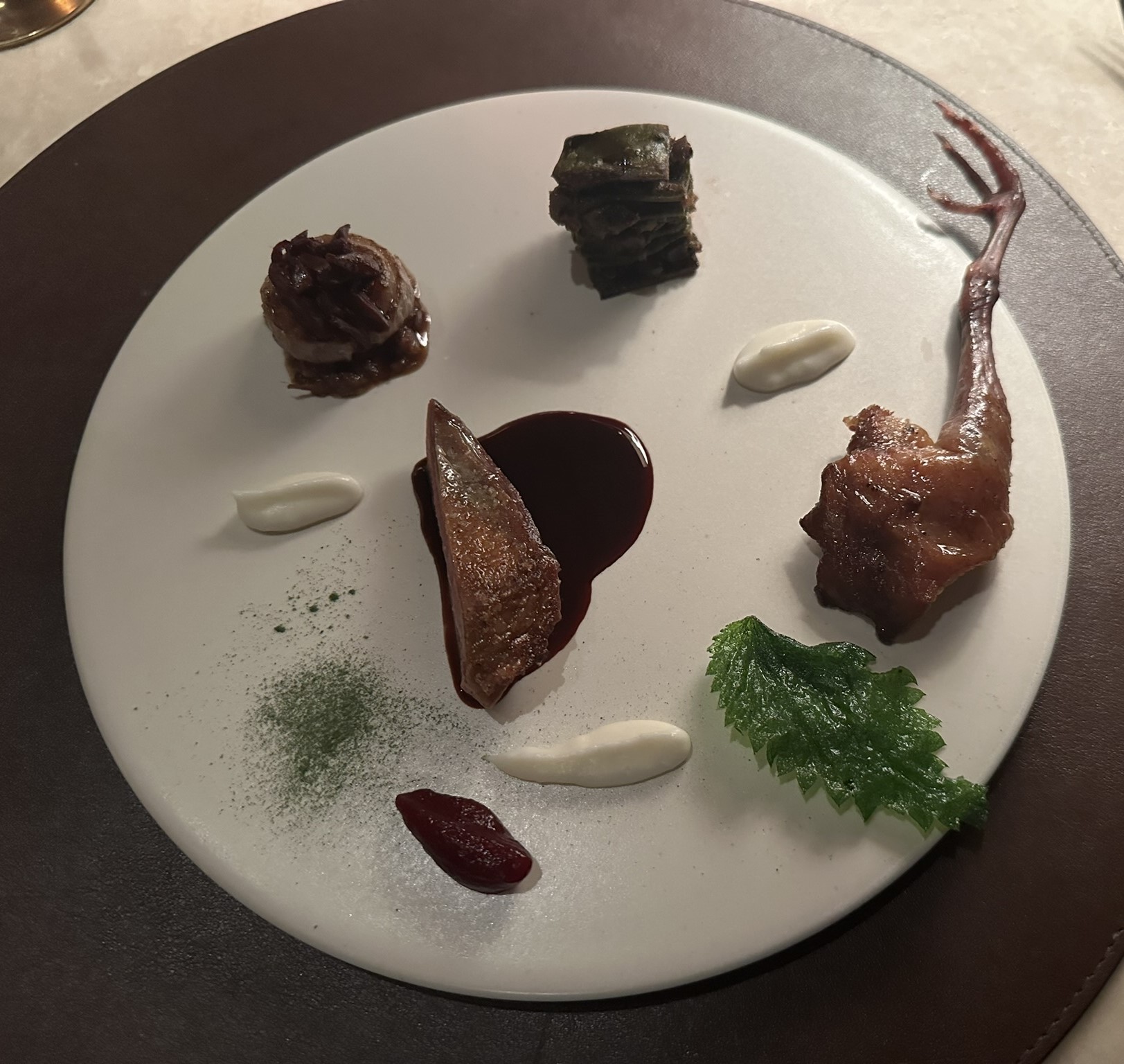
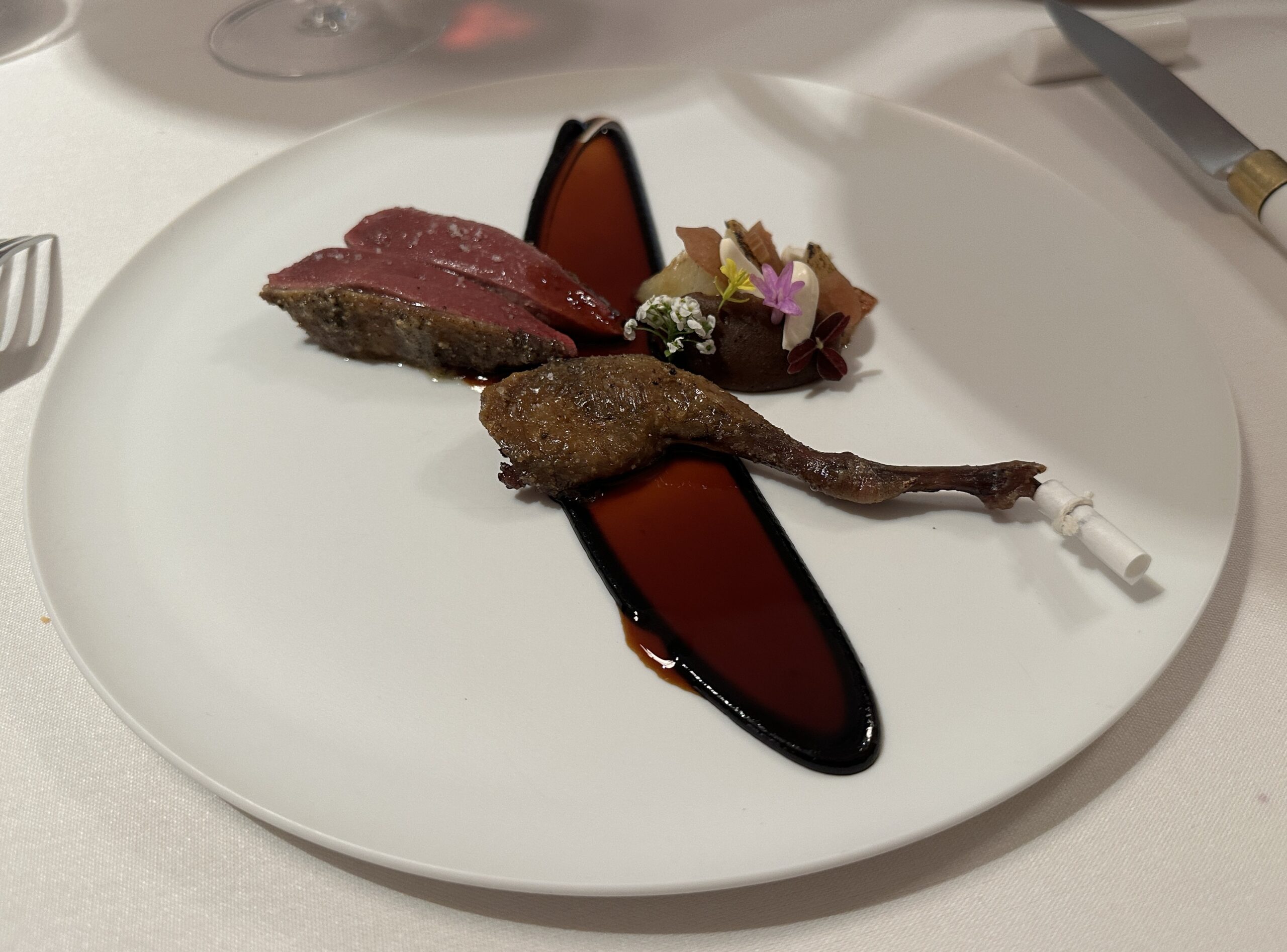
Before the main course, the server presented the whole  KAMPOT PEPPER CRUSTED PIGEON – Corsican peach, rhubarb, amaretto in a wooden box. The pigeon was excellent: tender, full of flavor, and coated in a crust that had a warm, sweet spiciness. The jus was delicious, and the leg meat slipped right off the bone. My server even brought a bun so I could soak up the remaining sauce, a small touch, but a thoughtful one.

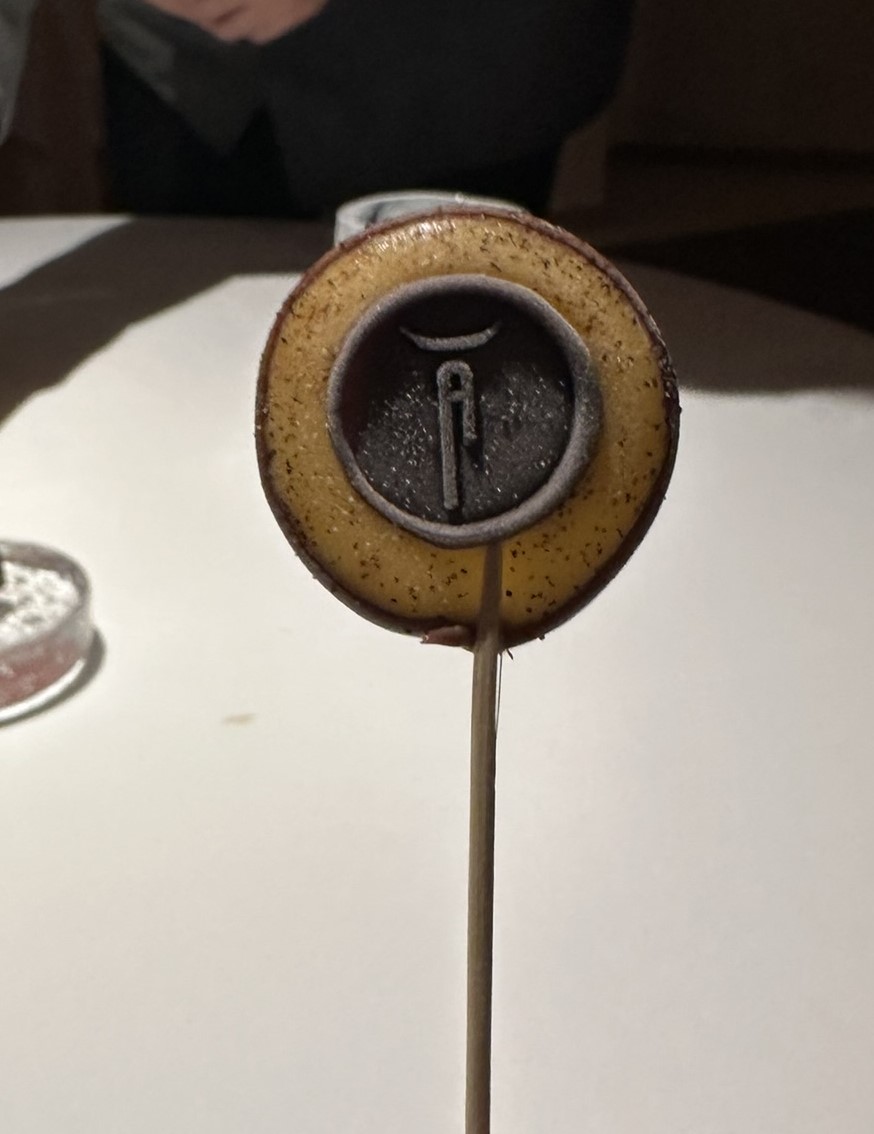
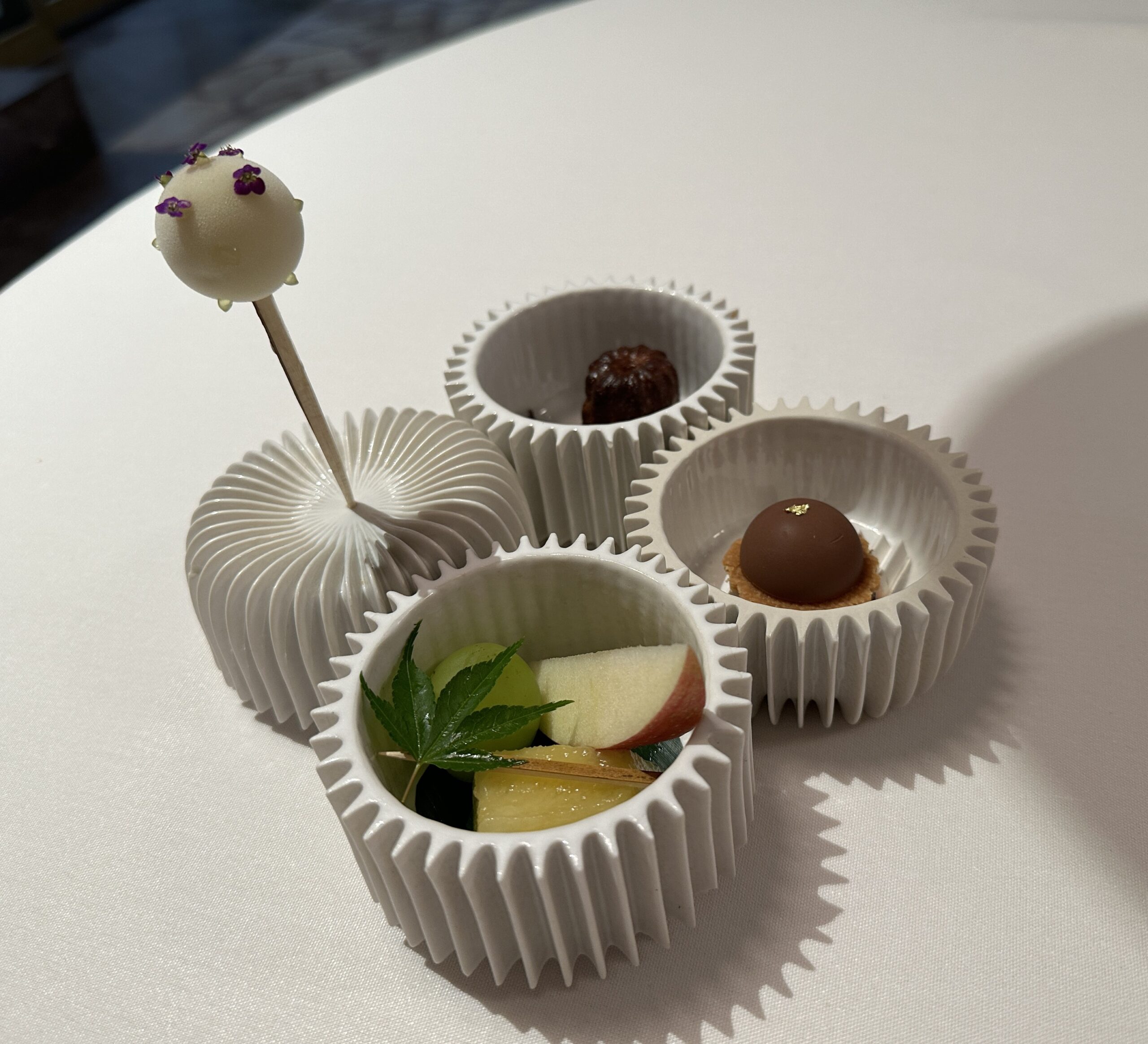
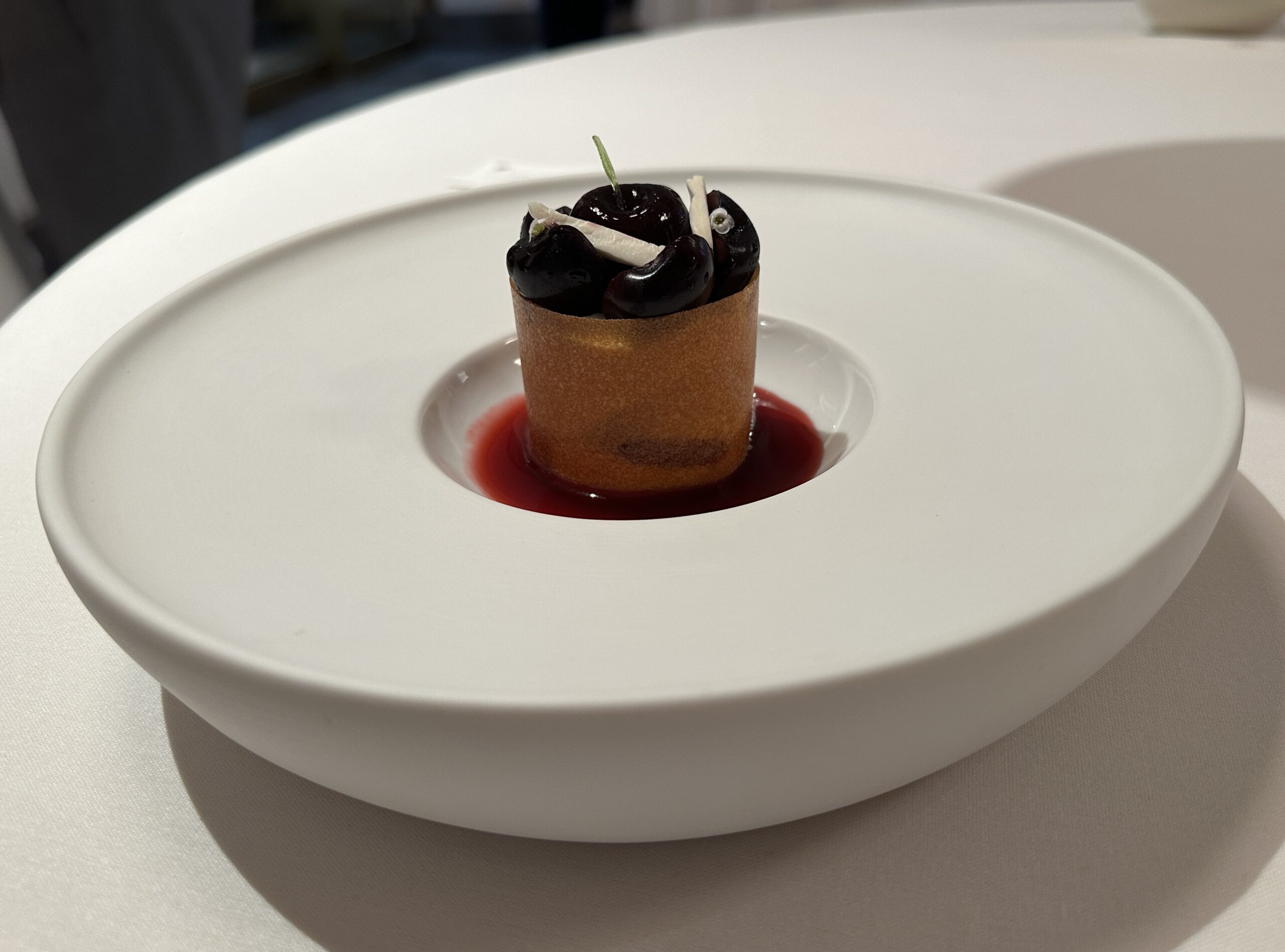
A shiso granité sorbet with verbena jelly, green apple, and sorrel refreshed the palate with its bright, fruity acidity. Dessert was the CAVAILLON CHERRY ‘CLAFOUTIS’ – almond, elderflower, vanuata vanilla Odette’s refined take on the classic French dessert. A crisp cylindrical shell held almond sponge with a gentle nuttiness, topped with naturally sweet Cavaillon cherries. It wasn’t overly sweet, perfect for me. The meal ended with Douceurs: frozen lollipops, Japanese fruits, pralines, and chocolates.

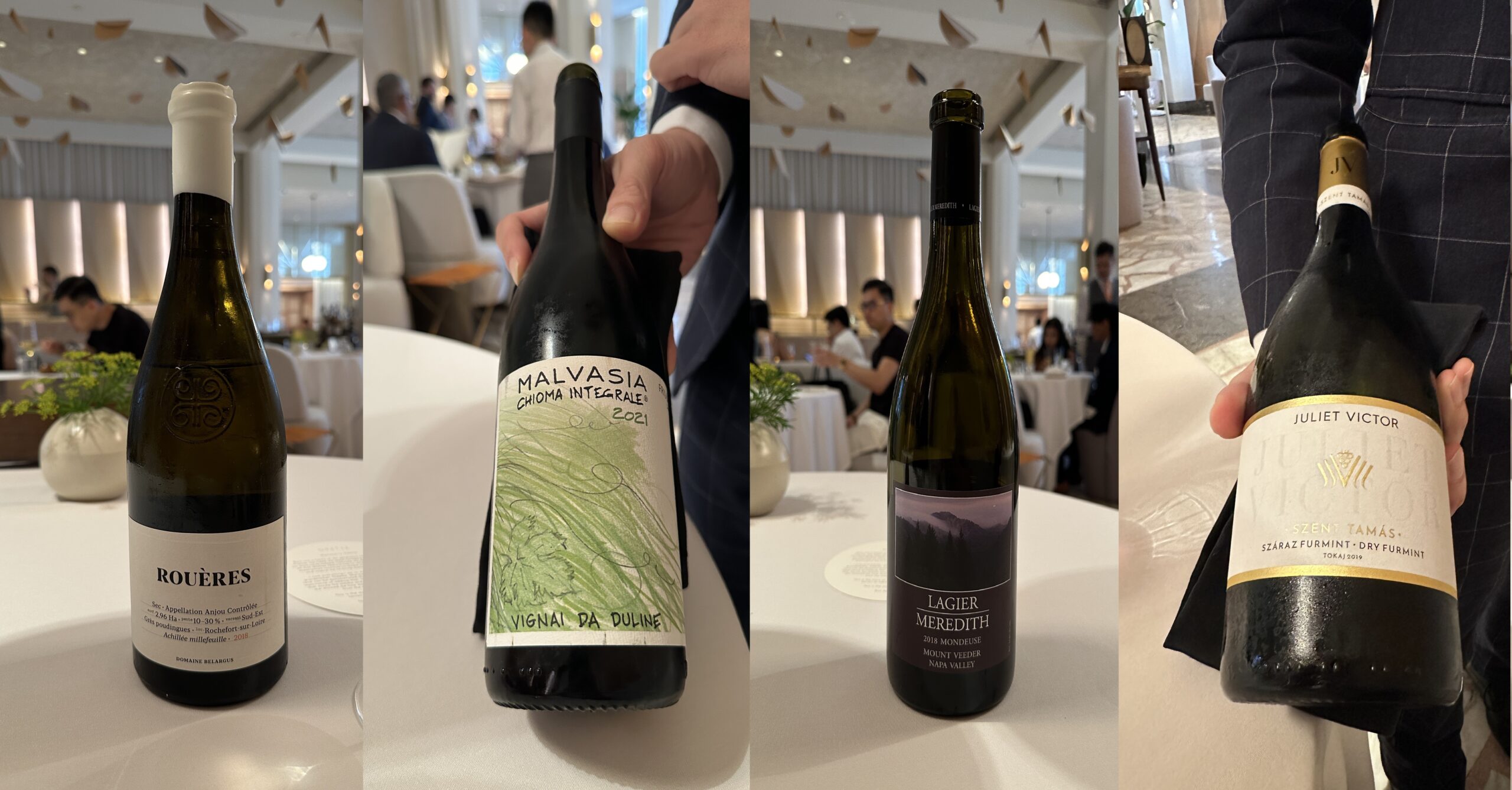
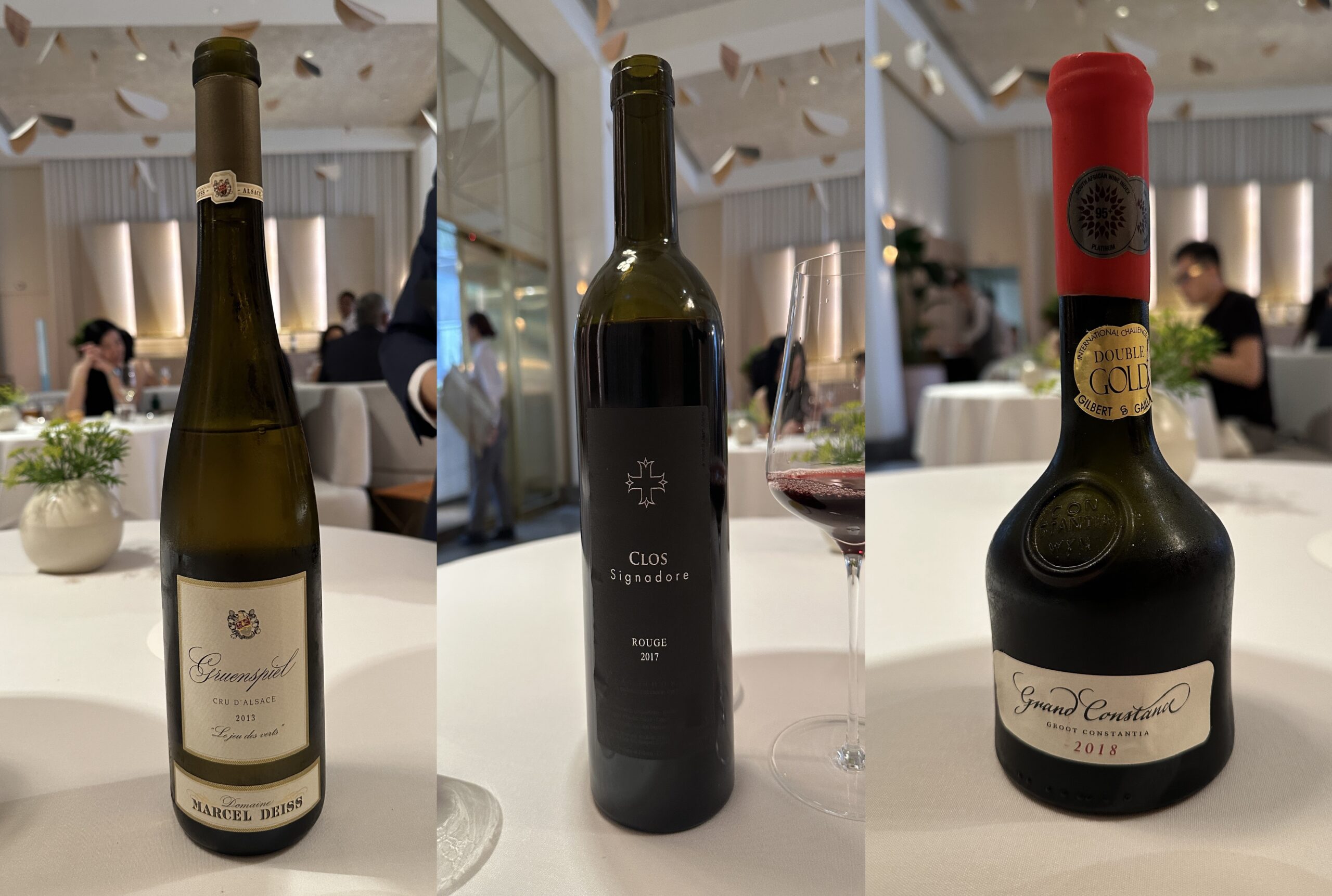
The “Epicure” menu was wonderful. Pacing was spot-on, never rushed. The cooking leaned French at its core but blended Japanese and Asian ingredients seamlessly. The dishes were creative, technically precise, and full of bright, clear flavors. I opted for the wine pairing at $295 SGD, which brought selections from France, the U.S., Hungary, and South Africa. The pairings were thoughtful and genuinely elevated the food.

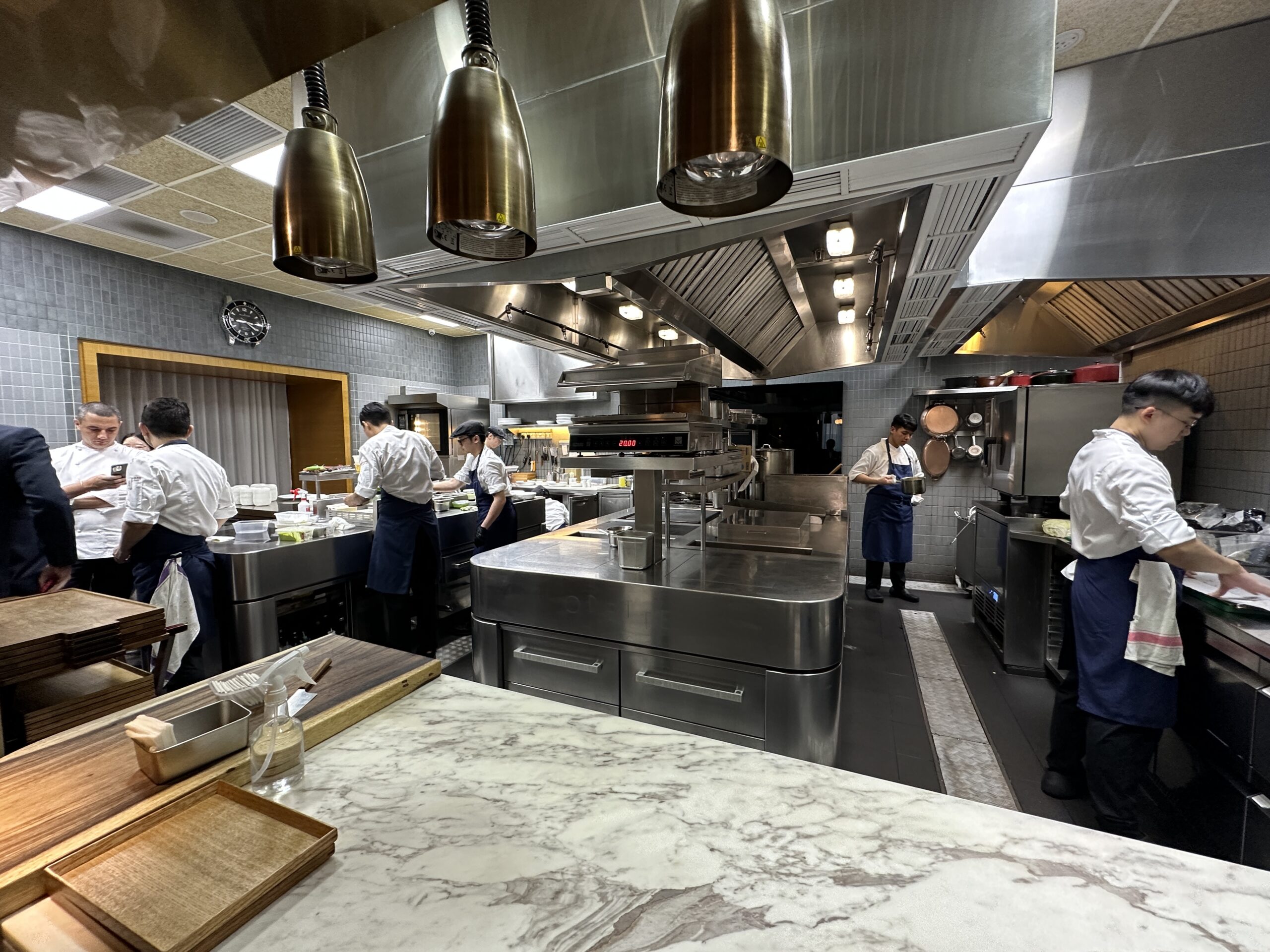
Service at Odette was outstanding. The staff were young, sharp, warm, and carried this effortless mix of casual and professional. They explained each course clearly without sounding rehearsed, and we even shared a few laughs throughout the meal. Afterward, I had the chance to visit the kitchen, where Chef Royer was present. He chatted for a few minutes, took photos, and expressed genuine gratitude. His humility stood out.

Wine Pairing:

At $498 SGD ($376 USD) for the menu and $295 SGD ($223 USD) for the wine pairing, this is definitely a splurge, right in line with top dining rooms across the U.S. and Europe. Singapore is an expensive city, and a meal at this level naturally comes with a premium. It’s the kind of place you come to celebrate something special or simply to experience one of the world’s top restaurants.

With three Michelin-starred options in Singapore alone, diners are spoiled for choice. But with all its accolades, Odette continues to be the restaurant many people point to when they think of Singapore’s dining scene. My visit lived up to the hype. Warm service, a relaxed but elegant setting, a celebrated chef who’s genuinely friendly, and, most importantly, fantastic food. Odette absolutely earns its reputation as one of the world’s great dining destinations.

Putien (Kitchener Road)

Putien (Kitchener Road)
127 Kitchener Road
Singapore, 208514
+65 6295 6358
Official Site

What began as a humble coffee shop has since blossomed into a restaurant empire. Putien is a Singaporean chain specializing in Fujian cuisine, now with over eighty locations across Asia, including outposts in Mainland China, Hong Kong, Malaysia, the Philippines, and multiple venues throughout Singapore. The flagship and original location on Kitchener Road stands apart as the only one to have earned a Michelin star, holding one star from 2016 to 2024.

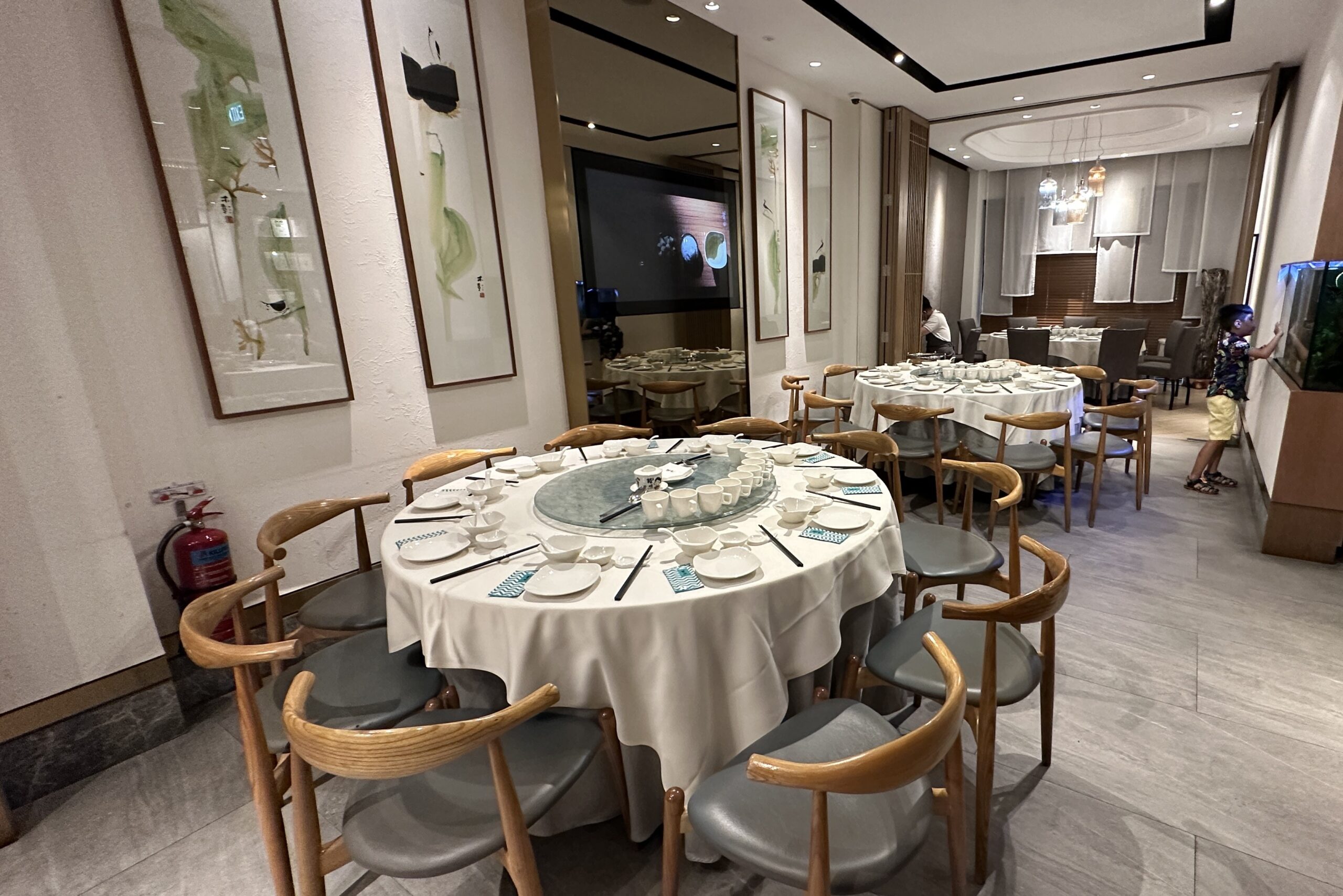
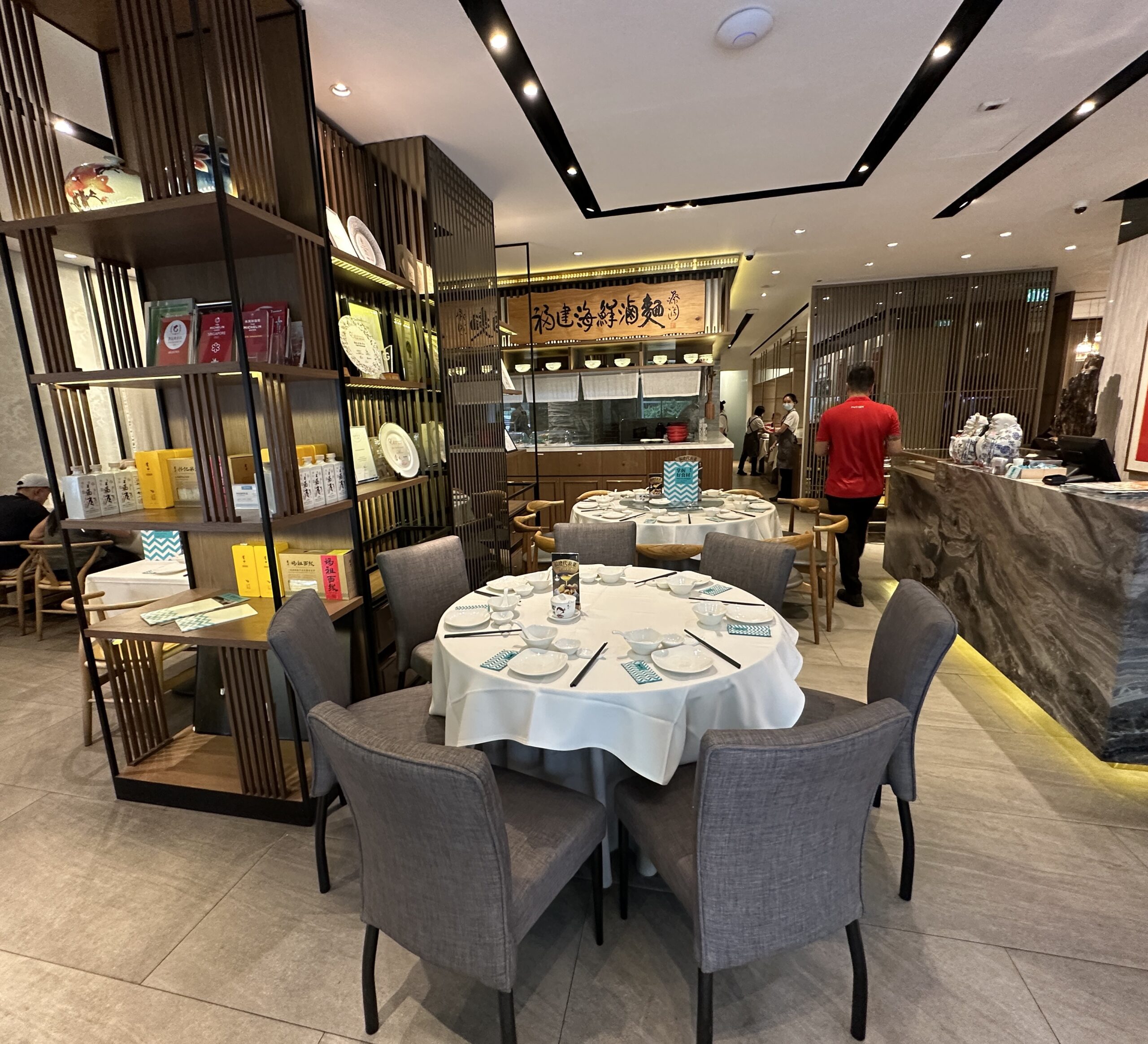
The dining room is bright and refreshing, dominated by blond wood tones that give the space a clean, welcoming feel. Tables are dressed in crisp white tablecloths and spaced comfortably apart, making the room feel relaxed rather than crowded.

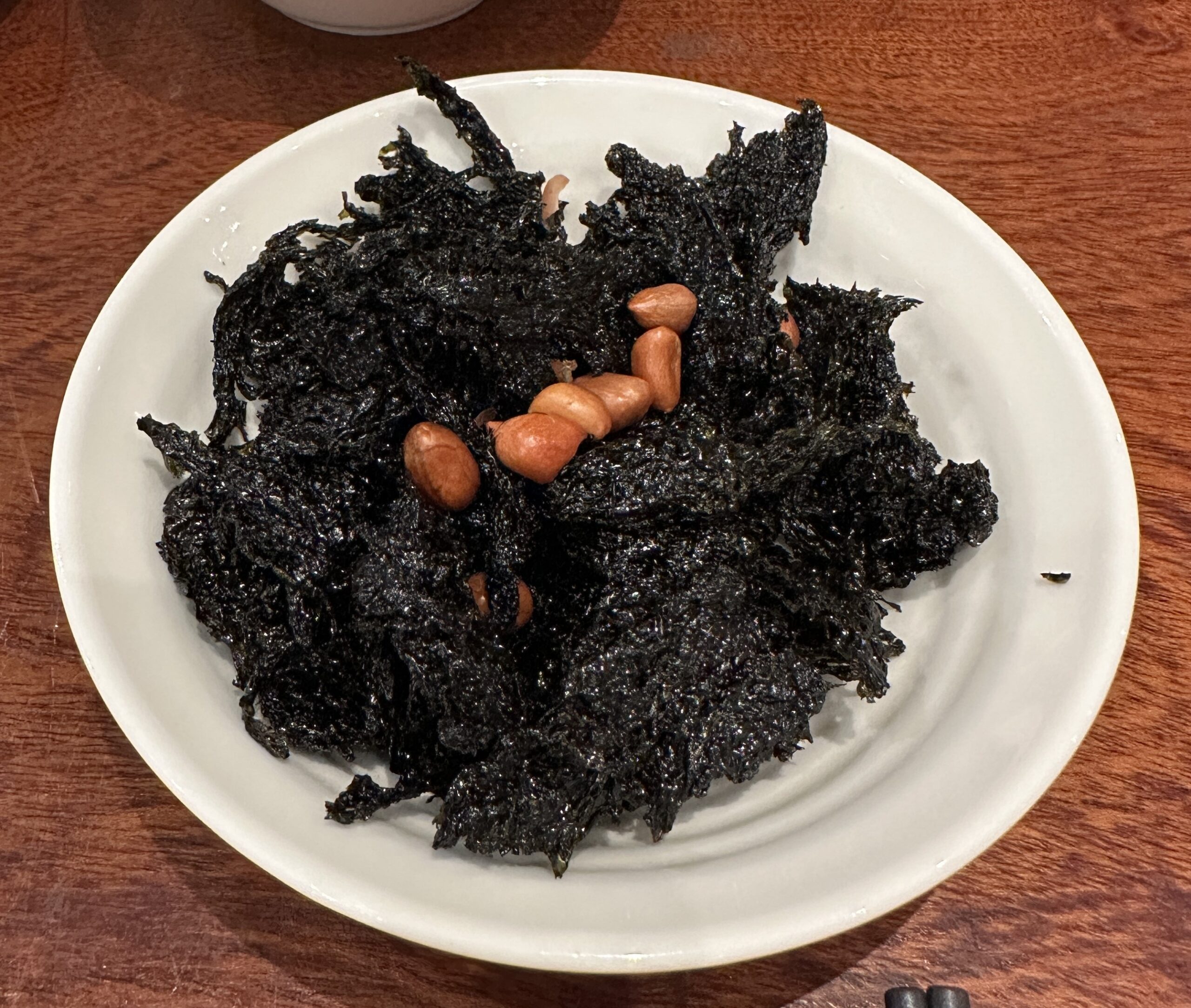
Putien’s menu is extensive, offering plenty of choice. Dining with a group allowed us to sample a good cross-section of dishes. Dinner began with complimentary crispy seaweed snacks while we studied the menu. Dishes arrived as they were finished cooking, which kept the pacing natural.

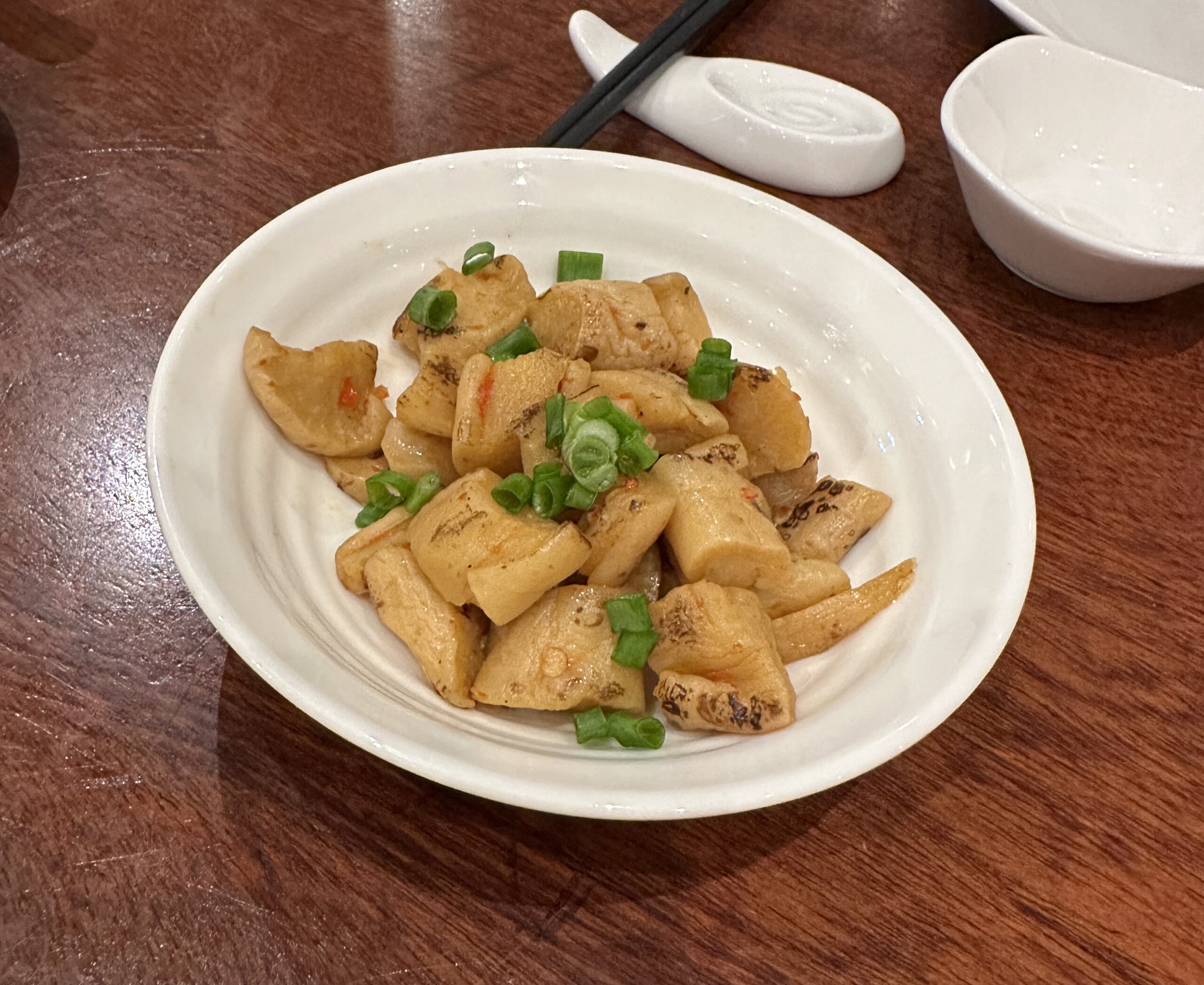
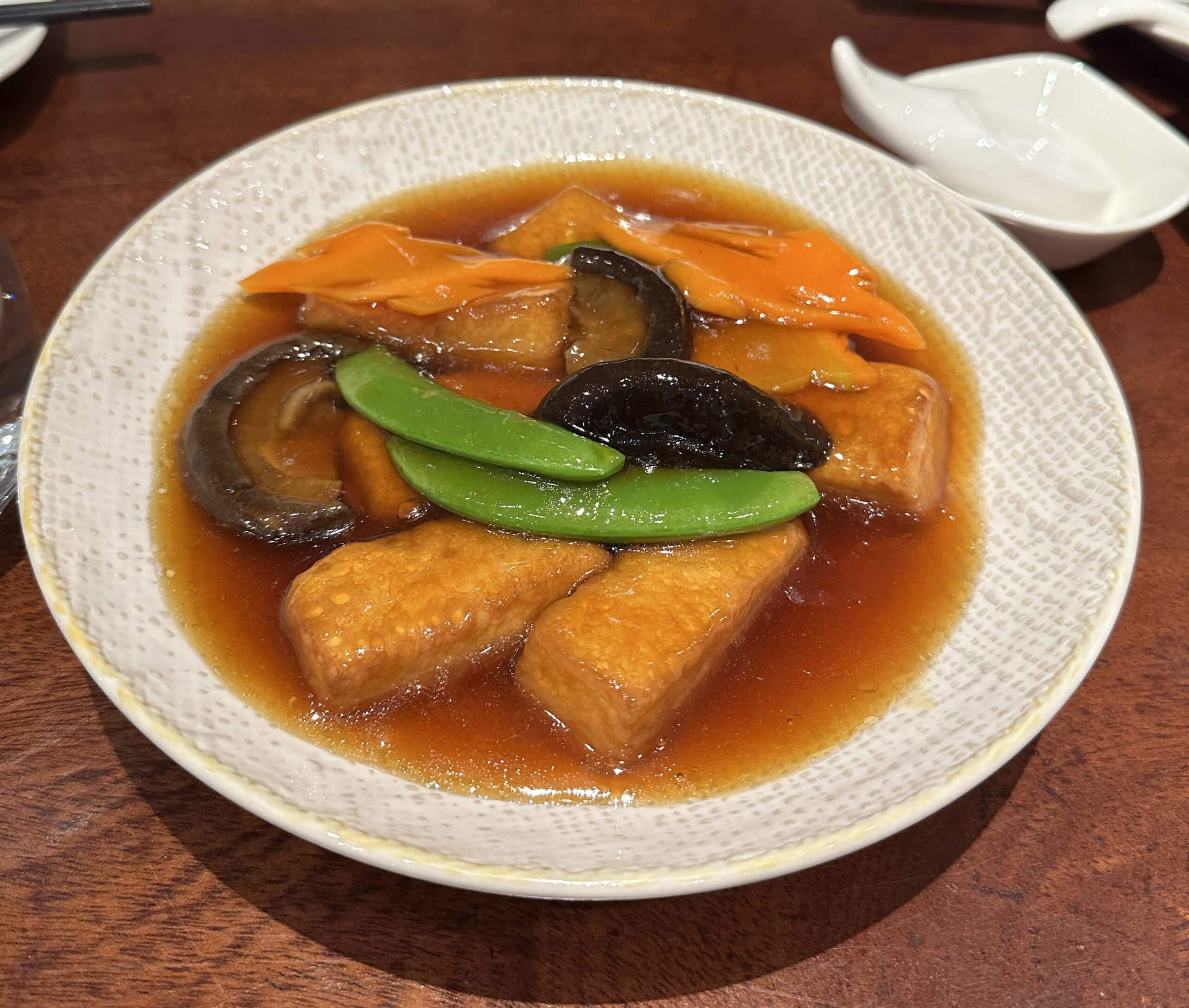
The Stir-Fried Yam stood out for its contrast in texture—gelatinous on the inside with a nicely fried outer layer. An off-menu Bean Curd with Mixed Vegetables was prepared especially for our vegetarian companion. The tofu was delicious, paired with impressively fresh vegetables whose flavors came through clearly. Everything was bathed in a brown sauce that delivered a satisfying savory sweetness without being heavy.

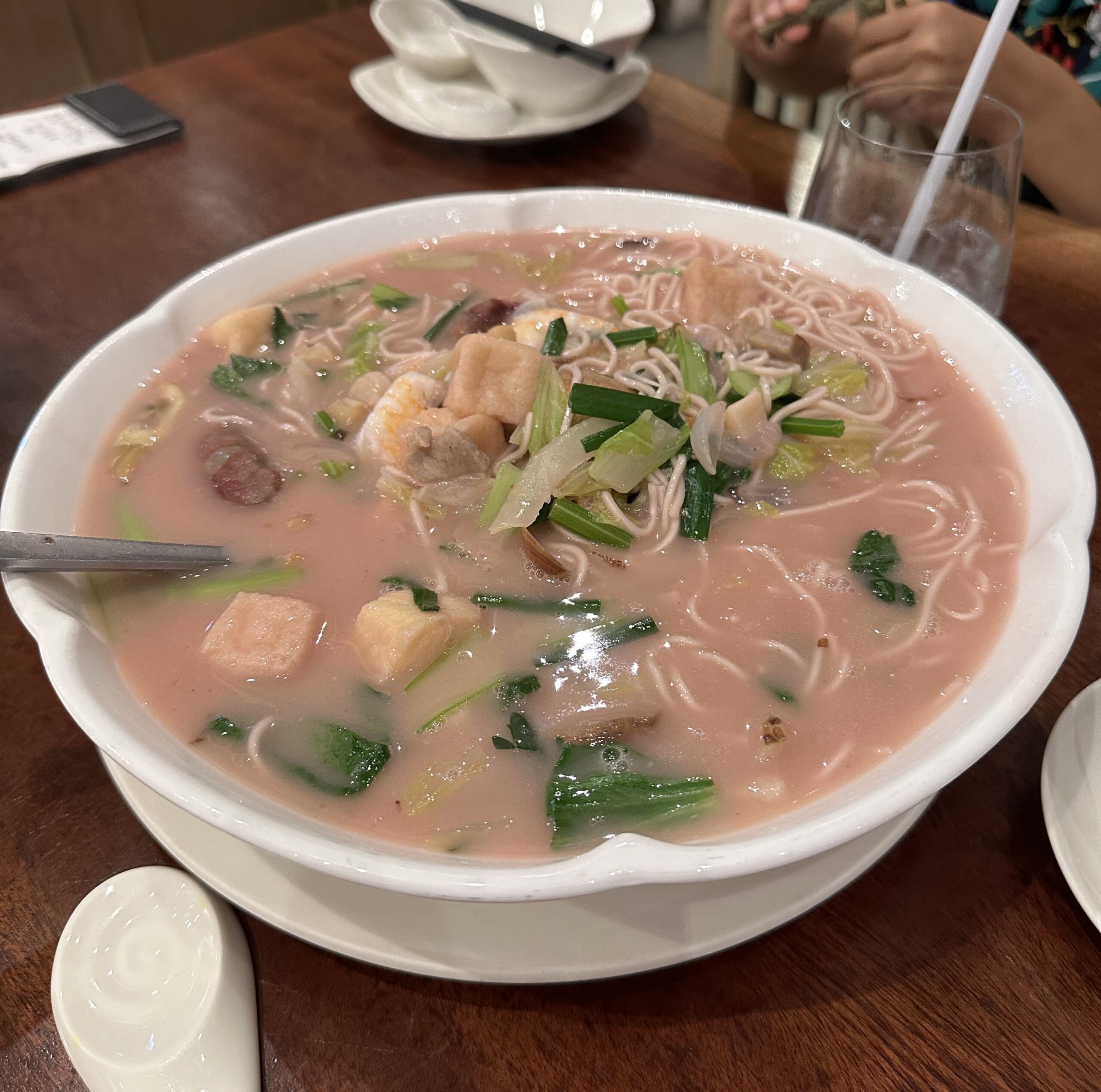
The Fujian Red Mushroom Seafood Lor Mee, which the menu notes contains thirteen fresh ingredients, was a true seafood delight. Served in a generous bowl, the milky, slightly watery broth carried deep earthy and savory notes, enriched by an abundance of seafood and noodles.

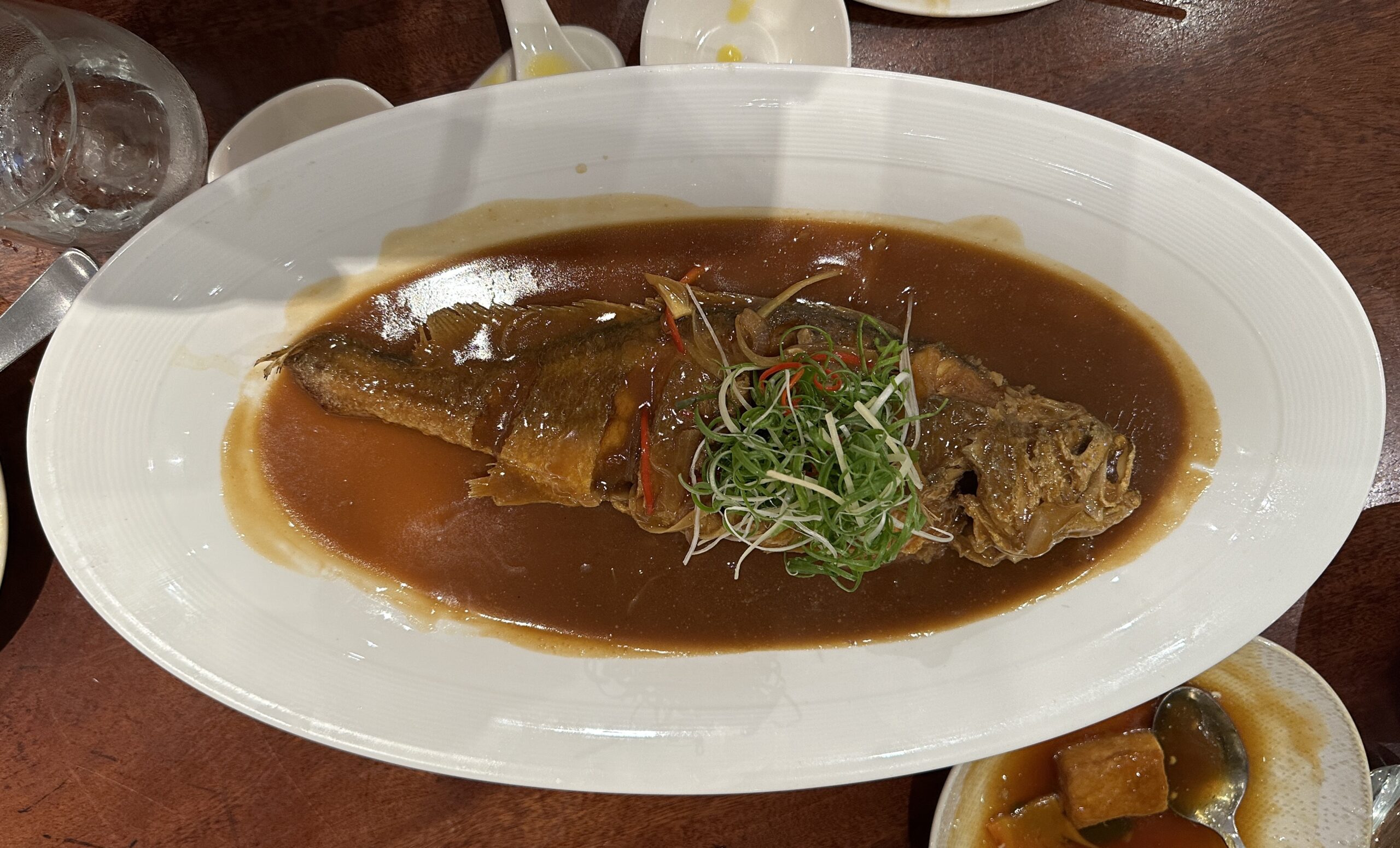
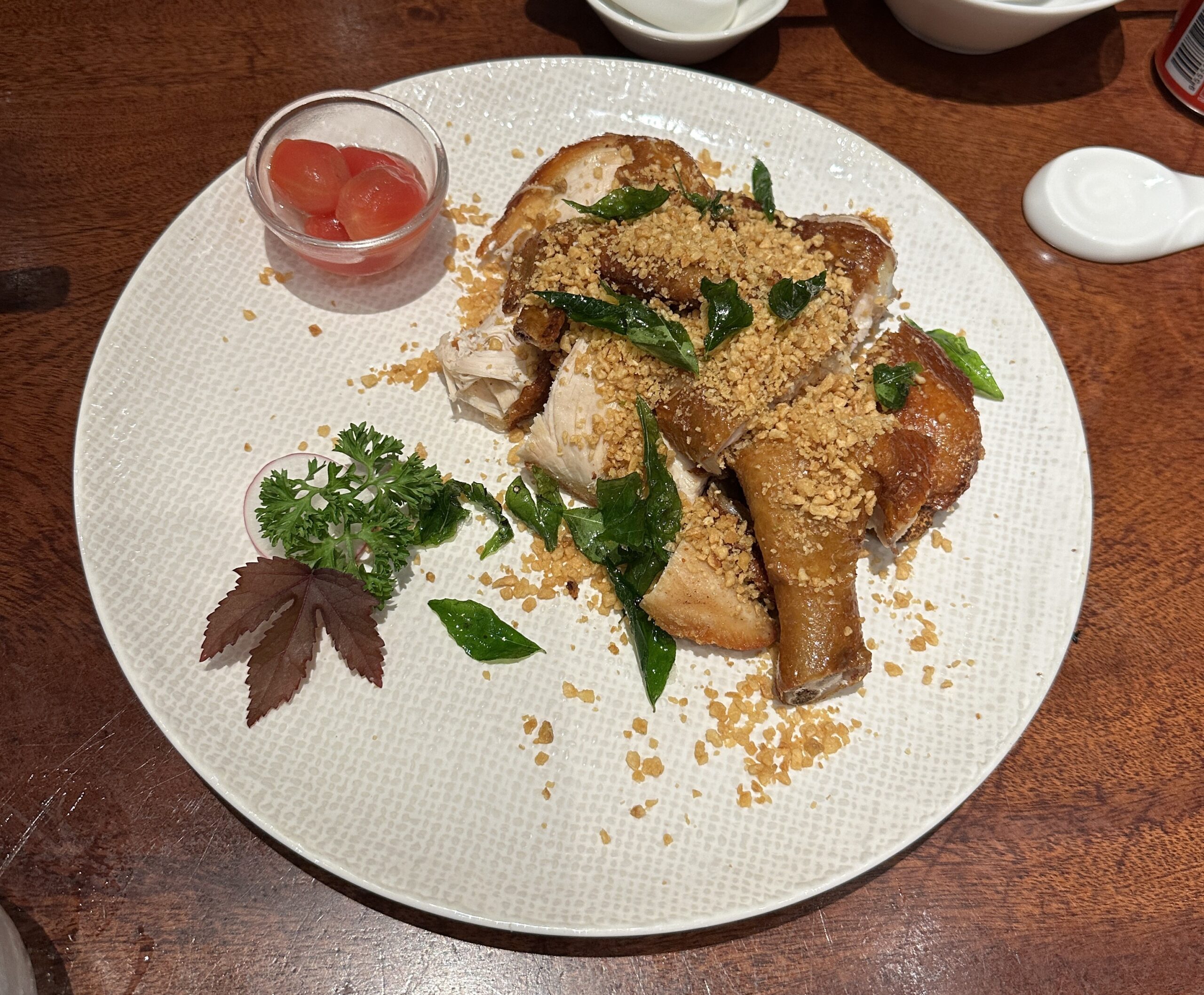
The Pan-Fried Yellow Croaker was pan-seared, then gently braised in a lightly sweet soy-based sauce. The fish was crusted beautifully on the outside, while the flesh remained soft and delicate. The sauce infused the fish with a balanced salty-sweet flavor, showing careful, confident cooking. The Deep-Fried Chicken with Garlic featured ultra-crispy skin and remarkably moist meat. The garlic was present and aromatic but never overpowering, allowing the other seasonings to shine.

The food here is straightforward, nothing flashy or overly complicated, but everything is well executed, flavorful, and made with very fresh ingredients. Portions are generous and ideal for family-style dining. For a party of six, the meal came to about $200 USD, which felt very economical for the quality and quantity.

Service was solid and efficient, with capable staff who kept everything running smoothly. Overall, Putien is an excellent choice for anyone seeking honest, delicious Fujian cooking in a comfortable, pleasant setting—proof that simplicity, when done right, can be deeply satisfying.

Les Amis ***

Les Amis
1 Scotts Rd, #01 – 16 Shaw Centre,
Singapore 228208
+65 6733 2225
Official Site

It’s hard to fathom that in a wealthy, cosmopolitan city like Singapore—where there’s no shortage of top-tier and expensive dining options—fine dining was once confined almost exclusively to luxury hotels. That only changed in 1994, when a group of friends with a shared passion for haute French cuisine opened Les Amis (which fittingly means “friends” in French). It became Singapore’s first independent fine dining restaurant, and its success paved the way for the creation of the Les Amis Group, which now operates a collection of restaurants in Singapore and abroad. Over time, Les Amis has become nothing short of a Singaporean institution.

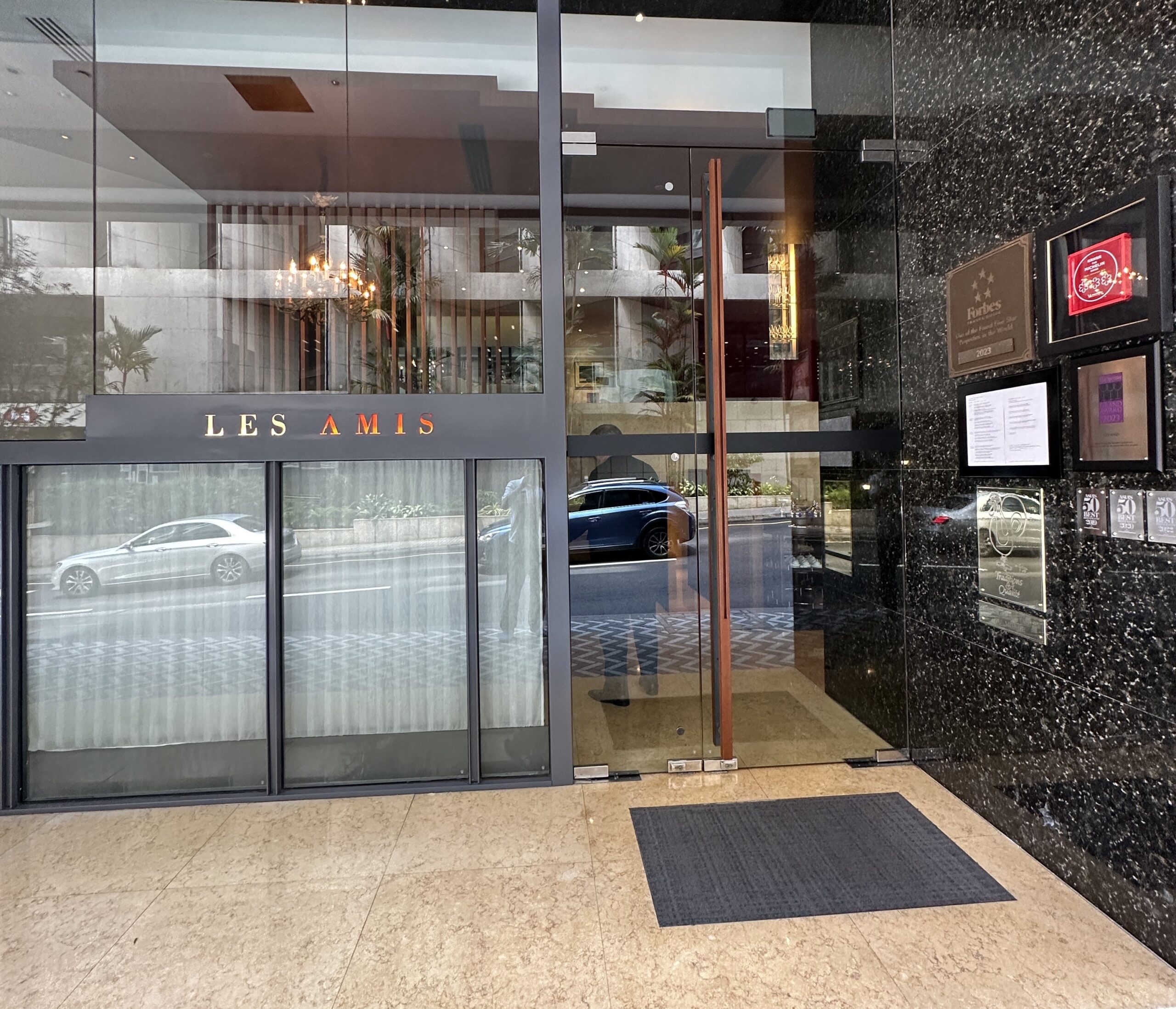
When the Michelin Guide launched its inaugural Singapore edition in 2016, Les Amis was immediately awarded two stars. Three years later, in 2019, it joined Odette in receiving the coveted third star. The restaurant also holds a prestigious five-star rating from the Forbes Travel Guide and has been a regular fixture on the Asia’s 50 Best Restaurants list.

Much of this acclaim can be credited to Chef Sébastien Lepinoy, who took the helm in 2013 after the closure of Cepage, a one-Michelin-starred restaurant in Hong Kong also run by the Les Amis Group. A protégé of the legendary Joël Robuchon, Chef Lepinoy trained at several Michelin-starred restaurants in France, including the iconic Jamin in Paris. He eventually became Robuchon’s right-hand man, later serving as chef de cuisine at L’Atelier de Joël Robuchon in Hong Kong, which earned two Michelin stars under his leadership in 2009.

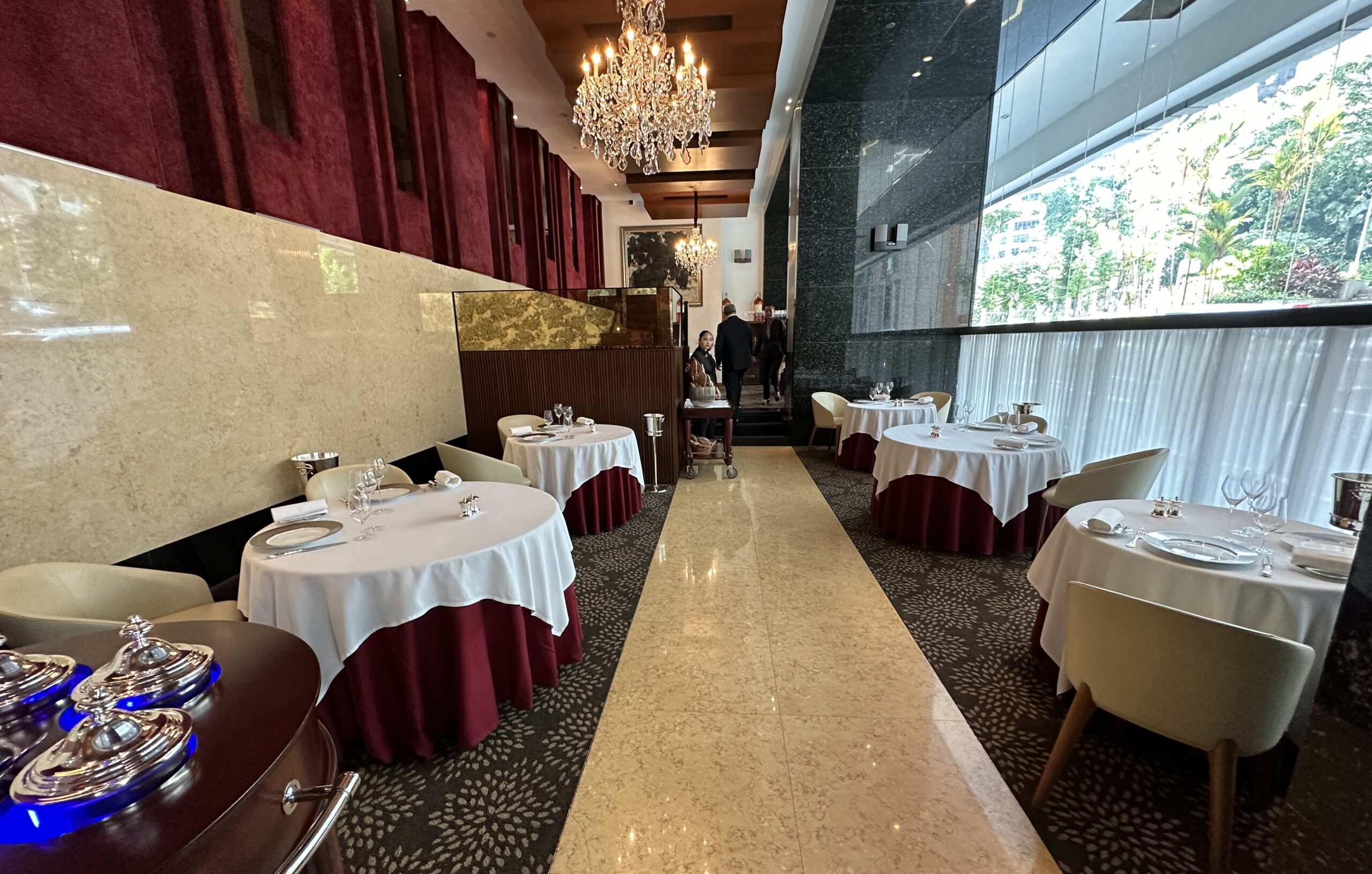
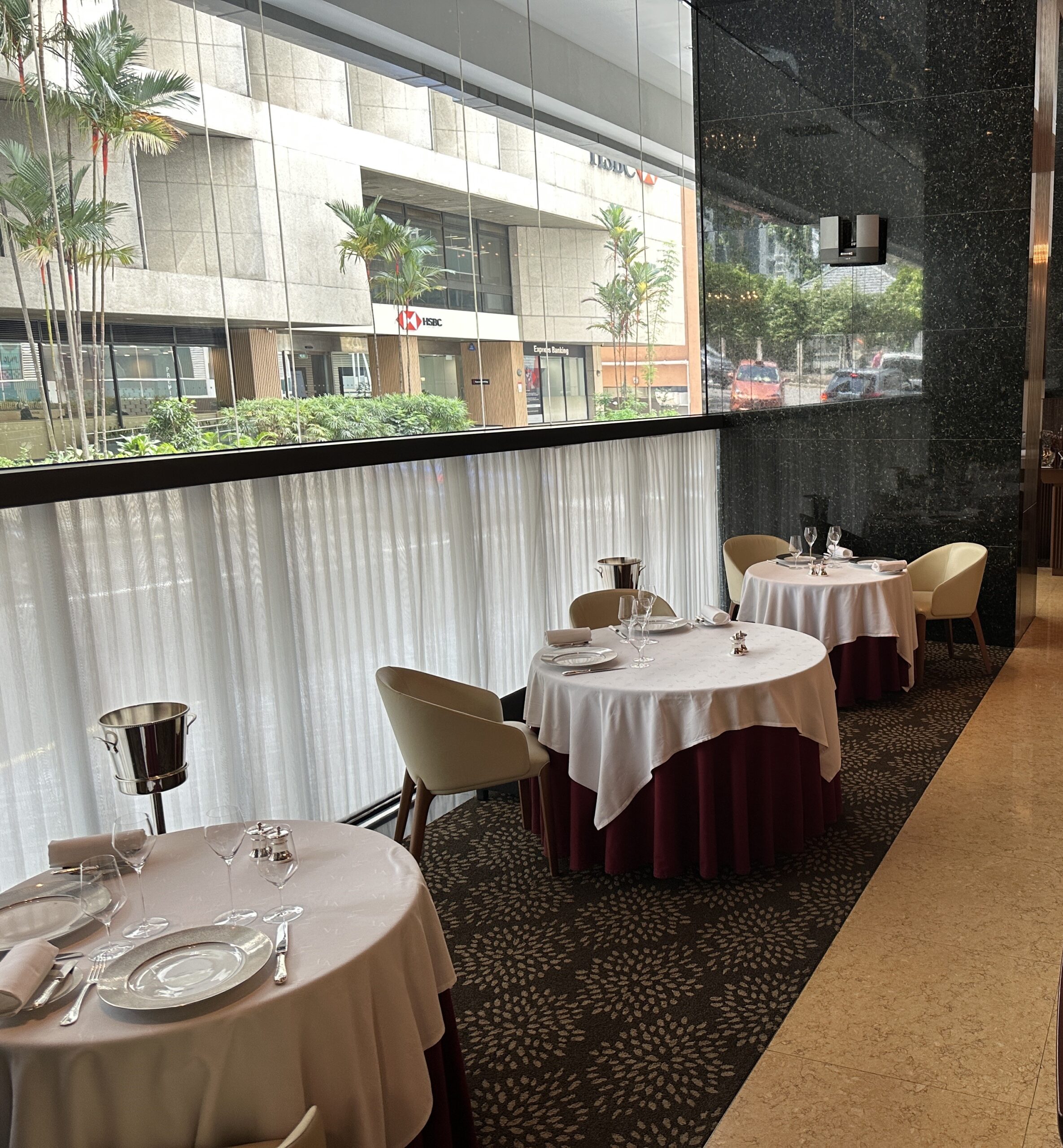
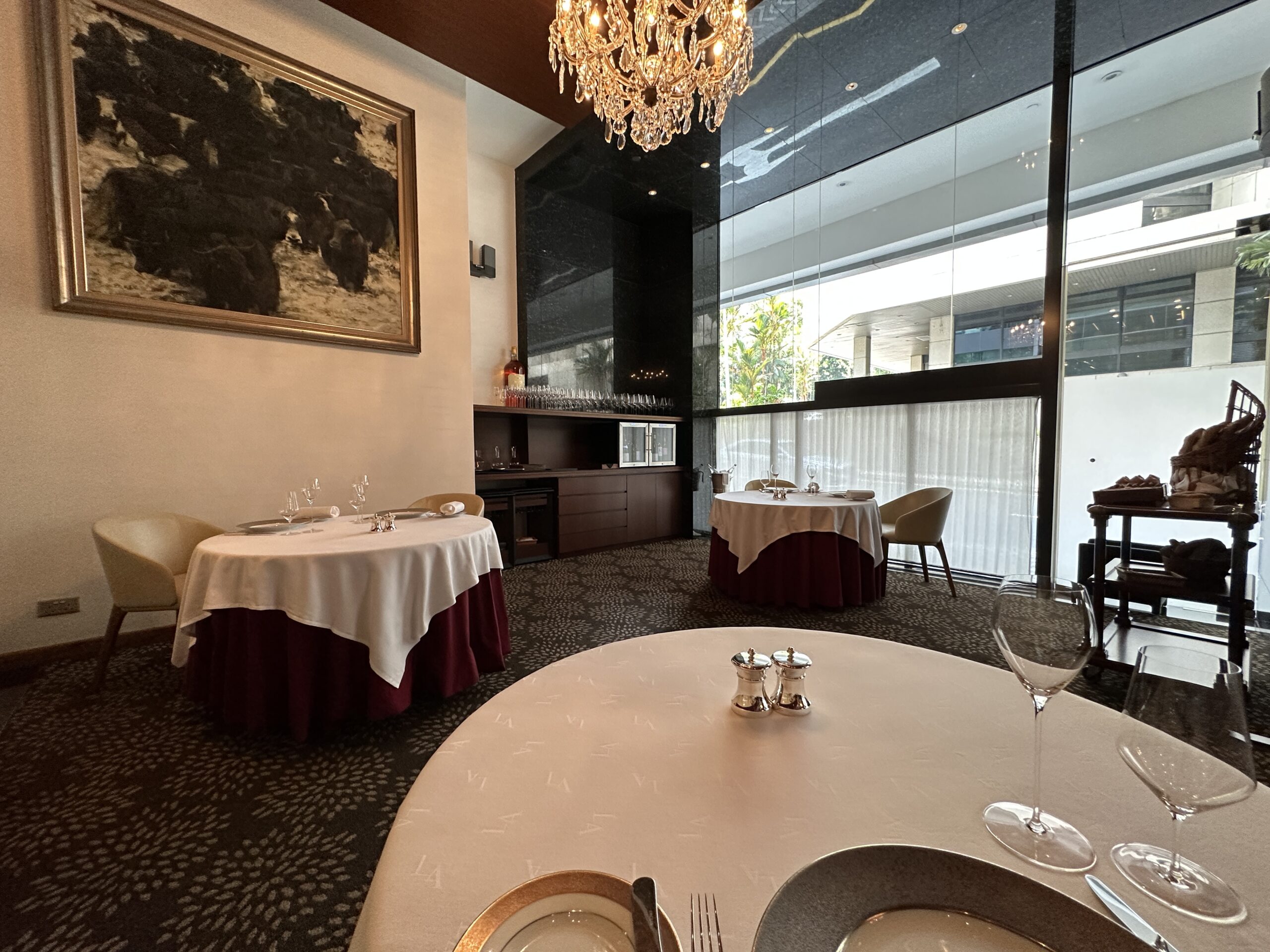
Les Amis is located in the Shaw Centre, a shopping mall, but has its own street-level entrance. The bi-level dining room exudes understated elegance, with soaring ceilings, glittering crystal chandeliers, velvet red walls, polished granite floors, and thick carpeting that softens the space. Round tables, dressed in crisp white linens, are paired with plush beige leather chairs, an interior that radiates quiet sophistication.

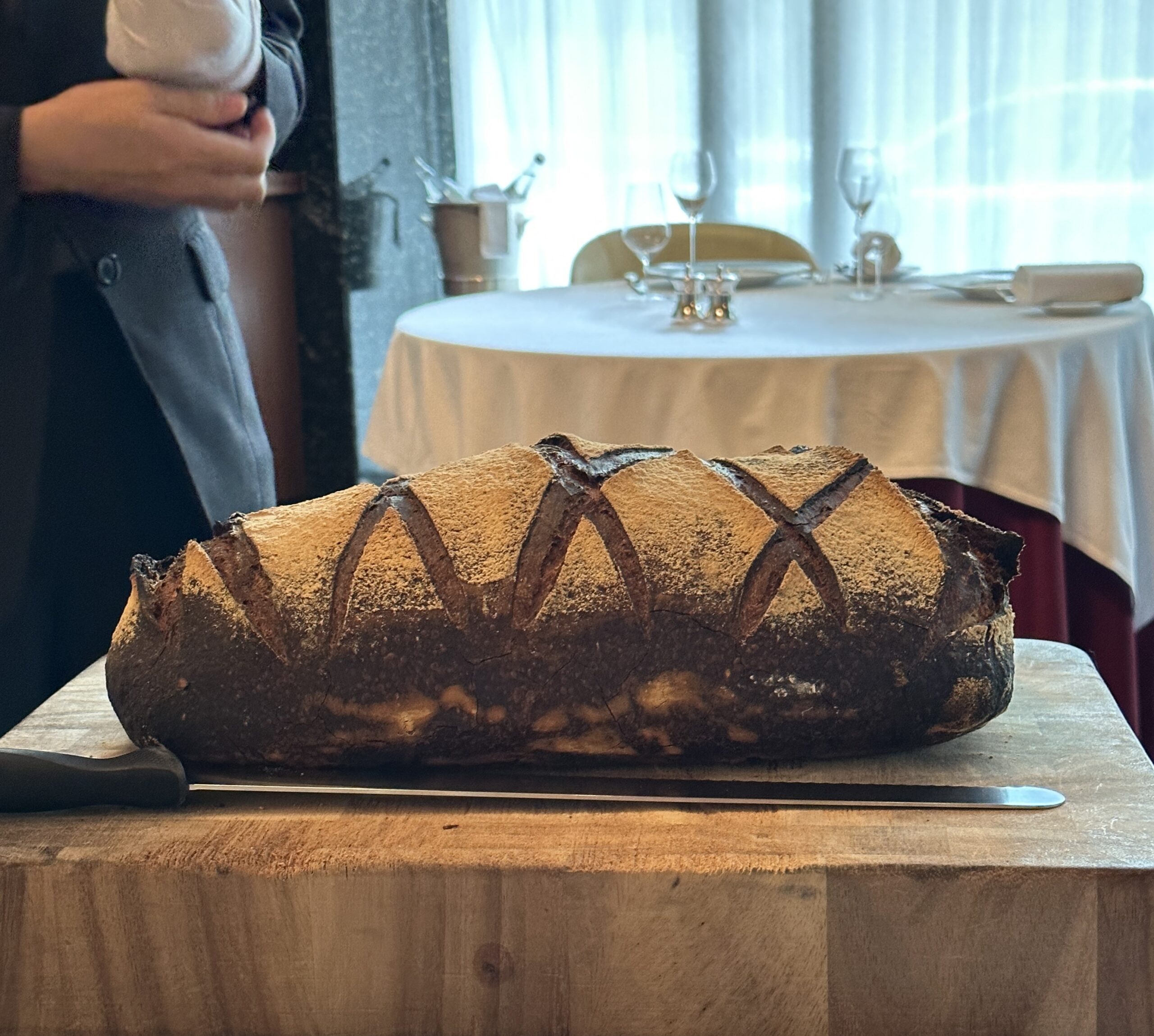
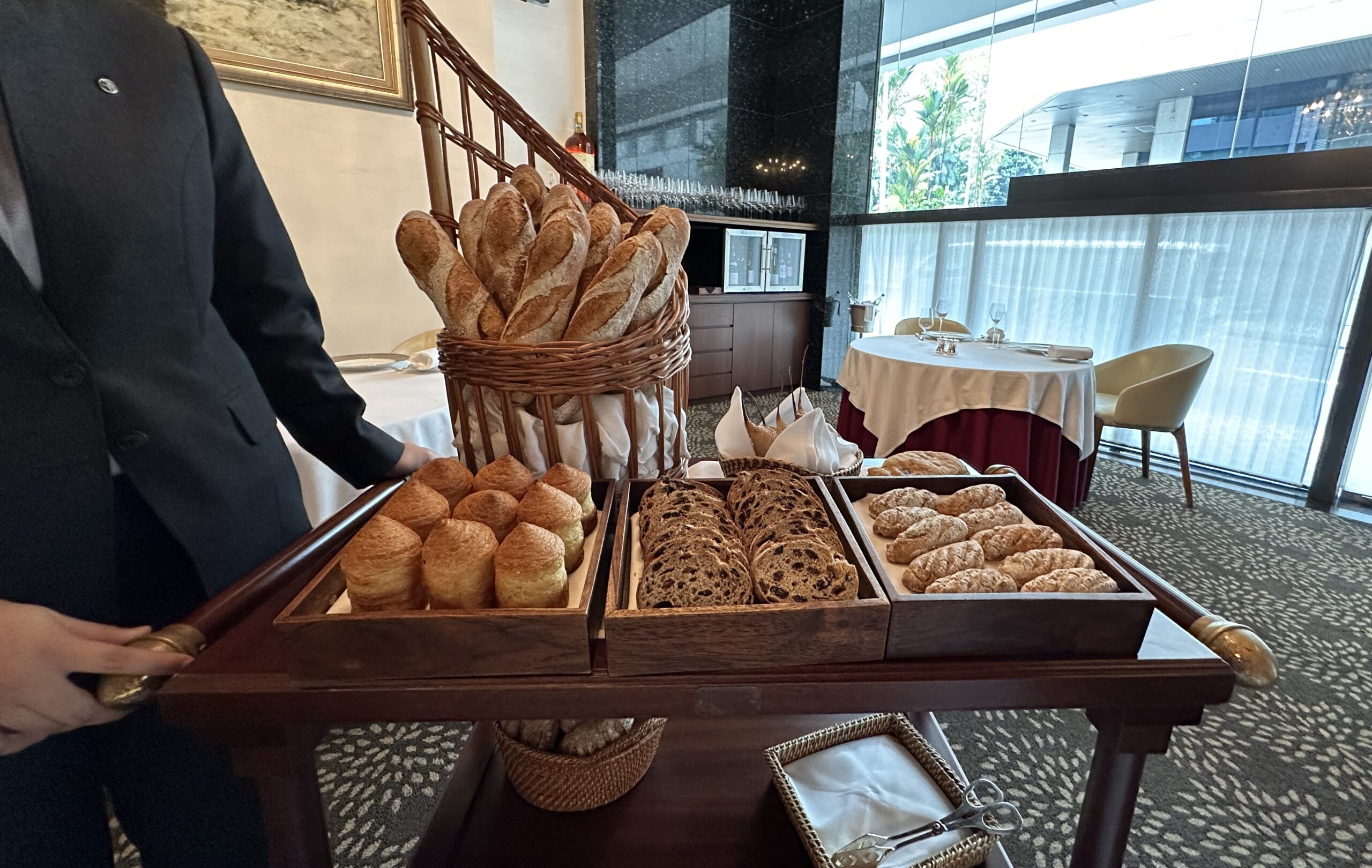
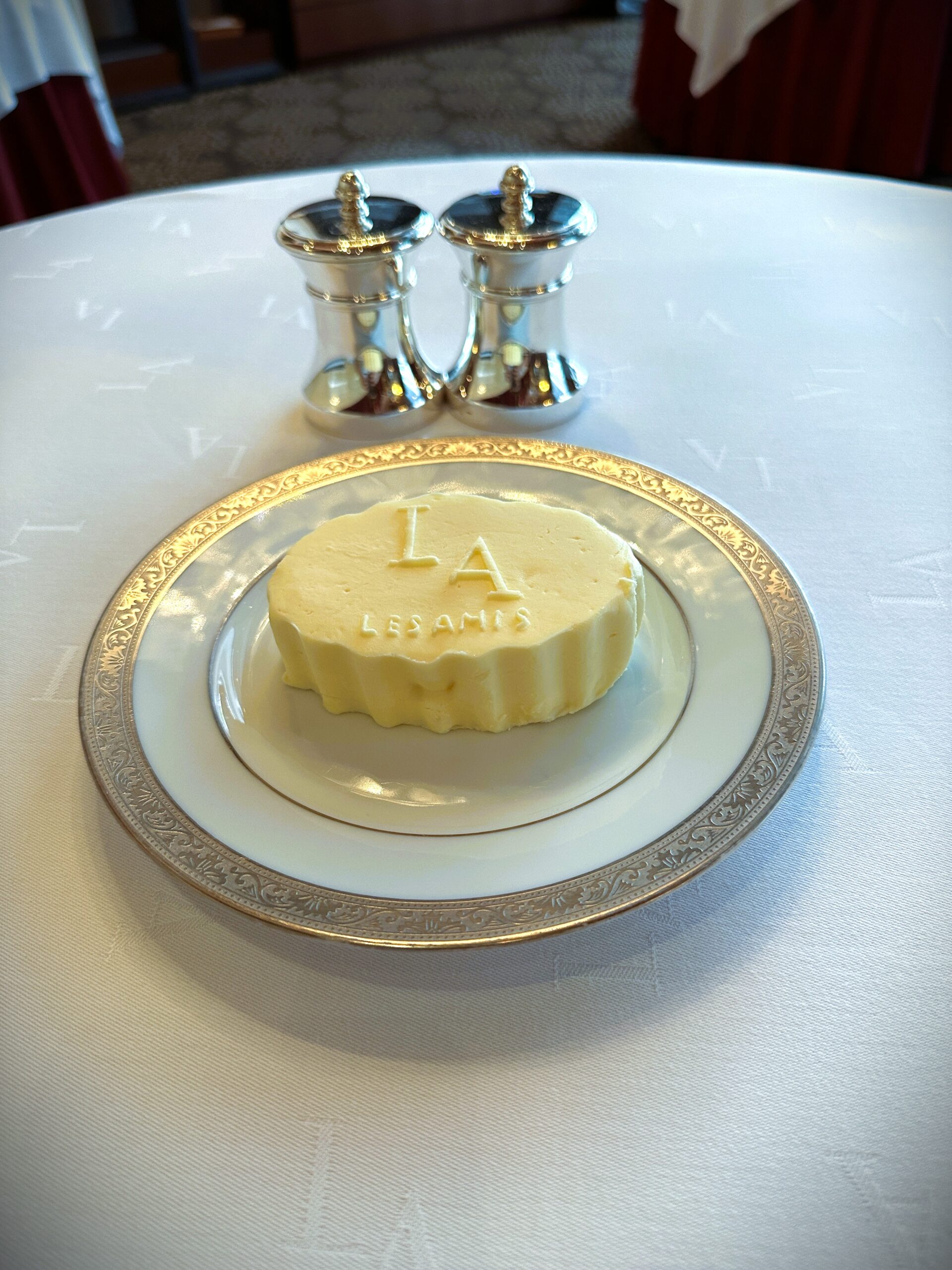
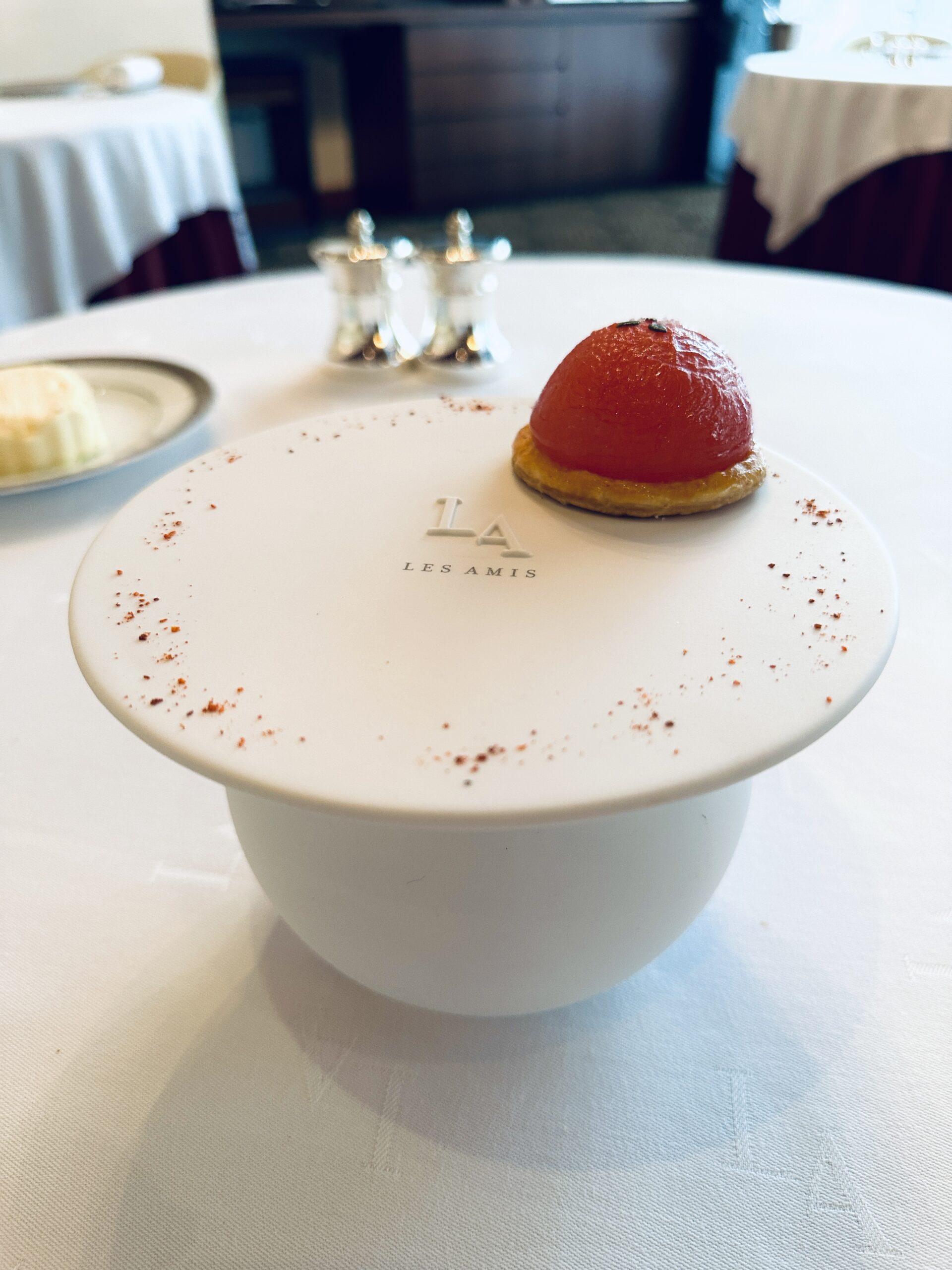
The restaurant offers a three-course lunch, along with a four-course prix fixe, tasting, and special menus available during both lunch and dinner. For this visit, I chose the four-course prix fixe, priced at $415 SGD. As I looked over the menu, a warm loaf of freshly baked bread and French butter arrived, followed by a canapé of tomato tart, made with Le Jardin de Rabelais tomatoes from the Loire Valley, confit with cauliflower, and seasoned with thyme, basil, and sea salt. It was juicy and bursting with flavor.

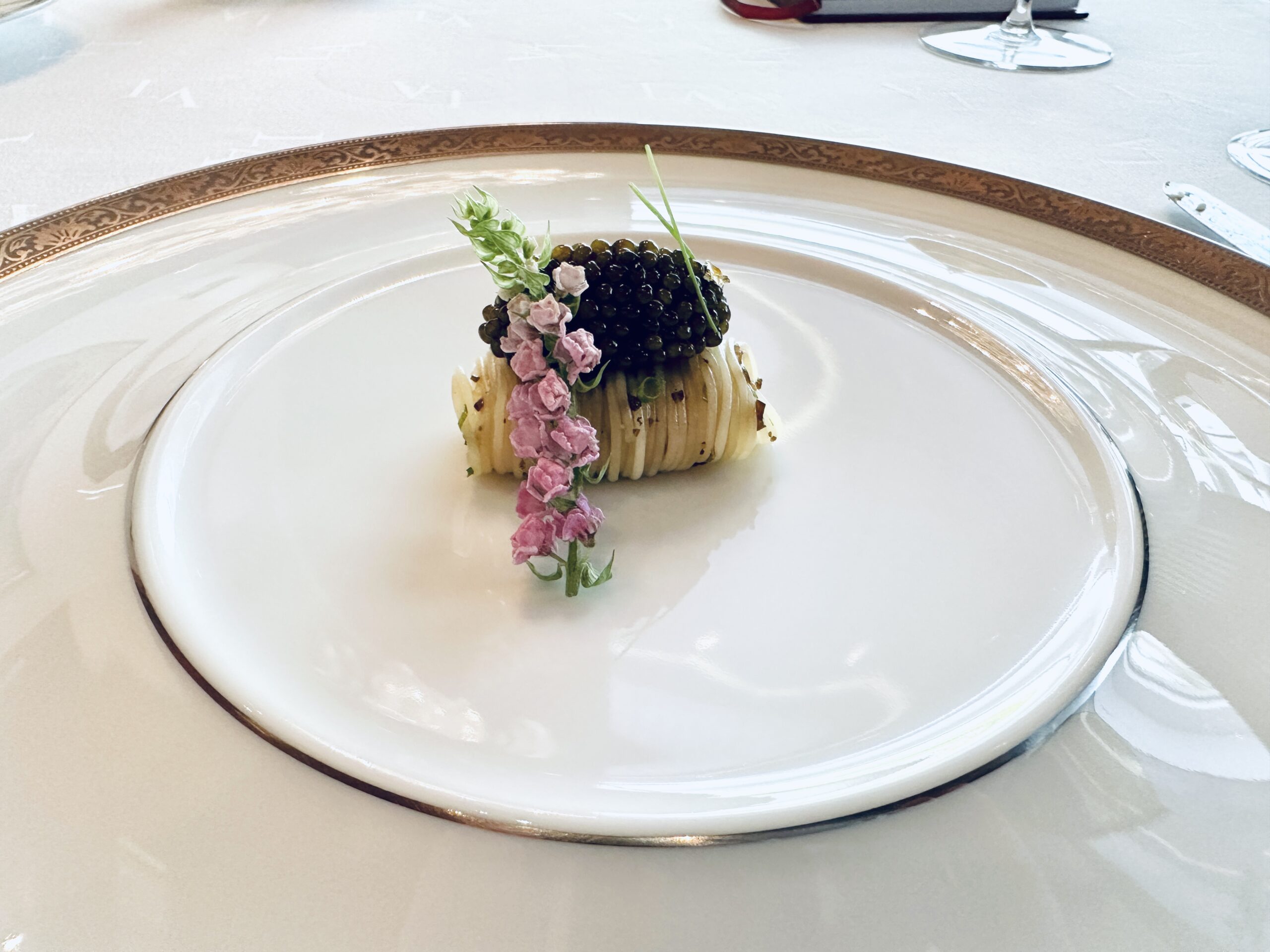
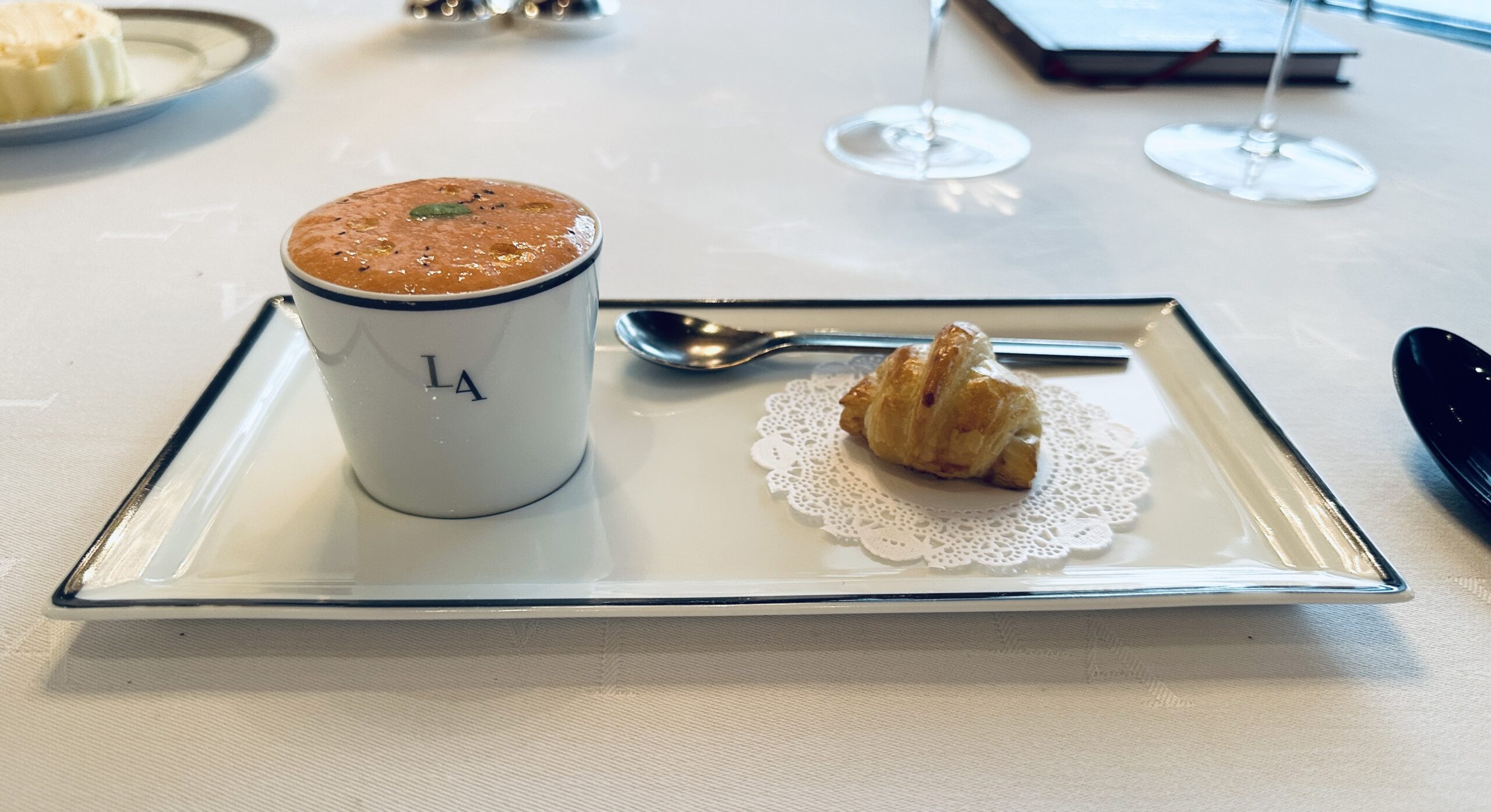
Next came the amuse-bouches. The first, a Les Amis signature: chilled angel hair pasta topped with Kristal caviar. The noodles were al dente, dressed lightly with chives, seaweed, sherry vinaigrette, truffle, and crowned with a generous scoop of caviar for that luxurious, buttery salinity. A delicate shiso blossom added a subtle floral touch. The second amuse revisited the same premium tomato in the form of a cold soup layered with cucumber jelly and diced cucumber for crunch, topped with tomato foam, peppercorn, and olive oil. I was instructed to scoop from the bottom to get every layer in one bite, each spoonful was bright, fresh, and textured. On the side, a tiny croissant filled with anchovies added just the right touch of savory salinity.

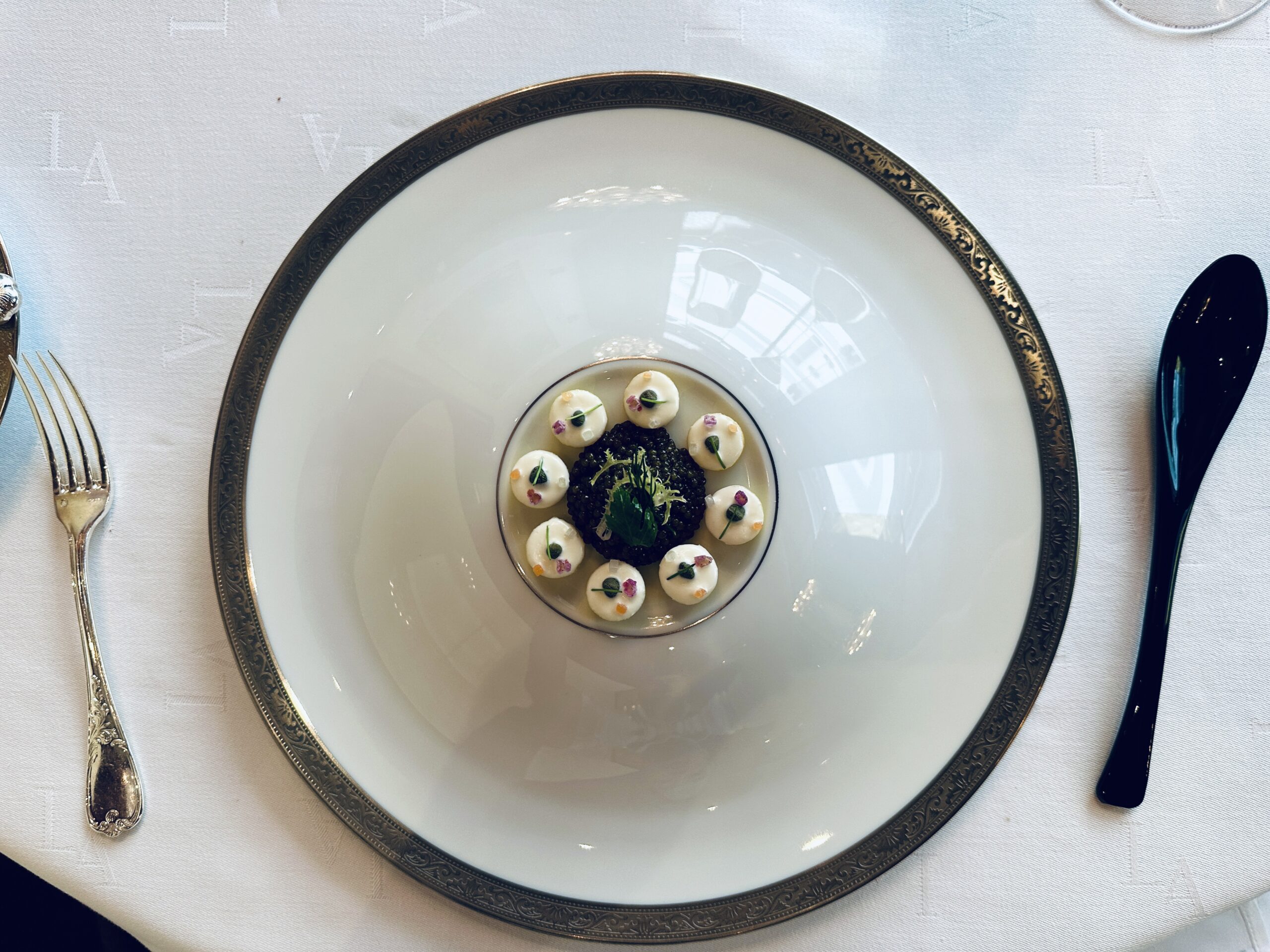
My first course was Caviar on Roseval Potato Petals with Condiments and Fresh Herbs. The presentation was striking, a generous mound of caviar atop thinly sliced, slightly sweet Roseval potatoes. Sour cream and capers brought tang and acidity, while smoked salmon added a gentle smokiness. Every element played harmoniously together in this luxurious, well-balanced dish.

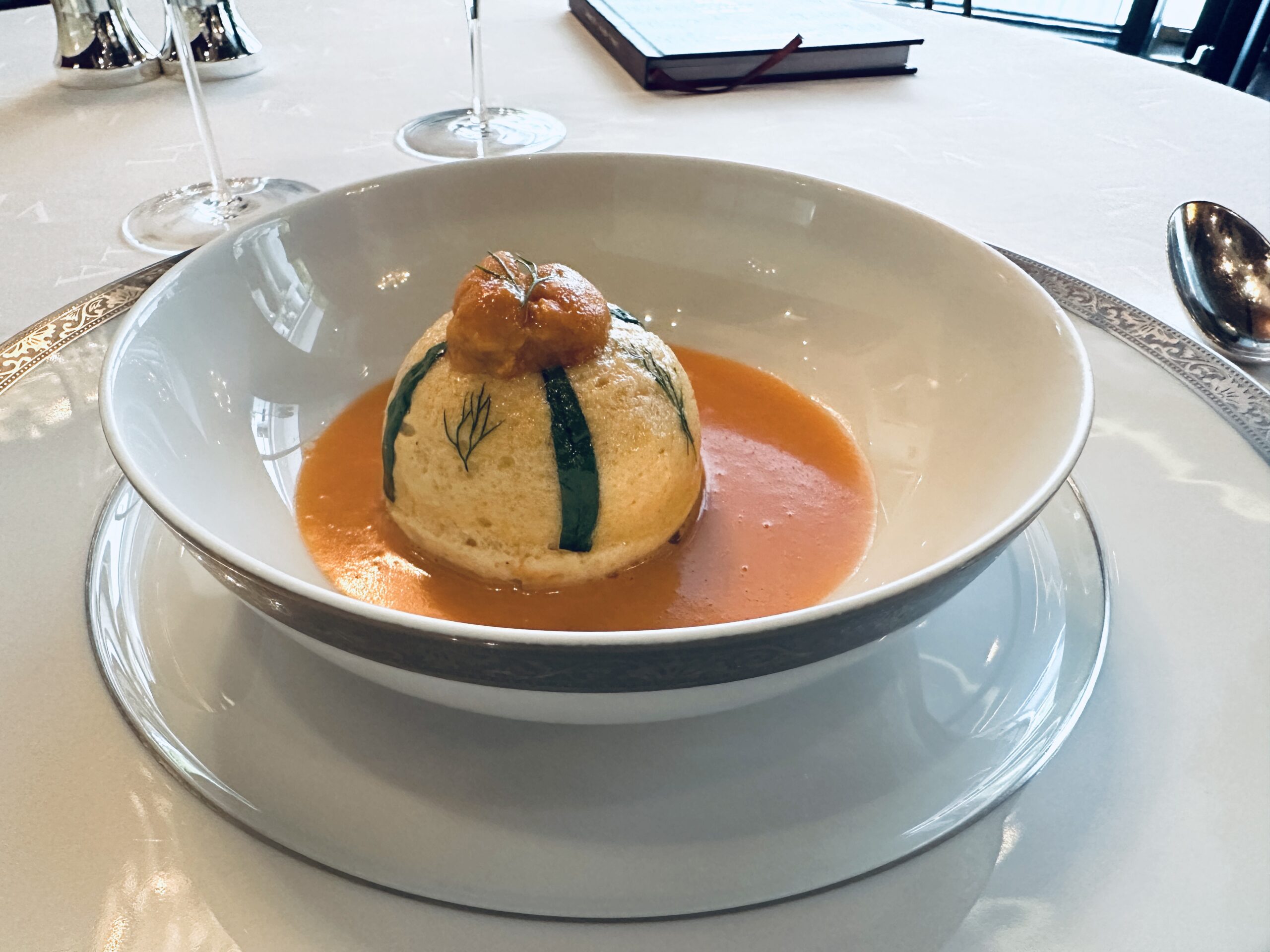
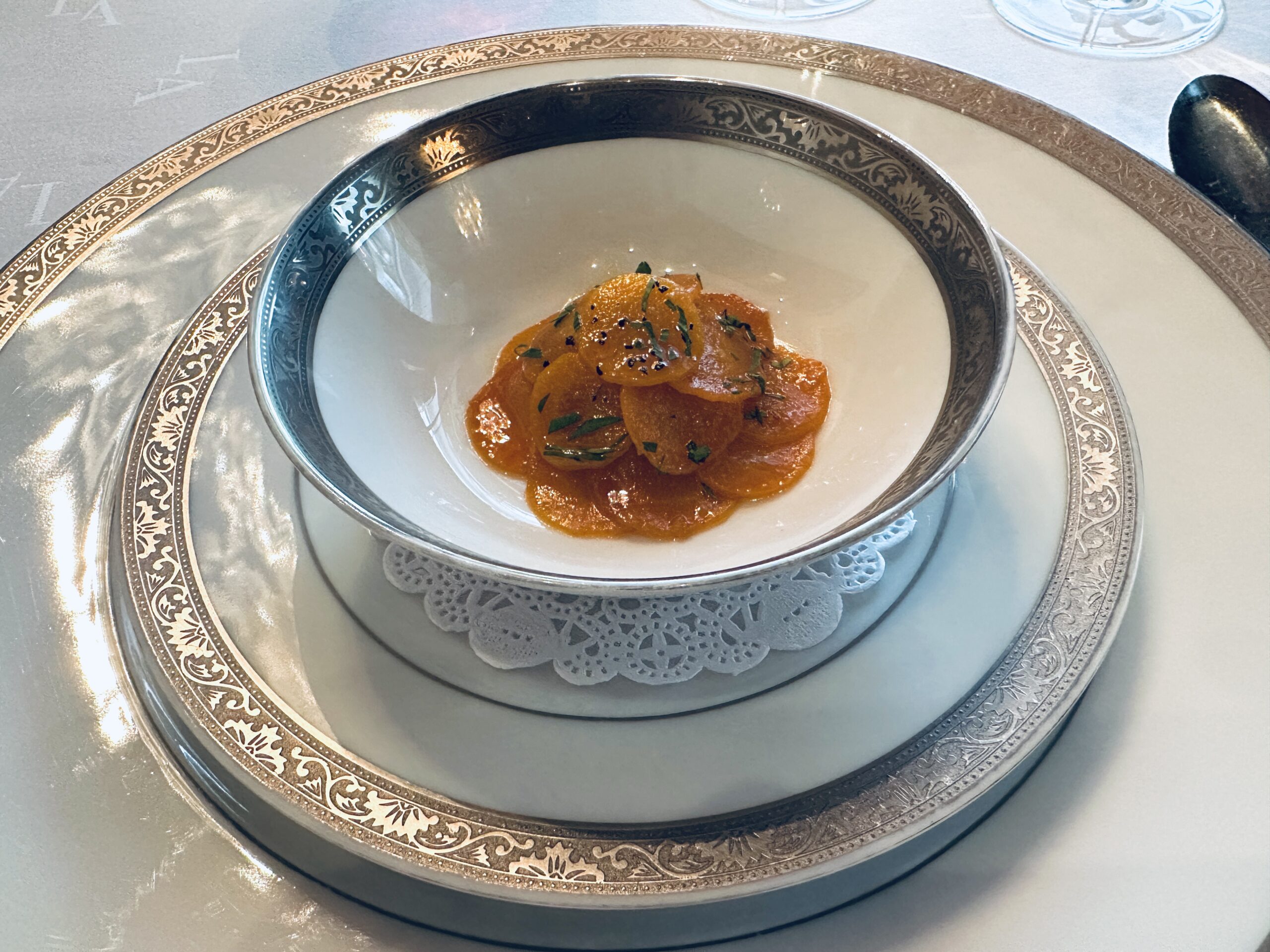
The next course was Sea Urchin Soufflé with Tarragon and Dill, served with a Crustacean Sauce. The sauce, made with cognac and tomato, was rich and aromatic, perfectly complementing the light, airy soufflé. Delicate yet deeply flavored, it was pure indulgence for uni lovers.The kitchen then sent out a complimentary vegetable course—silky, sweet Nantes carrots from Brittany glazed with finesse. Simple, but a standout in its own right.

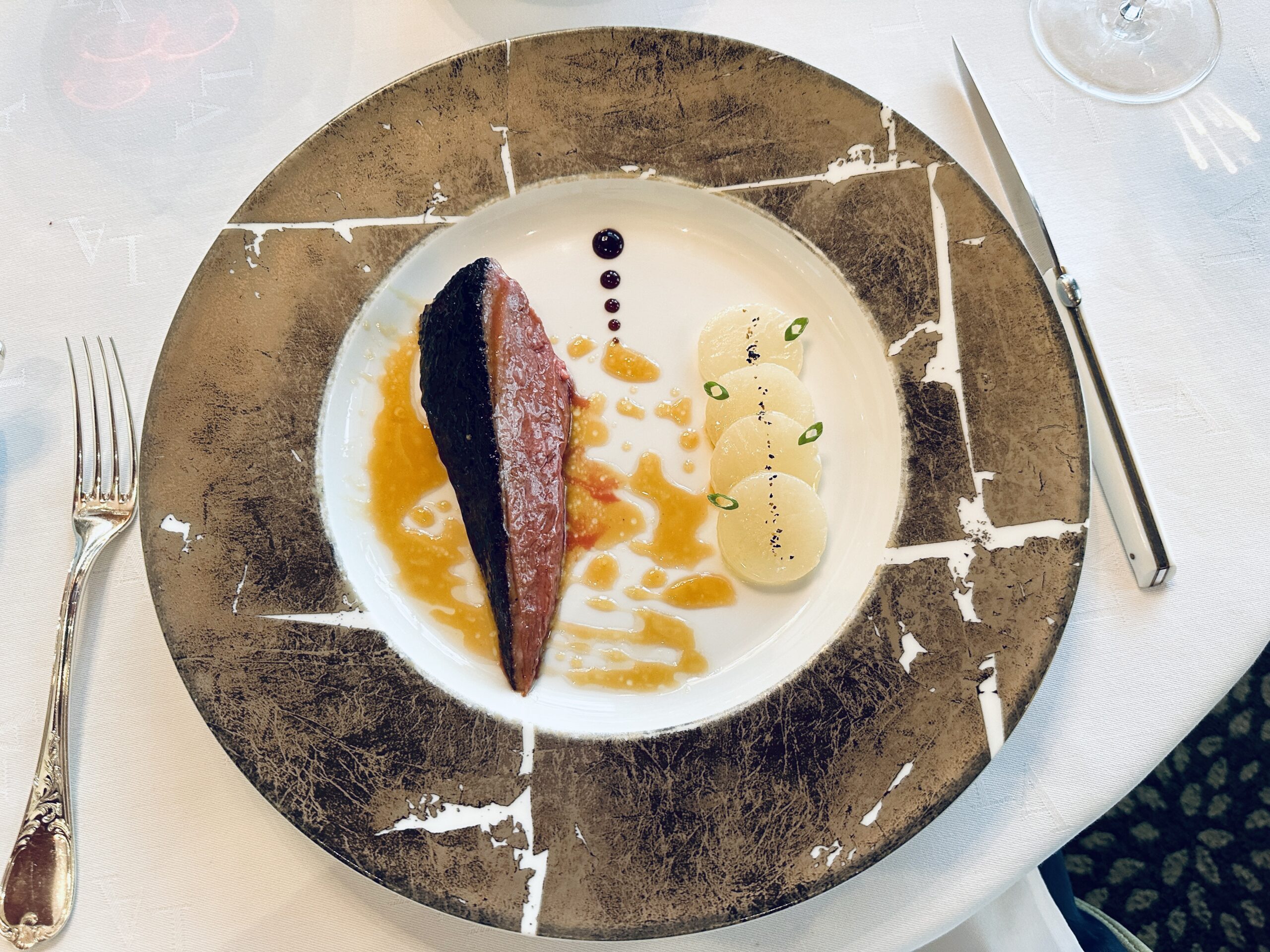
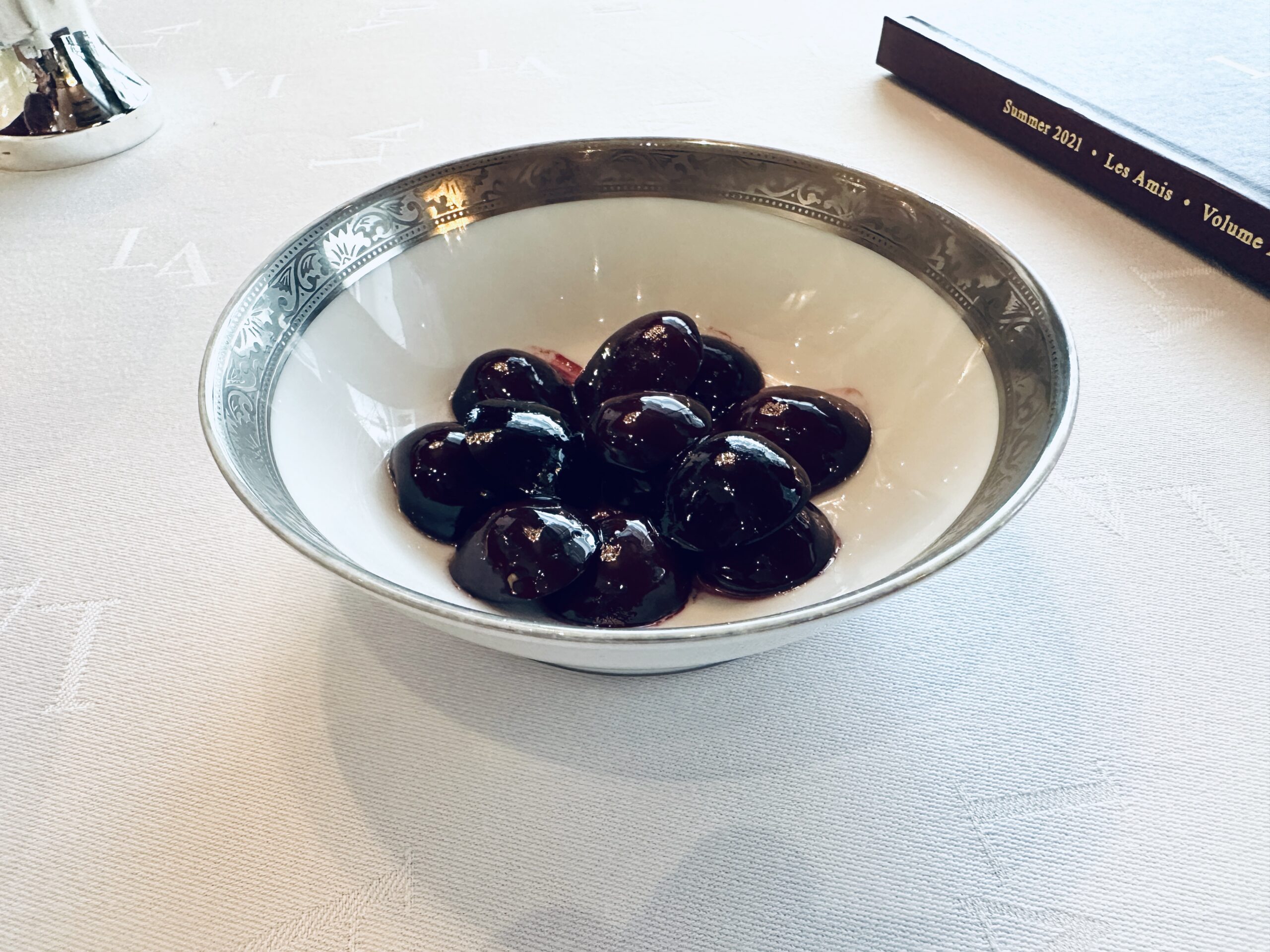
For the main course, I chose Roasted Challans Duck Breast from Vendée with glazed Mont Ventoux cherries, one of Les Amis’ signatures. Cooked to an ideal medium-rare, the duck was tender and succulent, its skin crusted with juniper, coriander, bay leaves, honey, and sake for an aromatic, subtly sweet profile. The duck jus added depth, while the glazed turnips with peppercorn and scallions brought a gentle spice. The warm, dark cherries from Provence added a lush, fruity sweetness that tied the dish together.

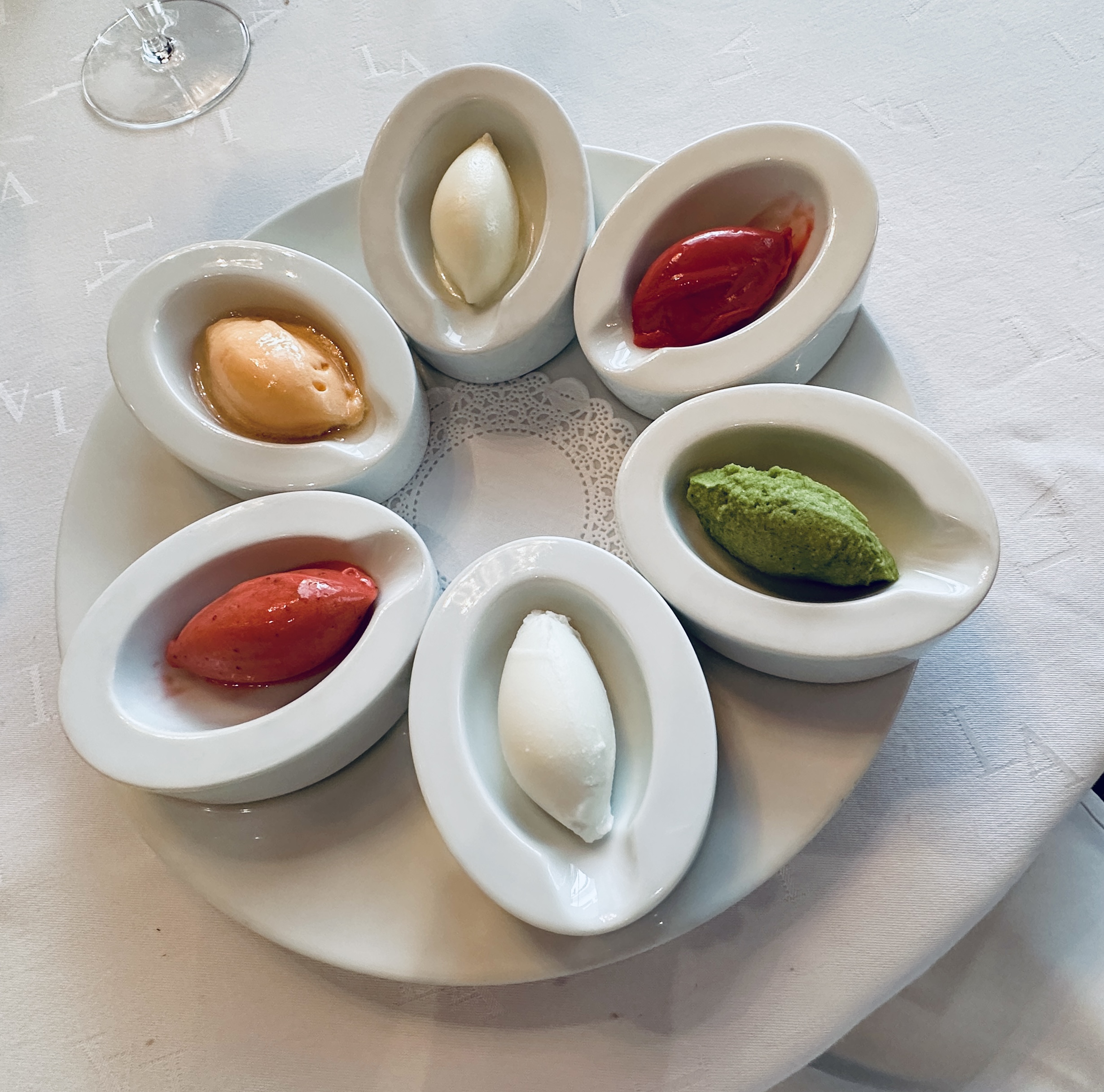
A sorbet cart arrived to refresh the palate, and I sampled an array of flavors, coconut, strawberry, melon with white wine, lemon yogurt, raspberry, and herb. Each was crisp, bright, and wonderfully refreshing after the rich courses before it.
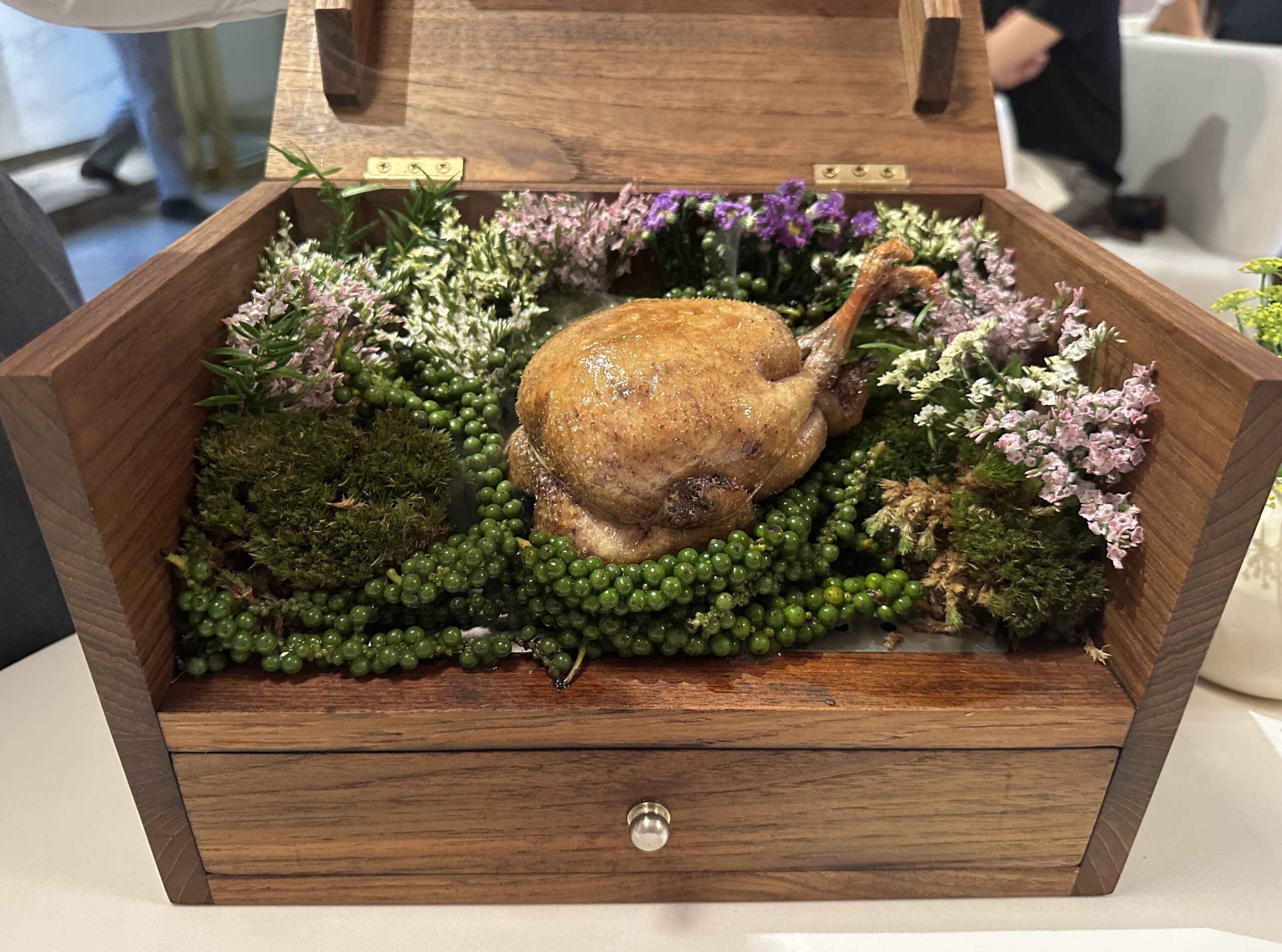
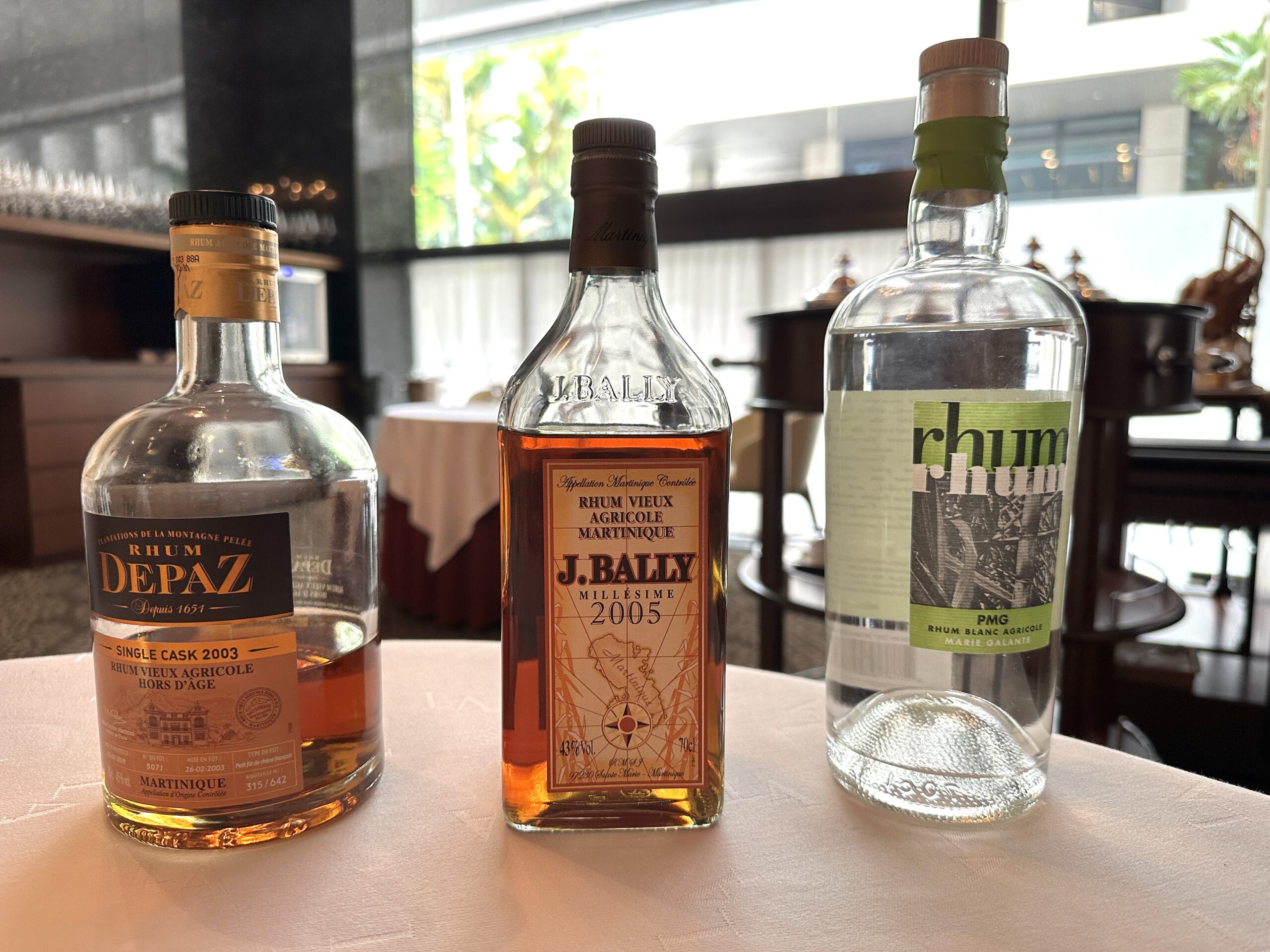
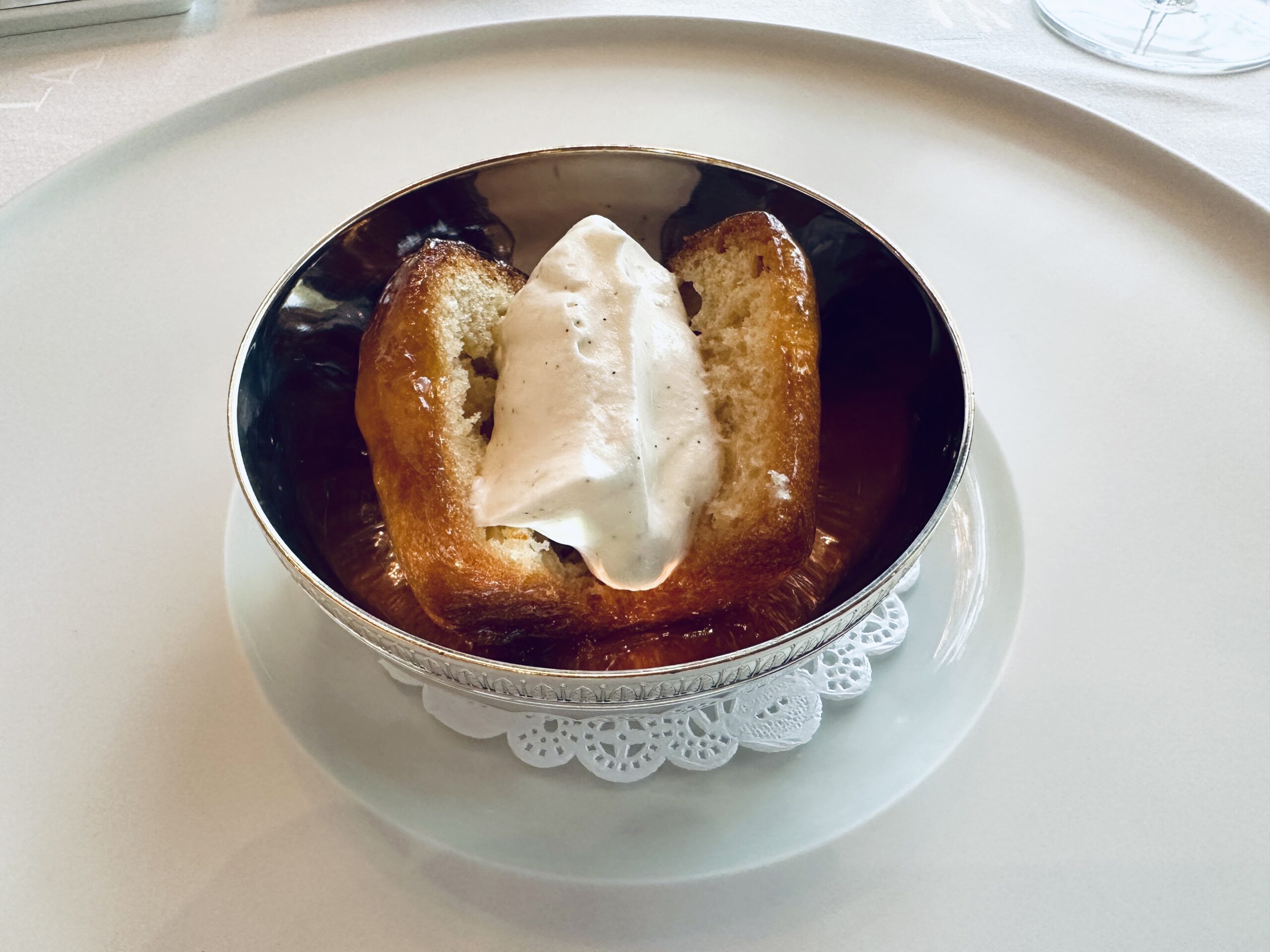
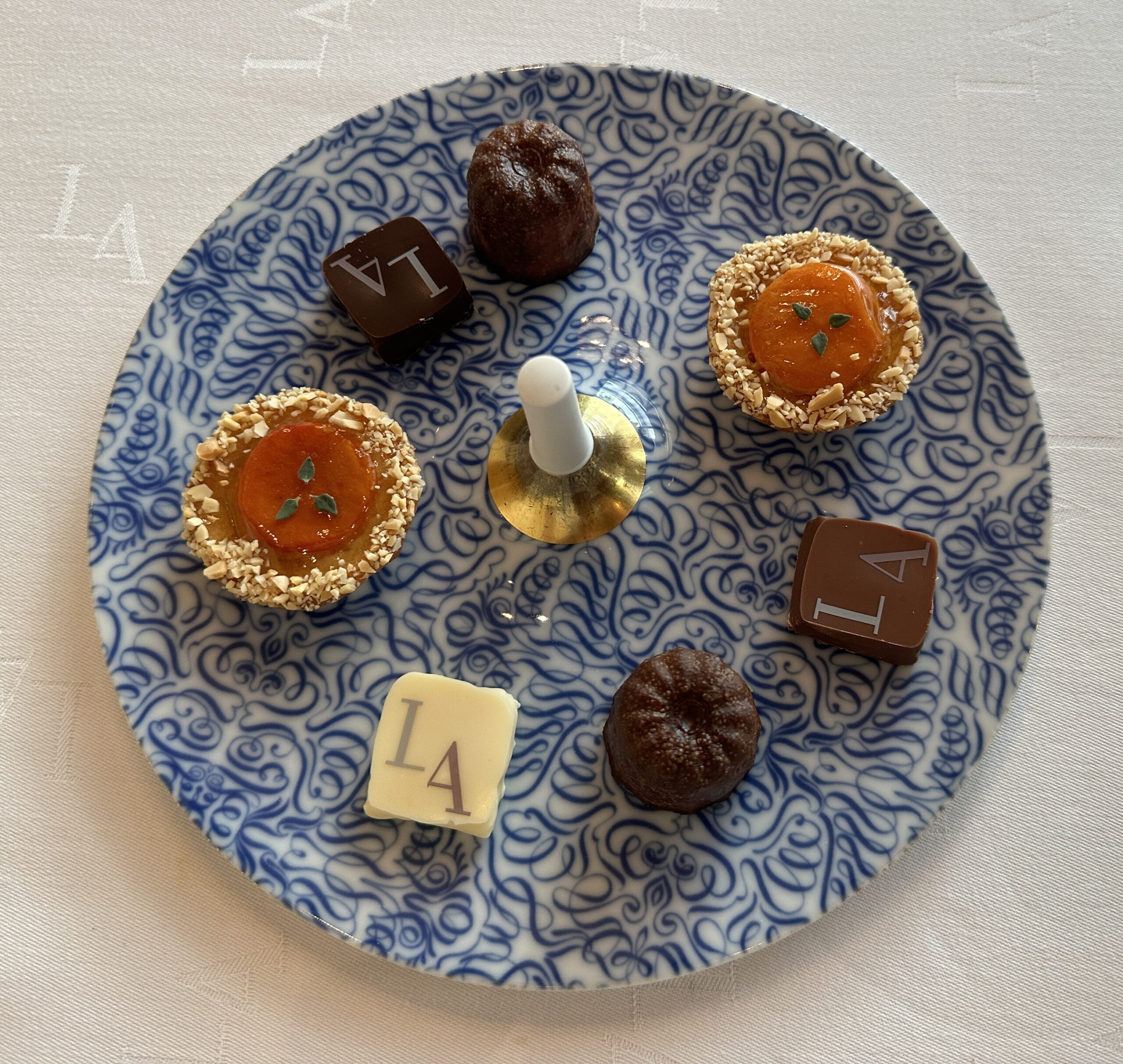
Dessert was Baba infused in aged rhum agricole & citrus, accompanied by a lightly whipped creme fleurette  or “Rum Baba”, Les Amis’ take on the French staple. The sponge cake was soft and moist, infused with cinnamon honey and lemon, glazed with apricot, and soaked with aged rhum agricole from Martinique. Inside was a cloud of crème fleurette flavored with Tahitian vanilla from Bora Bora—a wonderful sweet, boozy finish to the meal. The petit fours, canelé, apricot tart, and housemade chocolates, closed things out beautifully.

Though technically a four-course menu, the experience felt closer to eight courses with the amuse-bouche and extra touches. The cooking was precise yet never fussy—classical French flavors with modern refinement. Every dish showed an incredible attention to quality, sourcing, and execution. Even the bread program stood out for its craftsmanship.
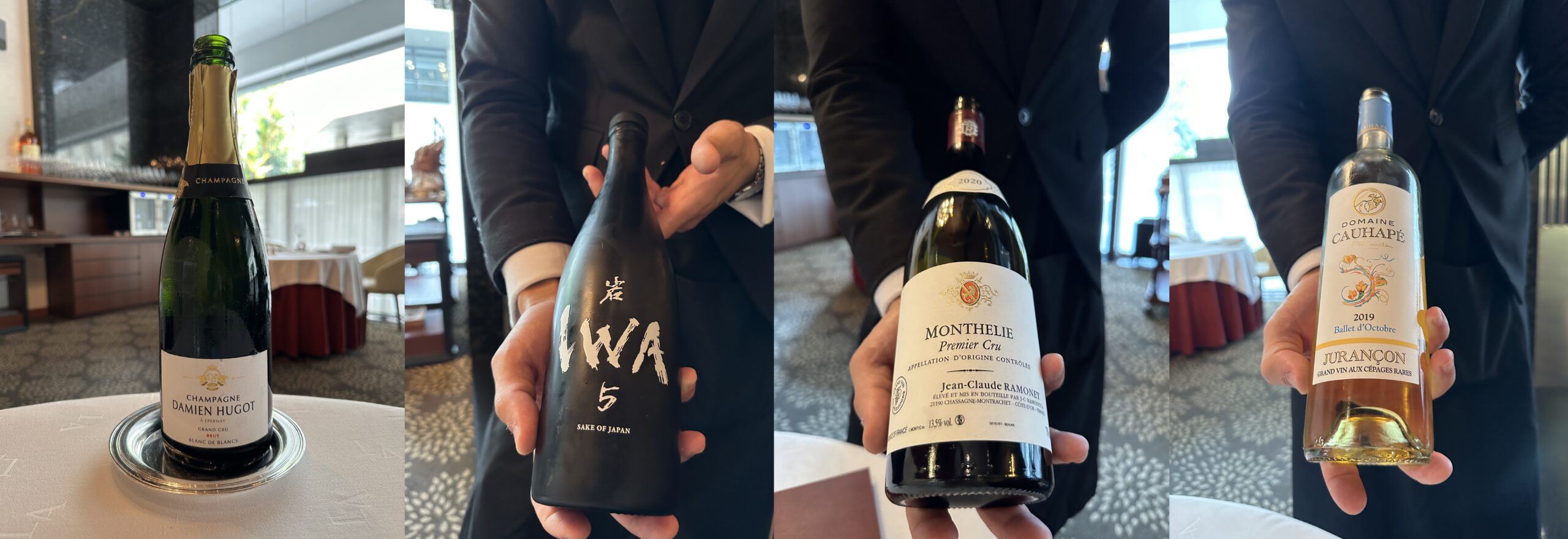
While there’s no official wine pairing for the prix fixe, I asked the sommelier to curate one. The selections were spot-on: IWA 5 Sake with the sea urchin soufflé, and Monthélie Premier Cru Domaine Jean-Claude Ramonet 2020 with the duck both excellent pairings.

Service was impeccably polished. At first, the tone felt a bit formal, but as the meal progressed, it relaxed into a natural, comfortable rhythm. The staff were attentive without being intrusive, timing each course seamlessly and anticipating needs before I could ask. Watching them operate with such precision across the dining room was impressive.

Wine Paring:

There’s no question that Les Amis is a special-occasion destination. At SGD 415 for lunch, it’s among the priciest meals in Asia, but it delivers an experience that easily matches the world’s best three-star restaurants. The cooking, service, and sense of occasion make it a meal to remember.

Three decades in, Les Amis remains at the forefront of Singapore’s fine dining scene, an enduring institution that continues to evolve while staying true to its French roots. In a city where restaurants open and close in a blink, its longevity is proof of something rare: unwavering excellence. It’s the kind of restaurant worth flying halfway across the world for easily one of the best meals anyone can have.

Rooster & Owl *

Rooster & Owl
2436 14th St NW
 Washington, DC 20009
(202) 915-9004
Official Site

Rooster & Owl is a Michelin-starred restaurant in Washington, D.C., owned by the husband-and-wife duo Yuan and Carey Tang. Chef Yuan serves as the Executive Chef, while Carey manages the front of the house. Chef Yuan honed his craft in several renowned Michelin-starred establishments in New York, including Jean-Georges, The Modern, and Dovetail. He later returned to D.C. to work at various local restaurants before launching Rooster & Owl as a pop-up in 2016. In 2019, the restaurant found a permanent home, earning a glowing three-star review from The Washington Post and a Michelin star the same year—an accolade it proudly retains to this day.

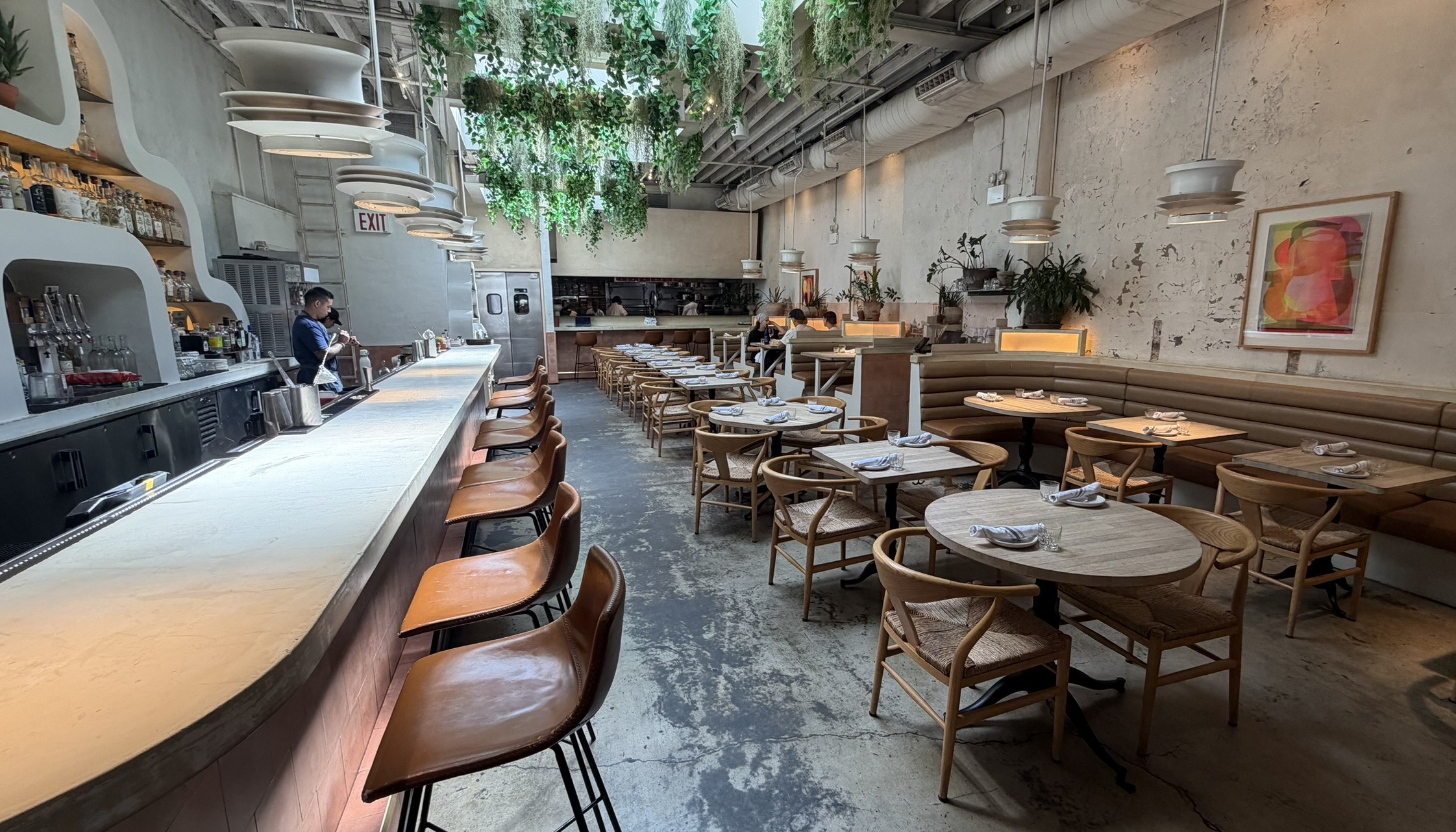
Located along 14th Street in Washington, D.C.’s Columbia Heights neighborhood, Rooster & Owl exudes industrial-chic charm. At the entrance, guests are greeted by a sleek bar that also serves as counter seating. The dining room features uncovered blonde wooden tabletops paired with brown leather chairs, creating a warm yet modern ambiance. Heavy-duty metal shelving divides the space, adding both function and character. Diners can also catch glimpses of the open kitchen, adding an interactive element to the dining experience.

Open exclusively for dinner, the restaurant offers a prix fixe menu priced at $95, consisting of four courses—three savory dishes and a dessert—with the option to add extra courses for $15 each. The meal begins with a warm Hong Kong-style pineapple bun, which is light, airy, and infused with a delightful pineapple flavor.

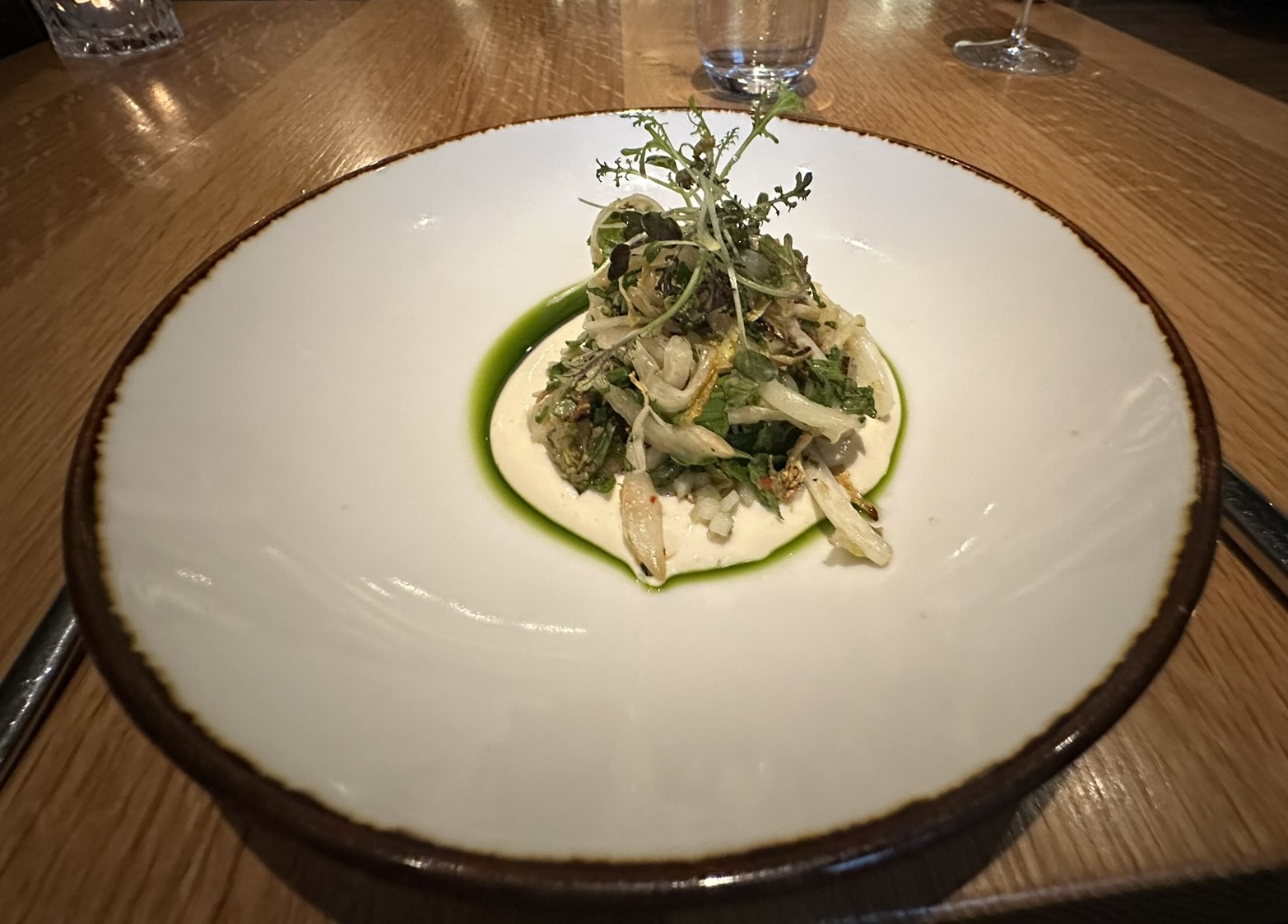
The first course, FLUKE TARTARE – wasabi | huckleberry | melon, is visually striking, bursting with color and freshness. The fluke is delicately marinated in citrus, enhancing its natural brightness while a subtle floral note adds depth. Next, the CHARRED CABBAGE – whipped tofu | Thai chili honey | nuoc cham | hazelnut presents a medley of fresh vegetables with a perfect balance of sweetness and spice. The whipped tofu provides a silky base that complements the charred scallions beautifully, resulting in a light yet flavorful dish.

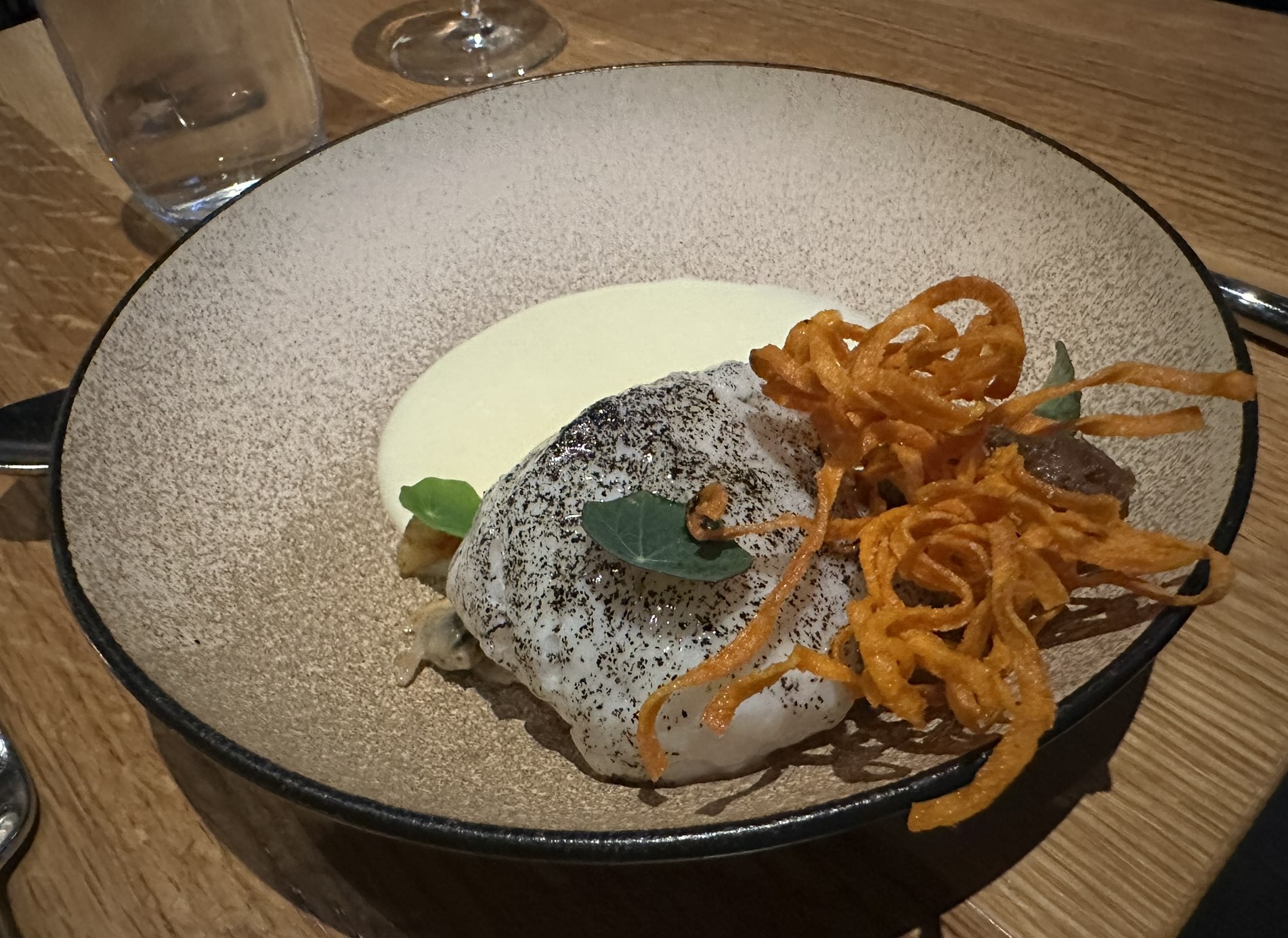
The NORWEGIAN COD – Littleneck clams | potato leek | fennel follows, with the cod expertly seasoned and enveloped in a thick potato-leek sauce that lends richness to the dish. A touch of yuzu marmalade brings a welcome zest, while crispy carrot strings add texture and a hint of earthy sweetness.

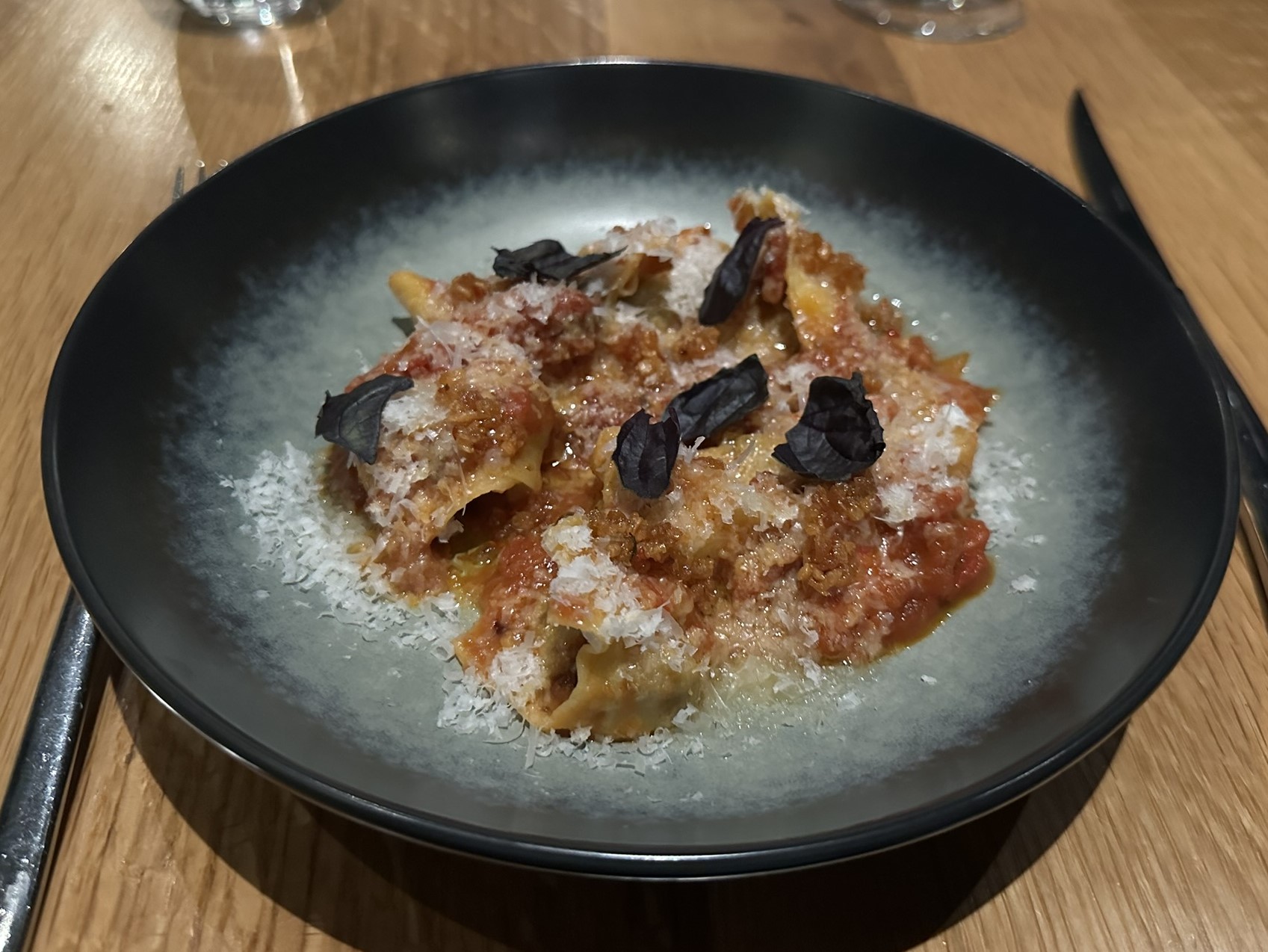
The SHORT RIB TORTELLINI – roasted tomato | bone marrow | XO butter is a standout. The tortellini, filled with tender short rib and foie gras, is decadent and deeply satisfying. The bone marrow sauce imparts a luxurious savoriness, while dehydrated garlic chili adds a crunchy texture and a mild kick of heat.

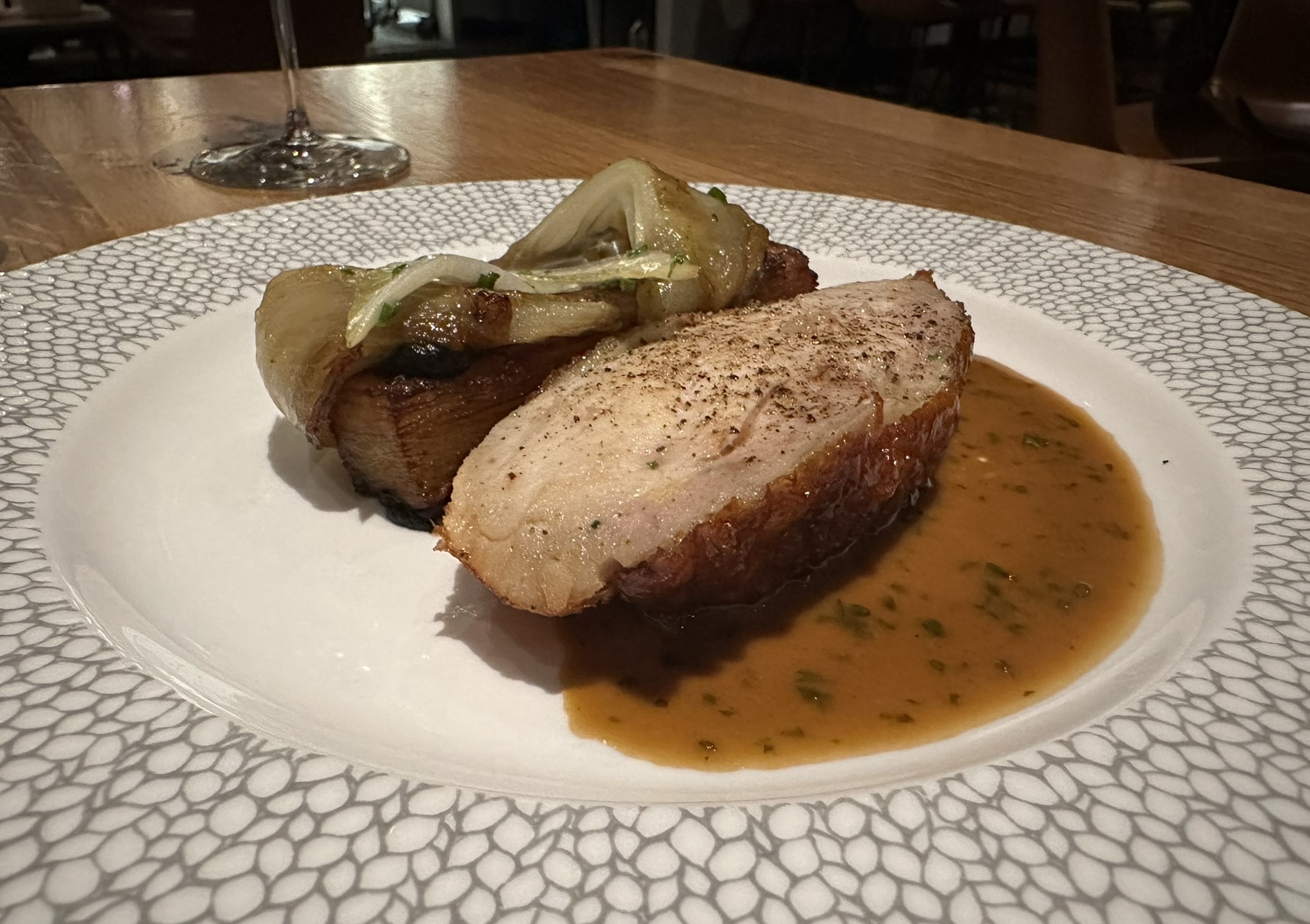
Highly recommended by the staff, the CHICKEN PRESSE – braised endive, confit potato, chicken jus, does not disappoint. The chicken is perfectly cooked—exceptionally tender and moist with a skin that is irresistibly crispy. The accompanying chicken jus is deeply flavorful, tying the dish together beautifully.

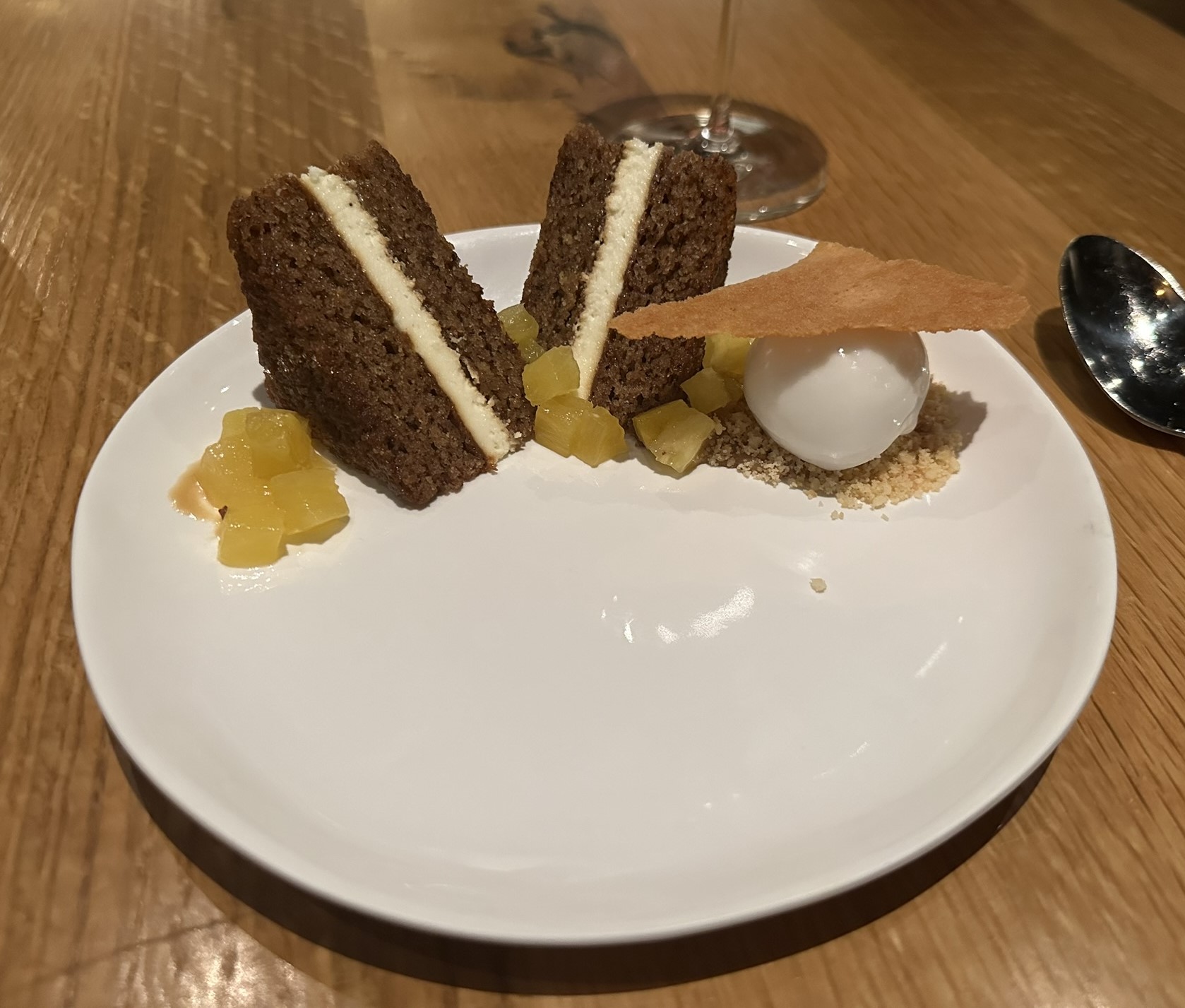
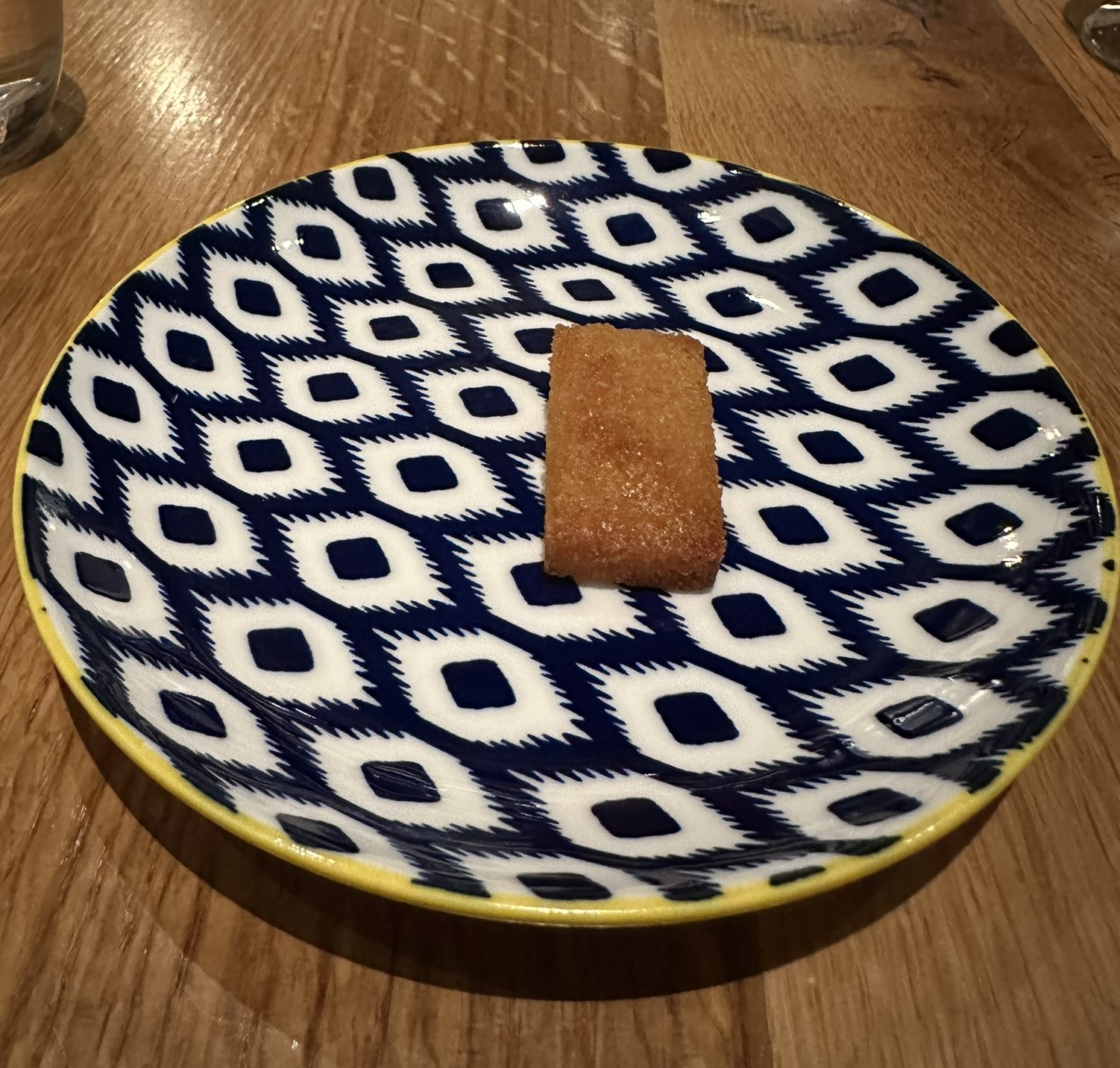
For dessert, the HUMMINGBIRD CAKE – chili pineapple | cream cheese | coconut is a unique take on the classic Southern cake, originally from Jamaica. Another staff favorite, this dessert impresses with its luscious cream cheese filling, which is both rich and delicately sweet. The chili pineapple adds a bright contrast, while coconut is creatively incorporated in various forms, including a crisp and a creamy coconut ice cream. To conclude the meal, a sweet almond financier is served, providing a simple yet satisfying final bite.

Dinner at Rooster & Owl is an enjoyable and well-executed experience. The menu showcases strong Asian influences, with ingredients thoughtfully woven together to create layers of flavors that harmonize beautifully. The four-course structure is more than satisfying, yet the option to add additional dishes allows guests to personalize their tasting journey.

The service is equally impressive—warm, engaging, and effortlessly professional. The staff strike a perfect balance between being attentive and maintaining a relaxed, welcoming atmosphere, making each guest feel at home.

Rooster & Owl is a restaurant I thoroughly enjoyed. As a strong one-Michelin-star establishment, it delivers exceptional flavors at an accessible price point in an inviting setting. It’s a dining experience well worth seeking out.

Casa Mono *

Casa Mono
52 Irving Pl,
New York, NY 10003
(212) 253-2773
Official Site

For more than twenty years, the Spanish restaurant Casa Mono has been a fixture of Gramercy Park, just a stone’s throw from the bustling Union Square Market. The restaurant is part of the B&B Hospitality Group, owned by celebrity restaurateur Joe Bastianich. From day one, Chef and patron Andy Nusser has been at the helm. Chef Nusser, who also served as the opening chef at Babbo—the group’s flagship restaurant in the West Village—launched Casa Mono in 1994. Under his leadership, the restaurant has consistently held a Michelin star since 2010 and earned a prestigious three-star review from The New York Times.

Casa Mono’s space is small and lively, featuring an open kitchen, closely arranged tables, and floor-to-ceiling windows that open to the street on nice days. A bar offers additional seating, while wine-lined walls and mosaic tile floors create a warm, Spanish-inspired setting. It can get noisy when crowded, but the energetic vibe only adds to its charm.

Casa Mono offers a single menu for both lunch and dinner, with a selection that is extensive yet not overwhelming. The Pulpo – fennel, grapefruit, and olive tapenade was a standout. The baby octopus was both crispy and tender, with the grapefruit adding a bright, bitter zest, while the olive tapenade contributed a briny depth. The Chopitos – smoked eggplant and squid ink featuring expertly fried cuttlefish, offered a delightful contrast of textures, with a crispy exterior and a rich, smoky undertone, balanced by the deep maritime essence of the squid ink sauce.

The Creamy Eggs – sea urchin, walnuts, and ancient anchovy oil, were executed flawlessly. The eggs had a silky consistency, enriched by the sweet brininess of the sea urchin. Another highlight was the Arroz Negro – fluke a la plancha and piparra emulsion. The fluke was delicate yet firm, resting atop squid ink rice and a vibrant lime basil sauce that married acidity, herbal freshness, and a hint of vegetal bitterness, complementing the dish beautifully.

The Bacalao Croquetas – orange aioli and orange zest offered a classic Spanish tapa with a refined twist. The crisp exterior gave way to a perfectly seasoned, salty interior, with the citrusy aioli providing a bright counterpoint. The Scallops – serrano pepper curry and minted cashews were wonderful. Their natural sweetness was layered with a subtly spiced curry sauce, while the cashews added texture and depth.

For something heartier the Duck Breast – maitake mushrooms and miel de Jerez, was impeccably cooked. The skin was crisp, the meat succulent, and the sauce carried a delicate sweetness, balanced by earthy undertones. The Braised Oxtail-piquillo peppers was meltingly tender, falling off the bone with ease. Served piping hot, its robust flavors begged for extra bread to soak up every last drop of the sauce. If there was one drawback, it was the portion size, which leaned on the smaller side.

Casa Mono’s tapas offerings were consistently delightful. Each dish was thoughtfully composed, expertly cooked, and brimming with bold, inventive flavors. The menu struck a balance between classic Spanish staples and elevated interpretations, all best enjoyed with selections from the restaurant’s award-winning wine list, featuring an extensive range of Spanish vintages and locally sourced Spanish beers.

Service at Casa Mono was exemplary. The staff was warm, attentive, and effortlessly hospitable, their laid-back approach complementing the restaurant’s relaxed and vibrant atmosphere.

If there is any caveat to dining at Casa Mono, it is the price. The portions could be slightly more generous, and with servers recommending three to four dishes per person, the bill can quickly add up. However, for those willing to indulge, the experience is well worth the cost.

Longevity is rare in the ever-changing landscape of New York City’s dining scene, where even the most celebrated restaurants can shutter within months. Casa Mono has defied the odds, thriving for over two decades while maintaining a standard of excellence that cements its status as one of the city’s premier Spanish dining destinations. Its legacy endures, and its success continues to this day.

Jungsik **

Jungsik
11 Seolleung-ro 158-gil, Gangnam-gu,
Seoul, 06014, South Korea
+82 2-517-4654
Official Site

Traveling food lovers can’t come to Seoul, South Korea without stopping by Jungsik, arguably the country’s most famous restaurant. Chef and owner Jungsik Yim is often called the godfather of “New Korean” cuisine, a modern take on traditional flavors that’s been sweeping the global dining scene, especially in New York City where many Michelin-starred spots now serve this style. After a visit to Mosu, booking a table at Jungsik felt like the natural next step on my dining adventure.

Chef Yim trained at the Culinary Institute of America (CIA) and gained experience at top restaurants like Aquavit and Bouley in New York before heading to Spain to work at Zuberoa and the three-Michelin-starred Akelarre. He opened Jungsik in Seoul in 2009, and its success led to a sister location in Tribeca, New York, which holds two Michelin stars. In Seoul, Jungsik earned its first Michelin star in the 2016 inaugural guide and picked up a second the following year, maintaining both ever since. It’s also consistently ranked on Asia’s 50 Best Restaurants list.

Jungsik is located in the Gangnam district, tucked into the second floor of a multi-story building. Downstairs is Bar Jungsik, a more casual space for drinks and small bites. Upstairs, the dining room opens up with floor-to-ceiling windows, mirrored ceilings, thick carpets, velvet-padded benches, and sleek black tables — a modern and elegant setting without feeling overly stuffy.

There are several menu options at lunch, but dinner is focused on a single multi-course “Signature” menu priced at 280,000 KRW (under $200 USD). Dinner kicked off with the “BANCHAN” usually a variety of Korean side dishes, but here served as an elegant set of canapés. I was guided to eat them left to right: fresh sashimi with a pleasant bitterness, a sweet and zesty scallop tart, a beef tartare toast with black truffle that was outstanding, and a fun kimchi-cheese lollipop in squid ink. There was also a delicate soy custard topped with salty roe, beautifully fresh vegetables, and a fermented rice drink packed with flavor. It was a memorable way to set the tone for the meal.

Signature Menu:

The first course was CAVIAR, which consisted of cured jackfish topped with caviar. The fish was thinly sliced, clean, and fresh, while the vinaigrette with Korean herbs gave it a nice floral and acidic touch. The tomato jelly underneath brought out the umami, and the caviar added a luxurious salty finish.

Next was ABALONE, sourced from the waters of southern Korea, steamed perfectly for a smooth texture. It came with a lightly spicy kimchi-flavored sauce and a buttery wine reduction with hints of citrus — rich but not heavy. The SWEET SHRIMP GIMBAP a Korean classic reimagined into a crispy seaweed cylinder filled with rice, fried shrimp, and kimchi. I was instructed to dip it into shrimp powder for an extra punch of flavor. Alongside, there was a piece of soy-marinated shrimp, a great showcase of the main ingredient.

Then came the ROYAL BIBIMBAP. While bibimbap is a simple Korean rice dish, this version was elevated with black truffle, beef tenderloin, foie gras, and cheese, bringing together earthy and savory elements in a luxurious way. The next dish was GEUM TAE, or red snapper. It reminded me of a similar one I had at Mosu the night before. The fish was firm but tender, with perfectly crisped skin. A light oil-based sauce added a subtle nuttiness, and it sat on kimchi infused with yuzu and soy sauce, giving the dish a bright, citrusy heat.

For the main course, there was a choice between LAMB and HANWOO beef (a +30,000 KRW supplement). I went with the HANWOO. It was a tenderloin cut, cooked medium rare—incredibly tender, juicy, and full of flavor. The brown butter and soy sauce added a nice mix of sweetness and a touch of salt. On the side, there were grilled mushrooms, roasted pine nuts, and herbs that paired really well with the beef.

The KOREAN MELON KOMBUCHA arrived chilled and acted as a refreshing palate cleanser. It had a bright tanginess and a subtle sweetness that was light and cooling. The main dessert was the DOLHAREUBANG l CARROT, a playful take on Jeju Island’s iconic volcanic statue. This mini figure was made of chocolate mousse and filled with peanut caramel. Rich and sweet, it was balanced nicely by a scoop of milk ice cream that toned things down with its gentle sweetness. Fun and satisfying.

WATERMELON STICK followed, a sorbet with that unmistakable watermelon flavor. Cool, crisp, and just sweet enough. To wrap up the meal, coffee was served with a house-made CHOCOPIE, a nostalgic Korean treat of chocolate and marshmallow. The sugary richness paired well with the bold black coffee.

After a long series of courses, this dinner definitely stood out. The flavors were rooted in Korean tradition, but the execution was thoughtful and modern. The kitchen leans heavily on high-quality local ingredients, blending them seamlessly with Western techniques. Some dishes reinterpreted classic Korean staples, while others incorporated luxurious Western ingredients to elevate the experience.

I opted for the wine pairing at 168,000 KRW (a 9-glass option is also available for 230,000 KRW). The selection include five thoughtfully chosen wines from around the world, each expertly paired with its corresponding dish.

Service at Jungsik was formal but never stiff. The staff was professional, well-spoken, and always happy to engage. Every server who came by the table knew the menu well and explained each course clearly. There was no language barrier, and they were attentive without ever hovering—glasses were refilled before you even thought to ask.

Beverage Pairing:

Jungsik feels surprisingly approachable. If you’re curious about experiencing a two-Michelin-star meal without spending a fortune, lunch is a great way in. But even dinner is doable at just under $350 USD for the full menu with drink pairing, it’s a fair price for a restaurant of this caliber.

Back in New York, it’s hard to miss the wave of “Modern Korean” spots popping up everywhere. Korean food has gone far beyond its K-Town roots in Manhattan or Flushing in Queens. Jungsik played a huge role in that shift. Chef Jungsik Yim and his flagship in Seoul helped define what “New Korean” could be. So if you’re in Seoul, there’s no better place to explore where it all began.

Mosu ***

Mosu
45 Itaewon-ro 55ga-gil, Yongsan-gu,
Seoul, 04348, South Korea
+82 10-9014-1696
Official Site

Seoul, the vibrant capital of South Korea, stands as the nation’s gastronomic epicenter. A paradise for food enthusiasts, it offers an impressive range of culinary experiences, from bustling night markets to cozy, family-owned eateries. This dynamic megacity is home to numerous Michelin-starred establishments and globally celebrated restaurants. Yet, one name truly stands out: Mosu, currently the only three-Michelin-starred restaurant in both Seoul and South Korea.

Mosu is helmed by Chef Sung Ahn, a South Korea-born culinary virtuoso who moved to the United States in his teens. There, he honed his craft in some of California’s finest kitchens, including Urasawa (two Michelin stars in Los Angeles), The French Laundry, and Benu (both three stars). Chef Ahn opened Mosu in San Francisco in 2016, earning a Michelin star within months. However, a year later, he closed the restaurant, returning to Seoul to be closer to his family. Mosu reopened in Seoul in 2017, immediately receiving one Michelin star in 2018, followed by a second a year later. By 2022, it had reached the pinnacle of culinary excellence with its third Michelin star.

Located in the trendy Itaewon district, Mosu is discreetly nestled among boutique shops, blending seamlessly into its stylish surroundings. The bi-level space exudes minimalist elegance. Oversized, uncovered tables are generously spaced for privacy, emphasizing a sense of calm sophistication. The main dining room on the first floor feels expansive, featuring an open kitchen with soaring ceilings and floor-to-ceiling windows, creating a serene yet exclusive atmosphere.

Open for lunch and dinner, each service offers its own tasting menu. I visited for dinner, which came at a cost of 370,000 KRW, payable in full upon reservation. The meal commenced with a welcome drink of jasmine and summer herbs—a refreshing prelude to awaken the palate. What followed was a parade of small bites that arrived in rapid succession, setting a high standard for the evening.

Small Bites:

The first bite featured sweet shrimp with crispy seaweed and egg salad, a delightful combination that was both delicate and flavorful. Next was a rice cracker adorned with vibrant, fresh herbs and vegetables, delivering a burst of freshness. A skewer of carrots, tomato, and eggplant drizzled with olive oil sauce followed, packing a profound and compact flavor. The truffle tart, crafted with a squid ink base and filled with Korean Hanwoo beef tartare, was a standout, offering an earthy truffle essence paired with the richness of the beef. The final small bite, a taco of abalone with seaweed compote, delivered a delightful crunch and a chewy texture, with a squeeze of lime elevating its flavors. These expertly crafted bites started the dinner on an exhilarating note.

The official first course, toasted sesame with amaranth, presented a sphere of sesame and tofu resembling a large dumpling, filled with creamy, briny uni. A touch of wasabi added a hint of spice, balanced by the sweet notes of dashi. Next was the bread course, a surprising sourdough ice cream served atop oil and balsamic vinegar. The ice cream captured the essence of sourdough bread, with toasted quinoa providing a textural nod to its crust.

The following courses were equally remarkable. The tilefish in capsicum, sourced from Jeju Island, was flawlessly tender with a hint of fattiness. Its sauce—a medley of paprika powder, shishito chili, and anchovies—offered a vibrant interplay of pungency, salinity, and spiciness. Then came the sweet corn custard, a dish as smooth and creamy as it was flavorful. Hidden beneath its silky surface were succulent scallops, while a topping of decadent caviar added a perfect touch of briny luxury.

The fresh water eel “kobayaki”, introduced earlier in the evening as a tartin, finally made its appearance. Traditionally a sweet pastry, this version was given a savory twist. The tartin’s caramelized, crispy crust paired beautifully with the tender, subtly sweet eel filling. Next came the ember toasted acorn noodles, a pasta dish featuring acorn noodles in butter sauce, crowned with generous shavings of black truffle. The butter sauce and truffles created a rich, aromatic harmony that was deeply satisfying.

For the main course, the Hanwoo” & clams, was a testament to Korean culinary excellence. This native breed of cattle, renowned for its superior quality, was prepared to perfection—tender, juicy, and intensely flavorful. A clam sauce infused with cherry seed oil added layers of depth and complexity, elevating the dish to new heights and concluding the savory courses with a flourish.

Dessert, fittingly named “Small Sweets,” unfolded in several delightful acts. A palate-cleansing chamoe sorbet, made from Korean melon, refreshed the senses with its crisp, fruity notes. A Kampuchea peach with fermented yellow rice cake offered a unique texture and subtle flavor. The choux pastry, filled with kombu cream jam, combined delicate sweetness with umami undertones. The final dessert was a bold caramel ice cream, intriguingly paired with onion and leek. The savory elements tempered the caramel’s sweetness, creating an unexpectedly balanced profile. Accompanying my tea was yakgwa, a deep-fried Korean pastry infused with ginger and honey—a fittingly indulgent end to an extraordinary meal.

“Small Sweets”:

Mosu’s tasting menu exemplified precision and artistry, seamlessly blending Chef Ahn’s American influences with local Korean ingredients. Each dish was thoughtfully composed, with some flavors offering comforting familiarity and others an exciting sense of novelty. The meal was expertly paired with the restaurant’s standard beverage selection, featuring French wines, a South African white, Japanese sake, and Korean spirits—all enhancing the food beautifully.

Drink Pairing:

Service was impeccable. The staff at Mosu were warm, professional, and well-versed in each course, confidently explaining the dishes in fluent English. The relaxed atmosphere, contrasting with the formality of the service, created a comfortable yet refined dining experience. Notably, the restaurant does not enforce a dress code, which is uncommon for fine dining in the West, reflecting Seoul’s unique dining culture.

An evening at Mosu is surprisingly affordable compared to similar three-starred venues in the U.S., Europe, or other Asian cities. With dinner and beverage pairing totaling less than $450, it offers remarkable value.

With the closure of Gaon and the demotion of La Yeon, Mosu remains the nation’s sole three-starred bastion. Though temporarily closed for relocation, the restaurant is expected to reopen in late 2024. When it does, there is little doubt that Mosu will reclaim its status as Seoul’s premier fine-dining destination, offering an experience truly worth the journey.