
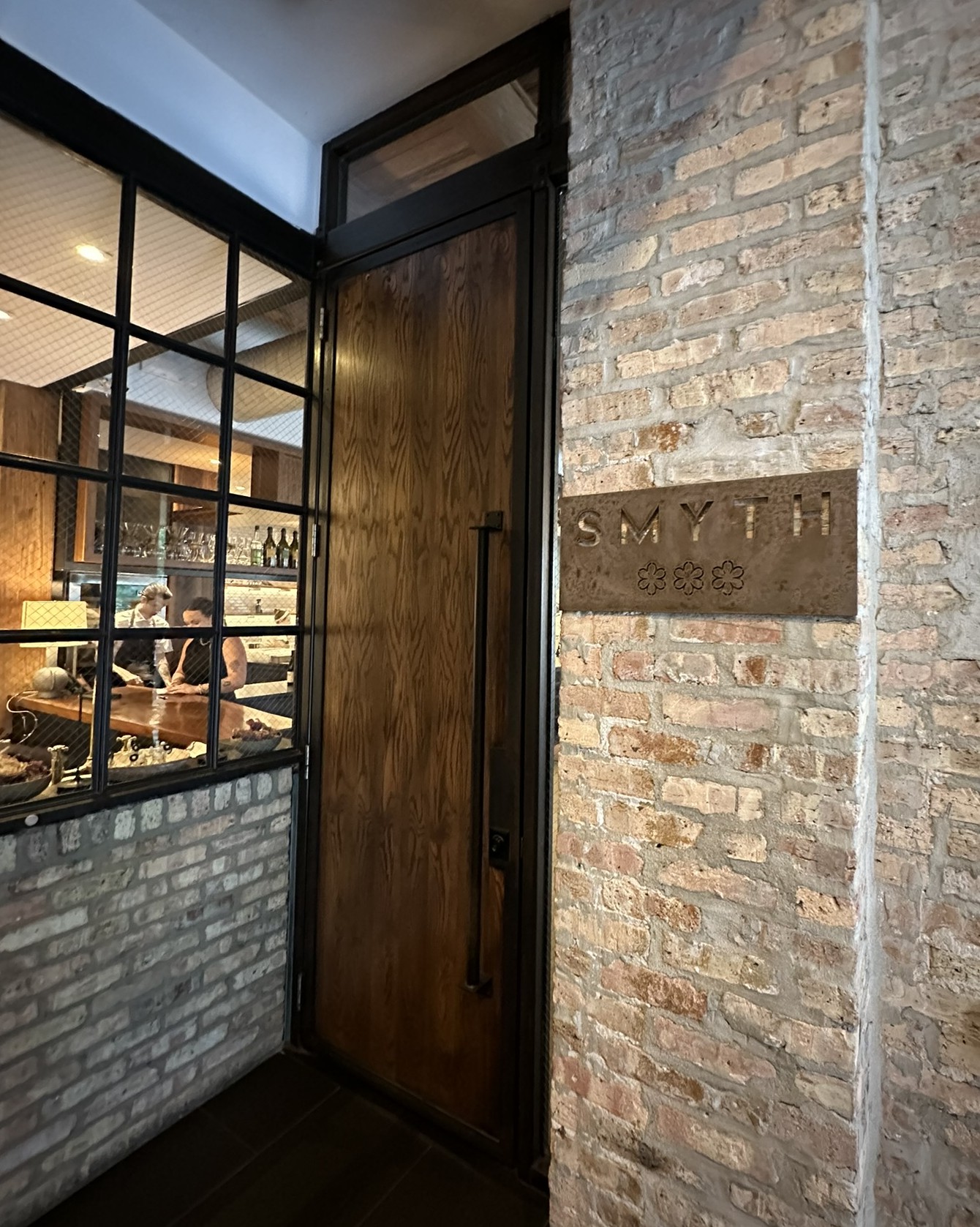
Smyth
177 N Ada St #101,
Chicago, IL 60607
(773) 913-3773
Official Site
The West Loop neighborhood has long been a gastronomic hotbed in Chicago. There are countless high-end and Michelin-starred restaurants that call this neighborhood home. On my previous visit to Chicago, I dined at the now-closed three-Michelin-starred Grace and the one-Michelin-starred Elske. Several years later, I found myself back in Chicago and in the West Loop, this time to dine at the three-Michelin-starred Smyth.
Smyth is owned by husband-and-wife chefs John and Karen Shields, who have impressive culinary résumés. John worked at some of Chicago’s premier dining establishments, including Charlie Trotter’s and Alinea, while Karen, a pastry chef, worked at TRU and Charlie Trotter’s, where the couple first met. They were initially supposed to open an outpost of Charlie Trotter’s in Las Vegas, but they turned down the opportunity and moved to the rural town of Chilhowie, Virginia, where they took over a modest restaurant called Town House in 2008. The New York Times published a glowing review that helped transform the restaurant into a culinary destination. John’s cooking earned him recognition as one of Food & Wine magazine’s Best New Chefs and a James Beard Award finalist nomination. The couple eventually returned to Chicago to open Smyth and its more casual sibling, The Loyalist. After opening in 2016, Smyth received its first Michelin star that year, followed by a second in 2017. In 2023, the restaurant was awarded its third star.
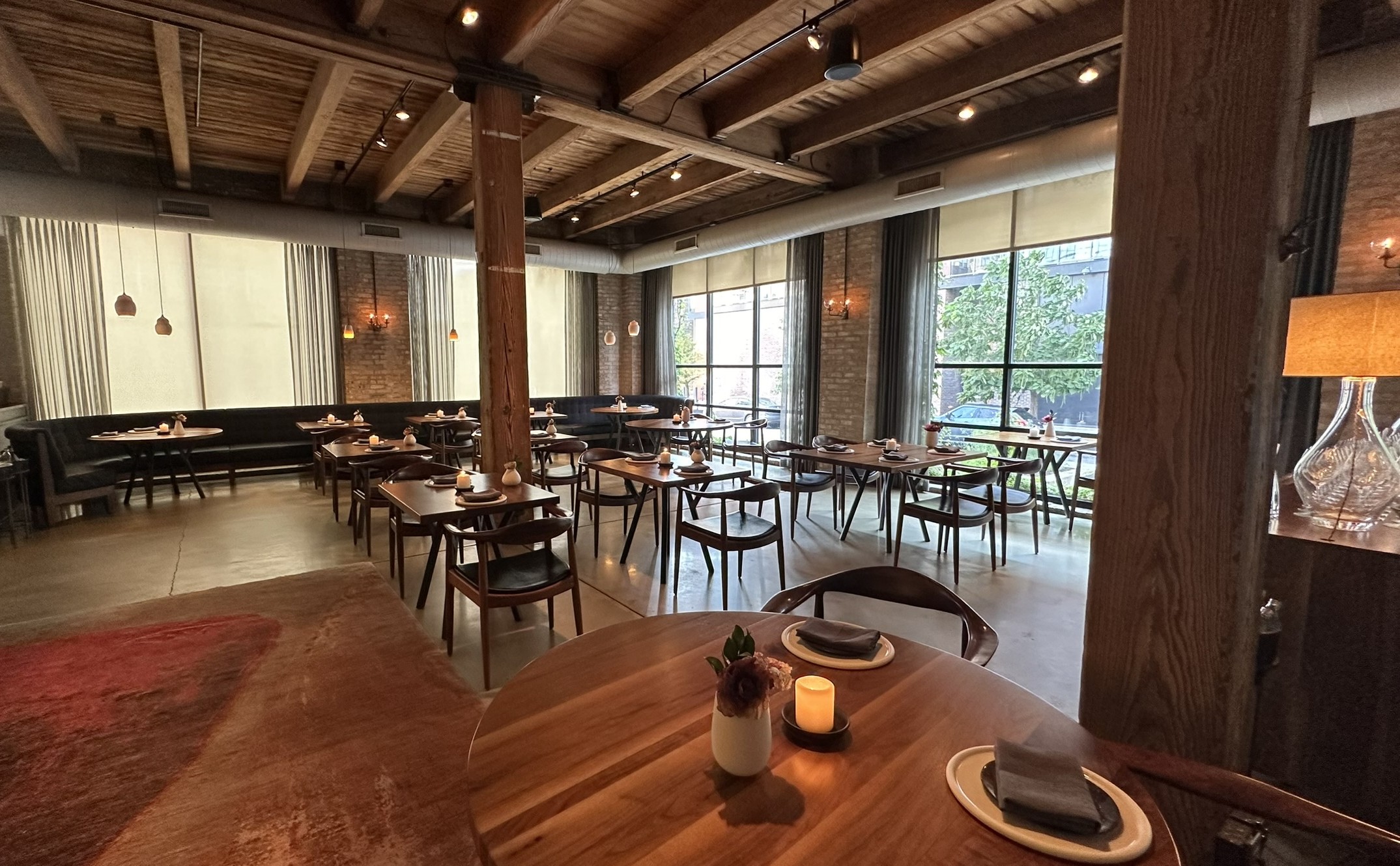
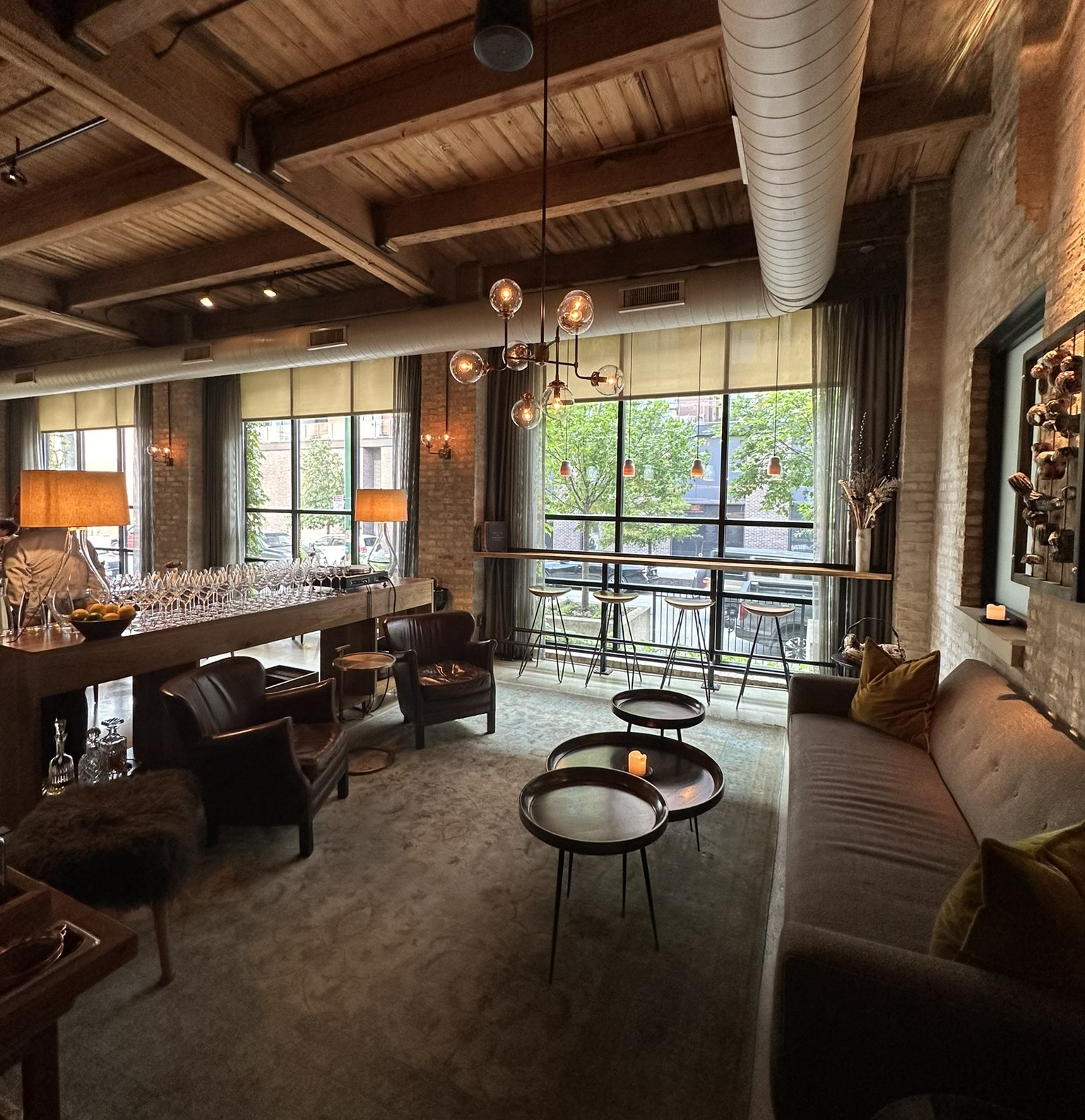
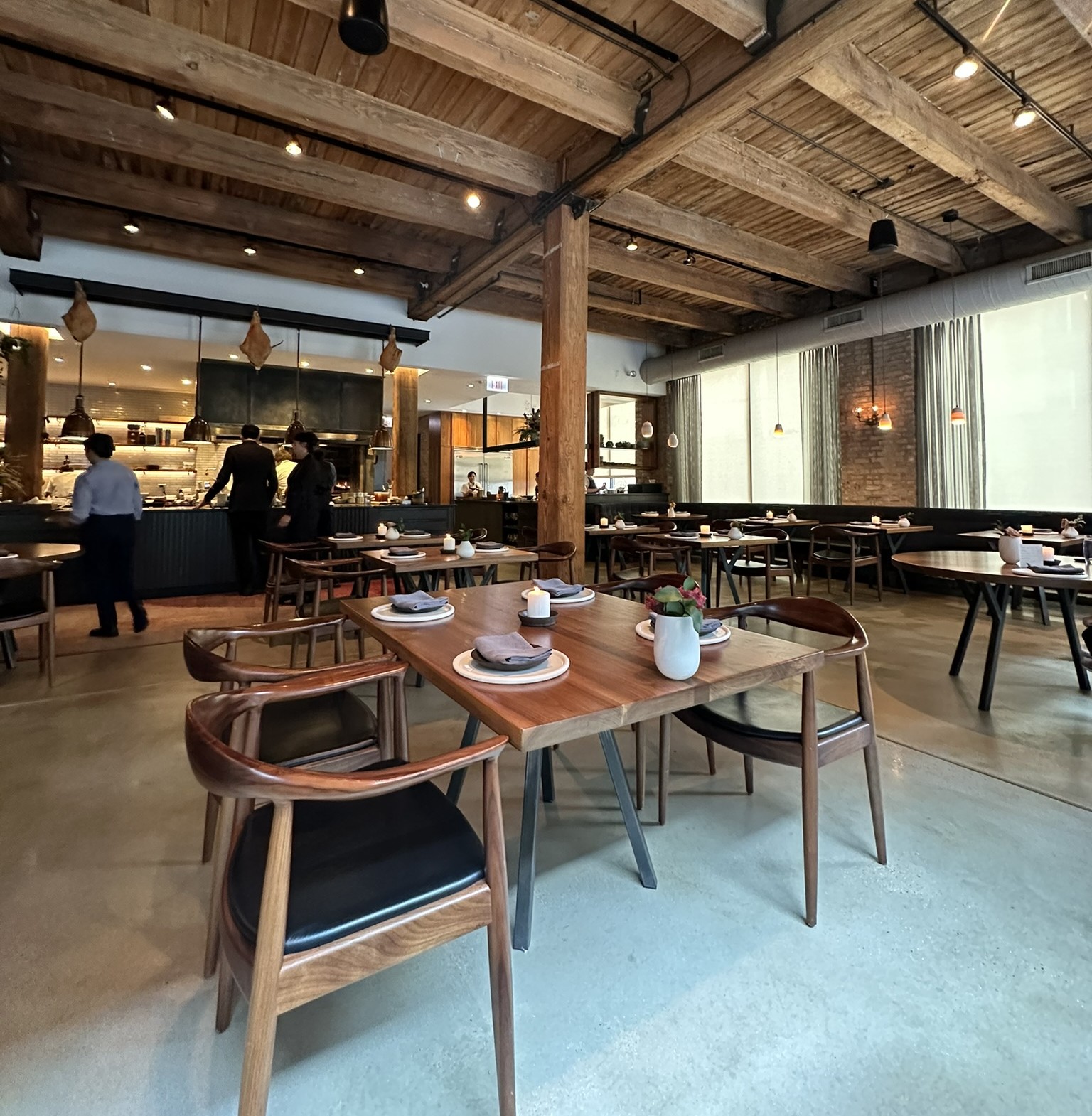
The restaurant features an open-concept dining room that feels spacious and welcoming. A waiting area with plush sofas occupies the front, while the open kitchen looks directly into the dining room. Smooth, uncovered mahogany tables are paired with wooden chairs, while concrete flooring, exposed brick walls, and wooden ceiling rafters add character to the space. Large windows allow an abundance of natural light to fill the dining room.
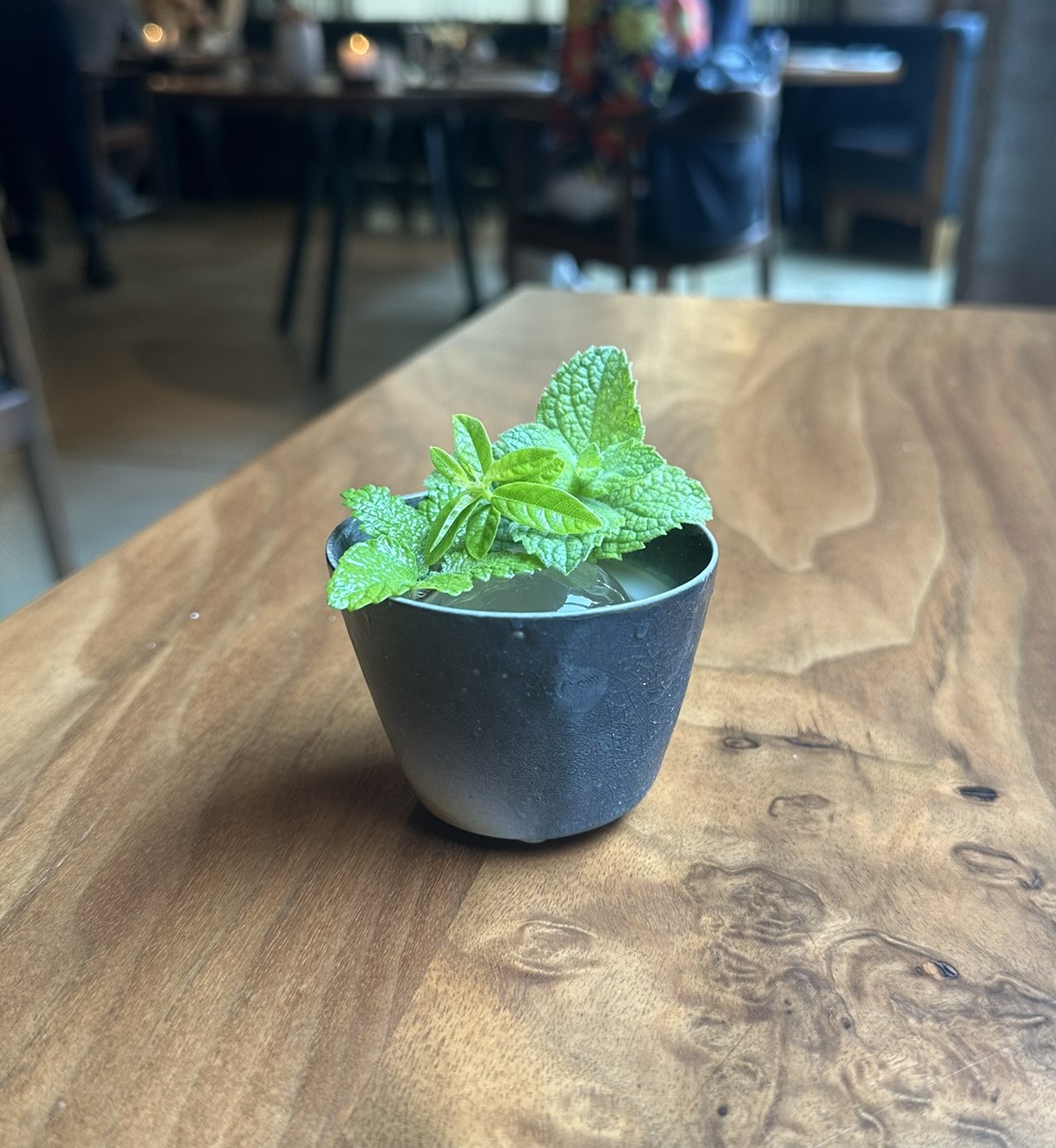
Open exclusively for dinner, the restaurant offers a single tasting menu for $325. To start, I was served the SAPOTE AMAZAKE, a nonalcoholic amazake drink made with sapote, a tropical fruit native to Mexico and Central America. Its subtle sweetness and herbal notes helped awaken the palate and prepare it for what was to come. The PENBAY SCALLOP & MELON was the first course. Served in its shell, the scallop was marinated with tomato and melon. This was a refreshing preparation, with wonderful marine sweetness and a citrusy bite from the lemon, which also provided a pleasant acidity.
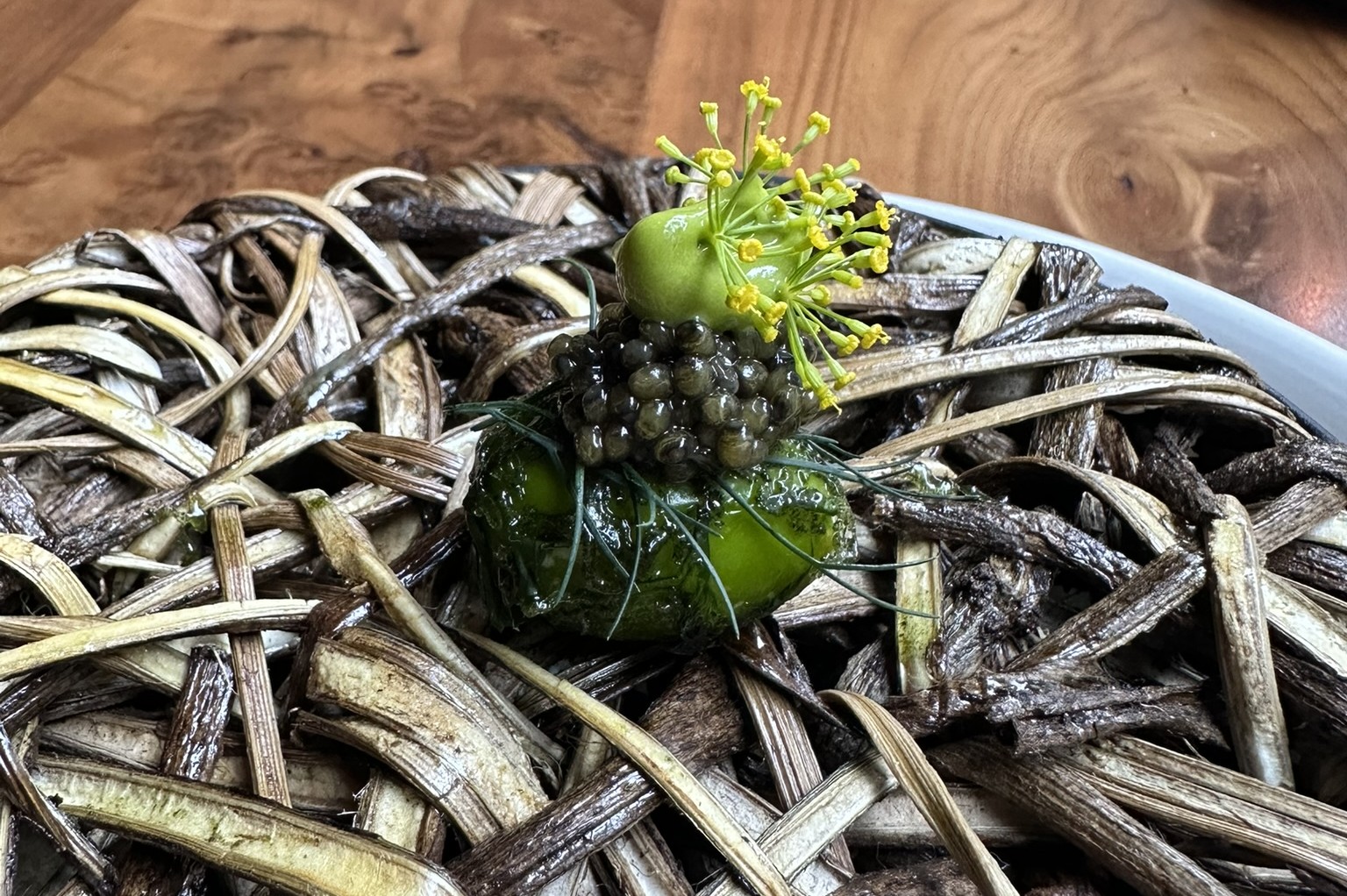
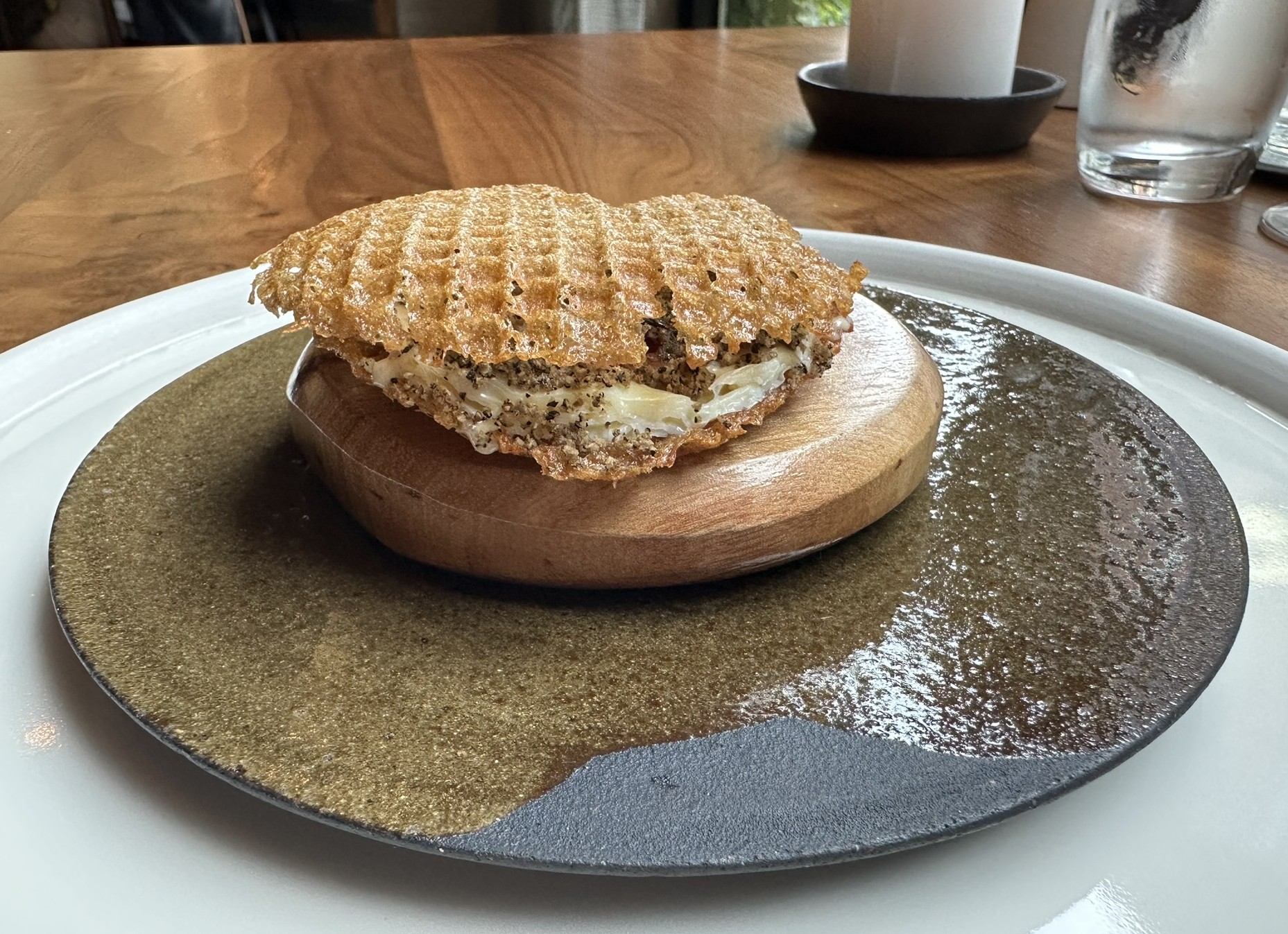
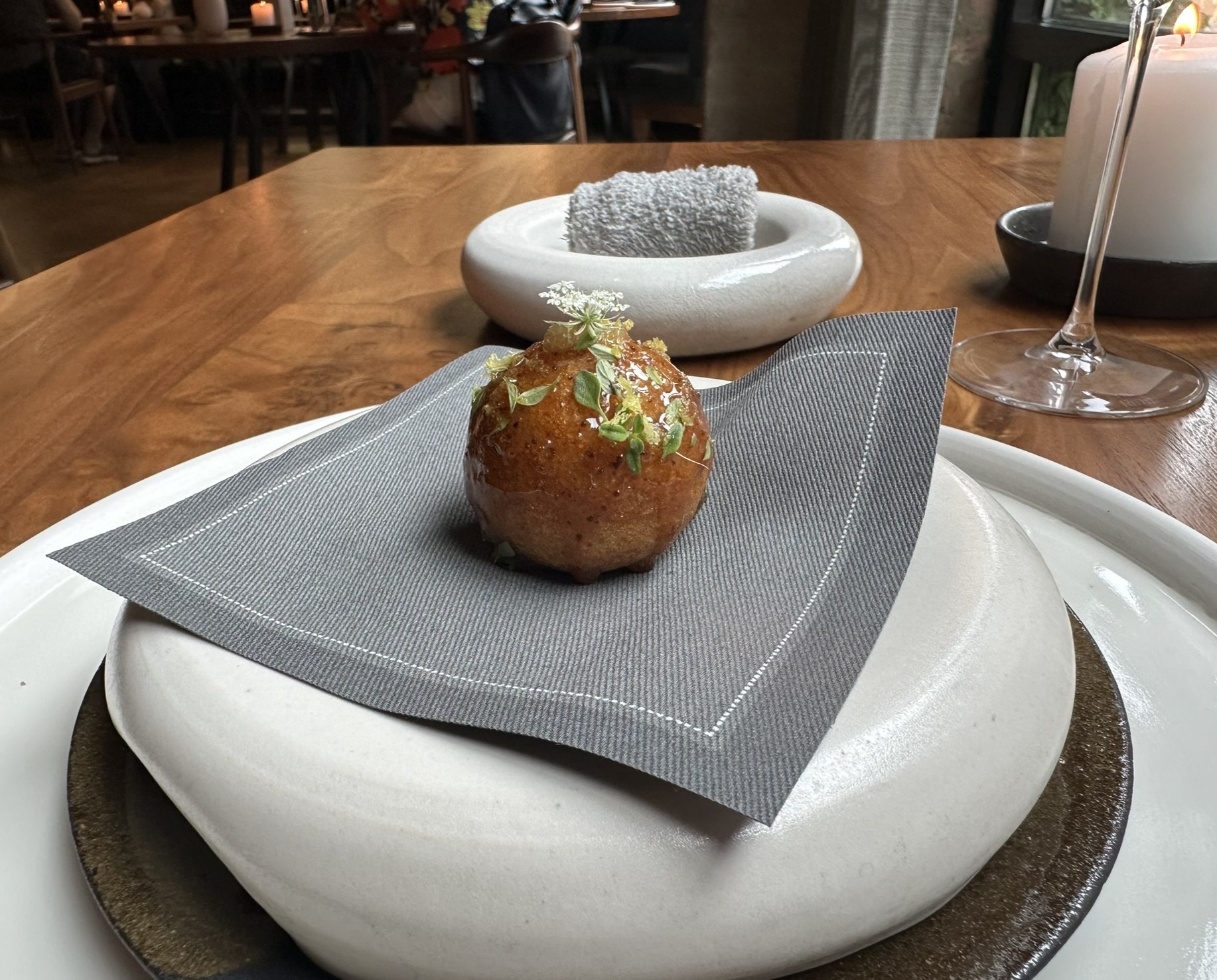
Next came the QUAIL EGG TART. The quail egg was cured in fig and wrapped in sea lettuce, creating a combination of honeyed sweetness and brininess, accompanied by pronounced grassy notes. The caviar topping provided a luxurious salinity that complemented the other flavors. The SOURDOUGH WAFFLE & ENOKI MUSHROOM followed. Made with mushroom-and-truffle sourdough, the waffle had a crisp exterior and a savory filling of veal mousse and milk skin, accompanied by pine-cone jam. The combination of textures and flavors made this an interesting and satisfying course. That was followed by the SWEETBREAD DOUGHNUT, which was poached for 48 hours in vegetable bouillon before being finished with milk skin cream, veal reduction, toffee, and carrot flower. The doughnut achieved a pleasant balance between sweet and savory, with the richness of the sweetbread complemented by the sweetness of the toffee.
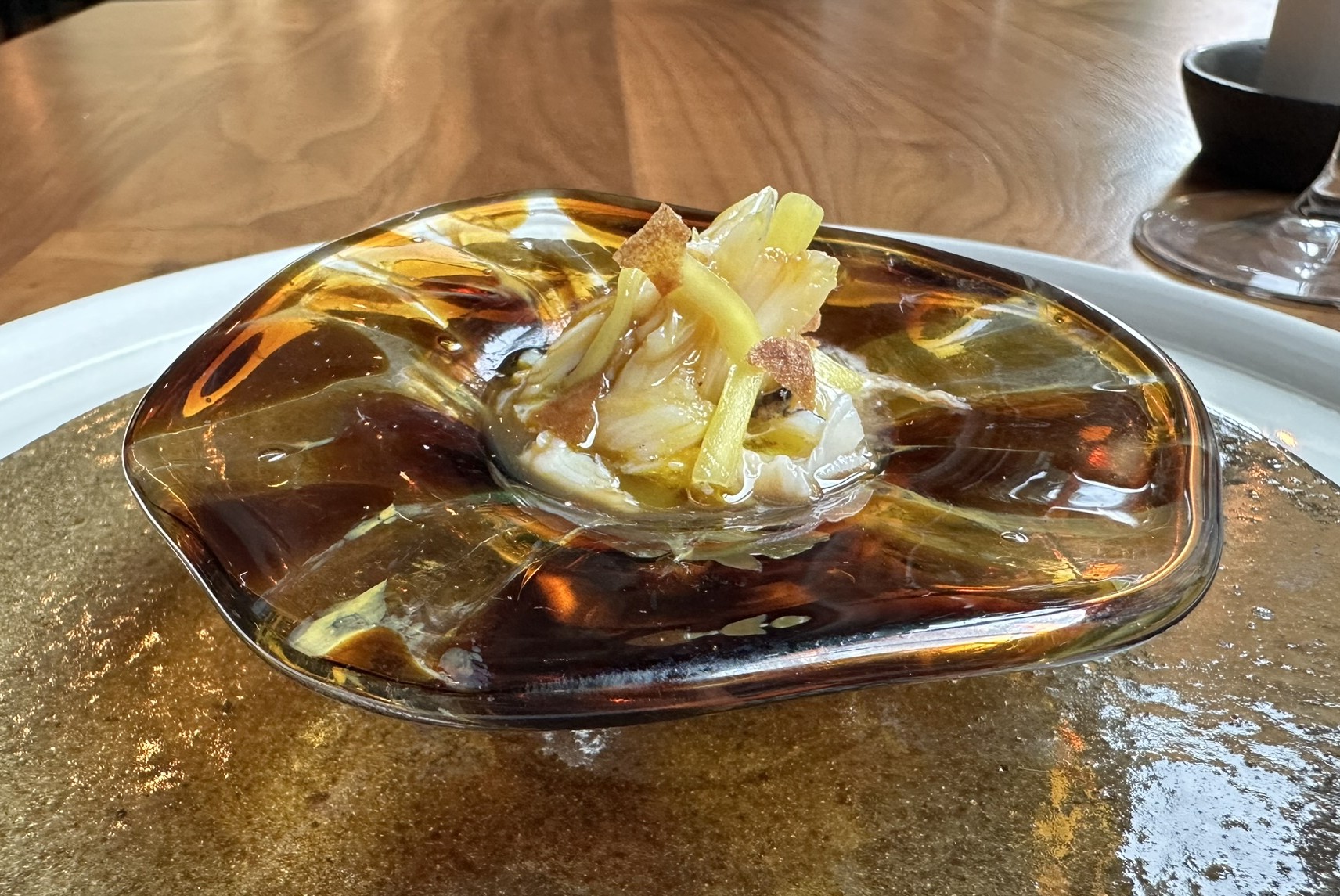
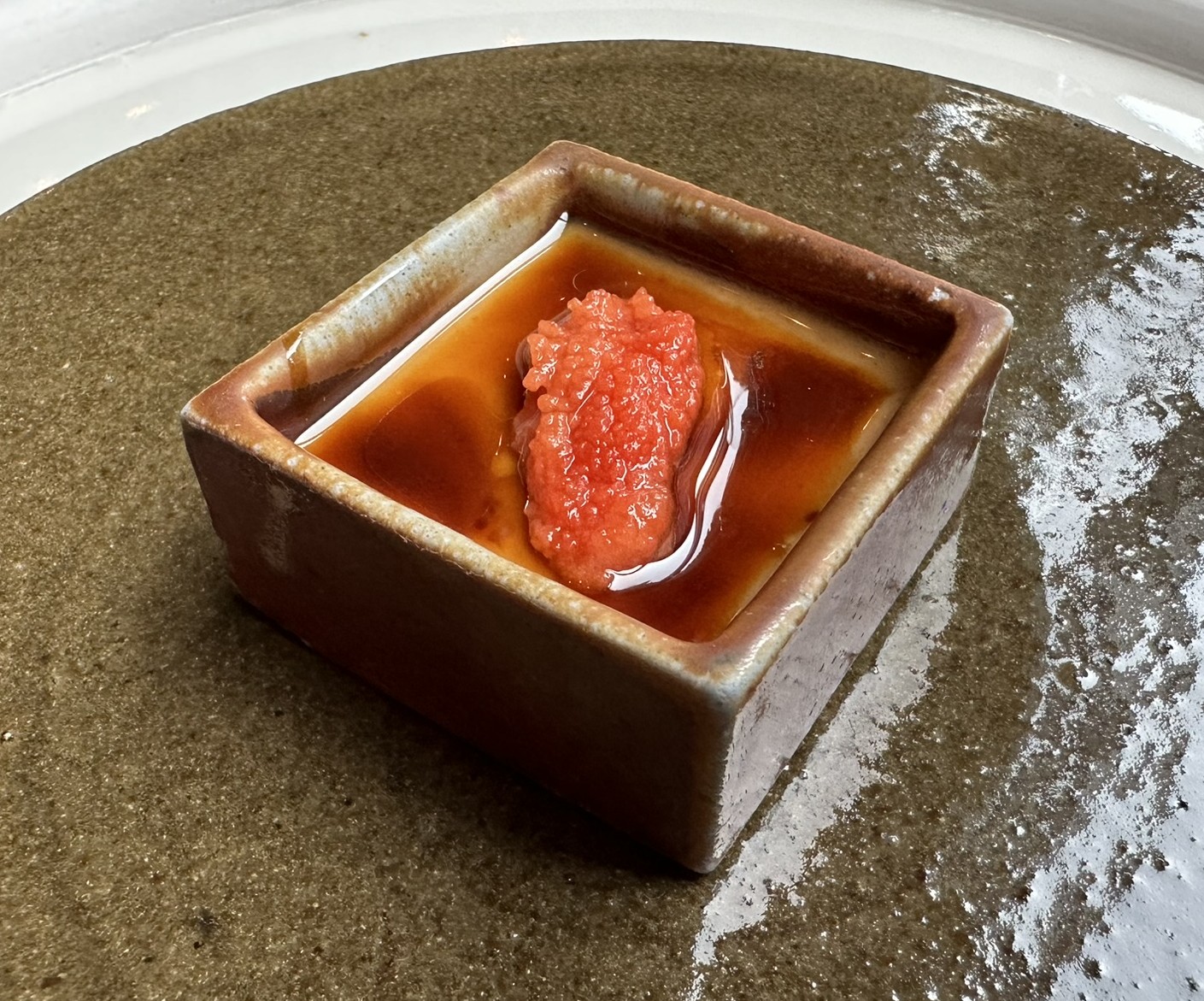
The DUNGENESS CRAB & JACKFRUIT featured a Dungeness crab salad combined with a variety of tropical fruits, including sapote, and a beeswax cream. This was a tasty dish, and the crab meat was wonderful, with a delicate sweetness and subtle nuttiness. The fermented coconut and marinated jackfruit worked beautifully with the crab, creating a terrific combination. Continuing with the Dungeness crab theme, the next course was the CRAB KANI CUSTARD. Served warm, the combination of crab and uni was rich, creamy, and delicious. Interestingly, the uni was not actual sea urchin but a preparation made from sapote, an ingredient introduced earlier in the meal. It convincingly replicated the flavor and texture of real uni. Together, both dishes demonstrated the versatility of crab and sapote, as well as the brilliance and technical creativity of the kitchen.
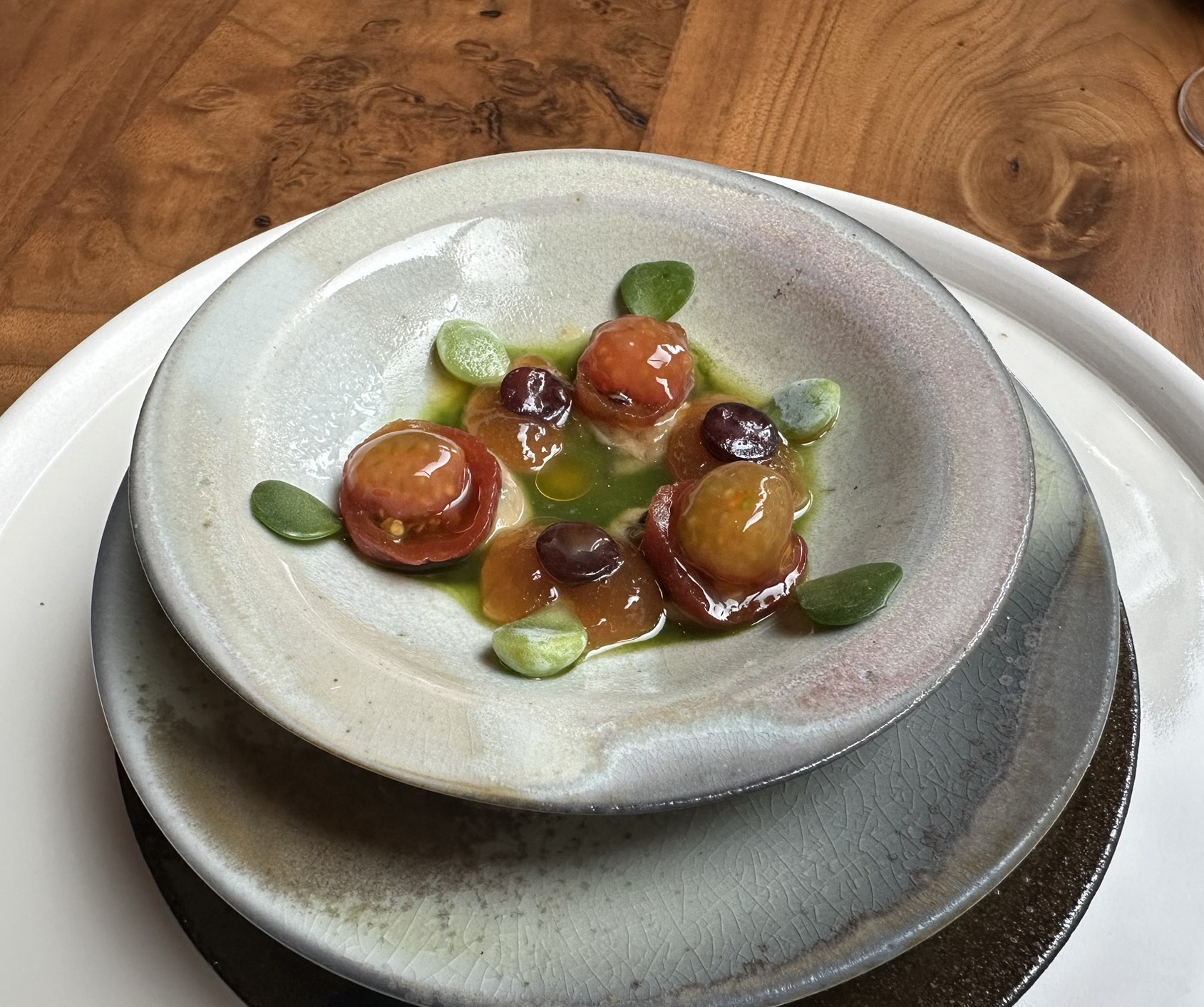
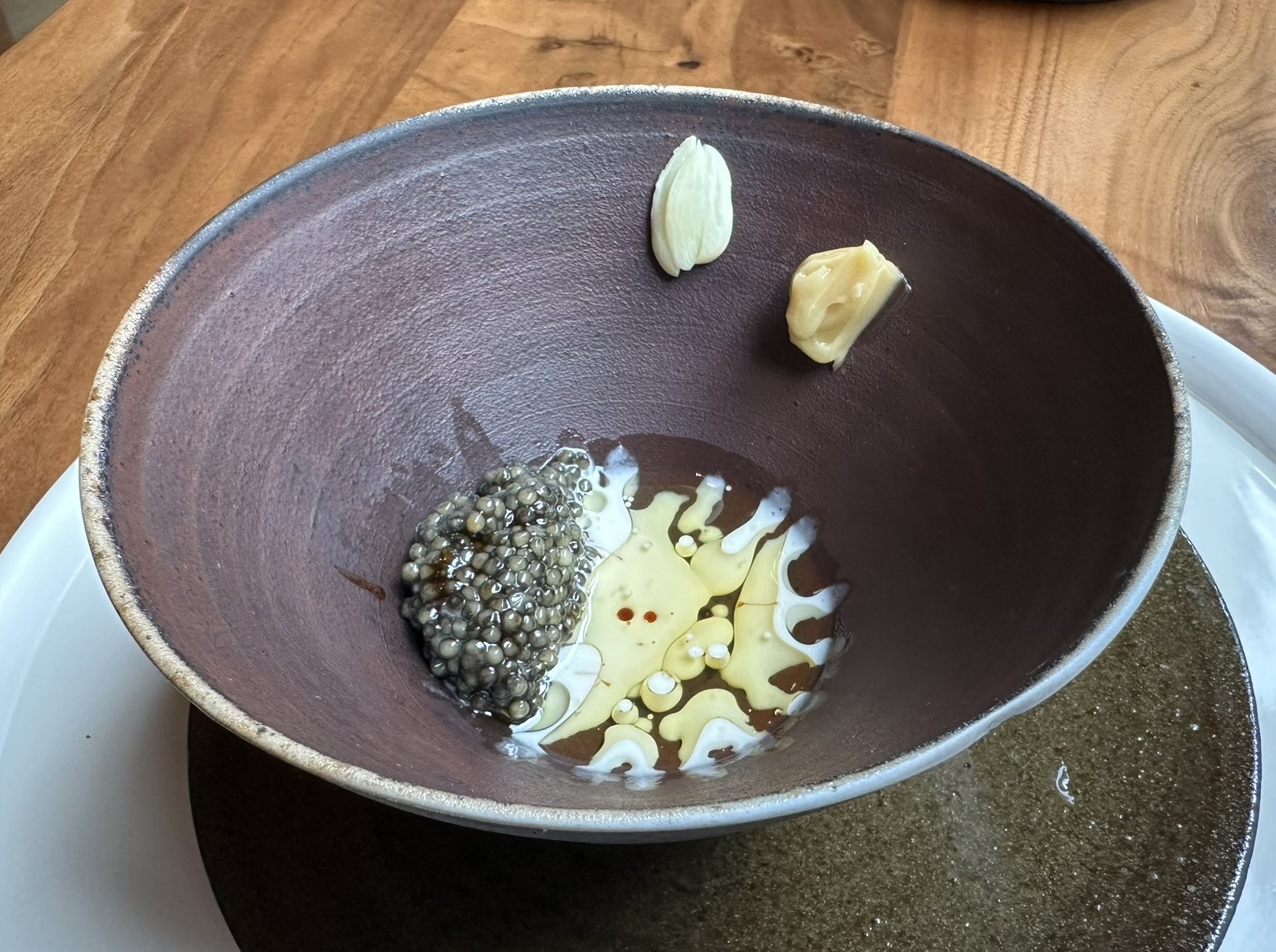
Proceeding with the TOMATO & OYSTER, the dish featured cherry tomatoes with miso, gooseberry, sedum, and oyster. This was nicely executed, with refreshing acidity that worked particularly well with the oyster. There was also a pleasant vegetal presence that added another dimension to the dish. The CAVIAR & ALMOND came next. My server instructed me to mix everything together. A generous portion of caviar rested on a base of walnut oil and almond milk, while rose butter and green almond were presented alongside it. This was a pleasant dish with subtle saltiness, light creaminess, and hints of bitterness. The AVOCADO & PISTACHIO was another interesting creation. Half an avocado was covered in pistachio praline, providing a sweet nuttiness. Beneath it was a cucumber-and-rice slush that introduced plenty of fresh green notes, while the almond milk sauce added a distinct nuttiness.
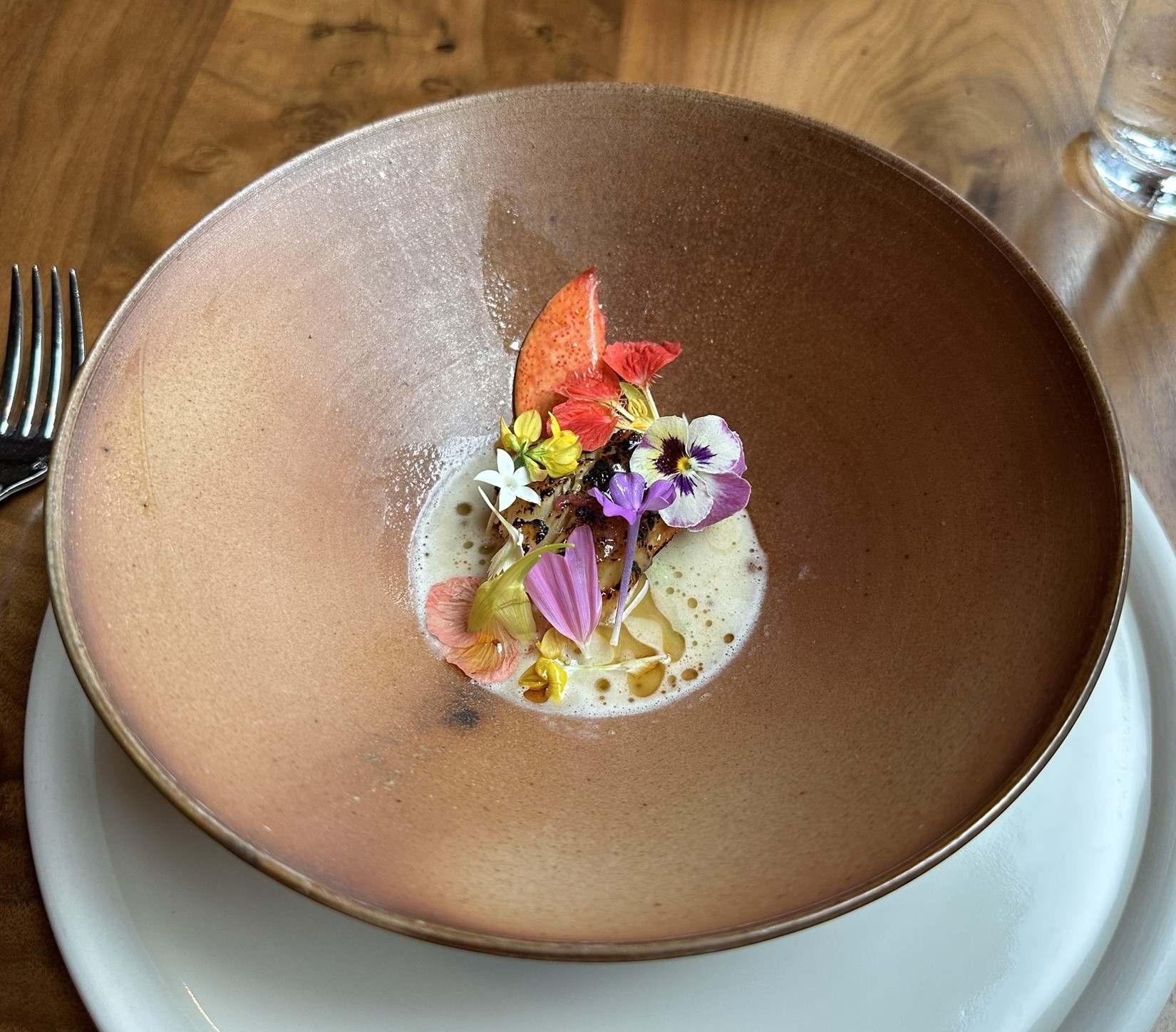
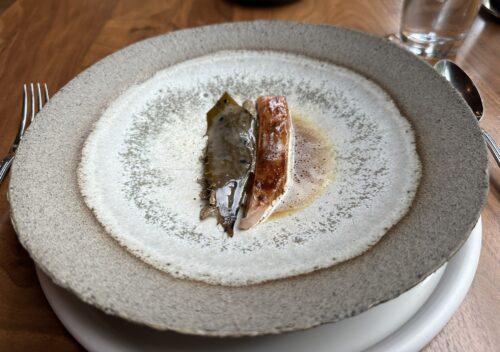
Afterward, the MAINE LOBSTER & GUAVA was served. The Maine lobster was poached in raspberry butter and placed on a bed of lobster tamale and guava, then covered with garden flowers and finished with lobster jus. The dish was colorful and vibrant. The sauce had a pronounced lobster flavor, while the charred lobster meat offered an appealing smokiness. Floral notes added another layer to the plate. The BROOK TROUT & TRUFFLE PORRIDGE followed. Poached in kombu butter, the trout was delicate and tender, practically melting in the mouth. It was served with kelp, which had a charred flavor reminiscent of cabbage, and rested on rice porridge with truffles. A bouillon made from truffles and mushrooms completed the dish. This was a wonderful preparation, with the earthy flavors of the truffles complementing the fish.
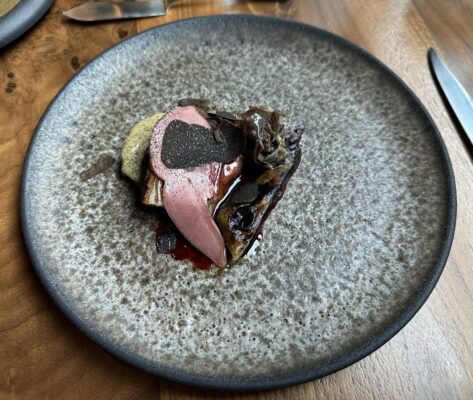
For the main course, the ELYSIAN FIELDS LAMB & MALTED MILK BREAD was served. This dish featured different preparations of lamb. The dry-aged lamb rack was cooked perfectly, with a rich and buttery texture, while the confit lamb tongue had a mild gaminess. The lamb sausage was also tasty. The lamb jus, incorporating cherry juice, added a beautiful sweetness that complemented the meat. Smoked Japanese eggplant and shavings of black truffle provided additional depth, with the truffle contributing an intense earthiness. I was pleasantly surprised that the lamb’s gaminess was not overpowering, making the different preparations more enjoyable.
The main course was accompanied by malted milk bread glazed with veal jus and served with lamb sausage butter. The bread was savory and delightful, although, due to personal preference, I was not a fan of the accompanying butter.
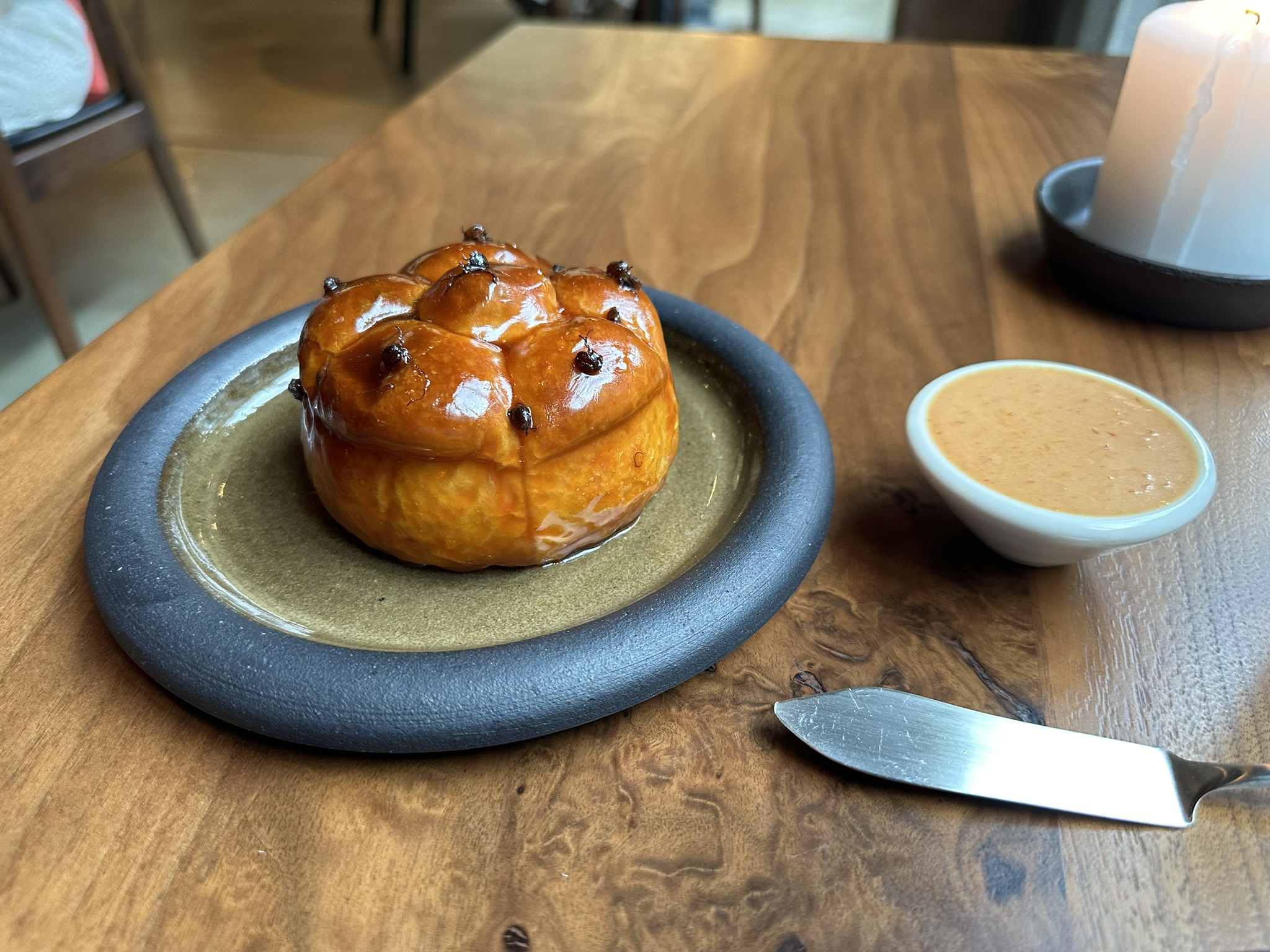
The sweet portion of the meal began with a palate cleanser, the MANGO & GARDEN LICORICE, which consisted of candied mango over mango purée, accompanied by buttermilk ice cream and finely shaved ice. The cool temperature and gentle sweetness of the mango made this a refreshing transition from the savory courses. Floral and honeyed notes added further complexity to the palate cleanser.
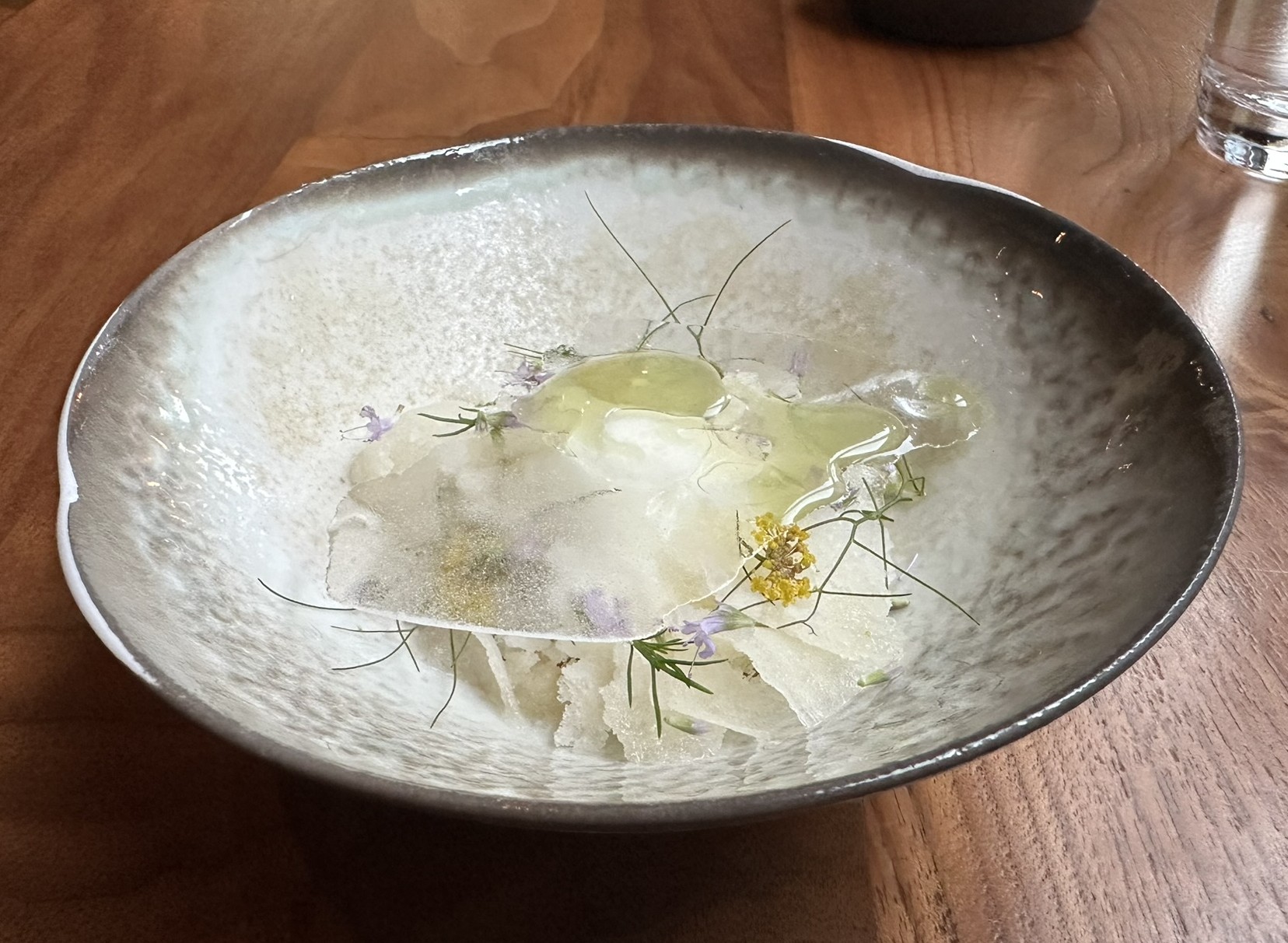
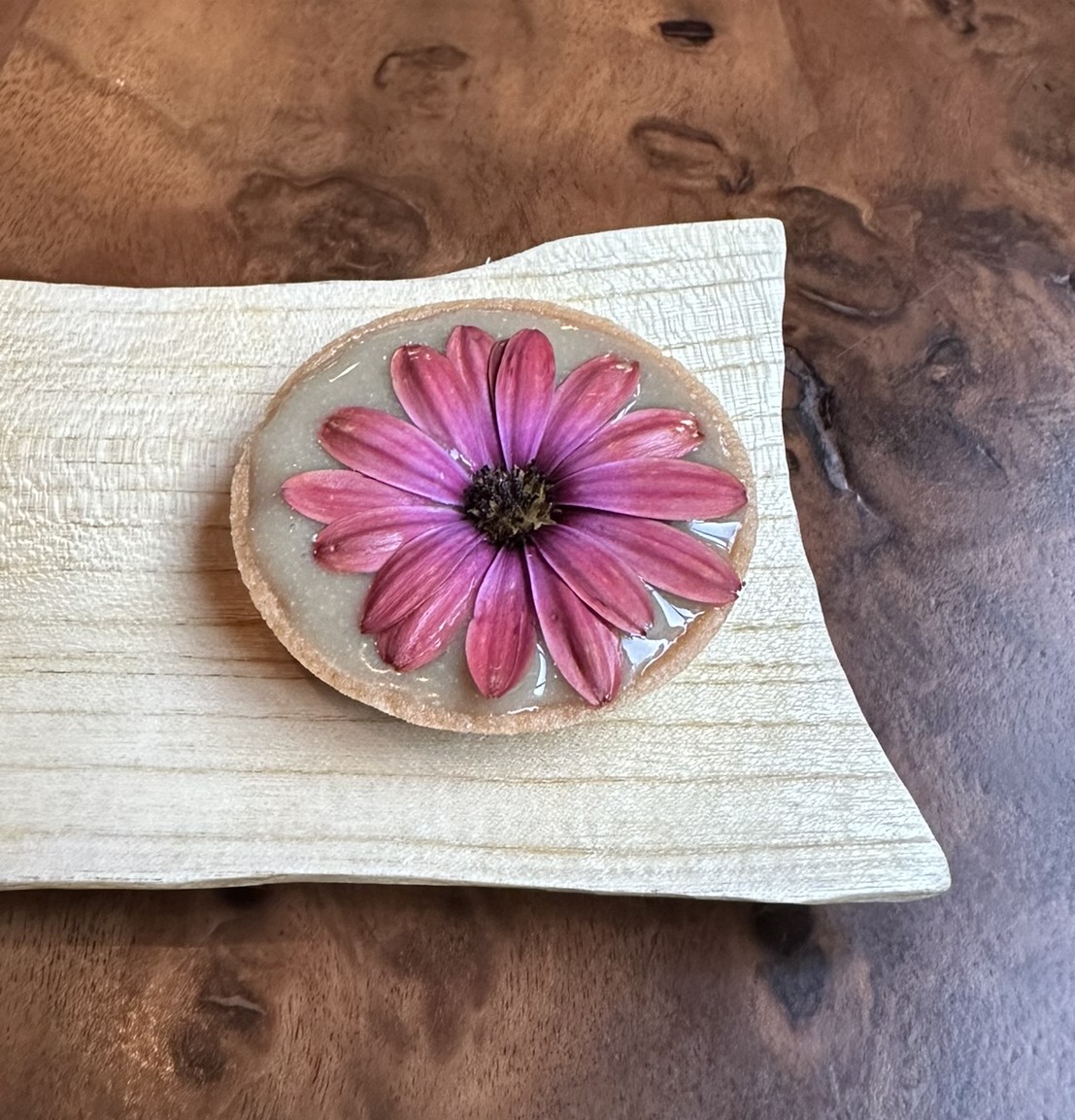
The main dessert, AGED BANANA, was a creative preparation featuring banana custard made from darkened banana peel, drawing inspiration from the technique used to make banana bread. The peel was then manipulated and molded into the shape of a banana. The dessert was sweet, but its sweetness was balanced by bitter elements on the plate. Overall, considerable thought and creativity went into its preparation. That was followed by BLACK WALNUT, chocolate truffles with a mochino caramel filling. These small bites delivered a rich chocolate flavor complemented by the caramel center. The SUNFLOWER TART, made with a graham cracker crust, sunflower seed ganache, and salted honey custard, offered a combination of nutty flavors reminiscent of peanut butter and the sweetness of honey. This marked the end of a wonderful meal.
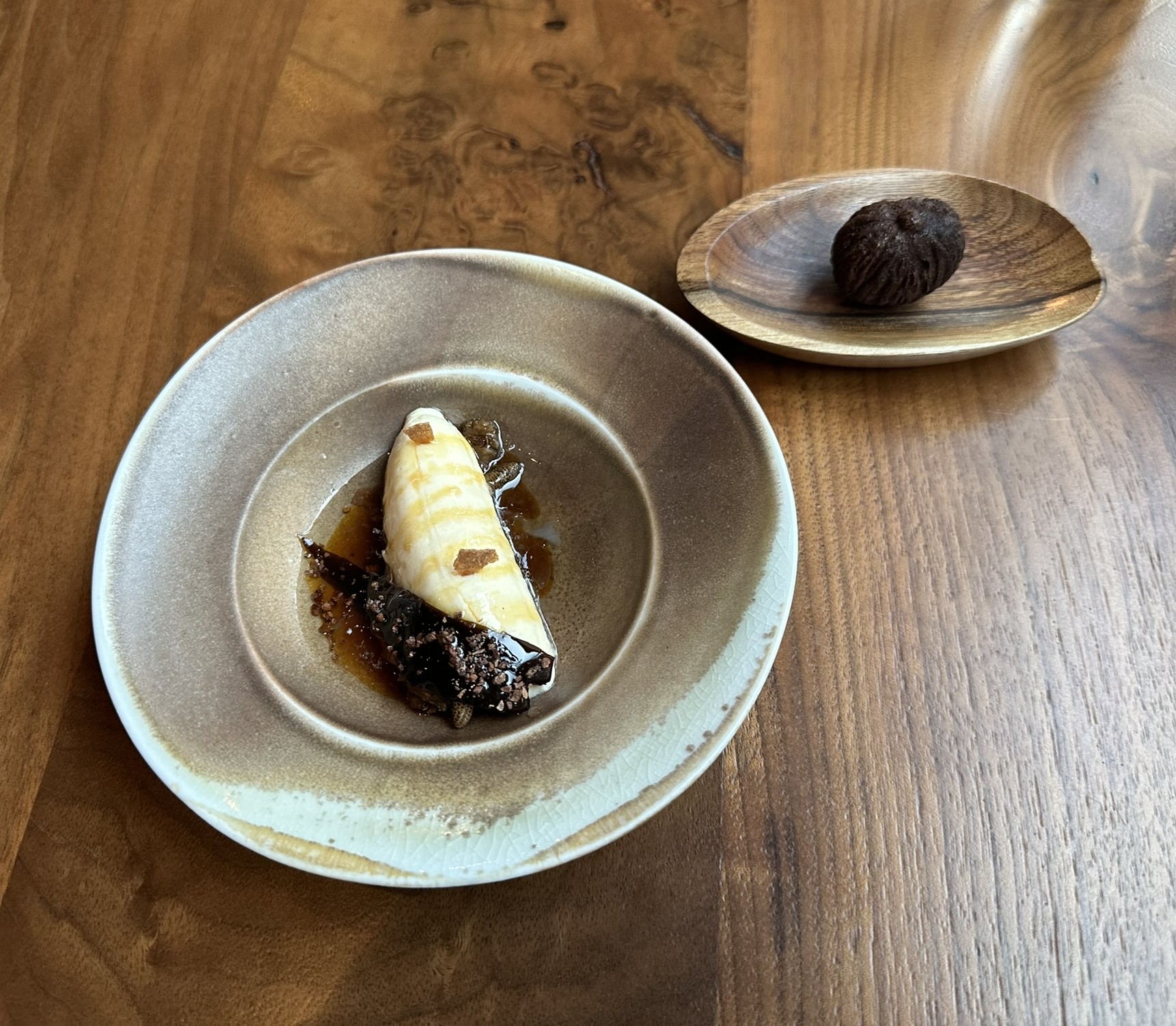
Smyth’s tasting menu was wonderful and impeccably executed. The cooking demonstrated a high degree of technical skill and creativity. Each dish featured numerous components that worked harmoniously together. Ingredients were repeated throughout the meal, yet the kitchen managed to use them masterfully without fatiguing the palate with familiar flavors and textures. There were Japanese and Mexican influences throughout the menu, reflected in the ingredients and preparations, alongside luxurious products and sophisticated techniques. The result was a tasting menu that felt imaginative and cohesive rather than extravagant for the sake of extravagance.
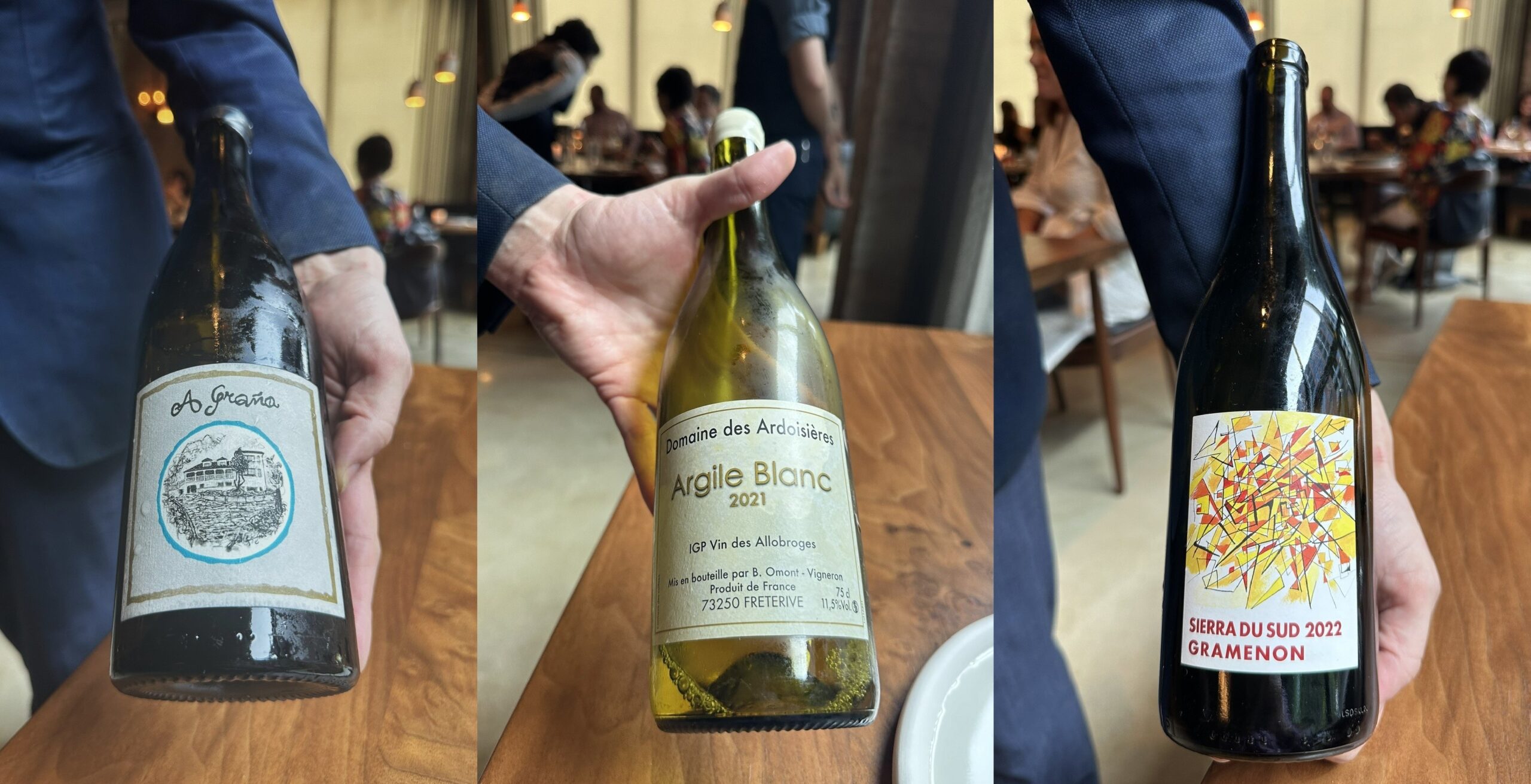
I asked the sommelier for recommendations, and he selected three wines to accompany the tasting menu. A Spanish white wine was served with the opening courses, followed by French white and red wines for the middle and remaining savory dishes. The selections were terrific, particularly A Grana by Nanclares y Prieto from Galicia, Spain. Its dry characteristics paired extremely well with the first few dishes, complementing their delicate flavors and refreshing acidity.
Service at Smyth was polished yet friendly, with a warmth that made the experience feel welcoming rather than overly formal. The servers, dressed in immaculate black suits, stopped by my table with smiles on their faces. They were engaging but knew when to leave me to enjoy the meal. They were also extremely knowledgeable, explaining each dish with clarity and detail. Their professionalism was evident throughout the evening and contributed significantly to the overall dining experience.
At the time of my visit, dinner at Smyth cost $325. Expensive, certainly, but not the priciest three-Michelin-starred restaurant in the United States. I consider it to be toward the more approachable end of the spectrum for restaurants at this level, although I would not be surprised to see its prices rise in the future.
Smyth has firmly established itself as an anchor of the neighborhood’s fine-dining scene. With all the accolades it has received, the restaurant continues to attract diners from across the country and around the world, many of whom make a special journey just to experience its cuisine. Smyth is truly one of the great restaurants in the country, operating at the highest level of its craft—a distinction further affirmed by my own dining experience.